
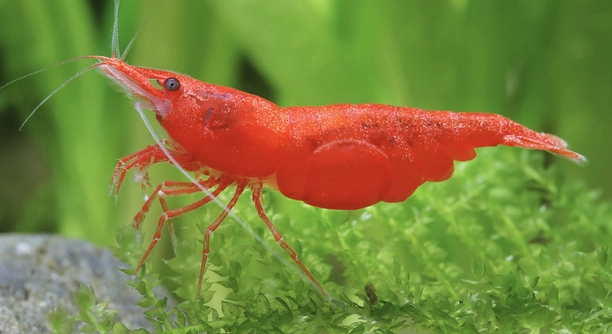
Are your cherry shrimp showing lively colors and steady movement as you check on their tank each day hinting at how well they might be eating overall in their calm and welcoming freshwater home environment.
Well fed cherry shrimp exhibit strong coloration, steady movement, and active grazing patterns that signal balanced nutrition and stable environmental conditions. These observable traits indicate that their dietary requirements are consistently fulfilled, supporting healthy development and stability within the aquarium.
As you learn the subtle signs of proper feeding you will gain a view of their daily comfort and rhythm.
Bright and Consistent Coloration
Bright and consistent coloration is one of the clearest signs that your cherry shrimp are eating well, and this visual cue can help you feel more confident about the care you are giving them each day. When shrimp receive steady nutrition their pigments appear richer, their shells look clean, and their overall presence in the tank seems more vibrant. You may notice them glowing under the aquarium light, moving with calm purpose as they graze across plants, driftwood, and small patches of algae. Good feeding habits support healthy molting, which keeps their bodies smooth and strong while reducing stress during growth. Balanced diets also help them fight off minor issues that can dull their colors over time. When you see steady brightness in their appearance you can be sure their meals are supporting their well being in a simple and dependable way that keeps your shrimp thriving daily at home.
Healthy color does more than please the eye, it reflects steady feeding that supports every part of your shrimp’s daily rhythm. When their appearance stays rich and even you gain reassurance that their meals are meeting their simple nutritional needs without unnecessary stress in their calm and steady habitat today.
Color changes can also guide how you adjust feeding habits throughout the week. When shrimp appear slightly pale it often signals mild hunger or a recent molt that requires gentle support. By offering a stable routine with small portions you help them regain brightness without overwhelming their system. Observing these details brings a sense of ease to your care routine and allows you to react in a simple, thoughtful way that keeps their health on track without complicated steps or stressful changes that might disrupt their calm and balanced daily environment in the tank as they continue thriving peacefully together.
Active Foraging Behavior
Active grazing across plants and surfaces is another clear sign that your cherry shrimp are eating well and staying fulfilled. When they move steadily from one spot to another they show interest in the natural food sources that form a steady part of their routine within their calm habitat daily.
Steady foraging shows that your shrimp feel comfortable enough to explore the tank and search for food with confidence. When they graze along leaves, driftwood, filters, and substrate they reveal how well they respond to both prepared foods and the tiny bits of natural matter that build up between feedings. This behavior supports healthy digestion by keeping them active throughout the day while preventing overfeeding, which can lead to waste buildup and water stress. A shrimp that moves continually with a calm rhythm is often well nourished and fully engaged in its surroundings. You may notice small groups gathering on surfaces as they pick at biofilm, algae, and leftover particles from earlier meals. These moments indicate that their environment offers enough resources to keep them satisfied even between scheduled feedings. By offering small balanced portions and maintaining clean stable water conditions you help sustain this pattern without creating sudden shifts that might interrupt their comfort. Watching this daily activity can make you feel more connected to their needs while giving you a simple reference point for ongoing care that stays steady, gentle, and easy to manage while supporting their calm nature and promoting steady growth in their tank each day.
Regular Molting Patterns
Regular molting patterns show that your cherry shrimp are getting enough nutrients to support healthy shell development. When they shed on a steady schedule it signals that their diet is meeting basic needs and keeping their bodies strong within their calm environment.
A consistent molting cycle helps your shrimp maintain a clean outer shell and steady growth. When they have enough minerals and balanced food sources their molts appear complete, thin, and slightly translucent. After shedding they usually hide for a short time as their new shell hardens, and this quiet behavior is normal. Proper feeding also helps prevent incomplete molts, which can cause stress or small injuries. When you notice clean molts around the tank it confirms that their food intake supports their natural rhythms without unnecessary strain, giving you a simple way to track their progress over time.
Molting also reflects how well your tank conditions support their nutritional use. When calcium and protein from their diet are balanced they molt smoothly and recover with steady confidence. If you offer varied foods in small portions they process nutrients more effectively, which strengthens their new shell after each shed. Over time this pattern becomes easy to recognize and helps you adjust feeding routines without guesswork. Watching these details lets you stay connected to your shrimp’s needs in a calm, gentle way.
Steady Growth and Size Development
Steady growth shows that your shrimp are processing their food well and using nutrients effectively. When their size increases at a slow and predictable rate it signals that their meals offer what they need without overwhelming their small systems or disrupting their comfort.
Growth depends on consistent feeding that supports body structure and gentle development. When your shrimp receive proper nutrition their bodies lengthen evenly and their shells form smoothly without rough spots or thin patches. You may notice young shrimp becoming more defined and confident as they explore the tank. Offering balanced portions helps them grow without creating excess waste that could stress the water. Over several weeks these small changes become clearer and help you understand how well your feeding routine is working. Watching them develop at a comfortable pace brings reassurance that your care supports their natural needs in a simple, steady way.
Strong Appetite During Feeding Time
A strong appetite during feeding time shows that your shrimp are comfortable and ready to eat. When they gather quickly around the food they display steady interest, which reflects healthy digestion and proper energy levels in their stable environment each day.
Shrimp that respond quickly to small portions usually process nutrients well. They move with calm focus as they pick at their food and return to grazing once finished. This steady pattern shows that their meals are supporting their needs without creating stress or hesitation in their daily routine.
Clear and Steady Digestion
Clear and steady digestion is seen when your shrimp produce small, uniform waste and maintain calm movement throughout the day. When their digestive system works smoothly it confirms that their diet is easy for them to handle, keeping their bodies balanced. A consistent output pattern also reflects proper portion sizes, stable feeding habits, and a comfortable environment that supports their gentle routines.
Calm Group Interactions
Calm group interactions show that your shrimp feel supported nutritionally. When they graze side by side without tension they demonstrate comfort that develops from steady feeding and a peaceful tank setup.
FAQ
How often should cherry shrimp be fed each day?
Cherry shrimp do well with small portions once a day, and in some tanks even every other day works fine. Their primary food source is biofilm and algae, so prepared foods should act as supplements rather than the main meal. Offering small amounts prevents overfeeding, keeps the water stable, and lets them graze naturally throughout the day. When you maintain this routine they stay active, comfortable, and able to process their food without stress. A simple schedule also helps you avoid leftover particles that may build up and affect water quality over time.
What types of food help support their color and growth?
A mix of algae-based foods, protein-rich options, blanched vegetables, and mineral-rich supplements supports steady color and gentle development. Shrimp pellets, algae wafers, and powdered foods help them reach nutrients that might not be present in the tank. These foods encourage richer pigmentation and steady shell formation. They also support healthy molting by giving your shrimp balanced minerals they cannot get from grazing alone. When you rotate these foods your shrimp receive a stable blend that keeps them energetic and vibrant without overwhelming their small systems.
How can I tell if I am feeding too much?
Leftover food after two hours is the clearest sign that the portion was too large. Overfeeding leads to waste buildup, cloudy water, and sluggish shrimp behavior. When portions are right you will notice your shrimp finishing their meal with calm efficiency. Their movements remain steady, and you will not see particles gathering in corners or under decorations. Adjusting portions slowly gives you better control and keeps your tank cleaner without constant maintenance. Smaller servings usually keep everything balanced and easy to manage.
Do cherry shrimp need special mineral supplements?
Mineral supplements help maintain a strong shell and support a smooth molting cycle. Many tanks already have enough minerals, but softer water setups may require additional support. Adding mineral stones, powdered supplements, or shrimp-specific blocks helps your shrimp maintain shell strength. When balanced well these additions prevent issues like failed molts or thin shells that make your shrimp feel vulnerable. Offering minerals in small amounts also keeps their routine natural without overwhelming them.
Why do shrimp hide after molting?
Shrimp hide because their new shell is soft and still hardening. This stage is normal and can last several hours or more, depending on the shrimp. During this time they avoid bright light and active areas. Once their shell strengthens they return to grazing and interacting with the group. Healthy feeding habits help them recover more comfortably and reduce stress during this delicate moment.
Are there signs that shrimp are not getting enough food?
Pale color, reduced activity, slow growth, and hesitant grazing often show that nutrients are lacking. When shrimp appear less vibrant than usual or spend too much time searching for food it might mean they need slightly more support. Increasing portions lightly or offering varied foods helps bring them back to a steady rhythm. Watching their movement and color each day gives you a simple way to stay aware without complicated monitoring.
Can cherry shrimp overeat?
They rarely overeat on their own, but they can be overwhelmed by excess food in the tank. Overfeeding mostly harms the water, not the shrimp directly. Poor water quality leads to stress, slow movement, and inconsistent feeding behavior. Giving small portions keeps everything stable and safe. When water remains clear and your shrimp stay active you know the balance is right.
Do shrimp eat at night as well as during the day?
Yes, they graze around the clock. Cherry shrimp explore the tank both day and night, picking at biofilm, algae, and tiny leftover particles. Their constant movement helps them stay nourished even between scheduled feedings. This natural grazing supports stable digestion and calmer behavior, making their routine easy to maintain without frequent adjustments.
Final Thoughts
Caring for cherry shrimp becomes easier when you understand the small signs that show they are eating well. Their color, behavior, movement, and interactions all help you see how they respond to the food and environment you give them. When these signs stay steady you can feel more confident about your routine and the choices you make each day. Cherry shrimp have simple needs, but they still rely on a balanced setup that allows them to graze freely, move calmly, and grow at a steady pace. When their tank stays stable their habits become predictable, and those patterns help you notice both progress and early signs of trouble. By paying attention to these details you create a comfortable space that supports their natural rhythm, letting them thrive in a peaceful way that suits their gentle nature.
As you watch them move through the tank you start to recognize how each part of their behavior connects to their well being. A shrimp that grazes often, molts cleanly, and shows clear color is usually processing nutrients without difficulty. Even their interactions with one another show how comfortable and secure they feel. Calm movements and steady activity tell you that their needs are being met without stress. These observations do not require special experience, only steady attention and a willingness to notice small changes. Over time you begin to see patterns that guide your choices. When something shifts in their appearance or behavior it becomes easier to adjust feeding routines or check the tank conditions. This simple awareness helps you stay connected to their needs while keeping your care routine gentle and manageable. Your shrimp benefit from this consistency, and you gain a clearer sense of how to support them without unnecessary steps or complex changes.
Maintaining a healthy feeding routine also helps you build a stable environment that your shrimp can rely on. Balanced portions prevent waste buildup, and varied foods give them the nutrients they need to grow well and maintain strong shells. When their meals support both their digestion and natural grazing habits they remain active throughout the day. A calm, steady tank allows them to explore without hesitation, and this comfort shows in their color, behavior, and overall appearance. Creating this stability does not require complicated methods, only regular care and an understanding of what keeps them comfortable. As you continue learning from their behavior you become more confident in your approach. These small choices shape a peaceful home for your shrimp and help them maintain the bright, lively presence that makes them so enjoyable to keep.

Hello,
If you enjoy the content that we create, please consider saying a "Thank You!" by leaving a tip.
Every little bit helps us continue crafting quality advice that supports the health, happiness, and well-being of pets around the world, for pets of all shapes, sizes, and species.
We really appreciate the kindness and support that you show us!