
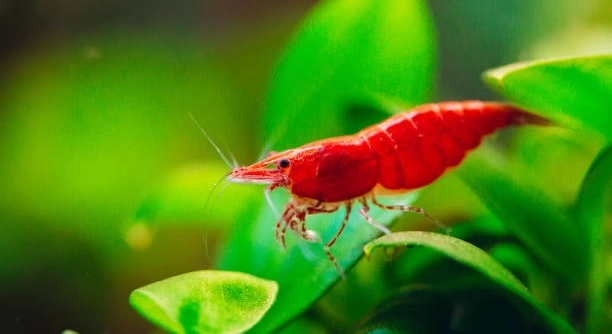
Caring for cherry shrimp can be a rewarding experience, but it is important to recognize healthy individuals early. Healthy shrimp are more active, display vibrant colors, and adapt well to their environment, making your aquarium lively and balanced.
A healthy cherry shrimp can be identified through clear, bright coloration, consistent activity levels, intact appendages, smooth exoskeletons, regular feeding behavior, normal molting patterns, and an absence of visible disease or stress indicators. These markers collectively indicate optimal health and vitality.
Recognizing these signs early ensures your shrimp thrive and your aquarium remains a vibrant, balanced ecosystem for all inhabitants.
Observing Color Intensity
Cherry shrimp show their health most clearly through color. Vibrant red shades indicate good nutrition, proper water conditions, and overall well-being. Pale or dull colors may signal stress, poor diet, or illness. Regular observation helps identify changes quickly. Healthy shrimp maintain consistent pigmentation across their body, including tail and legs. In mixed tanks, shrimp may show slight color variation, but overall brightness remains a key indicator. Seasonal changes and molting cycles can affect appearance temporarily, but prolonged dullness is a warning sign. Tank conditions such as pH, hardness, and temperature directly influence coloration. Maintaining stable conditions encourages shrimp to display their natural hues. Observing how they react to light and surroundings also gives clues about health. Brightly colored shrimp are usually active, feeding normally, and interacting with their environment. Conversely, fading or patchy colors often accompany lethargy or hiding, signaling the need for attention.
Monitoring shrimp color consistently helps detect early signs of stress or illness before it becomes severe.
Keeping the tank clean and feeding a balanced diet supports vibrant coloration. It also prevents nutrient deficiencies that can cause fading. Observation is simple: watch them during feeding and note their brightness, movement, and interactions. Adjust water parameters if colors fade gradually. Healthy red shades reflect not only proper nutrition but also stable living conditions. Even minor changes in environment or water quality can dull color temporarily, so monitoring trends over days is more reliable than judging a single day. Color alone is not the sole indicator; it works best combined with movement, molting, and appetite observations. Bright shrimp usually explore the tank, climb plants, and feed actively, showing a natural curiosity. Pale or uneven color combined with lethargy may require checking for ammonia, nitrite, or low oxygen levels. Stress from aggressive tankmates can also reduce color intensity. Maintaining proper lighting without overexposure supports color vibrancy. Regular partial water changes and high-quality food enhance pigmentation and overall health. A balanced approach ensures your shrimp remain visually striking and active throughout the year.
Monitoring Activity Levels
Active shrimp are generally healthy and well-adjusted to their environment.
Observing movement patterns gives insight into shrimp health. Healthy shrimp explore the tank, climb plants, and feed actively. Lethargic shrimp often hide or remain still, which can indicate poor water quality or disease. Regular monitoring helps detect these behaviors early.
Activity level is a critical sign of health, reflecting both environmental conditions and internal well-being. Healthy shrimp move consistently, interact with each other, and respond to feeding quickly. When they slow down or isolate themselves, it may indicate stress from water changes, incorrect parameters, or overcrowding. Tracking activity alongside other signs, like color and molting, provides a complete picture of health. Tank setup influences movement; ample hiding spots and plant coverage encourage natural behavior. Observing shrimp at different times of day helps distinguish normal resting periods from potential lethargy. Stressful conditions, such as sudden temperature shifts or chemical exposure, often reduce activity noticeably. By maintaining stable water conditions, balanced nutrition, and minimal disturbances, shrimp remain active and vibrant. Consistent activity patterns indicate that shrimp are thriving and adapting well to their environment, which is essential for long-term survival and reproduction.
Examining Molting Patterns
Regular molting is a clear sign of a healthy shrimp. Healthy shrimp shed their exoskeleton completely and at consistent intervals, usually every few weeks. Irregular or incomplete molts may indicate stress, poor water quality, or insufficient calcium in the diet.
Molting is essential for growth and overall health. Shrimp prepare by hiding and reducing activity before shedding. After a successful molt, they appear brighter, with a soft exoskeleton that hardens over hours. Missing or incomplete molts can cause deformities or increased vulnerability to disease. Observing molting frequency alongside color and activity helps assess overall well-being. Environmental factors such as temperature, water hardness, and diet directly affect molting success. Providing calcium-rich foods and stable water conditions encourages smooth, regular molts. Shrimp that molt consistently are usually active, feed normally, and display bright coloration, which confirms their health status within the tank.
Paying attention to molting behavior also prevents potential health issues. Removing old exoskeletons and ensuring proper diet reduces the risk of complications.
Checking Appetite and Feeding Behavior
Healthy shrimp have a consistent appetite and actively search for food in the tank. They consume algae, biofilm, and supplemental foods quickly without hesitation. Loss of appetite may indicate stress or illness.
Shrimp that feed regularly show normal growth and coloration. Observing feeding habits helps detect early signs of poor health, such as lethargy or digestive issues. Shrimp that ignore food often hide or display unusual movements, signaling potential environmental or internal problems. Feeding behavior combined with color, activity, and molting patterns provides a comprehensive view of health. Proper diet and portion control prevent overfeeding and maintain clean water, supporting long-term vitality.
Ensuring a balanced diet, including high-quality flakes, algae wafers, and occasional protein treats, strengthens immune response. Feeding at regular intervals encourages natural behavior and prevents competition or stress among tankmates. Active feeding indicates shrimp are comfortable and adapting well, reflecting both individual and tank-wide health. Regularly monitoring feeding habits allows quick intervention if changes occur, maintaining overall aquarium stability.
Inspecting Body Shape and Size
A healthy cherry shrimp has a smooth, proportional body with no deformities. Curved or shrunken bodies may indicate stress, poor nutrition, or disease. Regular observation ensures early detection of abnormalities before they become serious.
Shrimp should maintain consistent size for their age. Rapid shrinking, bloating, or abnormal swelling can signal health problems. Monitoring growth patterns alongside color, activity, and feeding habits provides a clear picture of overall well-being.
Checking Antennae and Legs
Intact, active antennae and legs are signs of healthy shrimp. Damaged or missing appendages may result from fights, molting issues, or poor water quality. Regularly examining these features helps detect early problems.
Observing Social Behavior
Healthy shrimp interact naturally with each other, exploring the tank and sharing space without excessive aggression. They cluster near food sources and hide in plants when needed. Lethargy or isolation may indicate stress or environmental issues, requiring adjustments to tank conditions.
Monitoring Water Response
Shrimp respond quickly to changes in water, such as temperature or lighting adjustments. Healthy shrimp adapt calmly, while stressed shrimp may hide or freeze. Consistent monitoring of their reactions helps ensure proper tank management and long-term health.
FAQ
How often should I check my cherry shrimp for health signs?
Regular observation is essential for keeping shrimp healthy. Checking them daily for color, activity, molting patterns, and feeding behavior helps catch problems early. Even brief daily scans while feeding or cleaning the tank provide valuable insights.
What are the main indicators of a healthy cherry shrimp?
A healthy shrimp displays bright coloration, active movement, intact antennae and legs, smooth body shape, regular molting, and consistent appetite. Observing these traits together offers a reliable way to assess health rather than focusing on a single factor.
Can water conditions affect shrimp health immediately?
Yes, shrimp are sensitive to water parameters. Sudden changes in temperature, pH, or ammonia levels can stress shrimp, dull colors, or reduce activity. Maintaining stable conditions and monitoring water quality with tests ensures shrimp remain healthy and active.
Why do shrimp sometimes hide even if they appear healthy?
Hiding is natural behavior, especially during molting or resting. Shrimp may also seek shelter in plants or decorations to avoid light or perceived threats. Occasional hiding is normal and not always a sign of illness, but prolonged inactivity should be noted.
How does diet influence cherry shrimp health?
A balanced diet is crucial. Shrimp need algae, biofilm, and supplemental foods like flakes or wafers. Lack of proper nutrition can cause pale coloration, weak molting, or stunted growth. Feeding small amounts regularly supports steady health and vibrant color.
Can shrimp recover from minor health issues naturally?
Yes, many minor issues like temporary stress or slight color fading can improve if water conditions, diet, and tank stability are addressed. Observation and minor adjustments often allow shrimp to recover without medications. Persistent or worsening symptoms require intervention.
Are all shrimp equally sensitive to tank conditions?
Some shrimp tolerate minor fluctuations better, but cherry shrimp in general are sensitive to ammonia, nitrite, and pH swings. Younger shrimp may be more fragile, so monitoring the tank carefully ensures consistent survival and growth for all individuals.
What should I do if I notice a shrimp not eating?
Loss of appetite can indicate stress, poor water quality, or illness. Check water parameters first, observe for molting issues or injuries, and ensure proper diet is available. Temporary fasting during molting is normal, but extended refusal to eat needs attention.
How do I know if shrimp molting is normal?
Regular molting at predictable intervals is healthy. Shrimp hide before molting and emerge with bright color. Incomplete or failed molts, irregular timing, or damage during molting are warning signs that water quality or diet may need adjustment.
Do tankmates affect cherry shrimp health?
Yes, aggressive fish or overcrowding can stress shrimp, leading to hiding, color fading, or slow growth. Peaceful tankmates and adequate hiding spots allow shrimp to display natural behaviors and maintain health. Monitoring interactions ensures harmony in the tank.
How can I support shrimp immunity and prevent disease?
Maintaining stable water conditions, providing a balanced diet, and avoiding overcrowding help shrimp stay healthy. Removing uneaten food, performing regular water changes, and observing shrimp daily prevent stress-related illnesses and promote long-term vitality.
Is it normal for shrimp to have different color intensities?
Yes, slight variation is normal, especially in younger shrimp or mixed batches. Consistent fading or patchy coloration indicates stress or poor diet, while natural variation shows healthy genetic diversity. Tracking color trends helps distinguish normal differences from problems.
How often should I perform tank maintenance?
Partial water changes weekly or biweekly, cleaning filters as needed, and removing excess algae maintain stable water conditions. Proper maintenance prevents toxic buildup and supports overall shrimp health, promoting bright colors, active movement, and smooth molting.
What signs indicate a serious health problem?
Severe lethargy, loss of appetite, abnormal growth, deformed molts, or sudden color loss may indicate disease or toxic conditions. Early detection through regular observation and prompt corrective action is key to saving affected shrimp and maintaining tank balance.
Can I treat minor health issues at home?
Yes, small problems often resolve with improved water quality, temperature stabilization, and proper diet. Avoid overmedicating; observation and adjustments usually work. Persistent or severe symptoms may require research-based treatment or consultation with experienced aquarists.
How do I encourage natural behavior in my shrimp?
Provide plants, moss, hiding spots, and gentle water flow. Natural environments reduce stress, encourage foraging, and allow shrimp to interact normally. Active shrimp with access to natural cover maintain health, coloration, and consistent molting patterns, reflecting a well-managed tank.
What is the best way to introduce new shrimp to a tank?
Acclimate slowly to prevent shock. Use drip acclimation or gradual water mixing over several hours. Sudden introduction can cause stress, reduce appetite, and affect molting. Observing new shrimp closely during the first week ensures they adapt well and display normal behavior.
How do I know if a shrimp is stressed versus sick?
Stress signs include temporary hiding, color fading, or reduced activity but improve with environment adjustments. Illness often shows persistent lethargy, abnormal molting, body deformities, or loss of appetite. Monitoring behavior patterns helps differentiate stress from health problems.
Are there signs that indicate water quality needs adjustment?
Shrimp showing pale color, lethargy, decreased feeding, or unsuccessful molts often reflect poor water conditions. Testing ammonia, nitrite, nitrate, pH, and temperature can confirm issues. Timely adjustments restore health and prevent further problems.
How long does it take to see improvement after changes?
With stable water and proper care, shrimp often show improvement in color, activity, and feeding within days to a week. Molting patterns may take longer to normalize. Consistent monitoring ensures changes are effective and health is restored steadily.
Can I keep cherry shrimp with other invertebrates?
Yes, peaceful invertebrates like snails or other small shrimp species usually coexist well. Avoid aggressive species that may harm them. Providing hiding spots and adequate space allows multiple invertebrates to thrive without stress.
What are common mistakes to avoid when keeping cherry shrimp?
Overfeeding, inconsistent water parameters, overcrowding, and neglecting molting behavior are common mistakes. Regular observation, balanced diet, and careful tank management prevent most health issues and support thriving, active shrimp populations.
How important is lighting for shrimp health?
Moderate lighting supports algae growth, which serves as a natural food source. Excessive or insufficient lighting can stress shrimp or reduce foraging opportunities. Maintaining balanced light cycles encourages natural behavior, activity, and color vibrancy.
Are all signs of poor health immediately visible?
Not always. Early stress may show subtle behavior changes or slight color fading. Observing shrimp consistently over time allows for early detection and prevention of serious problems, ensuring long-term health and stability in the tank.
Can shrimp recover from minor injuries?
Yes, minor antennae or leg damage often regrows during normal molting cycles. Ensuring clean water, balanced diet, and low-stress environment accelerates recovery. Avoid aggressive tankmates to reduce risk of repeated injuries.
How can I track shrimp health effectively?
Maintain a simple log of color, activity, feeding, and molting patterns. Note water parameters and changes in tank conditions. Consistent tracking allows detection of trends, early warning signs, and ensures timely interventions to maintain overall shrimp health.
What is the best way to encourage breeding in healthy shrimp?
Stable water, balanced nutrition, and low-stress environment support reproduction. Healthy, active shrimp with proper conditions will naturally breed. Observing behavior, molting, and egg-carrying females confirms success without interference, supporting population growth and long-term tank stability.
How do I manage shrimp population in a small tank?
Monitor numbers and growth closely. Overcrowding causes stress, competition, and water quality issues. Providing hiding spots, regular water changes, and selective removal if needed ensures a balanced, healthy shrimp population without affecting tank stability.
Can shrimp adapt to minor changes in diet or environment?
Yes, healthy shrimp often adjust to minor changes without major issues. Gradual transitions in diet or water conditions reduce stress. Sudden drastic changes, however, can negatively impact activity, coloration, and molting success.
Is there a way to prevent disease before it starts?
Maintaining stable water conditions, proper diet, clean tank setup, and monitoring shrimp regularly prevents most health problems. Early intervention and proactive care reduce stress, encourage normal behavior, and minimize the risk of disease outbreaks.
How do I know if shrimp are stressed due to tankmates?
Shrimp hiding excessively, showing color fading, or avoiding feeding may be stressed by aggressive tankmates. Providing additional hiding spots and observing interactions helps identify issues and protect shrimp health effectively.
Can stress affect shrimp reproduction?
Yes, stressed shrimp may delay or stop breeding. Ensuring stable water, low-stress tank conditions, and sufficient hiding spots encourages normal reproductive behavior and successful hatching of eggs.
Are certain shrimp colors more sensitive than others?
Brighter or selectively bred shrimp may be slightly more sensitive to water quality and stress. Monitoring tank parameters and ensuring proper diet helps maintain health and vibrant coloration, regardless of shrimp type.
How long do cherry shrimp typically live in a well-maintained tank?
Healthy shrimp usually live one to two years. Consistent care, proper diet, and stable water conditions maximize lifespan. Observing health indicators throughout their life ensures shrimp remain active, reproduce successfully, and maintain coloration until natural aging occurs.
Can I keep shrimp with fish that are not aggressive?
Peaceful fish that do not prey on shrimp generally coexist well. Shrimp still need hiding spots and space to avoid occasional stress. Observing interactions ensures both shrimp and fish thrive without compromising health or behavior.
How important is tank size for maintaining shrimp health?
Adequate space reduces stress, allows natural behavior, and prevents overcrowding. Small tanks require careful population management, frequent monitoring, and water maintenance to keep shrimp healthy and active. Proper tank size supports stable water parameters and long-term vitality.
What should I do if I notice sudden shrimp deaths?
Check water parameters immediately, including ammonia, nitrite, nitrate, and pH. Look for signs of disease or aggressive tankmates. Perform partial water changes and stabilize conditions. Identifying the cause quickly prevents further losses and protects remaining shrimp.
How often should I test water to ensure shrimp health?
Testing water weekly for ammonia, nitrite, nitrate, and pH ensures early detection of harmful changes. Frequent monitoring helps maintain a stable environment, supports molting, feeding, and coloration, and reduces stress-related health issues.
Can I introduce plants to improve shrimp health?
Yes, live plants provide hiding spots, food sources, and improve water quality. They reduce stress, encourage natural behavior, and help maintain stable conditions. Healthy shrimp thrive in planted tanks with adequate coverage and foraging opportunities.
How do I know if my shrimp are feeding enough?
Shrimp actively forage, consume algae, and finish supplemental foods quickly. Observing consistent feeding behavior, combined with bright color and normal activity, indicates proper intake. Slow or selective feeding may require diet adjustments or water parameter checks.
What is the best way to prevent shrimp stress during water changes?
Perform gradual, partial water changes using temperature-matched water. Avoid sudden chemical or pH shifts. Gentle handling and minimal disturbance during cleaning reduce stress and support continued healthy behavior and feeding.
Can cherry shrimp live without supplemental food if algae is abundant?
Shrimp can survive on abundant algae temporarily, but supplemental foods ensure balanced nutrition for growth, molting, and reproduction. Relying solely on algae may cause nutrient deficiencies over time, affecting health and coloration.
Are there signs that indicate shrimp are aging?
Older shrimp may show slower movement, paler coloration, or reduced molting frequency. Aging is natural, but maintaining stable water, diet, and low-stress conditions supports longevity and quality of life until natural lifespan ends.
What is the role of hiding spots in shrimp health?
Hiding spots reduce stress, support molting, and allow shrimp to escape perceived threats. Plants, rocks, and decorations provide essential shelter, encouraging natural behavior and protecting shrimp from aggression or environmental stressors.
Can I treat multiple health indicators at once?
Yes, addressing water quality, diet, and tank conditions simultaneously often resolves several issues at once. Observation and gradual adjustments allow shrimp to recover without unnecessary medications or stress.
How do I differentiate between normal molting stress and illness?
Molting stress is temporary, with shrimp hiding briefly before emerging healthy. Illness presents prolonged inactivity, color fading, abnormal growth, or repeated molting problems. Tracking patterns over time clarifies the difference.
Are certain foods better for molting and color?
Calcium-rich foods, high-quality flakes, and algae supplements support successful molting and vibrant coloration. Providing variety ensures balanced nutrition and overall health, reducing deformities or color fading.
What is the best approach to maintain long-term shrimp health?
Stable water parameters, balanced diet, regular monitoring, hiding spots, and controlled tank population create an environment where shrimp remain active, colorful, and reproduce naturally. Consistent care ensures longevity and prevents most health issues effectively.
How can I quickly spot early signs of illness?
Observe shrimp daily for changes in color, movement, feeding, molting, and social behavior. Early signs like fading color, reduced activity, or hiding allow prompt adjustments in diet, water, or environment before serious problems develop.
Is it necessary to quarantine new shrimp before adding them to the tank?
Yes, quarantining prevents disease introduction and allows observation of molting, feeding, and activity patterns. A two-week quarantine period ensures new shrimp are healthy and reduces risk to existing tank inhabitants.
How do I encourage shrimp to explore their tank safely?
Provide plants, moss, and hiding spaces, along with gentle water flow. Balanced lighting and consistent feeding encourage natural foraging behavior, increasing activity and supporting both physical and mental health.
Can shrimp adapt to seasonal changes in temperature or lighting?
Gradual adjustments are generally tolerated, but sudden shifts can stress shrimp. Maintaining stable water and consistent lighting patterns ensures shrimp remain active, feed properly, and continue regular molting cycles.
What are the most common mistakes when introducing new shrimp?
Rushing acclimation, failing to check water parameters, and overcrowding lead to stress or health issues. Gradual introduction with careful monitoring ensures smooth adaptation and reduces mortality in new shrimp.
How can I maintain a healthy breeding population?
Stable water conditions, varied diet, hiding spots, and low-stress environment encourage reproduction. Monitoring females carrying eggs, maintaining juvenile survival, and preventing overcrowding ensures a thriving, balanced population over time.
Are cherry shrimp sensitive to sudden tank cleaning?
Yes, sudden changes, strong currents, or chemical exposure can stress shrimp. Gentle cleaning with partial water changes and minimal disturbance preserves activity, coloration, and feeding behavior.
Can stress affect shrimp coloration long-term?
Prolonged stress from poor water quality, aggressive tankmates, or improper diet may cause permanent color fading. Maintaining stable conditions, proper diet, and low-stress environment prevents long-term damage.
How important is water filtration for shrimp health?
Filtration keeps water clean, stable, and oxygenated. Proper filters reduce toxins, prevent algae overgrowth, and maintain safe living conditions. Balanced filtration is essential for activity, feeding, molting, and long-term shrimp health.
What is the ideal feeding schedule for cherry shrimp?
Small, frequent feedings several times a week support steady growth and prevent overfeeding. Observing consumption ensures shrimp receive adequate nutrition without compromising water quality.
Are there signs of internal disease that are not visible externally?
Internal issues may first show as reduced activity, loss of appetite, or irregular molting. Monitoring behavior closely alongside visible traits allows early detection before serious symptoms appear.
How do I maintain shrimp health during vacations or absence?
Automatic feeders, stable water parameters, and proper tank setup help shrimp remain healthy. Temporary absence is manageable if feeding and water quality remain consistent, minimizing stress and health risks.
Can cherry shrimp adapt to community tanks?
Yes, if tankmates are peaceful and hiding spaces are available. Observing interactions prevents stress, ensures feeding access, and supports natural behavior for both shrimp and other inhabitants.
How do I know if my shrimp are stressed from overcrowding?
Shrimp may hide excessively, compete aggressively for food, or show slower growth. Monitoring population density and providing adequate space prevents stress-related health problems and supports long-term vitality.
Can cherry shrimp tolerate minor pH fluctuations?
Minor, gradual pH changes are often tolerated, but sudden shifts can stress shrimp. Maintaining stable, optimal pH levels ensures consistent activity, feeding, and molting success, promoting overall health.
How can I prevent fungal or bacterial infections?
Clean water, minimal stress, proper diet, and removal of uneaten food reduce infection risks. Early observation of molting, color, and behavior allows prompt intervention before infections develop.
Is lighting intensity important for shrimp coloration?
Moderate lighting encourages algae growth for food and enhances natural coloration. Excessive or weak lighting can reduce feeding opportunities and stress shrimp, affecting both color and activity levels.
How do I distinguish normal behavior from stress behavior?
Normal shrimp explore, feed actively, and molt regularly. Stress behavior includes hiding excessively, color fading, reduced feeding, or abnormal movements. Consistent observation over time clarifies differences.
Are certain tank substrates better for shrimp health?
Fine gravel or sand supports foraging and molting while preventing injury. Substrates that maintain stable water parameters contribute to long-term shrimp health, activity, and coloration.
How often should I replace old shrimp?
Replacing shrimp is not necessary unless aging or illness affects tank balance. Maintaining healthy populations through proper care, breeding, and observation reduces the need for frequent replacement.
Can cherry shrimp survive sudden water contamination?
Sudden chemical or pollutant exposure is often fatal. Preventive care, safe cleaning products, and stable water parameters minimize risk and protect shrimp from harmful contaminants.
Is it normal for shrimp to hide during the day?
Yes, shrimp may rest or hide in shaded areas during bright light. Normal hiding is temporary; prolonged inactivity or refusal to feed may indicate stress or poor conditions.
How do I maintain consistent molting cycles?
Stable water, proper diet, and low-stress environment ensure regular molting. Monitoring calcium intake, temperature, and tank stability supports successful exoskeleton shedding and healthy growth.
What are the signs that shrimp are thriving?
Active movement, bright color, regular feeding, normal molting, social behavior, and consistent growth indicate thriving shrimp. Observing all these traits together ensures a healthy, balanced tank environment.
How important is tank temperature for shrimp health?
Maintaining stable temperatures within the recommended range prevents stress, supports molting, encourages feeding, and ensures overall vitality. Sudden fluctuations can cause inactivity or color fading.
How do I reduce stress when adding new shrimp to an established tank?
Gradual acclimation, stable water parameters, and providing
Final Thoughts
Caring for cherry shrimp requires attention to their basic needs and consistent observation. Healthy shrimp display bright colors, active behavior, regular molting, intact appendages, and a steady appetite. Each of these factors gives a clear indication of their well-being. Paying attention to them daily ensures problems are detected early before they affect the overall health of the tank. Even minor signs like slight color fading or reduced activity should not be ignored, as these can be early indicators of stress, poor water quality, or dietary deficiencies. By monitoring shrimp regularly, it becomes easier to maintain a stable and thriving aquarium environment where all inhabitants remain healthy and active.
Maintaining proper water conditions is essential for the long-term health of cherry shrimp. Stable temperature, pH, hardness, and low levels of ammonia and nitrites create an environment where shrimp can thrive. Sudden changes in water quality or temperature can cause stress, which affects feeding, molting, and coloration. Consistent water testing, partial water changes, and careful filtration are necessary to prevent these issues. In addition to water parameters, a balanced diet contributes significantly to overall health. Providing high-quality flakes, algae wafers, and occasional protein supplements supports growth, molting, and bright coloration. A combination of stable water conditions and proper nutrition ensures that shrimp remain active, reproduce successfully, and maintain their natural beauty over time.
Creating a suitable habitat with adequate hiding spaces and a peaceful community also plays a vital role in shrimp health. Plants, moss, and small decorations allow shrimp to explore safely, hide during molting, and reduce stress from potential threats or aggressive tankmates. Observing social behavior and feeding habits helps identify any underlying issues that may arise. Healthy shrimp are generally active, interact with each other, and respond to their environment in predictable ways. By maintaining a stable, clean, and enriched habitat, shrimp display natural behavior, consistent coloration, and regular molting patterns. Attention to these details, combined with regular monitoring and proper care, ensures a balanced and thriving aquarium where cherry shrimp can live healthy, long, and active lives.

Hello,
If you enjoy the content that we create, please consider saying a "Thank You!" by leaving a tip.
Every little bit helps us continue crafting quality advice that supports the health, happiness, and well-being of pets around the world, for pets of all shapes, sizes, and species.
We really appreciate the kindness and support that you show us!