
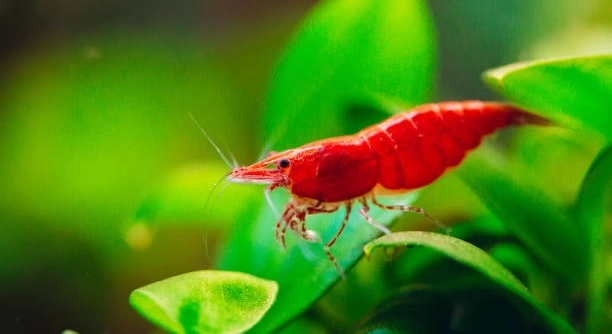
Have you ever noticed your shrimp acting differently as molting season approaches, creating small changes in their behavior that make you wonder what might be happening within their aquatic environment during these delicate transitions periods.
Observing shrimp during molting season involves monitoring shell condition, coloration changes, feeding behavior, water parameters, stress indicators, tank hygiene, movement patterns, and social interactions to ensure each shrimp undergoes a safe, healthy, and complete molt within its controlled aquatic habitat.
These details reveal important patterns in your shrimps seasonal changes, giving you insight into their needs throughout this sensitive phase.
Shell Condition and Color Changes
Understanding shell condition and color changes during molting season helps you respond with care, creating an environment where your shrimp feel supported as they move through this sensitive stage. Their bodies adjust constantly during this process, and each small shift offers clues about their overall well-being. You may notice the shell looking dull or slightly cracked as the new exoskeleton forms beneath the old one, signaling that a molt is approaching. Color may also fade a bit as energy is redirected toward growth and regeneration. These shifts are normal, yet they need monitoring because external appearance often reflects internal stability. When the shell weakens, shrimp are more vulnerable to stress, so maintaining stable water conditions becomes essential. Clean water, balanced minerals, and gentle lighting contribute to a smoother experience. Paying attention to these signs helps keep your shrimp safe and gives you confidence in supporting them during this important phase.
Watching these visible changes makes it easier to understand how your shrimp are progressing through their cycle, giving you a clearer sense of what they need as their bodies shift. Keeping a close eye on them ensures you respond quickly when something seems off during this sensitive season for them.
Noticing shell and color changes also helps you prevent avoidable stress by adjusting the environment before issues develop. When shrimp enter this fragile stage, even small disruptions can affect their comfort. Stable parameters support proper molting, so checking hardness, temperature, and cleanliness becomes especially important. Shrimp rely on these conditions to complete their cycle safely, and observing their appearance gives you early insight into their needs. These visual cues remind you to keep the tank balanced at all times, creating consistent support while their bodies work through significant internal changes. This attention helps maintain steady progress throughout the molting period.
Behavioral Shifts During Molting
Shrimp often behave differently as they prepare to molt, and these shifts can tell you a lot about how secure they feel in their space. Reduced activity, hiding, or slower feeding patterns usually signal they are conserving energy for the upcoming stage in their delicate molting phase each time period.
Behavioral changes during molting season give you valuable insight into your shrimp’s comfort and stability within the tank. As their bodies prepare for a new exoskeleton, they begin conserving energy, which naturally leads to slower movement and increased hiding. These behaviors are normal, but they require careful observation to ensure everything progresses smoothly. A shrimp that becomes unusually inactive may be signaling stress, so keeping the environment steady is essential. Proper filtration, consistent lighting, and balanced minerals create a setting that supports healthy molting rhythms. Many shrimp also reduce their appetite before shedding, using their energy instead to strengthen the developing exoskeleton beneath the surface. This shift can appear concerning if you are not familiar with the process, but steady conditions help them move through it safely. When molting begins, shrimp often seek sheltered spots, giving their vulnerable bodies added protection. Providing plants, small structures, and gentle hiding places allows them to feel secure without adding unnecessary stress. Watching these behaviors helps you understand their needs more clearly, allowing you to adjust the tank when needed. With stable care, your shrimp complete their cycles with fewer complications and regain their normal behavior once their new shell fully hardens at last.
Environmental Stress Indicators
Environmental stress signs often appear quickly during molting season, and noticing them early helps keep everything stable. Subtle behaviors like restlessness or avoidance of certain areas often reflect small imbalances that need attention before they begin affecting the shrimp more seriously.
Water parameters play a major role in how well shrimp handle their molting cycle, and even slight fluctuations can impact their comfort. Ammonia, nitrite, and nitrate levels should remain low, while temperature and mineral balance must stay consistent to support proper shell development. When these conditions shift, shrimp may show visible stress like rapid movement, surface hovering, or sudden hiding. These small signals help you understand what needs correcting in the tank before the situation becomes more difficult. Keeping the habitat calm and predictable allows shrimp to progress through their cycle smoothly, without struggling through unnecessary environmental pressures that could slow their development.
Maintaining stable filtration also supports shrimp during this sensitive stage, especially when their bodies are more vulnerable. Strong or inconsistent water flow can unsettle them, causing extra stress that interferes with healthy molting. Gentle movement throughout the tank helps them feel secure and reduces the likelihood of complications. Regular testing and small, careful water changes prevent unnecessary spikes in parameters that shrimp may react to quickly. Paying attention to these elements helps create a balanced space where they can molt safely. This steady approach allows them to stay calm, adjust comfortably, and regain their strength once the new shell fully develops.
Feeding Behavior Adjustments
Feeding changes provide early insight into how shrimp are progressing through their cycle, especially when their appetite slows before molting begins. Reduced interest in food often means they are conserving energy, and it helps you understand how their body is preparing for the upcoming transition.
Shrimp rely on a dependable feeding routine to keep their energy stable throughout the cycle, but they often shift their habits as molting approaches. Softer or smaller foods may appeal more during this stage because they require less effort to process while their bodies concentrate on forming the new exoskeleton. When their appetite drops, it is important not to overfeed, since leftover food can disrupt water quality and create unnecessary stress. Maintaining a light, consistent feeding schedule supports their digestive balance without overwhelming the tank. Observing these changes also helps you detect any unusual patterns, allowing you to adjust care quickly when something seems different. Keeping the water clean and the food portions controlled ensures the shrimp remain comfortable while their bodies work through the demanding molting process.
Water Parameter Stability
Stable water conditions keep shrimp comfortable during their cycle, especially when their bodies weaken before shedding. Small shifts in temperature, hardness, or pH can affect their progress, so keeping everything consistent helps them move through this sensitive stage without unnecessary pressure.
Testing the water regularly ensures you catch small changes before they impact your shrimp. Balanced minerals, clean filtration, and careful maintenance support their shell formation while preventing stress. These steady conditions help them stay calm and allow their bodies to work through each step safely.
Tank Cleanliness and Waste Control
A clean tank protects shrimp from stress during molting since waste buildup can interfere with their stability. Removing debris, trimming plants, and keeping filters steady helps create an environment where they can molt without struggling against unnecessary disruptions or irregularities throughout the process.
Social Interactions and Space Needs
Social behavior shifts during molting, and giving shrimp enough space prevents unnecessary tension. Extra hiding spots or gentle coverage helps them feel secure while they recover and gives them a calm area where their new shell can strengthen without interference from other tank mates nearby.
FAQ
How often should I check my shrimp during molting season?
During molting season, frequent observation is essential. Checking your shrimp daily helps you notice changes in behavior, color, or shell condition. Small adjustments to water parameters or feeding can make a significant difference in their safety and comfort during this sensitive phase.
What signs indicate a shrimp is about to molt?
Shrimp show several clear signals before molting. Their shells may appear dull or slightly opaque, colors may fade, and they often hide more than usual. Reduced appetite and slower movements are also common, reflecting energy conservation while their new exoskeleton develops beneath the old shell.
Can I feed my shrimp normally during molting?
Feeding needs change during molting. Shrimp often eat less or prefer softer foods that require minimal effort to digest. Overfeeding can pollute the water and stress them further. Offering small, frequent portions of easily digestible foods keeps them nourished without disrupting water quality.
Is it normal for shrimp to hide more often?
Yes, hiding increases as they prepare to molt. Shrimp instinctively seek shelter to protect their vulnerable bodies during this period. Providing hiding spots, plants, or small structures helps reduce stress and ensures they feel secure while their new shells harden.
What water parameters are most critical during molting?
Temperature, pH, hardness, and mineral content are especially important. Small fluctuations can stress shrimp and affect their ability to molt successfully. Consistent monitoring and gradual adjustments help maintain a stable environment that supports healthy shell formation and overall well-being.
How do I know if a molt went wrong?
Problems can include incomplete shedding, stuck exoskeleton pieces, or discoloration. A shrimp struggling after molting may appear lethargic, weak, or unable to move properly. Prompt action, such as ensuring water parameters are optimal and minimizing stressors, can reduce complications and support recovery.
Can tank mates harm shrimp during molting?
Yes, other shrimp or fish may stress or even attack a molting shrimp. Providing hiding spaces and monitoring interactions helps reduce risk. Some keepers separate vulnerable shrimp temporarily to ensure safety until the new exoskeleton hardens.
What should I do if a shrimp refuses to eat?
Temporary appetite loss is normal before molting. Offer soft foods, but avoid forcing feeding. Focus on maintaining clean water and stable parameters. Once the molt completes, feeding usually resumes naturally, supporting energy recovery and growth.
How long does it take for a new exoskeleton to harden?
The process varies depending on species, age, and water conditions but generally takes several hours to a few days. During this time, shrimp remain vulnerable, so minimizing disturbances and maintaining optimal water conditions is critical for a successful recovery.
Can I prevent molting problems entirely?
While molting is natural, problems can be minimized by maintaining clean water, stable parameters, and a calm environment. Observing behavior, providing proper nutrition, and offering hiding spots all reduce risks, allowing shrimp to molt safely and maintain healthy growth throughout their cycle.
Are there special foods that help during molting?
High-calcium or mineral-rich foods support shell development. Supplements or specialized shrimp foods can strengthen the exoskeleton and reduce the risk of incomplete molts. Providing these in moderation ensures nutritional support without overwhelming the tank or water quality.
Is stress the biggest factor in molting issues?
Stress is a primary concern. Environmental changes, aggressive tank mates, or poor water quality can all interfere with proper molting. Minimizing disturbances, monitoring water conditions, and ensuring enough space for each shrimp helps them molt without complications.
How do I handle a shrimp stuck in its old shell?
Careful intervention may be required if a shrimp struggles excessively. Some keepers gently assist using clean tools, but extreme caution is necessary to avoid injury. Focus first on maintaining ideal water conditions and reducing stress to help natural completion whenever possible.
What are common mistakes during molting season?
Overfeeding, inconsistent water parameters, poor tank cleanliness, and overcrowding are frequent issues. Ignoring early signs like hiding or shell discoloration can lead to complications. Regular observation and careful, gradual adjustments prevent problems and support healthier molting cycles.
Can molting affect shrimp growth?
Yes, successful molting is essential for growth. Each molt allows the shrimp to increase in size and replace worn shells. Stress, poor nutrition, or environmental instability can slow growth or lead to incomplete molts, affecting long-term health and size development.
How do I support multiple shrimp molting at the same time?
Monitor each shrimp closely for stress or behavioral changes. Ensure ample hiding spaces and maintain stable water conditions. Feeding smaller, frequent portions helps reduce competition and prevents water quality issues. Keeping the tank balanced allows multiple shrimp to molt safely together.
What should I avoid during molting season?
Avoid sudden water changes, aggressive tank mates, and heavy handling. Strong lighting or excessive movement in the tank can also stress shrimp. Minimizing disturbances ensures they can focus energy on successful molting and proper exoskeleton formation.
Can I tell age or health from molting frequency?
You can gain insights from molting patterns. Younger shrimp molt more frequently as they grow, while older shrimp molt less often. Irregular or missed molts may indicate stress, disease, or suboptimal water conditions, signaling a need for closer observation and care adjustments.
Are there signs of stress besides hiding or appetite changes?
Other signs include erratic swimming, clinging to surfaces, color fading, or staying near filters. Observing these behaviors early allows you to adjust the environment, feeding, or tank dynamics to prevent molting complications and support overall shrimp health.
How can I track molting progress effectively?
Maintaining a visual log or notes helps track each shrimp’s cycle. Recording appearance, behavior, and feeding patterns allows you to anticipate needs, spot irregularities early, and ensure interventions are timely, helping every shrimp complete the process safely.
Final Thoughts
Molting is a natural and essential part of a shrimp’s life cycle. It allows them to grow, repair damaged tissue, and maintain a healthy exoskeleton. Observing shrimp during this period can feel a little stressful at first, especially when they hide or eat less than usual. These behaviors are normal and indicate that their bodies are conserving energy for the upcoming molt. Paying attention to these subtle changes gives insight into their overall health and helps you respond appropriately to their needs. Maintaining clean water, stable temperatures, and consistent mineral levels supports them through this process, reducing the chances of complications and ensuring that each shrimp can molt safely.
Every aspect of their environment plays a role in successful molting. Factors like water quality, tank cleanliness, feeding habits, and social dynamics all interact to create conditions where shrimp can thrive. Even small imbalances can affect their progress, so regular monitoring is important. Observing shell color, movement patterns, and appetite helps identify when adjustments are necessary. Providing hiding spots and gentle tank features allows shrimp to feel secure while their new exoskeleton hardens. It is also important to avoid unnecessary disturbances during this time, as stress can interfere with their natural cycle. Consistency in care is often more effective than frequent interventions, allowing shrimp to complete their molt without added pressure.
Understanding shrimp molting is about patience and attention. Each shrimp may respond differently depending on age, size, and individual behavior, so adapting care to meet their specific needs is key. Noticing subtle shifts in behavior or appearance can prevent serious issues before they occur. By maintaining a stable environment and observing carefully, shrimp can progress through each stage of molting with minimal stress. Supporting them through these periods not only ensures their health but also encourages steady growth and strong exoskeleton development over time. With careful observation, consistent care, and patience, molting becomes a predictable and manageable part of shrimp keeping, allowing them to thrive naturally in their aquatic habitat.

Hello,
If you enjoy the content that we create, please consider saying a "Thank You!" by leaving a tip.
Every little bit helps us continue crafting quality advice that supports the health, happiness, and well-being of pets around the world, for pets of all shapes, sizes, and species.
We really appreciate the kindness and support that you show us!