
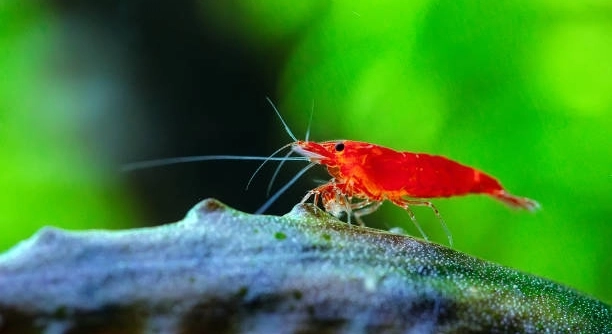
Do you ever find yourself wanting your shrimp tank to flourish but struggle with unpredictable breeding results? Managing a healthy shrimp colony requires attention to water conditions, diet, and tank environment to support successful reproduction.
Successful shrimp breeding depends on maintaining stable water parameters, providing a balanced diet, and optimizing tank conditions. Proper temperature, pH, filtration, and regular monitoring significantly improve survival rates, growth, and reproduction, ensuring a thriving and productive shrimp colony.
Understanding these key factors can transform your shrimp breeding efforts, making the process more consistent and rewarding for both hobbyists and dedicated aquarists.
Choosing the Right Shrimp Species
Selecting the right shrimp species is the first step toward successful breeding. Different species have varying requirements for water parameters, temperature, and diet, which can greatly impact their reproductive success. Popular species like Cherry Shrimp, Crystal Red Shrimp, and Amano Shrimp are often recommended for beginners due to their hardiness and adaptability. Understanding the specific needs of your chosen species allows you to create a stable environment that supports growth and reproduction. It is also important to consider compatibility if you plan to keep multiple species together. Aggressive or territorial species can stress others, reducing breeding efficiency. Additionally, some species are more sensitive to water chemistry changes, requiring careful monitoring and adjustment. By researching and choosing a species that fits your experience level and tank conditions, you can set the foundation for a thriving shrimp colony. Ensuring these initial conditions are met increases your chances of achieving consistent breeding results.
Choosing the right species simplifies care and improves breeding outcomes, making the process more manageable and rewarding over time.
Understanding species-specific requirements allows for tailored feeding, tank setup, and water management, which directly influences survival rates, growth, and reproduction success.
Maintaining Optimal Water Conditions
Water quality is a major factor in shrimp health and reproduction. Stable parameters, including temperature, pH, hardness, and ammonia levels, are critical. Frequent water changes and proper filtration help maintain cleanliness without shocking the shrimp. Sudden fluctuations in water conditions can stress shrimp, reducing fertility and increasing mortality. Using a reliable test kit ensures you can monitor key parameters and adjust them as needed. Soft water species may require RO water with mineral additives, while hard water species benefit from naturally mineral-rich water. Temperature consistency is also essential; most freshwater shrimp thrive between 22–26°C. Beyond chemical balance, providing plenty of hiding spaces and plants helps shrimp feel secure, encouraging natural breeding behavior. A well-maintained tank mimics their natural habitat, supporting both adult shrimp and juvenile survival. By carefully controlling the environment, you create conditions that favor healthy growth and increase the likelihood of successful breeding.
Consistently monitoring and adjusting water parameters prevents stress and promotes a stable, productive shrimp population.
Maintaining optimal water conditions involves more than just keeping the tank clean. Water chemistry, temperature, and hardness all influence shrimp metabolism and reproduction. Ammonia, nitrites, and nitrates must be kept low, as even minor spikes can hinder growth or cause deaths. Filtration should be gentle yet effective, avoiding strong currents that can harm delicate shrimp. Plants, mosses, and hiding spots reduce stress and provide surfaces for biofilm, which serves as a natural food source for shrimplets. Regular partial water changes help remove toxins while replenishing essential minerals. Understanding the balance between chemical stability and environmental enrichment ensures shrimp remain healthy and ready to breed. Observing shrimp behavior and adjusting tank conditions in response allows for proactive care, minimizing problems before they affect breeding. Over time, these practices lead to a self-sustaining tank where shrimp thrive naturally and consistently.
Providing a Balanced Diet
A varied diet ensures shrimp receive all nutrients needed for growth and reproduction. Combining high-quality commercial foods with natural supplements like algae and biofilm improves overall health and breeding success. Overfeeding should be avoided to prevent water quality issues and stress.
Feeding shrimp a balanced diet directly affects their reproductive capacity and the health of offspring. Commercial shrimp pellets and flakes supply essential proteins, vitamins, and minerals. Supplementing with fresh vegetables, such as blanched zucchini or spinach, adds fiber and micronutrients. Biofilm and algae in the tank provide a natural, constant food source, especially for juveniles. Feeding small amounts multiple times a day mimics natural grazing and reduces waste accumulation. Avoid sudden diet changes, as shrimp are sensitive and may stop eating or become stressed. Consistent, varied nutrition strengthens the immune system, encourages molting, and supports higher egg production, improving the success of your breeding efforts.
Providing the right nutrition goes beyond feeding; it requires observing shrimp behavior, adjusting portions, and offering foods that support natural grazing habits. This consistency promotes healthy growth and optimal reproduction rates.
Managing Tank Population
Maintaining an appropriate shrimp population prevents overcrowding, which can lead to stress and poor water quality. Keeping density moderate ensures each shrimp has space, reducing competition and increasing survival rates.
Overcrowded tanks increase aggression and stress, both of which negatively impact breeding. Juveniles may be outcompeted for food, slowing growth and weakening their immune systems. Adults may also experience delayed molting or lower fertility under crowded conditions. Monitoring population density and separating older or aggressive shrimp when necessary helps maintain a stable environment. Additionally, tank filtration and water changes must be adjusted to support population size, preventing ammonia and nitrate buildup. By controlling population density, shrimp have better access to food, hiding spots, and mating opportunities. This careful management leads to higher survival rates for both adults and offspring, ensuring the colony remains healthy and productive.
Population management includes observing shrimp interactions, planning tank expansion, and making adjustments before overcrowding causes stress or reduces breeding success. Proper balance maintains a thriving, self-sustaining colony.
Providing Hiding Spaces
Shrimp need hiding spaces to feel secure, especially during molting. Plants, moss, and small decorations give them shelter from stress and potential aggression, supporting healthy growth and reproduction.
Hiding spots reduce stress levels, which directly impacts breeding success. Juveniles and molting shrimp are particularly vulnerable, and adequate cover ensures they can survive and thrive in a stable environment.
Controlling Light and Temperature
Stable light and temperature conditions are critical for shrimp breeding. Most freshwater species thrive in moderate lighting with a consistent 22–26°C temperature range. Sudden fluctuations can stress shrimp, reduce feeding, and hinder reproductive behavior, making monitoring essential.
Regular Monitoring and Maintenance
Regular observation and tank maintenance prevent small problems from becoming major issues. Checking water parameters, removing waste, and monitoring shrimp behavior supports long-term health and consistent breeding outcomes.
What is the best water temperature for shrimp breeding?
Most freshwater shrimp species do best between 22–26°C. Maintaining a stable temperature within this range encourages healthy molting and breeding behavior. Sudden temperature swings can stress shrimp, reduce fertility, and even cause mortality. Using a reliable aquarium heater and thermometer helps keep the tank stable.
How often should I feed my shrimp?
Feeding small amounts 1–2 times per day is ideal. Shrimp naturally graze throughout the day, so providing multiple small meals prevents overfeeding and reduces waste buildup. A mix of high-quality commercial food, vegetables, and natural biofilm ensures they receive balanced nutrition.
Can I breed different shrimp species together?
It is generally not recommended. Different species have specific water and dietary requirements, and some may be territorial. Breeding multiple species in the same tank can increase stress, reduce reproductive success, and make population management difficult.
How do I know if my shrimp are ready to breed?
Female shrimp ready to breed will often display a saddle behind their head, which is the developing eggs in their ovaries. After mating, females carry eggs under their abdomen until hatching. Healthy males are typically active and have a slightly slimmer body shape.
How important is water quality for shrimp breeding?
Water quality is critical. Parameters such as ammonia, nitrites, nitrates, pH, and hardness directly affect shrimp survival and reproduction. Frequent testing and partial water changes keep the environment stable. Soft water species may need mineral supplementation, while hard water species thrive in naturally mineral-rich water.
Do shrimp need hiding spots to breed successfully?
Yes. Plants, moss, and decorations provide shelter, especially for molting shrimp and juveniles. Hiding spaces reduce stress, prevent predation within the tank, and encourage natural behavior, all of which improve breeding success.
How can I tell if eggs are healthy?
Healthy eggs are firm, round, and usually a golden or greenish color, depending on species. They remain attached to the female’s abdomen until hatching. Darkening or shriveling eggs may indicate stress, poor water quality, or inadequate nutrition.
Can shrimp breed in a small tank?
Yes, but careful management is required. Overcrowding increases stress, reduces water quality, and may limit food availability. Maintaining moderate population density and monitoring water parameters closely ensures shrimp can breed successfully even in smaller setups.
What do baby shrimp eat?
Shrimplets feed on biofilm, algae, and microscopic particles in the water. Providing moss, fine algae wafers, and occasional blanched vegetables supports growth. Avoid large commercial pellets initially, as they can be difficult for juveniles to consume.
How long does it take for eggs to hatch?
Hatching time depends on species and water conditions. Most freshwater shrimp eggs take 2–4 weeks to hatch. Maintaining stable water temperature, quality, and a stress-free environment ensures higher hatching rates and healthier juveniles.
Is it necessary to separate adults from juveniles?
Not always, but separating can prevent competition for food and reduce stress. Juveniles are more vulnerable during molting, and adults may outcompete them for resources. Creating multiple hiding spots helps keep all age groups safe without full separation.
Can shrimp breed without live plants?
Shrimp can survive without live plants, but plants provide natural grazing surfaces, shelter, and improved water quality. Mosses, floating plants, and leaf litter create an environment that encourages natural breeding behavior and supports juvenile survival.
How often should I check water parameters?
Checking parameters weekly is sufficient for established, stable tanks. Newly set-up tanks or populations showing stress may require more frequent monitoring. Key parameters include ammonia, nitrites, nitrates, pH, and general hardness. Regular observation helps catch problems early.
Do shrimp need special lighting to breed?
Moderate, consistent lighting is sufficient. Too much light can encourage algae growth, while too little may reduce plant growth and biofilm availability. Maintaining a stable day-night cycle supports shrimp activity and natural breeding behavior.
What signs indicate breeding problems?
Stress, inactivity, molting issues, low fertility, and egg loss are common indicators. Poor water quality, improper diet, temperature fluctuations, or overcrowding are often responsible. Identifying the cause quickly allows corrective action to improve breeding success.
How can I improve breeding success if eggs fail to hatch?
Check water parameters, diet, temperature, and tank density. Ensuring females are healthy and stress-free improves fertility. Providing hiding spaces and consistent environmental conditions increases egg viability and hatching rates.
Can shrimp breed year-round?
Yes, under stable conditions. Maintaining proper temperature, water quality, and nutrition allows continuous breeding. Seasonal fluctuations or inconsistent tank maintenance can temporarily slow or stop reproduction, so stability is essential.
Do males and females look different?
Females are usually larger with a more rounded abdomen to carry eggs. Males are slimmer, smaller, and often more active. Recognizing these differences helps in managing breeding pairs and monitoring reproductive activity.
How long until juveniles reach maturity?
Growth rates vary by species and water conditions. Most shrimp reach maturity in 2–4 months under optimal conditions. Adequate nutrition, stable water parameters, and low stress accelerate development and prepare juveniles for breeding.
What are common mistakes to avoid in shrimp breeding?
Overfeeding, overcrowding, poor water quality, sudden temperature changes, and insufficient hiding spaces are frequent errors. Addressing these issues prevents stress, improves survival rates, and ensures consistent breeding outcomes for all shrimp in the tank.
This FAQ covers essential concerns and practical tips for maintaining a healthy, productive shrimp colony while avoiding common pitfalls in breeding practices. Proper observation, consistent care, and patience are key for long-term success.
Breeding shrimp can be very rewarding when done carefully and consistently. Success depends on understanding the basic needs of the shrimp and providing a stable environment. Water quality is one of the most important factors. Parameters such as temperature, pH, hardness, and ammonia levels must be maintained within the recommended range for the species you are keeping. Regular water changes and gentle filtration help keep the tank clean without stressing the shrimp. Observing shrimp behavior is also essential. Watching for signs of stress, molting problems, or unusual activity can help identify issues before they affect reproduction. By paying attention to these details, you create a safe and stable environment that encourages shrimp to breed naturally and maintain a healthy population.
Nutrition plays a key role in breeding success. Feeding a balanced diet with a mix of commercial shrimp food, fresh vegetables, and natural sources like algae or biofilm ensures the shrimp have the nutrients needed for growth, molting, and reproduction. Small, frequent meals are better than large, infrequent feedings, as they reduce waste buildup and mimic natural grazing behavior. Overfeeding can harm water quality, while underfeeding may slow growth and reduce fertility. Providing hiding spaces in the tank also supports breeding. Plants, moss, and small decorations allow shrimp to feel secure, especially during molting. These areas give juveniles safe spaces to grow and develop without competition or stress from adults.
Population management and consistent monitoring complete the approach for successful shrimp breeding. Maintaining moderate density prevents overcrowding, which can lead to stress, competition for food, and lower survival rates. Checking water parameters regularly and making adjustments when needed ensures the environment remains stable. Temperature, light cycles, and tank maintenance routines all contribute to the overall health of the shrimp. Following these practices, along with observing shrimp behavior and responding to their needs, will improve reproductive success. Over time, these efforts result in a thriving colony with healthy adults and juveniles, making shrimp breeding both predictable and rewarding.

Hello,
If you enjoy the content that we create, please consider saying a "Thank You!" by leaving a tip.
Every little bit helps us continue crafting quality advice that supports the health, happiness, and well-being of pets around the world, for pets of all shapes, sizes, and species.
We really appreciate the kindness and support that you show us!