
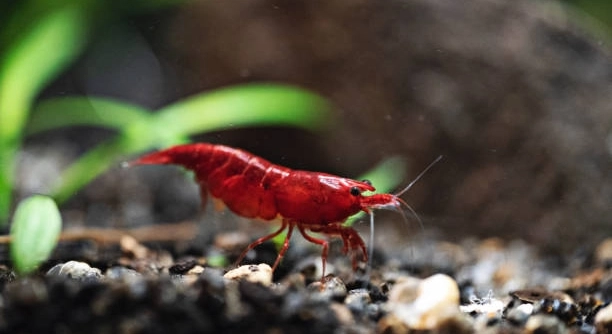
Are your shrimp moving around actively and exploring their environment? Observing shrimp behavior is a simple way to gauge their well-being. Healthy shrimp tend to show consistent activity, interact with their surroundings, and maintain normal swimming patterns.
Shrimp behaviors such as steady swimming, regular feeding, frequent antenna movement, and proper molting indicate a stable and healthy environment. Consistent activity and interaction with their habitat reflect that water conditions, nutrition, and overall care are adequate for their survival.
Monitoring these subtle behaviors helps ensure your shrimp thrive and remain vibrant in their aquatic home. Recognizing these signs allows for timely adjustments in care and maintenance.
Steady Swimming and Exploration
Watching shrimp swim around their tank is one of the clearest indicators that everything is fine. Healthy shrimp move with purpose, exploring the corners of the tank and interacting with surfaces and plants. They rarely stay in one spot for long unless resting, and their movements are smooth rather than jerky. Shrimp that are consistently active signal that water quality is stable, oxygen levels are adequate, and the temperature suits their species. Observing swimming patterns over time also allows you to notice small changes that could indicate stress or illness early.
Active shrimp often use their environment to forage, brushing over plants and substrate. This consistent movement and exploration reflect proper health and comfort in their habitat.
Regular swimming and exploration are more than just physical activity. These behaviors help shrimp find food, maintain social interactions, and strengthen their exoskeletons through movement. Over time, consistent observation of these actions builds confidence that their habitat is stable and safe. It also helps in understanding each shrimp’s unique patterns and preferences.
Antenna Movement
Shrimp antennae are constantly moving and sensing their surroundings. Healthy shrimp use them to detect food, objects, and other shrimp in the tank.
The movement of antennae is a direct sign that shrimp are alert and engaged. Inactivity or drooping antennae may indicate stress, poor water conditions, or illness. Regular, rhythmic antenna movement demonstrates that shrimp are comfortable and responsive to their environment.
Antennae serve as the shrimp’s primary sensory tool, helping them navigate and understand their surroundings. They can detect vibrations, chemicals, and changes in water quality. Watching antenna behavior can reveal subtle shifts in health before other signs appear. When shrimp actively wave and probe with their antennae, it shows they are feeding well, interacting with others, and reacting normally to stimuli. Noticing consistent antenna motion across the tank reassures that all individuals are thriving. It also highlights the importance of maintaining clean water and suitable conditions, as stressed shrimp often reduce this critical activity. Proper observation ensures timely adjustments and supports their ongoing health.
Regular Feeding Habits
Shrimp that eat consistently and actively show they are healthy. They approach food quickly and consume it steadily without hesitation or aggression.
Consistent feeding is a sign that shrimp feel secure and their environment meets their needs. Healthy shrimp will explore for food throughout the day, nibbling on algae, pellets, or vegetables. This regular behavior demonstrates that water quality is stable, and their digestive system is functioning properly. Shrimp that suddenly stop eating or show selective feeding may be stressed, ill, or experiencing changes in water chemistry. Observing feeding patterns daily helps track their overall health and ensures each shrimp gets proper nutrition.
Feeding behavior also reflects social balance in the tank. Healthy shrimp distribute themselves evenly around food sources, with no prolonged hiding or bullying. Watching how shrimp feed together can show how comfortable they are with each other and their surroundings. Active foraging also encourages movement, supporting muscle tone and maintaining a healthy exoskeleton. These habits create a natural rhythm in the tank, allowing you to anticipate their needs and maintain their habitat effectively.
Molting Frequency
Healthy shrimp molt regularly, shedding old exoskeletons to grow. Missing or irregular molts can indicate stress or poor conditions.
Molting is a critical process for shrimp growth and survival. Regular molts show that water quality, nutrition, and tank conditions are appropriate. After a molt, shrimp often hide temporarily to harden their new exoskeleton. Observing consistent molting patterns helps ensure shrimp are thriving and not experiencing deficiencies or environmental stress. Shrimp that molt on schedule are likely receiving enough calcium and other nutrients essential for healthy growth.
The timing and frequency of molting vary by species and individual shrimp age. Young shrimp molt more often as they grow quickly, while adults molt less frequently. Healthy molting cycles also depend on stable water temperature, pH, and hardness. Tanks with irregular water changes or fluctuating parameters may cause delayed or failed molts. Monitoring molting helps identify potential health issues early, allowing for adjustments in diet or tank maintenance. Regular observation ensures that shrimp continue their growth naturally and remain active, healthy, and vibrant in their environment.
Interaction with Tank Mates
Shrimp that mingle calmly with others indicate a stable environment. They avoid aggression and maintain personal space while still exploring together.
Peaceful social behavior shows shrimp are comfortable and not stressed. Healthy shrimp often follow each other or forage in groups without conflict, demonstrating balance in the tank hierarchy.
Grooming and Cleaning
Shrimp frequently clean their bodies and antennae. This grooming helps remove debris, algae, and parasites. Healthy shrimp perform this behavior regularly, indicating comfort and well-being.
Regular grooming ensures shrimp maintain a healthy exoskeleton and proper sensory function. Cleaning also reduces the risk of infections and supports overall vitality. Observing consistent grooming is a strong sign that shrimp are thriving in their environment.
Vibrant Coloration
Bright, consistent coloration signals shrimp health. Pale or dull colors may indicate stress, poor diet, or water issues.
FAQ
How do I know if my shrimp are healthy?
Healthy shrimp show steady swimming, regular feeding, active antenna movement, and frequent grooming. They interact calmly with tank mates and molt on a consistent schedule. Bright, consistent coloration and exploration of their environment are also strong signs of well-being. Monitoring these behaviors daily helps ensure shrimp remain healthy.
What does it mean if shrimp hide a lot?
Shrimp that hide excessively may be stressed, experiencing poor water quality, or molting. Hiding during or shortly after a molt is normal, but constant hiding can indicate insufficient food, high ammonia or nitrite levels, or aggressive tank mates. Checking water parameters and observing tank conditions can help address these issues.
Why is molting important for shrimp?
Molting allows shrimp to grow by shedding their old exoskeleton and forming a new one. Regular molting indicates proper nutrition and stable water conditions. Irregular or failed molts may suggest stress, mineral deficiencies, or poor water quality, which should be corrected promptly to avoid health problems.
How often should shrimp feed?
Shrimp feed throughout the day, grazing on algae, biofilm, or prepared foods. Consistent feeding patterns indicate comfort and health. Overfeeding can pollute the tank, while underfeeding may slow growth. Observing feeding behavior helps ensure each shrimp receives adequate nutrition without compromising water quality.
Can shrimp live with other species?
Shrimp can coexist with peaceful fish or invertebrates that do not view them as prey. Aggressive tank mates can cause stress, hiding, or injuries. Choosing compatible species and providing hiding spaces helps maintain social balance and reduces risk to shrimp health.
What does color change indicate in shrimp?
Vibrant, consistent colors usually reflect good health. Pale, faded, or uneven colors may signal stress, disease, or poor water quality. Proper diet, stable water parameters, and a stress-free environment help maintain natural coloration and overall vitality.
How do I prevent shrimp stress?
Maintaining stable water parameters, providing hiding spots, feeding appropriately, and avoiding aggressive tank mates reduces stress. Regular observation of behavior and adjusting conditions promptly ensures shrimp remain comfortable and active in their environment.
What are signs of illness in shrimp?
Ill shrimp may stop eating, hide constantly, show erratic swimming, or lose color. They may also fail to molt properly or develop fungal or bacterial infections. Early detection through behavior observation and water testing allows for faster treatment and recovery.
Is it normal for shrimp to explore constantly?
Yes, regular exploration shows curiosity, comfort, and active foraging. Shrimp that remain stationary for long periods may be stressed or ill. Watching how they move around the tank provides insight into their health and comfort level.
How can I encourage natural shrimp behavior?
Provide a balanced diet, stable water conditions, hiding places, and a well-planted tank. Avoid sudden changes, overcrowding, and aggressive species. Allowing shrimp to forage, molt, and interact naturally supports their physical health and mental well-being.
How often should I check on shrimp behavior?
Daily observation is recommended. Noticing changes in swimming, feeding, or social interactions helps detect potential issues early. Consistent monitoring ensures timely adjustments to water quality, feeding, or tank setup to maintain shrimp health and happiness.
Can shrimp recover from stress or illness?
Yes, with prompt attention to water quality, diet, and tank conditions. Isolating sick individuals, correcting environmental issues, and providing proper nutrition often allow shrimp to recover fully. Early intervention is key to preventing permanent damage or mortality.
Why do shrimp wave their antennae constantly?
Active antenna movement is normal and indicates alertness. Shrimp use antennae to sense food, detect changes in water chemistry, and communicate with other shrimp. Reduced movement may indicate stress, illness, or poor water conditions. Monitoring this behavior helps assess overall health.
What should I do if a shrimp stops eating?
Check water parameters first, as poor conditions often reduce appetite. Ensure food is fresh and appropriate for the species. Observe for stress or illness and separate the shrimp if necessary. Addressing environmental or health issues promptly encourages a return to normal feeding behavior.
How do I maintain optimal water conditions for shrimp?
Regular water changes, monitoring pH, ammonia, nitrite, nitrate, and temperature are essential. Avoid sudden fluctuations and overstocking. A stable, clean environment supports healthy shrimp behavior, proper molting, and vibrant coloration. Using filtration and live plants can also improve water quality naturally.
Can I tell shrimp age by behavior?
Younger shrimp molt more frequently and are more active, while adults move steadily and molt less often. Observing growth, feeding, and activity patterns provides insight into age and developmental stage without intrusive measures.
How do I encourage molting in shrimp?
Provide a balanced diet rich in calcium and minerals, maintain stable water parameters, and avoid stress. Proper hiding spots during molts allow shrimp to safely harden their new exoskeleton, promoting regular growth and health.
What are the most important signs that everything is fine?
Steady swimming, active foraging, regular feeding, proper molting, bright coloration, grooming, and peaceful social behavior indicate shrimp are healthy and comfortable in their habitat. Monitoring these behaviors ensures early detection of any issues before they become serious.
How can I prevent sudden shrimp deaths?
Maintain consistent water parameters, avoid overfeeding, and prevent aggressive tank mates. Regular observation and care reduce stress, encourage proper molting, and support overall health, minimizing the risk of sudden mortality.
Are some behaviors more important to watch than others?
All core behaviors—swimming, feeding, molting, grooming, and antenna movement—are essential indicators of shrimp health. Changes in any of these behaviors can reveal environmental or health problems, making daily observation crucial for maintaining a thriving tank.
What is the best way to observe shrimp without stressing them?
Move slowly and avoid tapping the glass. Observing during feeding times or from a distance allows natural behavior to appear. A well-planted tank with clear water helps you watch shrimp comfortably without causing stress.
Can shrimp adapt to small changes in their tank?
Shrimp tolerate minor fluctuations, but large or sudden changes in temperature, pH, or water chemistry can cause stress. Gradual adjustments and careful monitoring help shrimp adapt safely while maintaining normal behaviors.
How do I know if shrimp are comfortable with each other?
Healthy social behavior includes calm interaction, shared foraging, and minimal aggression. Shrimp that constantly chase or fight may need more space, hiding spots, or compatible tank mates to reduce stress and support well-being.
Are shrimp behaviors consistent throughout the day?
Shrimp activity can vary, with peaks during feeding or light changes. Consistent patterns in swimming, feeding, and grooming throughout the day indicate stable health, while sudden inactivity or erratic behavior may signal problems.
How can I tell if shrimp are stressed by water quality?
Signs of stress include reduced movement, hiding, loss of color, and refusal to eat. Testing water parameters and observing behavior regularly allows you to correct issues before they affect shrimp health.
Observing shrimp behavior is one of the simplest ways to ensure they are healthy and thriving. Steady swimming, active antenna movement, regular feeding, and proper grooming are all signs that shrimp are comfortable in their environment. These behaviors show that water quality, temperature, and nutrition are appropriate, allowing shrimp to move freely, explore their tank, and interact safely with other inhabitants. Paying attention to these details daily helps identify potential issues early, which can prevent illness or stress. Shrimp that display normal behaviors consistently are likely receiving the care they need, and this observation forms the foundation for maintaining a balanced and stable aquatic habitat.
Molting is another key behavior to monitor, as it is essential for shrimp growth and health. Healthy shrimp molt on a regular schedule, shedding their old exoskeleton and forming a new one to accommodate growth. Irregular or failed molts can indicate stress, poor nutrition, or unsuitable water conditions. By observing molting frequency and behavior, it becomes possible to adjust diet, water parameters, or tank setup to better support shrimp health. Grooming behaviors also reflect overall comfort and well-being, helping shrimp maintain a clean exoskeleton and functional sensory organs. Together, these behaviors provide a clear picture of how well shrimp are adapting to their habitat.
Social interactions, feeding habits, and vibrant coloration further indicate that shrimp are thriving. Peaceful behavior with tank mates, steady and enthusiastic feeding, and bright, consistent colors all reflect a healthy and balanced environment. Shrimp that explore, forage, and interact naturally are not only healthy but also engaged with their surroundings. Regular observation of these behaviors allows caretakers to maintain water quality, nutrition, and tank conditions in a way that supports both individual and group health. By paying close attention to these subtle signs, it is possible to create a stable and enriching environment where shrimp can continue to grow, thrive, and display the natural behaviors that indicate their well-being.

Hello,
If you enjoy the content that we create, please consider saying a "Thank You!" by leaving a tip.
Every little bit helps us continue crafting quality advice that supports the health, happiness, and well-being of pets around the world, for pets of all shapes, sizes, and species.
We really appreciate the kindness and support that you show us!