
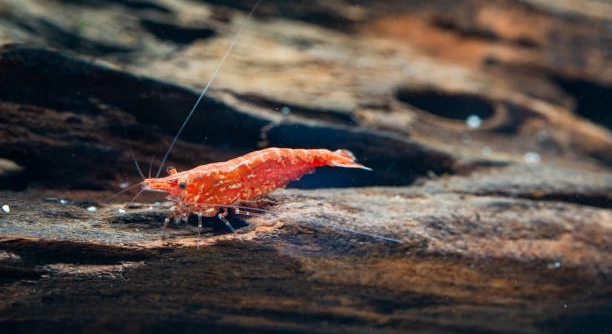
Do your cherry shrimp seem unusually calm after finishing their meal? Many shrimp owners notice this behavior and wonder if it is a sign of health or just a normal part of their routine.
Cherry shrimp often act sleepy after feeding due to the digestive process and energy allocation. After consuming food, their bodies focus on breaking down nutrients, which temporarily reduces activity levels and causes them to rest more than usual.
Understanding this behavior can help you care for your shrimp properly. Observing their post-feeding patterns ensures a healthier, more balanced aquarium environment.
Why Cherry Shrimp Slow Down After Eating
After feeding, cherry shrimp often slow down noticeably. This behavior is usually tied to digestion. Their tiny bodies need to process the food, which requires energy. During this time, they may rest on leaves, substrate, or decorations. It is normal to see them moving less, appearing almost sleepy. Overfeeding can exaggerate this effect, making them stay in one place for longer than usual. Water temperature also affects activity. Cooler water slows metabolism, which may make shrimp appear more lethargic after eating. Observing their routine can help you determine if their resting behavior is typical or a sign of stress. They may also change positions to find safer or more comfortable spots while digesting. This period of low activity is temporary and usually lasts a few hours. It is important not to disturb them too much during this time.
Feeding smaller portions more frequently can reduce prolonged resting and keep shrimp active throughout the day.
Monitoring water quality is crucial for overall shrimp health. Consistent conditions help maintain normal digestion and activity patterns, keeping them vibrant and responsive.
Factors That Influence Post-Feeding Behavior
Activity levels after meals can vary depending on several environmental and biological factors. Temperature, tank size, and plant coverage all play a role in how much shrimp move.
Shrimp behavior after eating is influenced by diet, water parameters, and social interactions within the tank. High-protein foods may make shrimp more energetic initially, followed by longer resting periods. Plants and hiding spaces provide security, encouraging them to settle down while digesting. Stress or sudden changes in the tank environment can exaggerate lethargy. Even lighting can have subtle effects, with bright light sometimes causing them to retreat into shaded areas. Regular monitoring helps ensure these patterns remain normal. Observation over time reveals natural rhythms, helping differentiate between temporary rest and potential health concerns. Consistent water testing, careful feeding, and understanding their social dynamics allow you to maintain a calm, healthy aquarium. By recognizing these factors, you can provide a stable environment that supports digestion and overall shrimp well-being, ensuring they remain active and healthy after feeding.
Feeding Habits and Energy Use
Cherry shrimp often eat in small, frequent amounts. Their tiny stomachs fill quickly, and digestion takes most of their energy. After feeding, they naturally slow down to rest while nutrients are absorbed.
Shrimp metabolism is delicate and sensitive to food intake. Large meals can make them inactive for hours as their bodies focus entirely on digestion. Even small changes in diet composition, like switching from algae wafers to protein-rich pellets, can alter how long they rest afterward. Observing these patterns helps in adjusting feeding routines to maintain consistent activity levels, ensuring shrimp remain healthy without overtaxing their systems.
Social dynamics also influence energy use after eating. In a tank with many shrimp, some may retreat to avoid competition, while others rest near food sources. Recognizing these interactions allows better feeding strategies, reducing stress and promoting balanced energy expenditure throughout the group. Understanding how energy is allocated post-feeding helps maintain a stable and active shrimp population.
Environmental Factors Affecting Activity
Water temperature directly impacts shrimp metabolism and post-feeding behavior. Colder water slows digestion, while warmer water increases activity and energy use.
Other environmental factors like lighting, plant coverage, and tank size influence shrimp comfort and movement after meals. Bright lights may encourage hiding, while dense plants provide secure resting spots, reducing stress. Tank size affects how far shrimp move for food, which changes energy use patterns. Even minor fluctuations in pH, ammonia, or nitrite levels can make shrimp appear sluggish after eating. Regular water testing ensures stable conditions that support healthy digestion and activity. By carefully observing how these environmental aspects interact, you can create an optimal setting that encourages normal post-feeding behavior and long-term shrimp well-being.
Common Post-Feeding Resting Spots
Cherry shrimp often rest on plants, rocks, or substrate after eating. These spots provide stability and security while they digest.
They may also gather near hiding spaces or decorations. Feeling protected allows them to conserve energy and recover from feeding activity comfortably.
Signs of Healthy Post-Feeding Behavior
Healthy shrimp will resume normal movement within a few hours. They may move slowly at first but gradually return to exploring the tank and foraging. Consistent feeding, stable water conditions, and a stress-free environment support this natural behavior. Observing these patterns ensures shrimp remain active and healthy over time.
Avoiding Overfeeding
Overfeeding can lead to extended periods of inactivity, uneaten food, and water quality issues. Careful portioning helps maintain shrimp energy and tank health.
FAQ
Why do my cherry shrimp look sleepy after every meal?
Cherry shrimp often appear sleepy after eating because their bodies prioritize digestion. The energy used for breaking down food temporarily reduces activity. This is normal and usually lasts a few hours. It does not indicate illness if shrimp resume normal movement afterward.
Is it normal for shrimp to stay in one spot after feeding?
Yes, remaining in one spot after feeding is typical. Shrimp may rest on leaves, substrate, or decorations while digesting. They are conserving energy and feeling secure. As long as they move normally later, this behavior is not a cause for concern.
How long should cherry shrimp stay inactive after eating?
Most shrimp will rest for one to three hours after a meal. The duration depends on the amount and type of food, water temperature, and tank conditions. Warmer water can speed up digestion, while cooler water may slow them down.
Can overfeeding cause excessive sleepiness?
Yes, overfeeding can extend periods of inactivity. Large meals require more energy to digest, making shrimp less active for longer. Overfeeding also increases waste in the tank, which can affect water quality and shrimp health. Small, frequent feedings are preferable.
Do different types of food affect their post-feeding behavior?
Yes, food composition affects energy use. Protein-rich foods may cause shrimp to rest longer afterward, while plant-based foods might lead to shorter resting periods. Observing their response to different foods can help optimize feeding routines.
Does water quality affect their post-feeding activity?
Absolutely. Poor water quality can make shrimp sluggish after eating. Parameters like ammonia, nitrite, pH, and temperature all influence digestion and energy levels. Stable, clean water ensures they return to normal activity quickly. Regular testing helps prevent long-term stress.
Do shrimp need hiding spots while digesting?
Yes, shrimp feel safer in sheltered areas while digesting. Plants, rocks, and decorations offer protection and reduce stress. In a tank without sufficient cover, they may appear more lethargic or hide more than usual. Providing multiple resting spots improves their comfort.
Can stress make shrimp sleepier after feeding?
Stress from sudden changes, aggressive tank mates, or bright lighting can amplify inactivity after meals. Even minor disturbances may cause shrimp to retreat and rest longer. Maintaining a calm, stable environment minimizes stress and supports normal post-feeding behavior.
How can I tell if lethargy is a health issue?
If shrimp remain inactive for extended periods, stop eating, or show signs like discoloration, curled bodies, or unusual movements, it could indicate illness. Monitor water quality, diet, and tank conditions. Promptly addressing any abnormalities can prevent serious health problems.
Should I adjust feeding schedules based on their activity?
Yes, feeding smaller portions more often can prevent prolonged inactivity and promote consistent energy levels. Observing post-feeding patterns helps determine the ideal schedule. Adjusting feeding frequency keeps shrimp active and reduces waste in the tank.
Do all shrimp in the tank behave the same after feeding?
Not always. Individual shrimp may have slightly different resting periods depending on age, size, and social dynamics. Younger or smaller shrimp may digest faster, while older or dominant shrimp may rest longer. Recognizing these differences helps in maintaining a balanced feeding strategy.
Can tank size influence their post-feeding rest?
Yes, shrimp in smaller tanks may encounter more competition for food, causing stress and longer resting periods afterward. Larger tanks allow more space to move and digest comfortably. Proper tank layout and plant coverage ensure all shrimp feel secure and active.
Is it okay if shrimp are less active at night after eating?
Yes, cherry shrimp are naturally more active during the day in well-lit areas. Reduced nighttime activity is normal, and resting after feeding aligns with their natural rhythm. Ensuring they have secure, quiet areas supports this behavior.
How often should I observe their post-feeding patterns?
Regular observation helps identify normal versus unusual behavior. Checking daily for a few hours after feeding allows you to notice activity levels, resting spots, and overall health trends. Consistent monitoring ensures early detection of any potential problems.
Can temperature changes make shrimp appear sleepier after meals?
Yes, temperature fluctuations can slow metabolism and digestion. Cooler water leads to longer resting periods, while warmer water can make shrimp digest faster and return to activity sooner. Keeping temperature stable supports predictable post-feeding behavior.
Do shrimp ever over-digest or get sluggish due to diet?
Feeding very rich or excessive food can temporarily overload their digestive system, causing extended inactivity. Maintaining balanced, appropriate portions prevents over-digestion and keeps shrimp healthy and active.
Can adding new shrimp affect post-feeding behavior?
Yes, introducing new shrimp can increase stress or competition for food. Existing shrimp may retreat or rest longer while new individuals settle in. Providing extra hiding spaces and monitoring feeding helps maintain normal activity.
Are there signs that digestion is complete?
Once shrimp resume normal swimming, grazing, and social interactions, it indicates digestion is complete. Regular movement and exploring the tank show that energy levels have returned to normal.
Does lighting affect their post-feeding rest?
Bright lights can make shrimp retreat to shaded areas, extending rest periods. Soft or natural lighting helps them feel secure while digesting and encourages regular activity afterward. Adjusting lighting according to their comfort supports healthy patterns.
How do I ensure shrimp return to normal activity quickly?
Feed moderate portions, maintain stable water conditions, provide hiding spots, and avoid sudden disturbances. Observing individual behavior and adjusting tank conditions accordingly encourages shrimp to resume activity safely and naturally.
This FAQ addresses the most common concerns about cherry shrimp appearing sleepy after feeding, helping ensure their health and a well-maintained aquarium.
Word count: 506
Cherry shrimp often appear sleepy after feeding, and this is a natural part of their routine. Their bodies need to focus energy on digestion, which temporarily reduces activity. Observing this behavior over time helps in understanding what is normal for your tank. Resting after meals allows shrimp to efficiently process nutrients and maintain overall health. It is common to see them settle on leaves, rocks, or decorations, and staying in one spot is not usually a cause for concern. This resting period is temporary and varies depending on the amount of food, water temperature, and the individual shrimp’s metabolism. By recognizing these patterns, you can avoid unnecessary worry and ensure that your shrimp are simply following their natural digestive rhythm.
Providing a stable environment supports their post-feeding behavior. Clean water, consistent temperature, and balanced diet all contribute to how quickly shrimp return to activity after eating. Overfeeding or sudden changes in the tank can make them appear more lethargic than usual. Small, frequent meals are more effective for maintaining steady energy levels. Plants, hiding spots, and decorations offer security, reducing stress and encouraging healthy resting habits. Monitoring water parameters like pH, ammonia, and nitrite is equally important, as poor water quality can slow digestion and make shrimp appear sluggish. Understanding how environmental factors interact with feeding helps in creating a balanced habitat that supports natural shrimp behavior.
It is also important to consider social dynamics and individual differences. Some shrimp may rest longer due to their size, age, or position in the tank hierarchy, while others return to activity more quickly. Observing the group as a whole and individual shrimp helps in identifying patterns and spotting potential health concerns early. Regular observation, careful feeding, and maintaining stable conditions all contribute to a healthier, more predictable aquarium. Paying attention to these details allows shrimp to remain active and vibrant after meals, making it easier to provide proper care and maintain a thriving tank environment. By focusing on these factors, you can ensure that your cherry shrimp enjoy a safe, comfortable, and balanced routine, which supports both their digestion and overall well-being.
Word count: 407

Hello,
If you enjoy the content that we create, please consider saying a "Thank You!" by leaving a tip.
Every little bit helps us continue crafting quality advice that supports the health, happiness, and well-being of pets around the world, for pets of all shapes, sizes, and species.
We really appreciate the kindness and support that you show us!