
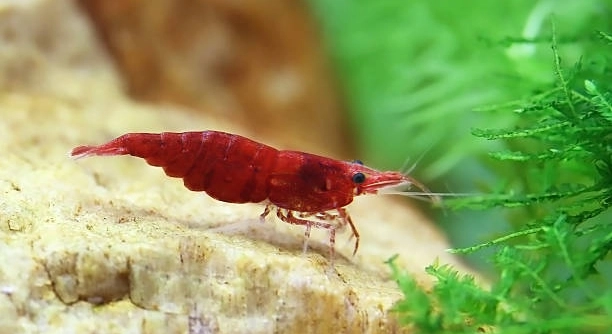
Do you ever find yourself watching your shrimp lazily move around their tank and wishing they were more active? Adding the right plants can naturally encourage movement and create a livelier, healthier environment for them to thrive.
Certain aquatic plants, such as Java moss, Anubias, and Marimo balls, provide shelter, grazing surfaces, and stimulation for shrimp. These plants promote activity by offering food sources, hiding spots, and areas to explore, which enhance their overall behavior and wellbeing.
Understanding which plants are safe and beneficial will help you create a more engaging and balanced habitat for your shrimp to flourish.
Java Moss
Java moss is a versatile plant that thrives in most freshwater aquariums. Its dense growth offers plenty of surfaces for shrimp to graze on algae and biofilm, encouraging constant movement. This plant also creates safe hiding spaces, reducing stress and supporting molting, which is essential for shrimp health. Many shrimp enjoy weaving through its delicate strands, making their environment more stimulating. It grows slowly and can attach to rocks, driftwood, or tank decorations, allowing you to design the tank to suit both aesthetics and functionality. Regular trimming keeps the moss healthy and prevents overcrowding. The soft texture and natural layout of Java moss make it ideal for small shrimp species, while also providing breeding areas. Adding Java moss is a simple way to boost shrimp activity and support a more natural tank environment.
Java moss requires low to moderate light and minimal care, making it ideal for beginners and advanced aquarists alike.
Its adaptability ensures shrimp remain active while benefiting from a natural habitat. The moss encourages grazing, exploration, and interaction with the tank, keeping shrimp engaged throughout the day.
Anubias
Anubias is a hardy plant that grows slowly and withstands a wide range of water conditions.
Its thick leaves provide secure hiding spots, while surfaces accumulate biofilm for shrimp to feed on, promoting movement and natural behaviors.
Shrimp enjoy climbing and grazing on Anubias leaves. Its low-light requirement and resistance to algae make it easy to maintain. Anchoring it to rocks or driftwood allows the plant to integrate into tank design while enhancing shrimp activity. Regular pruning ensures leaves do not overcrowd the tank, maintaining open swimming areas. With minimal care, Anubias remains a reliable plant that supports shrimp exploration and molting. Its durability makes it ideal for tanks where shrimp are active and need stimulation. By offering a combination of grazing surfaces and hiding places, Anubias naturally encourages shrimp to stay active, contributing to overall tank health and visual appeal.
Marimo Balls
Marimo balls are soft, round algae formations that shrimp love to roll around and graze on. They provide both stimulation and food, encouraging constant activity and exploration in the tank. Their slow growth and low maintenance make them easy to keep.
Shrimp often nibble on Marimo balls while pushing them across the tank floor, creating natural movement and interaction. The balls trap tiny particles of food and biofilm, giving shrimp a consistent grazing source. They also help maintain water quality by absorbing some nutrients. By placing several Marimo balls throughout the tank, you create a dynamic environment where shrimp can explore, feed, and stay active. Their tactile texture and unique shape make them an engaging addition, offering both practical and behavioral benefits.
Adding Marimo balls requires minimal effort. Simply rinse them occasionally, rotate gently to maintain shape, and allow shrimp to interact naturally. Their presence stimulates grazing, exploration, and playful movement.
Hornwort
Hornwort grows quickly and floats or anchors easily in a tank, providing plenty of grazing surfaces. Its bushy structure gives shrimp space to hide, encouraging exploration and natural activity.
Shrimp enjoy weaving through Hornwort’s long, thin stems, which creates movement and stimulation throughout the tank. The plant’s dense growth encourages grazing on biofilm and algae that accumulate on its leaves. It also improves water quality by absorbing excess nutrients, helping maintain a balanced environment. Hornwort can grow tall, so occasional trimming ensures it doesn’t overcrowd the tank. Floating or anchored, it adds vertical structure, giving shrimp opportunities to explore multiple levels. Its versatility makes it suitable for different tank setups, and its fast growth ensures a continuous supply of natural grazing surfaces.
Regular maintenance involves light trimming and repositioning as needed. This keeps the plant healthy and ensures shrimp can move freely while benefiting from constant feeding and hiding spaces.
Java Fern
Java fern attaches easily to rocks or driftwood, providing stable surfaces for shrimp to explore. Its broad leaves create shelter and grazing areas, encouraging movement and natural behaviors.
Shrimp often climb and graze on Java fern, making use of both vertical and horizontal spaces in the tank. Its low maintenance and hardy nature make it reliable for promoting shrimp activity.
Water Wisteria
Water Wisteria grows quickly and forms dense clusters, giving shrimp plenty of hiding spaces and surfaces for grazing. Its fast growth helps maintain water quality by absorbing excess nutrients, which supports a healthier environment for shrimp to stay active and explore their tank.
Cryptocoryne
Cryptocoryne offers broad leaves and low-light tolerance, providing grazing surfaces and shelter. Shrimp enjoy moving through its foliage, which stimulates activity and natural behaviors.
What plants are safest for shrimp?
Shrimp are sensitive to chemicals and fertilizers, so choosing plants that do not require heavy chemical treatments is essential. Java moss, Marimo balls, Anubias, and Java fern are among the safest options. These plants provide natural grazing areas, hiding spots, and surfaces for biofilm growth, all of which encourage shrimp activity without introducing harmful substances. Fast-growing plants like Hornwort and Water Wisteria are also safe when they are grown naturally, as they absorb excess nutrients from the water, supporting a balanced environment. Avoid plants treated with pesticides or those that require strong fertilizers, as these can harm shrimp.
How do plants encourage shrimp activity?
Plants create physical and behavioral stimulation for shrimp. The surfaces of leaves, stems, and moss trap algae and biofilm, providing constant grazing opportunities. Dense or bushy plants give shrimp areas to hide, climb, or explore, which reduces stress and promotes natural movement. Vertical and horizontal structures in the tank allow shrimp to swim through different layers, increasing activity and engagement. Some plants, like Marimo balls, also offer tactile interaction, encouraging shrimp to push or roll them while feeding. By combining a mix of slow- and fast-growing plants, you create an environment where shrimp are consistently exploring, grazing, and interacting with their surroundings.
Do shrimp need live plants, or are fake plants okay?
While fake plants can offer hiding spaces, they do not provide the same benefits as live plants. Live plants promote grazing on biofilm and algae, improve water quality, and contribute to a more natural and stimulating environment. Shrimp activity tends to be higher in tanks with live plants because they can explore, feed, and interact with surfaces naturally. Fake plants can be used as a supplement for decoration, but they should not replace live plants entirely if the goal is to encourage natural behaviors and long-term health.
How often should I maintain these plants?
Maintenance depends on the type of plant. Slow-growing plants like Anubias and Java fern require occasional trimming to prevent overcrowding, while fast-growing species like Hornwort and Water Wisteria may need weekly attention. Rinsing moss or Marimo balls every few weeks helps prevent debris buildup and keeps them healthy. Trimming prevents leaves from decaying in the water, which could affect water quality and shrimp health. Ensuring plants are well-maintained provides continuous grazing surfaces, hiding spaces, and a stimulating environment for shrimp. Regular care helps maintain the balance of the tank without introducing unnecessary stress for the shrimp.
Can plants affect water quality for shrimp?
Yes, plants can significantly improve water quality. Fast-growing plants absorb excess nutrients, reducing the risk of algae overgrowth and creating a healthier environment for shrimp. Decaying plant matter can contribute to ammonia and nitrate levels if not removed promptly, so routine maintenance is essential. Plants also help stabilize oxygen levels and create microhabitats where beneficial bacteria can thrive. By carefully selecting and maintaining a combination of plants, shrimp can benefit from cleaner water, more hiding spaces, and consistent grazing areas, which supports their activity and overall health.
Which plants are best for breeding shrimp?
Dense plants with small leaves, like Java moss and Marimo balls, provide ideal breeding spaces for shrimp. They offer protection for young shrimp and surfaces for biofilm growth, which is an important food source for fry. Bushy plants like Water Wisteria can also support breeding by giving shrimplets areas to hide from adult shrimp. Plants that grow slowly but create dense cover are particularly useful because they maintain a stable habitat. Providing a mix of safe, natural plants ensures that both adult shrimp and their offspring have access to food and shelter while encouraging activity and natural behaviors.
Can shrimp eat all types of aquarium plants?
Shrimp primarily graze on biofilm and algae that grow on plant surfaces rather than consuming the plants themselves. However, some soft or delicate plants, like young Water Wisteria or small Cryptocoryne leaves, may get nibbled occasionally. This grazing is normal and usually not harmful, but keeping hardy plants like Anubias, Java fern, and Marimo balls ensures that the main structure of the tank remains intact. Providing multiple types of plants balances grazing behavior while maintaining a stimulating environment. This variety allows shrimp to explore, feed, and interact naturally, which encourages movement and supports overall tank health.
How do I prevent plants from harming shrimp?
Avoid using plants treated with fertilizers, pesticides, or chemicals. Introduce new plants slowly, rinsing them thoroughly before adding them to the tank. Monitor water parameters and remove decaying leaves promptly to prevent spikes in ammonia or nitrites. Selecting hardy, low-maintenance plants minimizes risks while still providing the surfaces, hiding spots, and stimulation shrimp need. Maintaining a stable environment with clean, safe plants ensures shrimp remain active, healthy, and stress-free.
What combination of plants works best?
A mix of slow-growing and fast-growing plants works well. Slow-growing species like Anubias, Java fern, and Cryptocoryne provide long-term stability, while fast-growing plants like Hornwort and Water Wisteria create dynamic grazing surfaces and hiding spots. Including moss or Marimo balls adds tactile interaction and continuous biofilm sources. This combination supports activity, reduces stress, and maintains water quality. Strategically placing plants at different heights and locations creates vertical and horizontal spaces for exploration. Such variety encourages shrimp to swim, climb, and forage naturally, keeping them engaged and promoting healthier behavior over time.
This FAQ provides essential guidance for maintaining shrimp-friendly plants while encouraging activity, exploration, and natural behaviors. Proper plant selection, placement, and maintenance directly contribute to a lively and healthy aquarium environment.
Adding safe, stimulating plants to a shrimp tank can make a significant difference in their behavior and overall health. Plants like Java moss, Anubias, Marimo balls, and Hornwort offer surfaces for grazing, hiding, and exploration. These features naturally encourage shrimp to stay active throughout the day, reducing stress and supporting molting. Slow-growing plants provide stable long-term cover, while fast-growing species contribute dynamic spaces that keep shrimp engaged. Including a variety of plant types ensures a balanced environment, combining both practical benefits and visual appeal. Careful placement of these plants can create multiple layers in the tank, giving shrimp areas to explore, feed, and rest. This approach mimics a more natural environment, which is essential for their wellbeing.
Maintaining plants in a shrimp tank does not need to be complicated, but it does require attention to detail. Trimming fast-growing species prevents overcrowding, while occasional rinsing of moss and Marimo balls helps keep surfaces clean and free from debris. Slow-growing plants require minimal care, making them reliable anchors in the tank. Removing decaying leaves promptly is important to prevent water quality issues such as ammonia spikes, which can harm shrimp. Choosing hardy, low-maintenance plants reduces risks and ensures the tank remains a safe and stimulating space. The right combination of care and plant selection creates an environment where shrimp can thrive naturally, maintaining activity and healthy behaviors over time.
Overall, plants are more than just decorative elements in a shrimp tank—they are essential for promoting natural behaviors and maintaining a balanced ecosystem. By selecting safe, low-maintenance species and providing varied surfaces and structures, shrimp remain active, healthy, and less stressed. A well-planned tank with moss, ferns, Anubias, and fast-growing plants encourages exploration, grazing, and interaction, supporting both adult shrimp and their offspring. Maintaining water quality through regular plant care ensures that the benefits continue long-term. Integrating these plants thoughtfully results in a lively, engaging, and natural habitat that supports shrimp health while enhancing the visual appeal of the aquarium.

Hello,
If you enjoy the content that we create, please consider saying a "Thank You!" by leaving a tip.
Every little bit helps us continue crafting quality advice that supports the health, happiness, and well-being of pets around the world, for pets of all shapes, sizes, and species.
We really appreciate the kindness and support that you show us!