
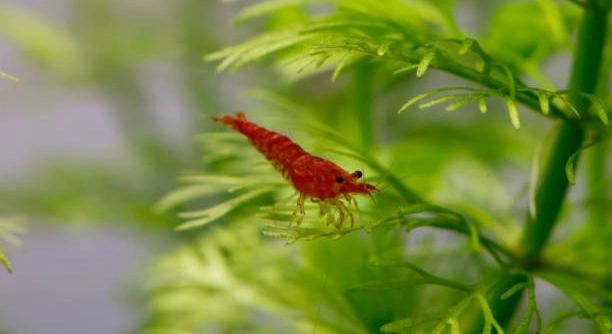
Feeding shrimp can be enjoyable, but it can also be tricky to give just the right amount. Overfeeding can harm water quality and shrimp health, making careful feeding an important part of maintaining a healthy tank.
The key to feeding shrimp without overfeeding lies in providing small, measured portions at regular intervals. Monitoring their consumption and removing uneaten food promptly helps maintain water quality and prevents stress or disease in the shrimp population.
Learning how to balance portions and timing can make shrimp care much easier and healthier for your tank environment.
Observe Shrimp Eating Habits
Shrimp have different eating patterns depending on species, age, and tank conditions. Watching how quickly they consume food gives important clues about the right portion size. Younger shrimp tend to eat more frequently in small amounts, while adults eat slower and may only need one or two feedings daily. Overfeeding can leave excess food to decompose, harming water quality and encouraging algae growth. Even with high-quality food, uneaten portions can pollute the tank and affect shrimp health. Observing their activity in the morning and evening helps determine feeding times. Some shrimp prefer grazing throughout the day on biofilm and algae, which supplements their diet naturally. Tank decorations, plants, and hiding spots can also influence how shrimp access food. By paying close attention to their eating habits, you can adjust portions to match their needs, ensuring a healthier and cleaner tank environment.
Consistent observation helps prevent overfeeding and keeps shrimp active and healthy in their habitat.
Tracking shrimp eating habits allows adjustments to feeding schedules, portion sizes, and food types, promoting overall tank balance and shrimp wellbeing.
Measure Food Precisely
Using a measured amount of food reduces waste and protects water quality. It is easy to overfeed if you rely on guesswork, especially with smaller shrimp or dense populations. Using a small spoon, syringe, or dedicated feeder can control the portions. Start with amounts shrimp can finish in a few hours, and adjust based on consumption. Observing leftovers helps refine the portion size over time. Proper measurement prevents leftover food from decomposing and producing harmful chemicals like ammonia or nitrites. Even slight overfeeding can disturb the tank’s balance, leading to cloudy water or algae spikes. Measuring consistently each feeding ensures shrimp receive adequate nutrition without excess. Avoid dumping large quantities at once; multiple small feedings are safer and more efficient. Maintaining accurate portions also reduces food costs and keeps the tank environment stable, supporting shrimp growth and reproduction.
Regular measurement and adjustment of food amounts keeps shrimp healthy and water conditions stable, encouraging proper growth and activity.
Precision in feeding supports shrimp health, improves water quality, and reduces the stress of monitoring overfeeding, ensuring a cleaner, balanced tank environment over time.
Feed Small Portions Frequently
Smaller, more frequent feedings prevent leftovers from accumulating. Shrimp can eat small amounts several times a day without harming water quality. This method matches their natural grazing behavior and reduces the risk of overfeeding.
Dividing daily food into multiple portions allows shrimp to consume it all, minimizing waste. Larger single feedings often lead to uneaten food sinking and decaying. Using small containers, tweezers, or feeding rings can help control the spread of food, especially in planted tanks. Observing how quickly shrimp finish each portion ensures adjustments can be made to meet their appetite without excess. Frequent feedings also help maintain steady water conditions and support consistent shrimp activity throughout the day.
Multiple small feedings help shrimp stay active, reduce water pollution, and create a stable feeding routine. This approach encourages natural grazing patterns and prevents stress caused by excessive leftover food in the tank.
Remove Uneaten Food Promptly
Leftover food can quickly degrade water quality, producing ammonia and nitrites harmful to shrimp. Removing it promptly is essential to maintain a healthy environment.
Uneaten food should be removed within a few hours of feeding. Tools like small nets, siphons, or tweezers make this easier without disturbing shrimp. Failing to remove excess can result in cloudy water, algae growth, and potential disease outbreaks. Regularly checking the tank after feedings allows you to see exactly how much was consumed and adjust future portions accordingly. This practice also reduces the risk of overfeeding, maintaining the balance of nutrients and preventing chemical spikes that stress shrimp. Keeping the tank clean supports shrimp health and encourages active behavior.
Prompt removal of leftovers keeps water clear, reduces harmful chemical buildup, and maintains shrimp health. It also helps maintain a balanced, stable environment, supporting growth and overall tank well-being.
Choose Appropriate Food Types
Using the right type of food ensures shrimp consume it quickly, reducing waste. Pellet size, texture, and nutritional content should match the shrimp species and size.
Algae wafers, sinking pellets, and biofilm supplements are effective choices. Avoid foods that dissolve too quickly or float for long periods, as they often remain uneaten and pollute the water.
Monitor Water Quality
Regular water testing helps track ammonia, nitrite, and nitrate levels. These indicators reveal if overfeeding or leftover food is impacting the tank. Maintaining stable water parameters is essential for shrimp health.
Adjust Feeding Based on Observation
Shrimp appetite can change with temperature, growth, or breeding. Observing how much they consume daily allows adjustments to portions and feeding frequency. Small tweaks prevent overfeeding and support long-term tank stability.
Maintain a Feeding Schedule
Feeding at consistent times encourages shrimp to eat efficiently and reduces leftover food accumulation. A predictable routine supports healthy shrimp behavior and water quality.
FAQ
How do I know if I am overfeeding my shrimp?
Signs of overfeeding include uneaten food settling on the tank bottom, cloudy water, and occasional algae blooms. If shrimp leave food untouched for several hours or more, the portion is likely too large. Observing their eating patterns daily helps adjust amounts to match their real appetite.
What is the ideal feeding frequency for shrimp?
Small, frequent feedings are best. Most shrimp eat two to three times a day in small portions. Juveniles may need slightly more frequent feedings due to faster growth. Feeding tiny amounts multiple times reduces waste and prevents water quality issues.
Can shrimp eat leftover food from previous feedings?
Shrimp may nibble on leftover food, but decaying food can harm water quality. Remove uneaten portions within a few hours. Consistently leaving leftovers in the tank increases ammonia and nitrite levels, which stress shrimp and can trigger disease.
Is it necessary to use special shrimp food?
Specialized shrimp food is formulated with essential nutrients like calcium, protein, and trace minerals. While some natural foods like algae, blanched vegetables, or biofilm supplements are helpful, commercially prepared shrimp food ensures consistent nutrition and supports molting and growth.
How can I prevent uneaten food from polluting the tank?
Feed small amounts and monitor consumption closely. Use feeding tools like tweezers, spoons, or rings to control distribution. Remove leftovers promptly. Regular observation and adjusting portion sizes will prevent buildup and help maintain stable water conditions.
Do all shrimp species eat the same type of food?
Different species have different dietary preferences. For example, cherry shrimp often graze on algae and biofilm, while Amano shrimp prefer pellets and wafers. Observe your shrimp and select food that matches their natural diet to encourage full consumption.
Will overfeeding affect shrimp reproduction?
Yes, excess food can deteriorate water quality, creating stressful conditions that hinder breeding. Properly measured portions and consistent feeding schedules help maintain a stable environment, which supports successful molting, growth, and reproduction in adult shrimp.
How can I measure the right portion size?
Start with an amount your shrimp can finish in a few hours. Tools like small spoons, syringes, or dedicated feeders help control portions precisely. Observe daily consumption and adjust the amount as shrimp grow or their appetite changes.
Is it okay to skip a feeding if shrimp are not hungry?
Yes, shrimp can go a day without feeding without harm, especially if they have access to natural biofilm or algae in the tank. Skipping a feeding occasionally helps prevent overfeeding and keeps the tank clean.
Can plants in the tank affect feeding habits?
Yes, plants provide surfaces for biofilm growth, which shrimp graze on throughout the day. This can reduce the amount of supplemental food needed and naturally encourages small, frequent feedings that match their grazing behavior.
How do I adjust feeding for shrimp colonies of different sizes?
Increase portions gradually as the colony grows. Always monitor how much food is consumed within a few hours. Avoid simply multiplying by shrimp number; smaller, frequent feedings reduce waste and ensure all shrimp get access to food evenly.
What should I do if shrimp are ignoring food?
Check water parameters, as poor water quality can reduce appetite. Ensure the food type and size match the species. Sometimes, adjusting feeding time to when shrimp are most active or slightly increasing the portion encourages them to eat.
Does water temperature affect feeding?
Yes, shrimp metabolism is influenced by temperature. Cooler water slows eating, while warmer water increases appetite. Adjust portion sizes and feeding frequency according to seasonal or tank temperature changes to prevent leftovers and maintain water quality.
Can overfeeding lead to disease in shrimp?
Overfeeding creates decaying food, increasing harmful bacteria and ammonia in the tank. This environment can weaken shrimp, making them more susceptible to fungal, bacterial, and parasitic infections. Controlling portion sizes and promptly removing leftovers reduces disease risk significantly.
Are there signs that shrimp are eating enough?
Active movement during feeding, consistent growth, healthy coloration, and regular molting are all signs that shrimp are consuming adequate food. If shrimp appear lethargic, pale, or fail to molt properly, their diet or portion size may need adjustment.
How can I make sure all shrimp get enough food?
Distribute food evenly across the tank and consider multiple small feeding spots. Observe smaller or shy shrimp to ensure they have access. Frequent, small feedings prevent dominant shrimp from consuming all the food, supporting fair nutrition for the entire colony.
Can I feed shrimp human foods?
Some vegetables like blanched zucchini, spinach, or cucumber are safe in small amounts. Avoid processed or seasoned foods. These additions can supplement their diet but should never replace properly formulated shrimp food, which meets all nutritional needs.
Is feeding at the same time every day important?
Consistency helps shrimp anticipate food and eat efficiently, reducing leftover food. Regular schedules also support stable water conditions and routine observation, making it easier to detect changes in appetite or health promptly.
How do I know when to increase food portions?
If shrimp consistently consume all food quickly and remain active, slightly increasing portions is safe. Monitor water quality closely and adjust gradually to prevent sudden overfeeding and maintain a balanced environment.
What is the best way to store shrimp food?
Keep food in a cool, dry place, sealed tightly to prevent moisture and mold. Proper storage preserves nutritional content and reduces the risk of feeding spoiled food that could harm shrimp.
How important is variety in shrimp diets?
Providing different food types supports overall health. A mix of pellets, wafers, algae, and blanched vegetables ensures shrimp receive essential nutrients, promotes molting, and encourages natural grazing behavior, reducing the risk of selective feeding or deficiencies.
What should I do if shrimp are eating too fast?
If food disappears within minutes, reduce portion sizes to prevent waste. Quick consumption is normal in healthy shrimp, but overfeeding can still occur if multiple feedings add up. Adjust timing and quantity to match actual consumption.
Can shrimp survive on biofilm alone?
Biofilm can provide supplemental nutrition, especially in planted tanks. However, it is unlikely to meet all nutritional requirements for growth, molting, and reproduction. Properly formulated shrimp food remains essential for long-term health and vitality.
How often should I clean the tank related to feeding?
Regular cleaning, including substrate siphoning and water changes, helps remove residual food and waste. Frequency depends on feeding habits and colony size, but maintaining a clean tank prevents water quality issues linked to overfeeding.
Can shrimp overeat if food is always available?
Shrimp generally eat what they need, but constant access to excess food increases the risk of waste accumulation and water quality problems. Measured portions and scheduled feedings create a safer, healthier environment.
Are feeding behaviors different during molting?
Yes, molting shrimp often eat less or stop entirely. Providing consistent small portions and removing uneaten food prevents water contamination. After molting, appetite usually returns, and shrimp resume normal feeding patterns.
What is the easiest way to prevent overfeeding?
Measure portions, feed small amounts frequently, observe consumption, and remove leftovers promptly. Using consistent schedules and appropriate food types minimizes waste and protects water quality, ensuring shrimp remain healthy and active.
Can temperature, tank size, or decorations affect feeding efficiency?
Yes, higher temperatures increase appetite, while larger tanks or dense decorations may hide food and slow consumption. Adjust portion size and placement to ensure shrimp can access all food efficiently, reducing leftovers and water contamination.
How long can shrimp go without food safely?
Shrimp can survive a day or two without supplemental food if the tank has sufficient biofilm or algae. Short breaks help prevent overfeeding and support stable water conditions without harming shrimp health.
What is the main factor in preventing overfeeding?
The key is observing shrimp, measuring portions accurately, and removing leftovers promptly. Consistency in feeding and attention to water quality ensures healthy shrimp without the negative effects of excess food.
Can feeding frequency be reduced in a planted tank?
Yes, planted tanks with ample biofilm and algae may require fewer supplemental feedings. Observe shrimp appetite and tank conditions to adjust feeding schedules appropriately while preventing overfeeding and maintaining water quality.
Are frozen or dried foods safe for shrimp?
Yes, frozen or dried foods are suitable if thawed and portioned properly. They provide nutritional variety but should be given in controlled amounts to prevent water contamination from uneaten pieces.
Does colony size affect feeding strategy?
Larger colonies require careful monitoring to ensure all shrimp receive food. Spread portions across multiple locations and adjust amounts gradually to prevent dominant shrimp from consuming everything and to reduce leftover accumulation.
How do I know if shrimp food is too large?
Food that is too large may sink too quickly or remain uneaten, especially for juveniles. Choose pellet sizes appropriate for the species to ensure consumption and minimize waste.
Can overfeeding lead to sudden water changes?
Yes, excess food decomposes, increasing ammonia, nitrites, and nitrates. Sudden spikes often require emergency water changes to protect shrimp. Controlled feeding and portion monitoring prevent these issues.
How do I balance natural and supplemental feeding?
Observe natural grazing on biofilm, algae, and plants. Provide small supplemental portions to meet nutritional needs without overfeeding. Adjust based on tank population and natural food availability.
What tools help prevent overfeeding?
Tweezers, feeding rings, spoons, syringes, and portion-controlled containers all help manage feeding precisely, reducing waste and protecting water quality.
Is it better to underfeed or risk overfeeding?
Underfeeding slightly is safer than overfeeding. Shrimp can graze on natural tank biofilm, but excess food quickly harms water quality, stressing the colony.
Can overfeeding affect shrimp color or growth?
Indirectly, yes. Poor water quality from leftover food can stress shrimp, reduce molting success, and slow growth. Balanced feeding supports vibrant coloration and proper development.
How often should I reassess portion sizes?
Regularly, especially after changes in colony size, shrimp age, or activity levels. Observing daily consumption ensures portions match actual needs and prevents overfeeding.
Are there seasonal changes in shrimp appetite?
Yes, temperature and daylight can influence metabolism and activity. Adjust feeding frequency and portion sizes seasonally to match natural behavior and prevent leftover food buildup.
What is the best way to introduce new food types?
Introduce gradually in small amounts while observing consumption. Abrupt changes may lead to waste if shrimp reject unfamiliar foods. Mixing new food with familiar types encourages acceptance.
Does tank water flow affect feeding?
Yes, strong currents can move food away before shrimp eat it. Place food in calmer areas or secure it with feeding rings to ensure consumption and reduce waste.
Can I feed shrimp differently based on life stage?
Yes, juveniles need smaller, more frequent feedings, while adults can handle slightly larger portions. Adjust pellet size and frequency to match growth requirements.
How important is observation in preventing overfeeding?
Observation is the most important factor. Daily monitoring of appetite, leftover food, and shrimp behavior allows adjustments to portions and feeding habits, preventing overfeeding and maintaining a healthy tank environment.
What is the overall takeaway for feeding shrimp properly?
Feed small, measured portions, observe consumption, remove leftovers promptly, and adjust based on species, life stage, and tank conditions. Consistency, careful observation, and proper food selection prevent overfeeding and support long-term shrimp health.
Feeding shrimp is a task that requires attention and patience. It is easy to assume that giving more food is better, but overfeeding can quickly harm both shrimp and tank conditions. Excess food that is left uneaten begins to decompose, producing ammonia, nitrites, and nitrates, which can stress or even kill shrimp if not managed properly. Observing how shrimp eat, adjusting portion sizes, and removing leftovers promptly are simple steps that have a large impact on maintaining a healthy environment. Shrimp may appear small and delicate, but their tank ecosystem is sensitive, and even minor changes in feeding habits can affect water quality, algae growth, and overall shrimp health. Consistent observation over time helps understand shrimp preferences, natural grazing habits, and how much food they actually require. Once this balance is achieved, both the shrimp and the tank environment remain stable, reducing stress for the shrimp and making maintenance easier.
Using the right type of food is just as important as the quantity. Different shrimp species have varying dietary needs, and food that is too large, dissolves too quickly, or is nutrient-poor can result in waste or inadequate nutrition. Supplementing their diet with natural sources like biofilm, algae, and blanched vegetables can enhance their overall health, but it cannot replace the nutritional value of properly formulated shrimp food. Measuring portions, feeding small amounts multiple times a day, and observing their eating behavior ensures that all shrimp have access to the nutrition they need without leaving leftover food to decompose. Over time, these feeding habits also support consistent growth, vibrant coloration, and successful molting. It is helpful to remember that shrimp feeding is not just about satisfying hunger; it is about maintaining a balanced and thriving tank ecosystem. Even minor adjustments to portion size or feeding frequency can prevent major water quality issues and reduce the risk of disease.
Maintaining a consistent feeding routine is key to long-term success. Shrimp respond well to predictable schedules, which encourages regular activity and efficient food consumption. Keeping a close eye on how quickly food is eaten and adjusting as the colony grows or environmental conditions change helps prevent overfeeding. It is also important to consider tank-specific factors such as plant coverage, tank size, and water flow, which can influence how food is distributed and accessed. By combining careful observation, measured feeding, and prompt removal of uneaten food, shrimp owners create an environment where shrimp can thrive naturally. These practices reduce stress, improve survival rates, and ensure that shrimp remain active, healthy, and vibrant. Feeding shrimp properly is not complicated, but it requires consistency, patience, and attention to detail. Over time, these small, mindful steps lead to a stable, balanced, and healthy tank that supports the well-being of every shrimp in the colony.

Hello,
If you enjoy the content that we create, please consider saying a "Thank You!" by leaving a tip.
Every little bit helps us continue crafting quality advice that supports the health, happiness, and well-being of pets around the world, for pets of all shapes, sizes, and species.
We really appreciate the kindness and support that you show us!