
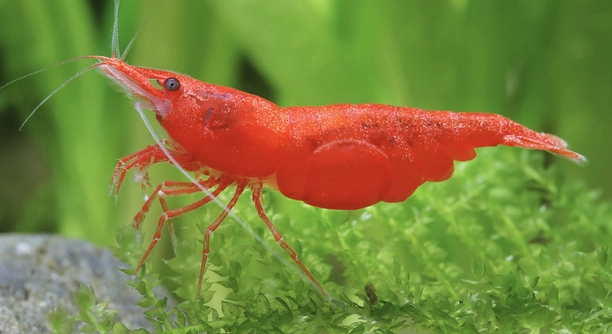
Are your cherry shrimp acting unusually, swimming erratically, or hiding more than usual? Observing these changes can be concerning for any aquarist, especially when your tank has always been calm and peaceful for your tiny aquatic pets.
Cherry shrimp may behave strangely due to factors including poor water quality, sudden temperature fluctuations, inadequate diet, overcrowding, stress from tank mates, molting difficulties, or disease. Addressing these conditions promptly ensures their health and reduces abnormal behavior.
Understanding the causes behind these behaviors can help you create a stable and comfortable environment for your shrimp to thrive. Each factor plays an important role in their overall wellbeing and activity levels.
Poor Water Quality
Water quality is one of the most critical factors affecting cherry shrimp behavior. High levels of ammonia, nitrites, or nitrates can make shrimp sluggish, hide constantly, or even trigger unusual swimming patterns. pH fluctuations or excessive chlorine can also stress them, causing them to behave oddly. Regular water testing and partial water changes are essential to keep the tank safe. Even slight changes in hardness or temperature can affect their comfort. Shrimp are highly sensitive to their environment, and ignoring water quality can quickly lead to health issues. Using a reliable filter and avoiding overfeeding also helps maintain stability. Observing shrimp daily can reveal early signs of water-related stress, such as lethargy, loss of color, or unusual hiding spots. Providing a stable, clean environment encourages natural behavior, healthier molting, and longer life spans for your shrimp, making your tank more vibrant.
Routine monitoring and water changes are key to preventing stress and maintaining normal behavior in cherry shrimp.
Ensuring water parameters remain stable supports both molting cycles and feeding habits. Shrimp rely on consistent conditions, and sudden shifts can trigger erratic swimming or hiding. Maintaining proper filtration, avoiding overcrowding, and limiting chemical fluctuations helps shrimp feel secure. Tracking ammonia, nitrites, and nitrates, along with pH, ensures their environment remains optimal. Small adjustments over time prevent stress and reduce disease risks.
Sudden Temperature Changes
Temperature swings can disturb your cherry shrimp, making them less active or causing erratic swimming. Sudden heating or cooling of the tank often shocks their system. Stable temperatures are vital for their metabolism and molting, helping them maintain natural behaviors.
Rapid changes can weaken shrimp, making them more prone to disease and stress. Maintaining a consistent temperature around 72–78°F is ideal.
A reliable heater with a thermostat prevents sudden fluctuations. Avoid placing the tank near vents or windows where sunlight or drafts can alter water temperature. Monitoring the tank daily allows you to detect small changes before they affect your shrimp. Even slight shifts in temperature can disrupt feeding and molting cycles. Gradual adjustments are necessary if changes are required, as shrimp cannot tolerate sudden transitions. Stable conditions improve activity levels, promote healthy growth, and reduce unusual behaviors, ensuring your cherry shrimp remain vibrant and active. Proper acclimation when adding new shrimp or water also prevents stress caused by temperature differences, supporting overall health and tank harmony.
Inadequate Diet
A poor diet can cause shrimp to lose color, act lethargic, or hide more often. Cherry shrimp need a variety of foods, including algae, biofilm, and high-quality shrimp pellets, to stay healthy and active.
Shrimp deprived of proper nutrition may show slowed growth and irregular molting. Providing fresh vegetables like spinach or zucchini and occasional protein boosts their health. Feeding too much or too little can both cause problems. Overfeeding leads to water quality issues, while underfeeding results in energy loss and increased hiding. Observing their eating patterns helps you adjust portions and variety to meet their needs. Proper diet supports natural behavior, stronger shells, and vibrant coloration.
Consistency is essential. Feeding at the same time and ensuring a balanced mix of plant and protein sources keeps shrimp energetic. Avoid processed foods high in fillers, as they can harm water quality and shrimp health. Watching your shrimp enjoy their food daily indicates they are getting the nutrition they need.
Overcrowding
Overcrowding stresses cherry shrimp, making them more prone to hiding, aggression, and unusual swimming. Space is essential for molting and establishing territories.
Too many shrimp in a small tank reduces oxygen levels and increases waste buildup, directly affecting behavior. Overcrowded tanks can also trigger competition for food and shelter. Providing adequate hiding spots and plants helps alleviate stress but does not fully solve the problem. It is important to maintain appropriate stocking levels to ensure healthy growth, natural behavior, and survival. Observing their interaction patterns helps determine if the tank is too crowded.
Managing population involves monitoring tank size and shrimp density. A small tank can hold only a limited number of shrimp comfortably. Introducing new shrimp gradually prevents sudden stress and allows territory establishment. Ensuring enough space improves molting success and reduces abnormal behavior. Providing plants, moss, and hiding places also helps manage stress, keeping shrimp active and maintaining social harmony.
Stress from Tank Mates
Aggressive or large tank mates can scare cherry shrimp, causing them to hide or move erratically. Peaceful, small species are better companions to maintain a calm environment.
Even non-aggressive fish may unintentionally stress shrimp by chasing them or eating their food. Providing plenty of plants and hiding spots helps reduce stress, giving shrimp space to feel safe.
Molting Difficulties
Problems during molting can make shrimp behave unusually. Difficulty shedding their exoskeleton can lead to inactivity, hiding, or even injury. Ensuring optimal water conditions and providing calcium-rich foods supports healthy molting.
Disease or Parasites
Shrimp showing unusual behavior may be fighting infections or parasites. Watch for discoloration, spots, or unusual swimming. Early detection and treatment can prevent serious health issues and protect the tank’s balance.
Why are my cherry shrimp hiding all the time?
Cherry shrimp often hide when they feel stressed or unsafe. Common causes include poor water quality, sudden temperature changes, overcrowding, or aggressive tank mates. Shrimp need plenty of hiding spots like plants, moss, and decorations to feel secure. Even minor shifts in their environment can make them retreat more than usual. Observing water parameters and ensuring a stable, clean tank helps reduce hiding. Providing a balanced diet and maintaining proper stocking levels encourages them to explore instead of staying hidden.
What does it mean when my shrimp stop eating?
Loss of appetite usually signals stress or health issues. Changes in water quality, disease, or inadequate nutrition can all affect feeding habits. Make sure water parameters are stable, ammonia and nitrites are zero, and nitrates remain low. Providing a variety of foods such as algae, biofilm, vegetables, and high-quality shrimp pellets can stimulate eating. Overcrowding or aggressive tank mates can also prevent shrimp from reaching food. Observing feeding times helps determine if changes in behavior are temporary or need intervention. Healthy shrimp should actively search for food daily.
Why are my cherry shrimp swimming erratically?
Erratic swimming often indicates stress from water quality fluctuations, temperature swings, or disease. Shrimp exposed to sudden changes in pH, hardness, or chemical levels may react by darting, spinning, or moving unpredictably. Poor nutrition or molting difficulties can also contribute. Maintaining a stable environment with consistent temperature, filtered water, and proper diet reduces unusual movement. Observing shrimp behavior closely can help identify the specific cause, allowing timely adjustments. Providing sufficient space and hiding spots also promotes calmer, normal activity, ensuring shrimp remain healthy and active in the tank.
How can I tell if my shrimp are sick?
Sick shrimp display visible changes such as loss of color, unusual spots, lethargy, or abnormal swimming. Difficulty molting, reduced appetite, or hiding excessively can also be signs of illness. Regularly monitoring water parameters and inspecting shrimp allows early detection. Quarantining new or sick shrimp prevents spreading disease. Common illnesses include bacterial infections, parasitic infestations, or fungal growth. Adjusting water quality, providing balanced nutrition, and treating affected shrimp when necessary supports recovery. Healthy shrimp are active, colorful, and consistently search for food, so deviations from this behavior usually indicate a problem.
What should I do if my shrimp are molting improperly?
Molting issues often result from low calcium, poor water quality, or stress. Shrimp may get stuck in their exoskeleton, become inactive, or appear deformed. Adding calcium-rich foods such as blanched vegetables, cuttlebone, or mineral supplements supports proper exoskeleton formation. Keeping water parameters stable and avoiding sudden changes helps prevent stress during molting. Providing plenty of hiding spots gives shrimp a safe space to shed without disturbance. Observation is key; intervening gently in extreme cases may save shrimp, but most thrive when conditions remain stable and nutrition is adequate.
Why do my shrimp change color suddenly?
Color changes can be a response to stress, diet, age, or water conditions. Fading or darkening may indicate poor nutrition, illness, or high stress levels. Vibrant, consistent coloration typically signals a healthy, well-fed shrimp. Ensuring a balanced diet, stable water parameters, and minimal stress from tank mates or overcrowding helps maintain natural colors. Environmental enrichment, such as plants and hiding spaces, also supports coloration and overall wellbeing. Monitoring shrimp regularly allows you to notice changes early and adjust care, ensuring they remain bright and active.
How often should I check water parameters for my shrimp?
Daily or every few days is recommended, especially for ammonia, nitrites, nitrates, and pH levels. Sudden changes can stress shrimp and trigger unusual behaviors. Testing frequently helps detect problems early. Proper filtration, regular partial water changes, and monitoring temperature provide a stable environment. Adjusting feeding and stocking levels also prevents water issues. Consistent observation and maintenance keep shrimp healthy and reduce erratic or abnormal behavior. Keeping a simple log of parameters can help track trends and prevent recurring problems, ensuring long-term tank stability and shrimp wellbeing.
Can stress from new tank mates affect my shrimp?
Yes, even peaceful fish may stress shrimp by chasing or competing for food. Providing plenty of hiding spots reduces encounters and encourages natural behavior. Gradual introductions and observing interactions help shrimp adapt. Overcrowding worsens stress, so maintaining appropriate stocking levels is essential. Stress can lead to hiding, color fading, reduced feeding, or unusual swimming. Supporting a calm, stable environment, with secure shelters and adequate food, ensures shrimp feel safe and behave normally alongside other species. Monitoring behavior during the first few weeks helps prevent long-term stress-related issues.
Are there signs of poor diet in cherry shrimp?
Shrimp on an inadequate diet may lose color, show slower growth, or hide more often. Poor nutrition can affect molting, energy levels, and immune response. Providing a mix of algae, biofilm, vegetables, and high-quality pellets ensures they receive essential nutrients. Observing feeding habits helps you adjust portions and variety. Consistent, balanced nutrition promotes vibrant colors, regular molting, and active behavior. Neglecting diet can also worsen water quality, creating a cycle of stress. Maintaining variety and quality in feeding supports overall shrimp health and reduces unusual behaviors.
How can I prevent my shrimp from acting weird in the future?
Maintaining stable water quality, balanced nutrition, proper tank size, and compatible tank mates reduces stress. Regular monitoring of parameters, observation of behavior, and prompt intervention at the first signs of disease or molting issues keeps shrimp healthy. Consistency in temperature, filtration, and feeding encourages normal activity and vibrant coloration. Providing plants and hiding spaces helps them feel secure. Avoiding sudden environmental changes, overfeeding, and overcrowding supports long-term wellbeing. By addressing potential stressors and ensuring optimal conditions, you can prevent most causes of unusual behavior in cherry shrimp, keeping your tank calm and thriving.
Caring for cherry shrimp requires careful attention to their environment, diet, and behavior. These tiny creatures are sensitive to changes in water quality, temperature, and tank conditions, which can make them act differently than usual. Observing their daily activity, feeding habits, and interaction with the tank helps identify potential problems early. Regular water testing and maintenance are essential to keep ammonia, nitrites, nitrates, and pH levels within safe ranges. Maintaining a consistent temperature and ensuring proper filtration further reduces stress and prevents health issues. Small adjustments in care, like adding plants or hiding spots, can significantly improve their comfort and encourage natural behavior. Paying attention to these basic needs creates a stable environment where shrimp can thrive and remain active.
Diet plays an equally important role in maintaining healthy shrimp. Cherry shrimp need a mix of foods, including algae, biofilm, vegetables, and specialized shrimp pellets, to support their growth and molting cycles. Poor nutrition can lead to fading color, slower growth, and unusual behavior such as hiding or reduced activity. Overfeeding, on the other hand, can negatively affect water quality, leading to stress or illness. Providing a consistent and balanced diet ensures they receive the nutrients needed for vibrant coloration, strong shells, and normal activity levels. Watching how your shrimp respond to different foods can help refine feeding routines, creating a healthier and more harmonious tank environment.
Finally, understanding the social and physical dynamics of your tank is essential. Overcrowding or introducing aggressive tank mates can stress shrimp and cause hiding, erratic swimming, or other unusual behaviors. Giving them enough space, appropriate companions, and plenty of shelters allows them to establish territories and feel secure. Monitoring their interactions, particularly during molting periods, ensures they remain safe and healthy. Being attentive to all these factors—water quality, diet, tank population, and environment—supports the overall wellbeing of cherry shrimp. With consistent care and careful observation, you can reduce stress, prevent common problems, and enjoy a thriving, vibrant tank where your shrimp behave naturally and stay healthy.

Hello,
If you enjoy the content that we create, please consider saying a "Thank You!" by leaving a tip.
Every little bit helps us continue crafting quality advice that supports the health, happiness, and well-being of pets around the world, for pets of all shapes, sizes, and species.
We really appreciate the kindness and support that you show us!