
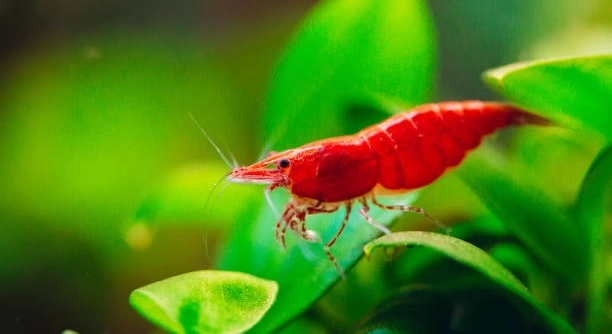
Have you ever noticed your shrimp changing color suddenly, even though their environment seems normal? These shifts can be surprising, especially for hobbyists who take pride in keeping healthy, vibrant shrimp in their tanks.
Sudden shrimp color changes often result from a combination of environmental, dietary, genetic, and health-related factors. Stress, poor water quality, improper nutrition, molting issues, or disease can all trigger rapid pigment alterations, affecting both appearance and overall wellbeing.
Understanding what triggers these changes is essential for maintaining a healthy aquarium. Each cause provides insight into how to prevent future issues and support your shrimp’s natural coloration.
Water Quality Fluctuations
Shrimp are highly sensitive to their water environment. Even small changes in pH, temperature, or ammonia levels can trigger a noticeable color shift. Poor water quality stresses the shrimp, causing pigments to fade or darken. For instance, sudden drops in temperature may make shrimp appear dull or translucent, while elevated ammonia levels can result in a grayish tint. Regular water testing is essential to detect subtle changes before they affect your shrimp. Using a reliable water test kit and performing consistent partial water changes helps maintain stable conditions. Filtration is also crucial, as a good filter removes toxins that could alter shrimp coloration. Additionally, avoid introducing untreated tap water directly, as chlorine and heavy metals can stress shrimp instantly. Observing your shrimp daily will help you notice early signs of stress, making it easier to correct water issues before color loss becomes severe.
Maintaining stable water conditions keeps shrimp healthy and their colors vibrant over time, preventing sudden fading or darkening.
Consistent water monitoring also helps you understand the specific preferences of your shrimp species. Some varieties tolerate slightly acidic water better, while others prefer neutral or slightly alkaline conditions. Temperature fluctuations can influence not only color but also behavior and feeding patterns. By creating a predictable and balanced aquatic environment, you reduce stress triggers that cause color changes. Even minor adjustments, like ensuring proper aeration and avoiding overcrowding, contribute to overall stability. Over time, shrimp that live in well-maintained water display brighter and more consistent coloration.
Diet and Nutrition
Poor nutrition can cause shrimp to lose their vivid colors.
Shrimp require a balanced diet rich in carotenoids, proteins, and vitamins to maintain their pigmentation. Commercial shrimp food often includes color-enhancing ingredients, but supplementing with fresh vegetables or specialized additives supports stronger hues. Feeding too little or too much can also disrupt their coloration.
A diet lacking in essential pigments directly affects the shrimp’s appearance. Carotenoids, naturally found in algae and certain plant matter, are responsible for red, orange, and yellow tones. Without adequate intake, colors fade over time, making shrimp look pale or washed out. Proteins and amino acids are equally important, supporting molting and overall health, which indirectly impacts coloration. Providing a varied diet, including blanched vegetables like spinach or zucchini, along with high-quality commercial pellets, helps maintain vibrancy. Observing your shrimp’s feeding behavior ensures they are eating enough, while removing uneaten food prevents water contamination. By understanding dietary needs, you can prevent color loss and promote strong, healthy shrimp.
Stress and Overcrowding
Stress can quickly change shrimp color. Overcrowded tanks, sudden movements, or aggressive tank mates make shrimp hide and lose vibrancy.
Stress affects shrimp by releasing hormones that interfere with pigment production. When shrimp feel threatened, they often retreat to hiding spots and stop eating. Lack of food reduces pigment intake, leading to faded colors. Even frequent handling or sudden environmental changes, like moving decorations or water changes without care, can cause temporary dulling. Overcrowding worsens stress, increasing competition for food and space. Maintaining proper stocking levels and a calm environment helps shrimp retain natural coloration and stay healthy.
Providing adequate hiding places, maintaining gentle water flow, and observing interactions with other tank inhabitants reduces stress over time. Shrimp regain their color once they feel secure, making stress management key for vibrant appearance. Consistent care routines, minimal disturbances, and avoiding aggressive species in the tank create a balanced environment where shrimp can thrive visually and physically.
Molting and Growth
Molting naturally affects shrimp color. Before shedding, shrimp often darken or look opaque, and colors return after molting.
During molting, shrimp lose their old exoskeleton and form a new one. This process demands significant energy and nutrients, which can temporarily reduce visible pigmentation. Young or rapidly growing shrimp molt more often, so color fluctuations are common in tanks with juveniles. Providing minerals, calcium, and a stable environment supports successful molting and helps colors recover quickly. Malnutrition or poor water conditions during molting can prolong dullness or cause incomplete molts, which weakens shrimp. Observing molt cycles and maintaining proper care ensures consistent coloration and overall health.
Supporting shrimp through molting includes maintaining consistent water parameters, supplying high-quality food, and ensuring safe hiding spaces. Stress-free conditions reduce molting complications, while dietary supplements like crushed coral or mineral-rich additives strengthen the exoskeleton. Over time, regular monitoring of molt frequency and shrimp behavior allows you to anticipate color changes, keeping shrimp vibrant and healthy. Proper care ensures that each molt leads to stronger, more colorful shrimp, reflecting optimal nutrition and environmental stability.
Disease and Parasites
Diseases and parasites can cause sudden color changes. Infected shrimp often appear pale, mottled, or develop dark spots.
Common infections, like bacterial or fungal outbreaks, reduce shrimp vitality and affect pigmentation. Parasites may attach externally or internally, stressing shrimp and altering natural coloration.
Genetics
Genetics play a significant role in shrimp color. Some species naturally shift hues as they mature, while selective breeding can enhance or suppress certain pigments. Color changes due to genetics are usually gradual and predictable.
Lighting Conditions
Lighting affects how shrimp colors appear. Bright or intense light can enhance vibrant tones, while dim or inconsistent lighting may make colors seem faded or muted.
Why is my shrimp suddenly turning pale?
Shrimp can turn pale when stressed, malnourished, or exposed to poor water conditions. A sudden drop in water quality, like high ammonia or nitrite levels, triggers stress responses that reduce pigment production. Diet also plays a role; lacking carotenoids or essential nutrients can make colors fade. Overcrowding or aggressive tank mates may increase hiding behavior, further reducing visible vibrancy. Ensuring stable water parameters, a balanced diet, and calm tank conditions usually helps shrimp regain natural coloration within a few days to weeks.
Can shrimp regain their color after stress?
Yes, shrimp often regain color after stress if the underlying cause is corrected. Stabilizing water quality, maintaining proper temperature, and reducing environmental stressors allow shrimp to recover. Providing adequate nutrition, especially foods rich in carotenoids, supports pigment restoration. Hiding spaces and gentle tank handling minimize further stress. Recovery time varies depending on species, age, and the severity of the stress, but consistent care typically results in noticeable color improvement within one to two weeks. Monitoring their behavior and feeding ensures they are regaining strength alongside color.
Do all shrimp species change color the same way?
No, color changes vary by species and genetics. Some shrimp naturally darken or lighten with age, while selectively bred species exhibit more pronounced color variations. Wild-type shrimp may show subtle shifts due to molting or seasonal changes, whereas ornamental varieties can display dramatic color fluctuations. Genetics also determine pigment intensity, and certain colors are more sensitive to environmental conditions. Understanding the specific species’ characteristics helps predict normal color variations versus potential health or stress issues. Observing long-term patterns rather than isolated changes provides the clearest insight into what is normal for each shrimp.
Could my shrimp’s diet be causing color changes?
Yes, inadequate or unbalanced nutrition can directly affect pigmentation. Carotenoids and other pigments in food are critical for vibrant colors. A diet lacking in these nutrients can make shrimp appear pale or washed out. Feeding high-quality commercial shrimp food, along with supplemental vegetables like spinach or zucchini, helps maintain bright colors. Overfeeding or inconsistent feeding schedules may also impact coloration indirectly by affecting water quality and shrimp health. Regularly monitoring feeding habits ensures shrimp receive enough nutrients without creating harmful conditions in the tank.
How does molting affect shrimp color?
Molting temporarily changes shrimp coloration because they shed their old exoskeleton and form a new one. Before a molt, shrimp may darken, become opaque, or show dull colors. During this time, they often reduce activity and feeding. After molting, pigmentation typically returns, sometimes more vibrant than before, provided they have access to proper nutrition and stable water conditions. Frequent or irregular molting can cause repeated temporary color shifts, so observing molt cycles helps determine if changes are normal or linked to health issues.
Can poor water quality cause permanent color loss?
Consistently poor water quality can cause long-term fading or stress-related health issues. While temporary shifts are often reversible, chronic exposure to high ammonia, nitrites, or extreme pH levels can weaken shrimp, suppress pigment production, and even lead to death. Maintaining stable water parameters, performing regular partial water changes, and using a quality filtration system prevent permanent color loss. Early detection of water issues is key, as prolonged exposure makes recovery slower and less complete. Monitoring water parameters regularly protects both shrimp health and their vibrant appearance.
Does tank lighting influence shrimp color?
Yes, lighting affects how colors appear but does not create pigments. Bright, consistent lighting enhances visibility and can make colors look more vivid. Conversely, dim or uneven lighting may make shrimp appear dull. Lighting also influences algae growth, which provides natural carotenoids that support pigmentation. Choosing the right light spectrum and maintaining a consistent day-night cycle helps showcase shrimp colors while contributing indirectly to overall health. Adjusting light intensity gradually avoids stress that could trigger temporary fading.
Are color changes a sign of disease?
Color changes can indicate disease, but not always. Pale, dark, or spotty shrimp may be responding to infections, parasites, or fungal issues. Other signs, like lethargy, abnormal swimming, or loss of appetite, often accompany disease. Diagnosing the problem early is important to prevent spread and further stress. Maintaining clean water, a balanced diet, and minimal stress reduces susceptibility. Observation of multiple shrimp in the tank helps differentiate between natural color shifts and signs of illness. Early intervention improves survival and restores healthy coloration.
How can I prevent sudden color changes in shrimp?
Preventing sudden color changes requires stable water parameters, proper diet, minimal stress, and regular observation. Adequate hiding places, gentle tank mates, and avoiding overcrowding create a calm environment. Consistent feeding with nutrient-rich food supports pigmentation. Monitoring temperature, pH, ammonia, nitrites, and nitrates ensures stability. Observing shrimp behavior and coloration daily allows early detection of issues before they affect health permanently. By combining proper care practices, shrimp can maintain vibrant, healthy colors and avoid sudden, stressful changes.
This FAQ covers the most common reasons shrimp change color, from diet and stress to genetics and environmental factors. Following these guidelines helps maintain both the health and visual appeal of your shrimp over time.
Shrimp are delicate creatures, and their coloration is often a direct reflection of their health and environment. Sudden changes in color are usually signs that something in their surroundings or care routine needs attention. Factors like water quality, diet, stress, molting, and even genetics can all influence how vibrant or dull a shrimp appears. Observing these changes closely allows you to respond before the problem becomes serious. A small adjustment, like improving water quality or providing the right nutrients, can have a significant impact on their overall appearance and wellbeing. Consistency in care is key, as shrimp rely on stable conditions to maintain their natural colors.
Maintaining proper water parameters is one of the most effective ways to prevent sudden color changes. Testing pH, ammonia, nitrite, and nitrate levels regularly helps catch issues early. Partial water changes and a reliable filtration system keep water conditions stable, which reduces stress for your shrimp. Providing a balanced diet rich in carotenoids, vitamins, and proteins supports both growth and pigmentation. Young or molting shrimp may show temporary shifts in color, but these usually resolve when their environment and nutrition are stable. Reducing stress through proper tank stocking, gentle handling, and appropriate hiding spots also contributes to more consistent coloration. Understanding these basic care principles allows shrimp to thrive and display their full range of colors.
Genetics and lighting play additional roles in how shrimp appear. Some species naturally lighten or darken over time, while selectively bred varieties may show more dramatic color changes. Lighting can enhance or mute the way colors are perceived, so setting a consistent day-night cycle and proper intensity helps highlight their natural tones. Stress, disease, and parasites can complicate matters, but close observation often reveals the underlying cause. By focusing on water quality, diet, stress management, and careful observation, it is possible to minimize sudden color changes. Providing these conditions ensures your shrimp remain healthy, active, and visually appealing for the long term.

Hello,
If you enjoy the content that we create, please consider saying a "Thank You!" by leaving a tip.
Every little bit helps us continue crafting quality advice that supports the health, happiness, and well-being of pets around the world, for pets of all shapes, sizes, and species.
We really appreciate the kindness and support that you show us!