
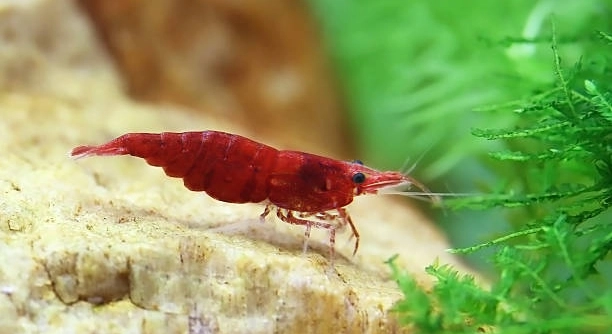
Do you ever find yourself meticulously changing your shrimp tank water, only to wonder if it is really necessary every time? Maintaining a healthy tank can feel like a constant balancing act for hobbyists of all levels.
There are specific situations when skipping a water change is recommended. Factors such as stable water parameters, minimal waste buildup, or recent tank disturbances can make immediate water changes unnecessary and potentially disruptive to the shrimp’s environment.
Understanding when to pause water changes will help you maintain a healthier, more stable tank for your shrimp over time.
Recent Water Testing Shows Stable Parameters
If your water tests consistently indicate stable ammonia, nitrite, nitrate, and pH levels, it may not be necessary to perform a water change immediately. Shrimp are sensitive to sudden changes in their environment, and unnecessary water replacement can sometimes do more harm than good. Regular monitoring of water parameters allows you to adjust your maintenance schedule to the actual needs of your tank rather than following a fixed routine. Observing shrimp behavior also provides clues—healthy shrimp with normal activity patterns often indicate that the water quality is adequate. In addition, small, established tanks with low bioloads may remain balanced for longer periods, reducing the frequency of water changes. Skipping a change when the water is stable can prevent stress, protect beneficial bacteria, and maintain the tank’s micro-ecosystem. Keeping a record of test results helps track trends over time and supports informed decisions regarding water maintenance.
Consistent water testing reduces unnecessary interventions and supports long-term tank stability.
Maintaining stable conditions ensures that shrimp experience minimal stress, encourages natural behavior, and allows the beneficial bacteria to thrive. Avoiding frequent water changes when levels are steady supports the overall health of the shrimp and the tank ecosystem. This approach also prevents accidental fluctuations in pH or temperature, which can occur with repeated water replacement, especially in small tanks. By monitoring trends rather than reacting to a strict schedule, you can keep the environment balanced, protect sensitive shrimp species, and maintain a healthy habitat without constant disturbance.
After a Recent Water Change
If you recently completed a water change, the tank’s chemical balance may need time to stabilize. Introducing new water immediately after a previous change can disrupt beneficial bacteria and alter minor parameters like pH or hardness, potentially stressing shrimp. Waiting a few days allows the tank ecosystem to adjust naturally. This is especially important in tanks with delicate or small shrimp populations. Even if water appears clean, the biological processes need a brief recovery period before the next intervention. Overchanging can reduce natural microfauna and impact overall tank health.
Skipping additional water changes immediately after one supports the tank’s stability and protects shrimp from sudden fluctuations.
After a water change, observe shrimp behavior and monitor water parameters over several days. Shrimp may show reduced activity or hiding if stressed by repeated changes, signaling the need for a stable period. During this time, feeding should remain minimal to prevent excess waste. Avoid adjusting other environmental factors unless tests indicate a clear problem. This practice allows the tank to reach equilibrium, ensuring chemical parameters remain steady. Maintaining consistency during this recovery period promotes healthier molting, breeding, and general activity. Over time, your tank will become more resilient to occasional disturbances, reducing the need for frequent water replacement and supporting a thriving shrimp population.
Low Shrimp Activity
Shrimp naturally have periods of low activity, especially during molting or after feeding. If they appear calm and are not showing stress, it may be wise to skip a water change. Sudden changes can disturb their routine and affect their comfort.
Observing shrimp behavior over several days provides insights into the tank’s stability. Low activity does not always indicate poor water quality. Shrimp often conserve energy while molting or adjusting to minor environmental changes. Frequent water changes during these times can create unnecessary stress. Monitoring their eating patterns and interactions ensures they remain healthy. If all other indicators, such as water parameters and tank cleanliness, are normal, delaying a water change can support their natural cycles and prevent sudden fluctuations in their environment. This approach helps maintain a calm and stable habitat for them to thrive.
Maintaining a predictable environment during these low-activity periods helps shrimp complete essential processes like molting safely. It also reduces the risk of shocking the tank ecosystem with unnecessary water replacement. Patience during these times allows the microfauna and beneficial bacteria to remain balanced, supporting long-term tank health. By observing and respecting shrimp routines, you avoid interventions that could unintentionally disrupt their natural behavior and overall well-being.
Recently Added Shrimp or Plants
Introducing new shrimp or plants can temporarily disrupt tank stability. The ecosystem needs time to adjust, and changing water immediately may create fluctuations that stress newcomers. Waiting allows them to acclimate naturally.
New additions affect water chemistry in subtle ways. Shrimp release waste slowly as they settle, and plants adjust nutrient uptake. Performing a water change too soon can dilute essential elements and affect beneficial bacteria. This adjustment period ensures that the tank stabilizes around the new inhabitants without unnecessary interference. Observing how shrimp explore and feed, along with plant growth patterns, provides a clearer understanding of when the next water change is necessary.
Giving new shrimp and plants time to adapt reduces stress and supports their long-term health. Immediate water changes can disrupt acclimation, but patience allows the ecosystem to reach a stable balance. Monitoring water parameters alongside shrimp and plant behavior ensures a controlled environment, allowing natural biological processes to continue uninterrupted. By holding off on unnecessary water changes, the tank remains supportive, and new additions have the best chance to thrive. This careful observation and restraint help prevent shock, promote healthy growth, and maintain a resilient tank environment.
Recently Fed Shrimp
If shrimp have just been fed, it’s best to wait before changing the water. Fresh food takes time to digest, and immediate water changes can remove nutrients or disturb the tank environment.
Delaying a water change after feeding prevents sudden fluctuations and keeps beneficial bacteria stable. Removing water too soon can also stress shrimp and reduce their access to food. Monitoring uneaten food and adjusting future feedings ensures a balanced environment without unnecessary interference.
Newly Established Tank
A newly set-up tank is still developing its biological balance. Frequent water changes can hinder the growth of beneficial bacteria, which are essential for maintaining safe ammonia and nitrite levels. Allowing the tank to stabilize naturally supports a healthy environment for shrimp.
Minimal Waste Buildup
If the tank shows little waste, algae, or leftover food, skipping a water change is acceptable. The existing water remains clean and safe for shrimp.
How often should I test my shrimp tank water?
Testing frequency depends on tank size, shrimp population, and setup stability. For a well-established tank, weekly testing of ammonia, nitrite, nitrate, and pH is usually sufficient. Newly set-up tanks may require daily testing during the first few weeks to ensure biological balance is developing properly.
Can skipping a water change harm my shrimp?
Skipping a water change occasionally is generally safe if water parameters are stable and waste levels are low. Constantly skipping changes, however, can allow toxins to accumulate over time. Monitoring the tank and adjusting based on conditions helps prevent harm while avoiding unnecessary interventions.
Is it okay to skip water changes after feeding?
Yes. Shrimp digest food slowly, and immediate water changes can remove nutrients and disturb their natural environment. Observing how much food is consumed and waiting for digestion helps maintain stability and supports healthy shrimp activity.
What signs indicate it’s safe to skip a water change?
Safe conditions include stable ammonia, nitrite, nitrate, and pH levels, minimal leftover food, low algae growth, and shrimp exhibiting normal behavior. Healthy activity and consistent feeding patterns indicate the tank is balanced, reducing the immediate need for water replacement.
Should I skip water changes for newly added shrimp or plants?
Yes, giving new shrimp or plants a few days to acclimate is beneficial. Immediate changes can shock newcomers and disrupt the tank’s micro-ecosystem. Observing behavior and water parameters before making changes ensures the tank adjusts safely.
How does low shrimp activity affect water change schedules?
Periods of low activity, such as during molting, are natural. Skipping water changes during these times helps maintain a stable environment. Sudden changes can stress shrimp and interfere with essential processes like molting and feeding.
Can a newly established tank skip water changes?
Initially, frequent changes may disrupt beneficial bacteria growth. Allowing a new tank to stabilize naturally helps establish biological filtration. Testing water regularly ensures ammonia and nitrite remain under control, and changes can be introduced gradually if necessary.
What if my tank shows minimal waste?
If there is little leftover food, algae, or debris, the water remains clean. Skipping a change in these cases is usually safe, as the tank ecosystem can maintain balance without intervention. Monitoring waste accumulation helps determine the next appropriate water change.
Are there risks to skipping water changes after a recent water test?
If recent tests show stable parameters, skipping a change is generally safe. Water changes too soon after testing or a previous change can disturb the balance of beneficial bacteria and minor chemical levels, causing unnecessary stress for shrimp.
How do I know when to resume water changes?
Resume changes when ammonia, nitrite, or nitrate levels rise, leftover food accumulates, algae grows excessively, or shrimp show signs of stress. Regular observation, along with water testing, helps determine the right time to safely intervene without disrupting tank stability.
Can skipping water changes save time without affecting shrimp health?
Yes. Skipping unnecessary water changes when conditions are stable allows the tank to maintain equilibrium and reduces stress on shrimp. Proper monitoring ensures water quality remains safe, allowing for a more efficient maintenance routine without compromising shrimp well-being.
Does skipping water changes affect shrimp breeding?
Stable water conditions support successful breeding. Frequent or unnecessary changes can alter parameters and stress shrimp. Maintaining consistency by skipping changes when safe helps create an environment conducive to molting, mating, and healthy offspring development.
How do I balance water changes and tank stability?
Monitoring water parameters, shrimp behavior, and waste accumulation is key. Water changes should address specific needs rather than follow a rigid schedule. Skipping unnecessary changes prevents fluctuations, while timely interventions ensure long-term health and stability for the shrimp population.
Can skipping water changes prevent stress for sensitive shrimp species?
Yes. Sensitive species are more affected by sudden changes in water chemistry or temperature. Avoiding unnecessary water changes during stable conditions reduces stress and supports natural behavior, molting cycles, and overall well-being.
What is the best approach to determine when to skip a water change?
The best approach combines water testing, observation of shrimp activity, monitoring waste, and assessing recent changes. Skipping a change is appropriate when parameters are stable and shrimp are healthy. This careful observation ensures the tank remains balanced and supports long-term shrimp health.
Maintaining a shrimp tank requires careful attention, but it does not always mean performing water changes on a strict schedule. Skipping a water change can sometimes be the best decision when conditions are stable, waste is minimal, and shrimp appear healthy. Observing the tank and understanding its balance are essential parts of caring for these delicate creatures. Shrimp rely on stable water parameters, and unnecessary changes can cause fluctuations in pH, temperature, or beneficial bacteria populations. By paying close attention to ammonia, nitrite, nitrate, and pH levels, you can determine whether a water change is truly needed or if it is safe to wait. Recording these measurements over time helps identify patterns, making it easier to predict when a water change is necessary.
Timing is another important factor to consider. After feeding, during molting, or immediately following a previous water change, it is often better to pause maintenance for a short period. Shrimp can become stressed by sudden environmental changes, which can impact feeding, molting, and overall health. Newly added shrimp or plants also need time to adjust to their surroundings, and frequent water changes during this period can interfere with acclimation. Similarly, in newly established tanks, allowing beneficial bacteria to develop without frequent intervention supports long-term stability. Observing shrimp behavior during these times provides insight into whether the tank is in balance. If shrimp are active, feeding normally, and behaving naturally, the water is likely healthy enough to skip a change.
Ultimately, understanding your tank and your shrimp is more important than following a rigid schedule. Each tank has unique conditions based on size, population, and filtration, and what works for one setup may not apply to another. Skipping water changes should be a mindful decision based on testing, observation, and knowledge of shrimp behavior. By focusing on stability, minimizing stress, and monitoring key parameters, you create a supportive environment that promotes shrimp health and longevity. This approach allows you to maintain a balanced and thriving tank without unnecessary work, while ensuring that your shrimp have the best conditions to grow, molt, and reproduce successfully. Over time, developing an intuitive understanding of your tank will make it easier to know when a water change is necessary and when it can safely be skipped.

Hello,
If you enjoy the content that we create, please consider saying a "Thank You!" by leaving a tip.
Every little bit helps us continue crafting quality advice that supports the health, happiness, and well-being of pets around the world, for pets of all shapes, sizes, and species.
We really appreciate the kindness and support that you show us!