
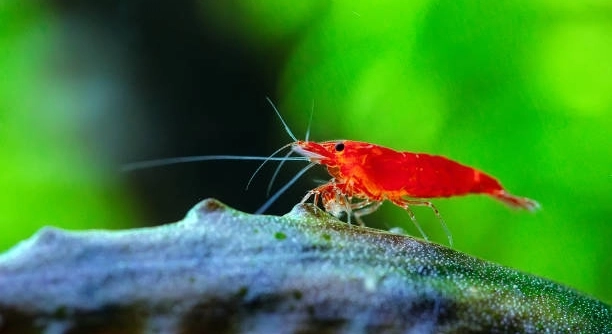
Are your cherry shrimp moving differently under your aquarium light? Changes in lighting can subtly affect their behavior and activity. Observing these small crustaceans can reveal how environmental shifts influence their daily routines and overall well-being.
Cherry shrimp are sensitive to changing light, as sudden shifts can cause stress and alter their activity patterns. Gradual adjustments in light intensity and duration help maintain their natural behavior and reduce potential health risks.
Understanding how light affects shrimp can improve tank management and promote healthier, more active shrimp in your aquarium environment.
How Light Changes Affect Cherry Shrimp Behavior
Cherry shrimp react noticeably to shifts in lighting. When the light in their tank becomes too bright or changes suddenly, they often retreat to hiding spots, reducing their activity and feeding. This stress can lead to color fading and slower growth. Even small adjustments in lighting, like turning on a stronger bulb or exposing them to daylight through a window, can trigger these behaviors. Over time, frequent fluctuations may disrupt their natural rhythm and cause long-term health problems. Observing them closely allows you to see these subtle changes early. Stress signs include less movement, clinging to plants, and decreased interaction with tank mates. Gradual transitions in lighting, such as dimming the light over several hours or using a timer, help shrimp adapt comfortably. Maintaining consistent light patterns ensures a stable environment, supporting their well-being and encouraging normal molting, feeding, and breeding behaviors.
Adjusting light slowly helps shrimp avoid stress and keeps their behavior consistent, supporting healthier growth and color.
Proper light management involves more than avoiding sudden changes. Consistent light schedules mimic natural day-night cycles, encouraging regular activity and feeding. Using low-intensity LED lights can reduce stress while still allowing plant growth. Observing shrimp responses during different lighting times helps you fine-tune their environment. Some shrimp prefer shaded areas or dense plant coverage to feel secure. Providing hiding spots, moss, and decorations lets them regulate exposure and maintain comfort. Avoid placing tanks where sunlight hits directly, which can cause overheating and algae growth, indirectly stressing shrimp. Even small improvements, like repositioning lights or installing a timer, can make a noticeable difference in shrimp behavior and health. Monitoring water parameters alongside lighting ensures overall stability. Maintaining a calm environment, free from frequent disturbances and abrupt light changes, promotes normal molting, feeding, and breeding patterns. Consistent observation and adjustments help you create a thriving, low-stress environment for cherry shrimp, supporting both their physical and behavioral health.
Tips for Gradual Light Adjustments
Start with incremental changes in lighting intensity. This prevents stress and allows shrimp to adapt naturally to new conditions.
Gradually adjust your aquarium light by increasing or decreasing brightness in small steps over several days. Use a timer to maintain consistent day-night cycles, which helps shrimp establish routines and reduces sudden stress responses. Observing their behavior during these transitions ensures that the changes are not too abrupt. Combining light adjustments with proper plant placement and hiding spots creates a comfortable environment. Avoid abrupt exposure to sunlight or powerful bulbs, as this can trigger hiding and reduced feeding. Slow, deliberate changes in light improve shrimp health, encourage normal coloration, and support active, natural behavior in the tank over time.
Signs of Stress from Lighting
Shrimp that are stressed by light may hide more, show faded colors, or move less. Sudden bright light often triggers these behaviors, signaling that the environment needs adjustment to maintain their comfort and health.
Stress can lead to molting issues and reduced feeding. When cherry shrimp experience abrupt or intense lighting, they often retreat to plants or decorations, avoiding open areas. Over time, this behavior can impact growth and overall vitality. Maintaining consistent, gentle lighting reduces stress and encourages normal activity patterns. Observing shrimp daily allows you to notice subtle behavioral changes early, ensuring timely adjustments before health is affected.
Behavioral signs are important for long-term shrimp care. Noticing retreats, color changes, and reduced interaction helps identify stressful conditions. Implementing slow, incremental light adjustments and providing shaded areas encourages natural activity. These strategies prevent long-term health problems and support normal feeding, molting, and reproduction. Regular monitoring of their response to light ensures that the aquarium environment remains stable and suitable, promoting thriving shrimp and balanced tank dynamics.
Adjusting Light Intensity
Changing light intensity gradually allows shrimp to acclimate without stress. Sudden increases or decreases can trigger hiding and color fading. Providing a consistent, low-intensity light helps them remain active.
Use timers and dimmable LEDs to create a stable light schedule. Gradual changes, such as raising brightness by small increments over several days, allow shrimp to adapt naturally. Combining this with plant coverage and decorations provides safe zones and reduces stress responses. Avoid sudden exposure to direct sunlight or strong bulbs. Monitoring shrimp behavior during adjustments helps you ensure the environment remains suitable. Consistent light management supports feeding, molting, and normal activity patterns while reducing stress.
Proper intensity adjustments also involve observing tank conditions and shrimp reactions. Monitor whether shrimp explore open areas or stay hidden, adjusting light accordingly. Pairing slow intensity changes with consistent day-night cycles fosters stability, helping shrimp maintain normal coloration, behavior, and health. Incorporating low-stress lighting routines improves tank harmony, encourages active feeding, and reduces risks associated with abrupt environmental changes. These measures create a comfortable habitat, promoting natural shrimp behaviors and long-term well-being while maintaining a visually balanced aquarium.
Gradual Light Transitions
Implementing slow changes in lighting prevents stress. Abrupt shifts make shrimp hide and reduce feeding, while gradual transitions support normal behavior and comfort in their environment.
Using a dimmer or adjusting timers in small increments allows shrimp to adapt naturally. Combining this with shaded areas ensures they remain active and healthy.
Optimal Light Duration
Maintaining consistent light duration supports shrimp activity and tank balance. Too much or too little light disrupts feeding, molting, and overall well-being. A stable schedule mimics natural day-night cycles, promoting normal behavior.
Combining Light with Tank Environment
Plants, decorations, and hiding spots help shrimp cope with light changes. Dense foliage or moss provides refuge, letting them regulate exposure naturally. Proper placement of these elements ensures shrimp can move freely while avoiding stress from overly bright areas.
Monitoring Shrimp Response
Observe shrimp regularly for color, movement, and hiding tendencies. Their behavior indicates whether lighting and environment adjustments are effective and supports healthier, more active shrimp in the tank.
FAQ
How quickly do cherry shrimp respond to light changes?
Cherry shrimp react almost immediately to sudden light changes. Bright or intense lighting can make them hide or stop feeding within minutes. Gradual adjustments, such as dimming over a few hours or using a timer, help them adapt without stress. Observing their daily behavior helps you gauge how well they are coping.
Can too much light harm cherry shrimp?
Excessive light can cause stress, faded colors, and reduced activity. It may also encourage algae growth, indirectly affecting shrimp health. Maintaining moderate, consistent lighting and providing shaded areas or plants allows shrimp to regulate their exposure naturally and stay active.
Is it better to use natural or artificial light?
Both natural and artificial light can work, but consistency is key. Direct sunlight can overheat the tank or create extreme brightness, while LED or fluorescent lighting offers controlled intensity and duration. Timers ensure predictable day-night cycles, supporting normal shrimp behavior.
How long should the aquarium light be on each day?
Light should generally be on 8–10 hours daily. This duration balances plant growth and shrimp activity without causing stress. Using a timer maintains a steady schedule and prevents accidental overexposure, helping shrimp maintain normal feeding, molting, and activity patterns.
What are signs that shrimp are stressed by light?
Shrimp under stress often hide more, move less, or lose vibrant color. Some may cling to decorations or stay in shaded areas. Stress can also impact molting, feeding, and reproduction. Regular observation helps catch these signs early, allowing adjustments to light intensity or placement.
How can I gradually adjust light for stressed shrimp?
Start by changing brightness in small increments over several days. Use dimmers or timers to control intensity and duration. Adding shaded areas with moss, plants, or decorations gives shrimp safe spaces while they adapt. Monitor their activity to ensure the changes are effective and non-stressful.
Do cherry shrimp prefer certain types of bulbs?
LED bulbs are ideal because they offer adjustable intensity, low heat output, and energy efficiency. Fluorescent bulbs are also acceptable but may generate more heat. Avoid strong, high-wattage bulbs that can cause sudden brightness and stress. Combining bulbs with tank shading ensures a comfortable environment.
Can sudden light changes affect shrimp breeding?
Yes, abrupt light shifts can disrupt breeding behavior. Stress from intense or fluctuating lighting may delay or prevent molting, which is essential for reproduction. Maintaining a stable light schedule and gentle transitions supports healthier breeding cycles and active shrimp populations.
Should I consider tank placement when managing light?
Tank placement is crucial. Avoid direct sunlight or areas with inconsistent lighting. Positioning the tank in a stable, shaded location and using controlled artificial lighting helps maintain consistent day-night cycles, reducing stress and promoting normal shrimp behavior.
How do plants help shrimp cope with lighting changes?
Plants provide shade and hiding spots, allowing shrimp to regulate light exposure naturally. Dense moss, floating plants, or tall stems create shaded areas, encouraging exploration and feeding while reducing stress from bright conditions. Integrating plants enhances both shrimp comfort and tank aesthetics.
Is monitoring water parameters important when adjusting light?
Yes, water quality interacts with light. Sudden lighting can raise algae growth, affecting oxygen and chemical balance. Keeping stable parameters alongside gradual light adjustments ensures shrimp health and reduces additional stressors in the aquarium environment.
How can I tell if shrimp are adapting to new light conditions?
Observe their activity, color, and feeding. Shrimp that explore, maintain vibrant color, and feed normally indicate successful adaptation. Hiding, color fading, or reduced movement signals that changes are too abrupt or intensity is too high, requiring further adjustment.
What is the safest way to experiment with different light schedules?
Introduce new schedules slowly, adjusting time or intensity in small increments over several days. Use timers and monitor shrimp behavior carefully. Combining these changes with plants and hiding spots ensures a low-stress transition and supports natural rhythms in the tank.
Can overexposure to light shorten shrimp lifespan?
Prolonged exposure to bright light increases stress, reduces feeding, and may cause molting issues, potentially affecting lifespan. Maintaining moderate, consistent lighting with shaded areas and gradual transitions promotes long-term health and normal behavior.
Do all shrimp react the same way to light changes?
Individual shrimp can vary in sensitivity. Some may tolerate slight changes, while others hide immediately. Observing each shrimp’s response allows tailored adjustments, ensuring all tank inhabitants remain comfortable and stress-free.
Final Thoughts
Managing lighting for cherry shrimp is an important part of keeping them healthy and active. Sudden changes in brightness or intensity can cause stress, making shrimp hide or stop feeding. Stress can also affect their color, molting process, and overall vitality. Observing shrimp behavior closely helps identify when light adjustments are needed. Even small changes in lighting can have a noticeable impact, so taking the time to make gradual adjustments ensures shrimp remain comfortable and maintain normal activity levels. Consistent light schedules mimic natural day-night cycles, which supports their feeding, growth, and reproductive behaviors.
Providing shaded areas and plants within the tank can help shrimp cope with light changes. Moss, tall plants, or decorations create spaces where shrimp can retreat when they feel exposed. These hiding spots allow shrimp to regulate their exposure to light naturally, reducing stress and supporting normal behavior. Low-intensity LED lights are particularly effective because they provide sufficient illumination without overwhelming the shrimp. Timers can also help maintain consistent lighting patterns, preventing abrupt changes that may disrupt their routines. Monitoring shrimp daily allows you to track how they respond to new lighting conditions, giving a clear indication of whether further adjustments are necessary.
A stable and controlled lighting environment benefits not only shrimp health but also the overall balance of the aquarium. Maintaining moderate light levels prevents excessive algae growth while promoting a calm and suitable environment for shrimp and plants alike. Gradual adjustments, consistent schedules, and thoughtful tank arrangements all contribute to the well-being of your shrimp. By paying attention to their reactions and providing opportunities to adapt naturally, shrimp are more likely to thrive, display vibrant colors, and remain active. Good lighting management, combined with proper tank care, creates a safe and supportive habitat where cherry shrimp can live healthy, stress-free lives.

Hello,
If you enjoy the content that we create, please consider saying a "Thank You!" by leaving a tip.
Every little bit helps us continue crafting quality advice that supports the health, happiness, and well-being of pets around the world, for pets of all shapes, sizes, and species.
We really appreciate the kindness and support that you show us!