
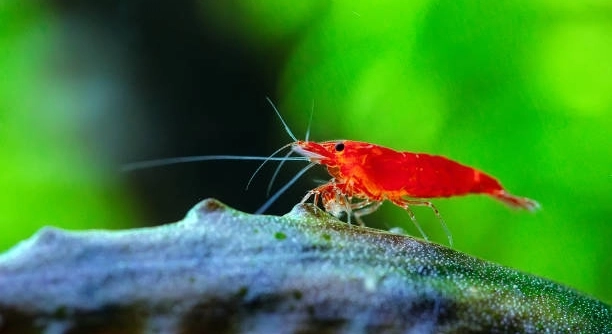
Cherry shrimp are small, colorful creatures that often catch the eye in aquariums. Many hobbyists notice them clustering along the glass walls, moving slowly but constantly, which can seem puzzling to those new to shrimp care.
Cherry shrimp spend time on glass walls primarily for feeding and grazing. Algae and biofilm tend to accumulate on these surfaces, providing an accessible source of nutrition. This behavior is natural and supports their growth and overall health in the tank.
Observing this behavior more closely can help you understand your shrimp’s habits and maintain a healthier, more balanced aquarium environment.
Why Cherry Shrimp Prefer Glass Surfaces
Cherry shrimp often gather on the glass walls of an aquarium because it provides an ideal feeding area. Algae and biofilm grow naturally on the glass, giving shrimp a constant supply of food. The smooth surface is easy for them to cling to with their tiny legs. They move along the walls, grazing steadily, which allows them to get enough nutrition without competing too much with other tank inhabitants. Glass walls also offer a sense of security. Being transparent, the glass lets them observe their surroundings while feeling sheltered from potential threats. Shrimp are naturally cautious creatures, and staying near the glass reduces stress. Light levels near the tank edges can also encourage algae growth, indirectly attracting shrimp. Watching them can be calming, and seeing them actively feed signals that the tank environment is supportive. Their behavior reflects their instinct to find consistent food while maintaining safety.
Cherry shrimp stay on glass because it combines food access with safety, allowing them to thrive in the aquarium environment.
The placement of shrimp on the glass can also indicate tank conditions. A tank with healthy water parameters and minimal disturbances encourages shrimp to explore surfaces confidently. The presence of plants or decorations may draw some shrimp away, but glass often remains a favorite because it is easy to reach and free of obstructions. Regular observation of glass-grazing shrimp can help identify feeding patterns and activity levels. Adjusting light and nutrient levels may influence algae growth, which in turn affects where shrimp spend most of their time. A clean, balanced tank ensures that shrimp remain active and healthy. Monitoring how often they cling to the glass versus other surfaces can provide subtle clues about their diet and comfort. Over time, these small behaviors help maintain the overall stability of the tank ecosystem, keeping shrimp active and vibrant.
Common Misunderstandings About Glass-Grazing
Some aquarium owners assume shrimp are stuck or stressed when they cling to glass.
In reality, this behavior is normal and beneficial. Shrimp graze on biofilm that naturally forms on smooth surfaces, which supplements their diet with essential nutrients. They also use the glass to rest safely while remaining alert to their surroundings. Unlike hiding in plants or decorations, the transparency of glass allows them to monitor movement in the tank, reducing stress. Frequent glass-grazing does not indicate illness; it usually shows that the shrimp are feeding efficiently. Ensuring a balance of algae, proper water conditions, and occasional supplemental food supports this natural behavior. Regular maintenance, like gentle cleaning of the glass and water monitoring, can keep their environment ideal without removing too much of their grazing surface. Observing how shrimp interact with the glass can give insights into their health, activity, and environmental preferences. Understanding these patterns helps maintain an aquarium that encourages natural, stress-free behavior for the shrimp.
How Water Quality Affects Glass Behavior
Poor water conditions can influence shrimp behavior, including their tendency to cling to glass. Ammonia, nitrite, or nitrate spikes may make shrimp more cautious, causing them to stay near surfaces they perceive as safe. Regular water testing helps maintain stability and keeps shrimp comfortable in their environment.
Maintaining stable water parameters is essential for cherry shrimp health. Frequent water changes and monitoring temperature, pH, and hardness ensure shrimp remain active and feed properly. When water conditions fluctuate, shrimp may graze excessively on glass as a coping mechanism. Balanced water encourages natural behavior, reduces stress, and supports molting cycles. Observing shrimp habits alongside water readings allows for adjustments before problems arise. Keeping water clean is not only about appearance but also about promoting proper shrimp activity and growth, making the aquarium healthier for all inhabitants.
Shrimp often respond quickly to water changes. Adding conditioned water gradually prevents sudden shifts that could cause stress. Even minor fluctuations in pH or temperature can change where shrimp prefer to spend time. Glass surfaces may become a temporary refuge as they adjust. Monitoring these behaviors provides insight into tank stability and the shrimp’s well-being. Regular testing and careful water management minimize risk, supporting natural grazing patterns and overall health. When shrimp feel secure, they use glass for feeding rather than as a stress response.
Feeding Patterns and Glass Grazing
Shrimp frequently visit the glass to feed on naturally forming algae and biofilm. This surface provides a reliable, nutrient-rich source of food. Grazing on glass is part of their daily routine and helps maintain energy levels without competing with other tank inhabitants.
Cherry shrimp have consistent feeding patterns that often lead them to the glass. They prefer surfaces with accessible algae, moving methodically to scrape and ingest it. Supplemental food, such as shrimp pellets or blanched vegetables, supports this behavior and keeps them healthy. When food in the water column is limited, shrimp rely more on glass surfaces, which remain a dependable grazing spot. Observing these patterns can indicate if supplemental feeding is needed or if algae growth is sufficient. Properly timed feeding ensures shrimp remain active, healthy, and continue their natural grazing behavior without stress.
Glass grazing also allows shrimp to maintain hygiene. By scraping surfaces, they remove leftover detritus and biofilm that could otherwise encourage harmful bacterial growth. This behavior supports both individual health and overall tank cleanliness. Regular monitoring of shrimp grazing helps identify changes in diet, behavior, or tank conditions, allowing for timely interventions. Over time, the balance of natural algae, supplemental feeding, and clean water ensures shrimp continue using glass effectively as a food source, promoting consistent growth and vitality in the aquarium.
Light and Glass Interaction
Cherry shrimp are attracted to areas with moderate light, which encourages algae growth on the glass. They often gather on surfaces where the light highlights biofilm, making it easier to find and feed. Proper aquarium lighting supports this natural grazing behavior without stressing the shrimp.
Too much direct light can make shrimp cautious, while low light may reduce visible algae. Adjusting light intensity ensures shrimp feel safe while accessing food. Balanced lighting helps maintain their activity and encourages healthy grazing habits on the glass surfaces.
Molting and Glass Activity
Molting is a critical process for cherry shrimp, and they often use glass walls for support. Clinging to a solid surface provides stability and security during this vulnerable time. The smooth surface minimizes the risk of injury while they shed their old exoskeleton.
Tank Cleanliness Influence
Shrimp grazing on glass can help reduce algae buildup. Regular cleaning of the tank ensures excess waste is removed, preventing harmful bacteria. This behavior complements maintenance, keeping both shrimp and aquarium healthier over time.
FAQ
Why are cherry shrimp always on the glass?
Cherry shrimp spend time on glass primarily to feed on algae and biofilm. Glass surfaces offer a stable, safe area with easy access to these natural food sources. They also allow shrimp to monitor their surroundings while grazing, making it a preferred spot for daily activity.
Is it normal for shrimp to stay on the glass most of the time?
Yes, it is normal. Shrimp will often spend much of their time on glass because it provides consistent food and safety. Occasional movement to plants or decorations is normal, but frequent glass activity is typical and indicates healthy feeding habits.
Does the type of glass affect shrimp behavior?
Smooth, clear glass is ideal for shrimp to cling to while grazing. Textured or dirty glass may reduce their activity in those areas. Maintaining clean, transparent surfaces supports natural behavior and makes it easier for shrimp to access algae and biofilm.
Can feeding habits be influenced by glass grazing?
Yes, grazing on glass supplements their diet. When natural food is scarce in the water column, shrimp rely more on biofilm on surfaces. Offering occasional supplemental foods like blanched vegetables or shrimp pellets can ensure they get balanced nutrition while still encouraging natural grazing behavior.
Do shrimp use glass for molting?
Glass provides stability during molting. Shrimp often cling to solid surfaces to shed their old exoskeleton safely. A smooth, secure surface reduces the risk of injury or stress, helping shrimp complete the molting process efficiently. Observing them during this time can give insight into their overall health.
Does water quality impact glass activity?
Absolutely. Stable water parameters encourage shrimp to behave naturally, including grazing on glass. Spikes in ammonia, nitrite, or nitrate can make shrimp more cautious, potentially increasing their time on safer surfaces like glass. Regular testing and maintenance help maintain optimal behavior.
How does light affect their presence on glass?
Moderate light promotes algae growth, attracting shrimp to glass surfaces. Too much direct light may make them cautious, while low light can reduce visible algae. Balanced lighting supports healthy feeding patterns without causing stress or reducing activity.
Can cleaning the glass affect shrimp behavior?
Cleaning glass removes algae and biofilm, temporarily reducing food sources. Shrimp may move to other surfaces or rely more on supplemental feeding until algae regrows. Gentle cleaning is recommended to preserve some grazing areas and maintain their natural behavior.
Do tank decorations reduce glass grazing?
Decorations provide alternative surfaces for feeding and hiding, but glass often remains a preferred spot due to accessibility and visibility. Shrimp use a mix of surfaces, with glass serving as a reliable area for consistent grazing.
How often should shrimp be observed on glass?
Regular observation helps monitor feeding, activity, and health. Noticing changes in grazing patterns can indicate water quality issues, insufficient food, or stress. Observing glass behavior is a practical way to keep track of shrimp well-being and tank stability.
Does the number of shrimp affect glass grazing?
Higher shrimp populations may increase competition for food, but glass often remains accessible enough for most individuals. Overcrowding can push some shrimp to seek alternative surfaces, but glass generally accommodates their grazing needs effectively.
What signs indicate unhealthy behavior on glass?
Shrimp remaining motionless for long periods, showing discoloration, or failing to feed may indicate stress or illness. While normal grazing is active and steady, abrupt changes in glass activity should be monitored closely to address potential tank issues.
Can temperature changes influence glass activity?
Yes, shrimp are sensitive to water temperature. Sudden drops or spikes may cause them to cling more to stable surfaces like glass. Maintaining consistent temperature ensures they continue natural grazing and reduces stress-related behavior.
How do shrimp benefit from glass grazing?
Glass grazing allows shrimp to access nutrients, maintain cleanliness by scraping surfaces, and stay safe while feeding. This behavior supports growth, molting, and overall health, making it a vital part of their daily routine in a well-maintained aquarium.
Should I provide extra surfaces to reduce glass grazing?
Providing plants, moss, or other surfaces gives shrimp additional grazing options, but glass usually remains a primary location due to its visibility and algae growth. Diversifying surfaces can promote natural activity without discouraging glass grazing entirely.
Does the age of shrimp affect their behavior on glass?
Younger shrimp may explore more and use various surfaces, while adults often prefer stable, reliable spots like glass for feeding. Both age groups use glass regularly, but younger shrimp may be more active in searching for food throughout the tank.
How long do shrimp typically spend on glass each day?
This varies with food availability, water conditions, and light. Many shrimp spend several hours grazing on glass daily, moving between surfaces as needed. Consistent glass activity usually indicates a healthy environment and steady access to natural food sources.
Is glass grazing harmful to shrimp?
No, grazing on glass is a natural, healthy behavior. It provides nutrition, stability during molting, and interaction with their environment. Proper care and balanced tank conditions ensure that this behavior supports growth and well-being without negative effects.
Can observing glass behavior help improve shrimp care?
Yes, tracking how shrimp use glass can reveal insights into water quality, feeding sufficiency, and stress levels. Changes in behavior may indicate when adjustments in diet, lighting, or maintenance are needed, helping maintain a healthy, thriving aquarium environment.
What is the best way to encourage natural glass grazing?
Provide moderate lighting, maintain stable water conditions, and allow algae to grow naturally. Supplement their diet occasionally and avoid overcleaning the glass. These steps promote healthy, consistent grazing behavior and overall shrimp vitality.
Final Thoughts
Cherry shrimp spending time on the glass is a natural and healthy behavior. It reflects their instinct to find consistent food while remaining safe. Algae and biofilm grow naturally on smooth surfaces, providing a reliable source of nutrients. Watching shrimp graze along the glass shows that they are active, alert, and able to access food without stress. This behavior is part of their daily routine and supports growth, molting, and overall well-being. The glass provides stability during vulnerable moments, such as molting, and allows shrimp to monitor their surroundings while feeding. For hobbyists, observing this activity can be reassuring, as it indicates that the tank conditions are generally suitable and that shrimp are behaving normally.
Maintaining proper water conditions and providing a balanced environment is essential for supporting this behavior. Stable temperature, pH, and hardness encourage shrimp to feed naturally and remain active. Algae growth, influenced by moderate lighting, ensures that the glass remains a useful grazing surface. At the same time, careful cleaning preserves enough biofilm for shrimp without compromising tank hygiene. Supplemental foods like blanched vegetables or shrimp pellets can provide additional nutrition, but glass grazing should remain a regular part of their feeding habits. Observing how shrimp interact with the glass helps identify changes in behavior, which may indicate water quality issues or nutritional needs. By keeping the tank stable, clean, and balanced, hobbyists can support natural behaviors that benefit both the shrimp and the aquarium ecosystem.
Understanding why cherry shrimp are drawn to glass can help hobbyists provide a healthier and more engaging environment. It is not a sign of stress or discomfort but rather a reflection of instinctual behavior and a need for steady nutrition. Glass grazing is closely tied to feeding patterns, tank cleanliness, and overall comfort. Providing alternative surfaces, maintaining stable water conditions, and monitoring lighting all contribute to a supportive habitat. Paying attention to these details helps ensure shrimp remain active, healthy, and able to thrive. Observing shrimp on the glass is an opportunity to understand their habits better, support their natural behaviors, and create a stable, well-maintained aquarium where they can continue to grow and remain vibrant. This simple behavior, though easily overlooked, is an important part of their care and an indicator of a healthy aquatic environment.

Hello,
If you enjoy the content that we create, please consider saying a "Thank You!" by leaving a tip.
Every little bit helps us continue crafting quality advice that supports the health, happiness, and well-being of pets around the world, for pets of all shapes, sizes, and species.
We really appreciate the kindness and support that you show us!