
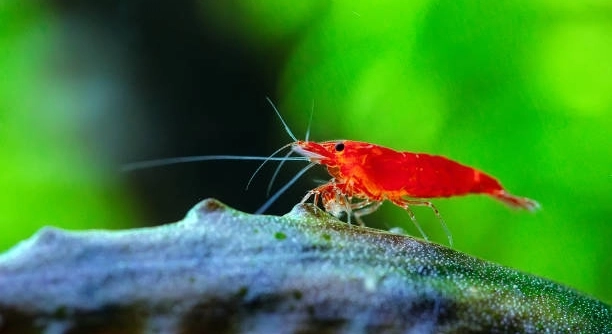
Are your cherry shrimp moving slower than usual in your aquarium? Observing their activity can reveal a lot about their health and the environment they live in. Mobility is often influenced by several subtle but important factors.
Cherry shrimp mobility is primarily affected by water quality, temperature, diet, age, stress, tank companions, and substrate type. Each factor plays a significant role in their ability to swim efficiently, maintain energy, and avoid health complications in captivity.
Understanding these elements will help you maintain a vibrant and active shrimp colony. Proper care ensures your shrimp thrive in a safe, healthy environment.
Water Quality
Poor water quality directly impacts cherry shrimp mobility. High levels of ammonia, nitrites, or nitrates can stress shrimp, reducing their activity. Maintaining stable pH, hardness, and temperature is crucial for their health. Frequent water changes and proper filtration help create a clean environment that supports natural movement. Observing shrimp behavior can alert you to water problems before they become severe. Even slight fluctuations can make shrimp sluggish or hide more often. Overfeeding can also contribute to deteriorating water conditions, as uneaten food decomposes and increases harmful compounds. Using test kits regularly ensures parameters stay within safe ranges. Plants and biofilm can also assist in maintaining water quality by absorbing excess nutrients. Providing a stable and clean habitat promotes not only mobility but overall longevity. Small adjustments in tank maintenance routines often result in noticeable changes in shrimp activity. Monitoring water carefully is key to maintaining a lively and active aquarium.
Proper water quality keeps shrimp energetic and active, supporting long-term health and natural behavior patterns in their tank environment.
Stable water conditions prevent sudden stress responses, encourage exploration, and allow shrimp to move freely while interacting with their surroundings without harm.
Temperature
Cherry shrimp are highly sensitive to temperature changes. They perform best in water that is consistently between 72°F and 78°F. Sudden drops or spikes can slow their metabolism, making them less active. Maintaining a stable aquarium temperature reduces stress and promotes normal swimming patterns. Use a reliable heater and thermometer to avoid fluctuations, as shrimp cannot tolerate extreme changes. Warmer water increases metabolism but may shorten lifespan if too high, while cooler water slows activity and feeding. Temperature also affects breeding and molting, which are directly tied to movement. Observing shrimp during different times of day can reveal how temperature variations influence their behavior. Seasonal changes may require small adjustments to maintain a comfortable environment. Avoid placing tanks near windows or vents where drafts or sunlight can create uneven temperatures. Keeping conditions consistent ensures your shrimp maintain normal, healthy mobility over time.
Temperature affects metabolism, stress levels, molting, and reproduction, all of which influence how actively cherry shrimp move.
Diet
A poor diet can reduce cherry shrimp mobility. Lack of nutrients affects energy levels, making them slower and less active in the tank. A balanced feeding routine is essential for healthy movement.
Cherry shrimp need a mix of algae, biofilm, and high-quality commercial foods to stay active. Vegetables like spinach, zucchini, or blanched peas supplement their diet and provide essential vitamins. Overfeeding can be harmful, causing water quality issues that further impact mobility. Observing how quickly shrimp eat and their energy afterward helps gauge if their diet is sufficient. Rotating food types encourages natural foraging behavior. A well-fed shrimp will explore the tank more, climb plants, and interact with tankmates regularly. Feeding smaller portions frequently keeps energy levels steady.
Providing the right diet supports consistent swimming, molting, and foraging behavior. Poor nutrition can result in lethargy, slower responses to stimuli, and reduced overall health. Adjusting diet ensures shrimp maintain strong mobility and long-term vitality.
Tank Companions
Aggressive or large tankmates can hinder shrimp movement and cause stress, which directly impacts mobility.
Cherry shrimp are small and timid, so placing them with peaceful fish or invertebrates is important. Stress from predators or competitive species makes shrimp hide and reduces activity. Observing shrimp behavior around tankmates ensures they feel safe to move freely. Overstocking also causes stress, limiting swimming space. Shrimp are more likely to forage and explore when they feel secure. Avoid species known to nip or eat shrimp. Introducing tankmates gradually and monitoring interactions helps maintain a calm environment. Providing plenty of hiding spots, like moss or small caves, allows shrimp to escape threats. When companions are suitable, shrimp show natural movement, climbing, grazing, and interacting without hesitation.
A calm, compatible tank community supports natural mobility patterns. Secure hiding spots and gentle companions reduce stress, encouraging shrimp to swim, forage, and molt without interruption.
Substrate Type
The type of substrate in your tank can affect cherry shrimp movement. Fine gravel or sand allows easier walking and foraging, while rough or large gravel can slow them down or trap their tiny legs.
Plants, moss, and smooth surfaces improve mobility. Shrimp can climb, graze, and explore safely, reducing stress and encouraging activity throughout the tank.
Stress Levels
High stress reduces shrimp activity significantly. Noise, sudden movements, or frequent handling can make them hide and move less. Stress affects feeding, molting, and overall health, limiting natural mobility.
Age
Older shrimp naturally slow down. Their movement becomes less agile, and energy levels decrease, making foraging and swimming less frequent. Proper care at every stage helps maintain activity longer.
Molting
Molting periods temporarily limit mobility. During this time, shrimp are vulnerable and often hide to protect themselves. Ensuring safe spaces and proper nutrition supports successful molting and quicker recovery of normal movement.
FAQ
Why are my cherry shrimp moving so slowly?
Slow movement is often caused by poor water quality, incorrect temperature, or stress. Check ammonia, nitrite, nitrate levels, and pH. Make sure the temperature is stable and your tankmates are peaceful. Even small changes in their environment can noticeably affect activity levels.
How does water quality impact shrimp mobility?
Clean water supports energy and natural swimming patterns. High ammonia or nitrite levels are toxic and reduce activity. Frequent water changes, proper filtration, and testing parameters help maintain a safe habitat. Plants and biofilm also assist by absorbing excess nutrients, allowing shrimp to move freely.
Can diet make shrimp sluggish?
Yes, a poor diet lowers energy. Cherry shrimp need a mix of algae, biofilm, vegetables, and quality commercial foods. Overfeeding can worsen water quality, indirectly affecting movement. A balanced feeding routine keeps shrimp energetic and encourages normal foraging and climbing behavior.
Do tankmates affect shrimp activity?
Stressful or aggressive tankmates reduce mobility. Large or predatory fish make shrimp hide, limiting swimming and exploration. Peaceful companions and enough hiding spots allow shrimp to move naturally. Observing interactions ensures a calm environment where shrimp feel secure to stay active.
Does temperature really matter for shrimp mobility?
Absolutely. Shrimp thrive between 72°F and 78°F. Water too cold slows metabolism, while too warm can stress or shorten lifespan. Stable temperatures encourage normal swimming, feeding, and molting patterns. Use a reliable heater and thermometer to prevent sudden fluctuations.
How does age influence shrimp activity?
Older shrimp naturally become less agile and slower. While young shrimp are active and explore constantly, older shrimp conserve energy. Proper nutrition, stable water conditions, and stress-free environments help maintain reasonable mobility throughout their lifespan.
What role does molting play in shrimp movement?
Molting temporarily limits activity. Shrimp hide to protect themselves until their new exoskeleton hardens. Providing safe spaces and proper nutrition ensures successful molting and quicker recovery of normal movement, allowing shrimp to resume healthy swimming and foraging.
How can I tell if my shrimp are stressed?
Shrimp may hide excessively, move slowly, or avoid food when stressed. Stress can come from poor water quality, temperature swings, aggressive tankmates, or sudden changes in the environment. Reducing stress improves mobility and supports overall health.
Can substrate type affect shrimp mobility?
Yes. Fine gravel or sand allows easy walking and foraging, while rough or large gravel can slow movement or trap legs. Plants, moss, and smooth surfaces enhance climbing and grazing, reducing stress and encouraging natural behavior throughout the tank.
What steps can I take to improve shrimp mobility?
Regularly test water, maintain stable temperature, provide balanced food, keep compatible tankmates, offer hiding spots, and choose smooth substrates. Ensuring all these factors are addressed supports active, healthy shrimp that explore and forage naturally.
Maintaining healthy cherry shrimp mobility requires attention to multiple factors in the aquarium. Water quality is one of the most important aspects. Regular testing of ammonia, nitrite, nitrate, and pH levels helps keep the tank environment safe and stable. Even minor fluctuations can affect shrimp activity, so monitoring consistently is key. Temperature also plays a critical role. Shrimp thrive in a stable range between 72°F and 78°F, and sudden changes can slow metabolism and reduce movement. Using a reliable heater and thermometer ensures that the water remains within the optimal range. Together, water quality and temperature create a foundation for healthy, active shrimp that are able to forage, swim, and interact naturally in the tank.
Diet directly influences energy and activity levels. Cherry shrimp require a balanced diet of algae, biofilm, vegetables, and high-quality commercial foods. Providing a variety of foods encourages natural foraging behavior and ensures they receive essential nutrients. Overfeeding should be avoided, as decomposing food can harm water quality and indirectly impact mobility. Tankmates also affect shrimp behavior. Aggressive or large fish can stress shrimp, making them hide and move less. Peaceful companions and plenty of hiding spaces, such as moss, plants, or small caves, allow shrimp to feel secure and maintain natural activity. A well-maintained tank environment combined with proper nutrition ensures that shrimp remain lively and healthy.
Other factors, such as age and molting, naturally influence movement. Older shrimp tend to slow down, while molting periods temporarily limit activity as shrimp hide to protect themselves. Providing proper care during these stages supports recovery and maintains normal movement afterward. Substrate choice also matters, as smooth surfaces and fine gravel allow easier walking and grazing, while rough or large gravel can restrict movement. Paying attention to these details creates a supportive environment where shrimp can thrive. Overall, keeping cherry shrimp active requires a combination of stable water conditions, balanced nutrition, compatible tankmates, and careful attention to their natural needs. By focusing on these aspects, you can ensure your shrimp remain healthy, energetic, and able to exhibit their natural behaviors consistently.

Hello,
If you enjoy the content that we create, please consider saying a "Thank You!" by leaving a tip.
Every little bit helps us continue crafting quality advice that supports the health, happiness, and well-being of pets around the world, for pets of all shapes, sizes, and species.
We really appreciate the kindness and support that you show us!