
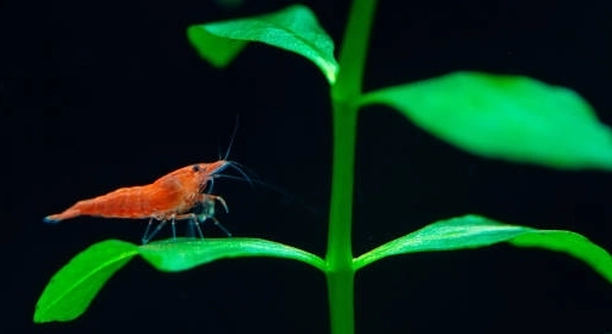
Cherry shrimp are small, colorful freshwater creatures that bring life to aquariums. Their movements and behaviors can be fascinating, especially when observing how they interact with their surroundings. Many owners enjoy arranging tanks thoughtfully.
Cherry shrimp generally prefer consistent tank layouts as sudden changes can cause stress and disrupt their natural behaviors. Maintaining stable decorations, hiding spots, and plant placement supports healthy activity, feeding habits, and overall well-being of these delicate shrimp.
Keeping your tank stable can make caring for your shrimp easier and more enjoyable. A well-planned environment helps them thrive in their home.
Understanding Cherry Shrimp Behavior
Cherry shrimp are naturally cautious and thrive in environments that feel safe. They rely on plants, rocks, and hiding spots to reduce stress. When a tank layout changes often, shrimp may hide more and explore less, which can affect feeding and activity. Consistency helps them feel secure. They are sensitive to both major rearrangements and minor shifts in decorations. Even small changes can alter their movement patterns temporarily. Observing how shrimp interact with their environment gives insight into their comfort level. For instance, a stable layout encourages more active grazing and social behavior, while frequent changes may trigger retreating or skittish movements. Maintaining a consistent environment supports molting and reproduction, as shrimp perform these processes best when they feel safe. Gradual changes, if necessary, are more effective than sudden moves. In short, understanding their natural tendencies helps create a tank that supports healthy behavior and reduces unnecessary stress.
A stable environment directly impacts shrimp confidence and daily routines. Less stress leads to more visible activity and better health outcomes.
Shrimp enjoy exploring, but their exploration is more consistent in predictable environments. A steady layout allows them to learn where food and shelter are located. This familiarity reduces anxiety and encourages social interactions. Observing them, you’ll notice more grazing on biofilm and active swimming. Even small details, like plant positions or hiding spots, matter. Consistency also supports successful molting, as shrimp need calm areas to shed exoskeletons safely. Over time, a stable tank helps maintain population health and reduces mortality. Making small, incremental changes rather than big shifts prevents stress. Feeding behavior improves when shrimp know where to find food regularly. This creates a more balanced and lively aquarium. In short, consistency directly contributes to their comfort, growth, and longevity, making it easier for owners to monitor health and enjoy their presence daily.
Tips for Maintaining Tank Consistency
Simple measures like leaving decorations and plants in the same spot reduce stress. Avoid frequent rearrangements, and introduce new elements gradually.
Regular maintenance supports a stable environment. Consistent water parameters, gentle cleaning, and predictable feeding schedules help shrimp adapt without fear. Keeping a routine encourages natural behavior patterns, and sudden shifts in water flow or temperature should be minimized. Even changing a single decoration can temporarily disrupt activity levels. Planning tank additions ahead of time ensures minimal disruption. Gradually integrating new plants or rocks over days allows shrimp to acclimate and explore safely. Observing shrimp reactions during maintenance can guide adjustments to preserve comfort. A calm, predictable tank fosters confidence, feeding, and social behaviors. Over time, this stability leads to healthier shrimp and more successful molting cycles. By prioritizing consistency, owners create a thriving habitat where shrimp can display natural behaviors without unnecessary stress, making the aquarium more enjoyable to watch and easier to manage effectively.
Adjusting Layouts Carefully
Even small changes in a tank can affect shrimp behavior. Moving a plant or rock suddenly can make them hide more and explore less, impacting feeding and activity.
When changes are necessary, it’s best to do them gradually. Introduce new plants or decorations one at a time, allowing shrimp to explore slowly. Avoid rearranging hiding spots all at once, as it can cause stress and disrupt molting. Consistency in tank flow, lighting, and decorations helps shrimp feel secure. Observing their behavior after each adjustment shows how comfortable they are. Gradual changes minimize stress and support healthy behavior patterns, keeping your shrimp active and calm.
Pay attention to areas where shrimp gather most often. Adding new hiding spots near these areas can help them adapt without fear. Avoid sudden shifts in the main swimming or feeding zones, as shrimp may avoid these areas if disturbed. Over time, gradual adjustments ensure shrimp remain confident, feeding, and displaying natural behaviors, which benefits their overall health and longevity.
Signs Shrimp Are Comfortable
Active grazing, swimming, and exploring indicate comfort in their environment. Shrimp will also interact socially without excessive hiding.
Stress often shows through retreating, clinging to surfaces, or hiding excessively. Consistent tank layouts allow shrimp to feel secure and maintain normal routines. Observing their daily patterns helps identify any changes caused by rearrangements. Sudden shifts in behavior often point to environmental stress. Gradual changes support adaptation and prevent long-term health issues. Knowing the signs of comfort versus stress ensures shrimp remain healthy.
Providing familiar hiding spots and consistent plant placement supports natural behaviors. Comfortable shrimp molt safely, feed regularly, and interact with each other. Even subtle environmental changes can affect activity, so maintaining predictability in water flow, decorations, and lighting is essential. Watching their reactions to adjustments allows owners to gauge stress levels and act quickly if needed. Over time, consistent care fosters confidence, encourages exploration, and supports reproduction. Paying attention to shrimp behavior strengthens the overall stability of the tank, ensuring the shrimp thrive in a safe and comfortable habitat.
Benefits of Consistent Layouts
Shrimp feel safer in tanks where plants and decorations remain in familiar positions. Stability encourages normal feeding, swimming, and social behaviors.
Consistent layouts reduce stress during molting. Shrimp are less likely to hide excessively or refuse food, making it easier to maintain their health and observe natural activity.
Gradual Changes for New Additions
Introducing new plants or decorations slowly prevents stress. Adding one element at a time allows shrimp to explore safely and maintain their routines. Sudden changes can disrupt grazing and hiding patterns, while gradual integration supports adaptation, confidence, and overall well-being. Careful planning ensures minimal impact on tank stability.
Observing Activity Levels
Shrimp that are active and grazing regularly indicate a stable environment. Monitoring movement patterns helps identify if adjustments are needed to maintain comfort.
FAQ
Do cherry shrimp get stressed when the tank layout changes?
Yes, cherry shrimp are sensitive to sudden changes. Even small shifts in decorations or plants can make them hide more, reduce activity, and alter feeding patterns. Stability in their environment helps them feel secure and maintain natural behavior. Gradual changes are much safer and reduce stress.
How often can I rearrange my tank?
Frequent rearrangements are not recommended. Cherry shrimp do best when their environment stays predictable. If you need to change something, make one small adjustment at a time and allow several days for shrimp to adapt before making another. This approach minimizes stress and keeps them healthy.
Can I add new plants without upsetting my shrimp?
Yes, but introduce them slowly. Place new plants in a corner or less active area first. Let shrimp explore and become accustomed to the new item before moving it to a main area. Gradual integration allows them to feel secure while adjusting to new elements.
Will moving hiding spots affect shrimp molting?
Yes, it can. Shrimp need calm and familiar areas for safe molting. Sudden changes in hiding spots may increase stress and result in unsuccessful molts. Keeping at least a few familiar shelters in the same place supports healthy molting cycles and reduces risk of injury or predation.
Do cherry shrimp prefer planted tanks over bare-bottom tanks?
Cherry shrimp generally feel more comfortable in planted tanks. Plants provide shelter, surfaces for grazing biofilm, and secure areas for molting. A consistent plant layout is important, as sudden changes in plant positions can cause them to hide or avoid areas where they normally feed.
How do I know if my shrimp are stressed?
Signs include hiding more than usual, reduced activity, refusing food, or clinging to surfaces. Watching daily patterns helps identify changes caused by environmental stress. Active grazing, swimming, and social interaction indicate comfort, while sudden retreating behaviors suggest stress from layout or water conditions.
Is it okay to change decorations frequently for cleaning purposes?
Frequent changes for cleaning can disturb shrimp. Instead, remove debris carefully without relocating plants or hiding spots drastically. Minor cleaning that keeps the overall layout consistent helps maintain normal behavior while ensuring the tank stays healthy and safe for shrimp.
Can shrimp adapt to a new layout over time?
Yes, they can, but adaptation takes time. Gradual adjustments allow shrimp to explore and find new hiding spots safely. If the layout is changed too quickly, they may remain stressed, avoid feeding areas, or show reduced activity. Patience is key to successful adaptation.
Do different shrimp colors or breeds react differently to layout changes?
Behavioral differences are minor, but all cherry shrimp share similar stress responses to sudden changes. Some may hide longer or explore more slowly, but the principle of gradual, consistent adjustments applies to all varieties to ensure safety and comfort.
What is the best way to introduce new decorations without causing stress?
Add one item at a time in a less-used area. Monitor shrimp behavior for several days, then slowly move it closer to active zones if needed. Avoid rearranging multiple decorations at once. This careful approach preserves comfort and encourages natural feeding and social behaviors.
Can water changes affect how shrimp react to tank changes?
Yes, large or sudden water changes can add stress, especially when combined with layout adjustments. Maintaining stable water parameters alongside gradual layout changes helps shrimp feel secure and continue normal behaviors without disruption.
Are shrimp more active in consistent tank layouts?
Yes, consistent layouts encourage exploration, grazing, and social interaction. When their environment is predictable, shrimp are more confident, feed regularly, and display natural behaviors, contributing to overall health and a lively, balanced tank.
How long does it take for shrimp to adjust to small changes?
Adjustment can take a few hours to several days, depending on the change. Minor shifts, like moving a small decoration, may only cause temporary hiding. Larger changes, like adding multiple plants, require more time for shrimp to feel secure and resume normal activity.
Does lighting affect their response to layout changes?
Yes, lighting changes can influence activity and stress. Consistent lighting schedules combined with a stable layout help shrimp adapt smoothly. Sudden changes in brightness or duration may add to stress if the environment is already altered, so gradual adjustments are important.
Can I rearrange my tank if I want to improve aesthetics?
You can, but do it slowly. Make one change at a time and watch how shrimp respond. Maintaining familiar hiding spots and grazing areas while slowly introducing aesthetic improvements minimizes stress and ensures shrimp continue healthy behavior patterns.
Are there signs that shrimp have fully adapted to a new layout?
Yes. Shrimp that resume regular grazing, swimming, and social interaction indicate comfort. They explore new areas, use hiding spots confidently, and show normal molting behavior. Observing these behaviors over several days confirms successful adaptation to layout changes.
Does tank size influence how sensitive shrimp are to layout changes?
Smaller tanks may show more noticeable stress since changes affect the entire environment. Larger tanks offer more areas to hide and explore, which can help shrimp cope better. Regardless of size, gradual adjustments and consistent hiding spots remain essential for maintaining comfort and health.
How do I balance keeping a tank visually appealing and consistent for shrimp?
Plan the layout in advance, focusing on key hiding spots and grazing areas. Introduce new elements slowly, keeping most of the original arrangement intact. This approach ensures shrimp comfort while allowing the tank to remain aesthetically pleasing and functional for their needs.
Can consistent layouts improve breeding success?
Yes. Stable, predictable environments reduce stress and support molting, which is crucial for breeding. Shrimp are more likely to reproduce when they feel safe and have familiar hiding spots, ensuring a higher survival rate for juveniles in the tank.
What should I avoid when rearranging a shrimp tank?
Avoid moving multiple decorations at once, changing water flow drastically, or relocating hiding spots frequently. These actions increase stress, disrupt feeding and molting, and can reduce overall health. Slow, deliberate adjustments are always safer and more effective for maintaining shrimp well-being.
How important is observation after making changes?
Observation is crucial. Watching shrimp behavior helps detect stress early and allows corrections if necessary. Active grazing, swimming, and interaction indicate comfort, while hiding or reduced feeding signals that adjustments should be slowed or reconsidered to protect shrimp health and routine.
Can consistency affect the longevity of shrimp?
Yes. Stable environments reduce chronic stress, support regular feeding and molting, and encourage natural behaviors, all of which contribute to longer lifespans. Gradual changes and predictable layouts help shrimp remain healthy, active, and more likely to thrive over time.
Final Thoughts
Cherry shrimp are delicate creatures that respond strongly to their surroundings. Consistent tank layouts help them feel safe and maintain normal behaviors. Sudden changes can cause stress, which may lead to hiding, reduced activity, or skipping meals. Over time, repeated stress can affect molting, reproduction, and overall health. A stable environment with familiar hiding spots, plants, and decorations encourages them to explore, feed, and interact naturally. Even minor adjustments can temporarily disrupt their comfort, so keeping the main structure of the tank the same is essential for long-term health.
Introducing new elements to a tank should be done carefully and gradually. Adding one plant or decoration at a time allows shrimp to adjust without fear. Placing new items in less active areas initially lets them explore on their own schedule. Observing shrimp behavior after each change can guide the next step, ensuring minimal stress. Consistent water parameters, lighting, and tank flow also play an important role in maintaining comfort. When shrimp feel secure in their environment, they are more active, graze regularly, and exhibit natural social behaviors. Gradual changes prevent unnecessary stress and support a thriving population.
Overall, maintaining a predictable and stable tank layout is key to healthy cherry shrimp. Paying attention to hiding spots, grazing areas, and the positions of plants and decorations makes a noticeable difference in their behavior and well-being. Even though small changes are sometimes necessary, careful planning and observation help shrimp adapt smoothly. Consistency improves their feeding habits, molting success, and overall activity, making the tank more enjoyable to watch. By prioritizing a stable environment, owners can provide a safe and comfortable home that allows shrimp to grow, reproduce, and thrive naturally over time.

Hello,
If you enjoy the content that we create, please consider saying a "Thank You!" by leaving a tip.
Every little bit helps us continue crafting quality advice that supports the health, happiness, and well-being of pets around the world, for pets of all shapes, sizes, and species.
We really appreciate the kindness and support that you show us!