
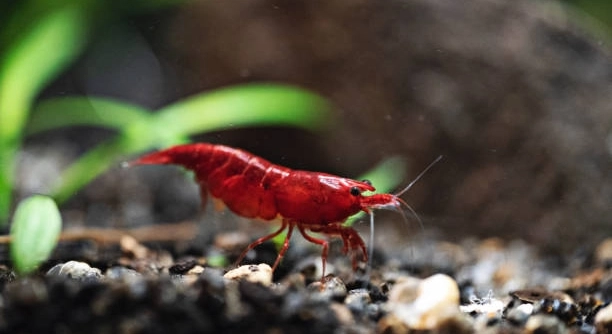
Have you ever noticed your shrimp swimming alone and wondered how to help them stick together more often? Observing shrimp in groups can be rewarding and makes the aquarium feel more lively and harmonious.
Encouraging shrimp grouping can be achieved through environmental adjustments, feeding routines, and careful selection of tank mates. Providing adequate hiding spaces, consistent water parameters, and suitable food types promotes social interaction and reduces stress, fostering natural clustering behaviors in shrimp.
Learning simple techniques for grouping can improve shrimp wellbeing and make watching them more enjoyable for anyone managing a home aquarium.
Provide Plenty of Hiding Spots
Shrimp feel safest when they have multiple places to hide. Plants, moss, and small caves give them areas to retreat when they feel threatened or need rest. In my own tank, I noticed that after adding a few dense moss patches, the shrimp began gathering more often. They move between hiding spots, creating a natural pattern of clustering that makes the tank feel active without overcrowding. Driftwood also works well, especially when it has crevices where shrimp can slip in. It’s important to avoid sharp decorations that could harm delicate shrimp. Even simple additions like coconut shells cut in half can provide excellent cover. Over time, shrimp recognize these safe areas and prefer staying nearby. The presence of safe spaces lowers stress levels, encouraging social behavior. By offering multiple hiding places at different heights in the tank, shrimp naturally form groups as they explore together.
Adding moss or small caves increases group activity and makes shrimp more confident in their environment.
Shrimp tend to gather around areas that feel secure. When hiding spots are placed strategically, it reduces tension and encourages movement in clusters. The combination of plants, driftwood, and shells allows shrimp to explore while staying close to safety. Over time, you can see small groups forming naturally around favored spots, enhancing observation and creating a lively, dynamic tank scene.
Maintain Consistent Water Conditions
Stable water conditions are key to healthy shrimp behavior. Even slight changes in temperature, pH, or hardness can make shrimp anxious, reducing social interaction.
Monitoring water regularly and making small, gradual adjustments helps shrimp feel safe and promotes group activity.
Fluctuations in water parameters can stress shrimp and lead to isolation. Keeping the temperature steady, ideally within 72–78°F, ensures they remain active. pH levels should remain consistent around 6.5–7.5, and hardness should match the species’ needs. Frequent water changes using conditioned water prevent toxins from building up, which otherwise encourages hiding. I found that after maintaining consistent parameters for a few weeks, my shrimp began gathering around feeding spots rather than staying scattered. Stress-free shrimp interact more naturally and exhibit their normal social behavior. Providing an environment where water conditions are predictable allows them to focus on feeding and interacting rather than reacting to sudden changes. By keeping water stable, you create a foundation where grouping behavior can thrive, making observation easier and the tank more enjoyable.
Offer Frequent Small Feedings
Small, frequent feedings help shrimp stay active and gather naturally around food sources. I noticed my shrimp cluster quickly when I sprinkle tiny portions instead of one large feeding.
Shrimp are drawn to consistent food availability. Feeding small amounts several times a day keeps them exploring the tank and interacting with each other. Large meals often result in leftover food that fouls the water and discourages activity. I usually divide a pinch of shrimp pellets into three or four parts, distributing them across different areas. This encourages shrimp to move around and form groups in multiple locations. It also reduces competition and stress, allowing shy shrimp to participate in feeding without being chased away by more dominant individuals. Over time, this approach creates predictable gathering spots, making observation easier and promoting healthy social behavior.
Frequent small feedings help maintain water quality while stimulating natural social patterns. Shrimp stay active, and groups form around favorite feeding areas consistently.
Introduce Compatible Tank Mates
Shrimp feel safer with non-aggressive companions. Small snails or peaceful fish can encourage movement without causing stress. I added a few snails, and shrimp grouping improved noticeably.
Introducing compatible species can reduce anxiety and enhance social behavior in shrimp. Aggressive or large fish create stress, causing shrimp to hide. I made sure my tank included only small, peaceful species that pose no threat. Snails are excellent companions because they move slowly, clean the tank, and don’t compete for hiding spots. Some small fish, like certain tetras, observe shrimp without chasing them, which can stimulate shrimp activity and clustering. Watching these interactions, I noticed my shrimp gradually became more confident and ventured out together. Balancing population numbers is important; too many companions can reduce available hiding spaces, while too few may not provide enough environmental stimulation. Careful selection ensures shrimp maintain their natural behavior and form groups regularly.
Compatible companions stimulate shrimp activity and promote natural grouping, creating a more dynamic and balanced tank environment for observation.
Keep the Tank Quiet
Shrimp respond to calm environments. Sudden noises or vibrations can make them retreat into hiding. I noticed my shrimp cluster more when the tank was placed in a quiet corner.
Minimizing disruptions around the tank helps shrimp feel secure. Less stress encourages them to interact and gather naturally.
Use Live Plants
Live plants offer food, shelter, and surfaces for algae growth, which shrimp enjoy grazing on. Adding plants increased shrimp grouping in my tank noticeably.
Plants provide natural cover and encourage movement throughout the tank. Moss, Java fern, and floating plants create layers that shrimp explore, leading to clusters. They feel safe moving between plants, and the plants’ surfaces also promote foraging. Over time, shrimp establish routines around the plant areas, forming groups while feeding, resting, or cleaning. I observed that when plants were arranged thoughtfully, shrimp spent more time out in the open while remaining close to shelter. Dense planting supports both shy and active shrimp, improving social interaction. This setup balances exploration with security, encouraging consistent grouping behavior and creating a lively, dynamic aquarium.
Maintain Proper Lighting
Consistent, moderate lighting helps shrimp feel secure and encourages daytime activity. Bright or fluctuating lights can make them scatter.
FAQ
How often should I feed my shrimp?
Feeding small amounts two to four times a day works best. I divide a pinch of food into multiple portions so shrimp remain active and gather naturally around each feeding. Large, infrequent meals often leave leftovers that can foul water and stress them.
What is the ideal water temperature for shrimp?
Most freshwater shrimp thrive between 72 and 78°F. I use a small heater to maintain a steady temperature, which helps them feel safe and promotes social behavior. Sudden fluctuations can cause stress and reduce grouping tendencies.
Which plants are best for encouraging shrimp grouping?
Mosses like Java moss, floating plants, and dense leafed plants are excellent. I noticed shrimp form clusters near moss because it offers both cover and surfaces for grazing. Plants create natural pathways and safe spots that encourage movement and interaction.
Can shrimp live with fish?
Yes, but only with peaceful, small species that don’t see shrimp as food. I added a few small tetras, and they observe shrimp without aggression. Aggressive or large fish will scare shrimp, causing them to hide and break up natural groups.
How important are hiding spots?
Extremely important. Shrimp need places to retreat when stressed. In my tank, adding caves, driftwood, and moss significantly increased clustering behavior. Multiple hiding spots allow shy shrimp to join groups without feeling threatened.
Does water hardness affect shrimp grouping?
Yes. Shrimp prefer stable water hardness that matches their species. I monitor GH and KH levels regularly. Proper hardness supports molting, feeding, and social behavior. Fluctuations can cause stress and reduce activity in groups.
How do I prevent shrimp from being stressed by vibrations?
Keep the tank in a quiet area away from heavy foot traffic or loud appliances. I noticed my shrimp hide immediately when the tank was tapped or moved. A calm environment encourages them to explore and form natural groups.
Is lighting important for shrimp activity?
Moderate, consistent lighting is key. Bright or flashing lights cause shrimp to scatter. I use a timer to provide steady day and night cycles. Consistent lighting helps shrimp establish routines around feeding and shelter, promoting social interaction.
Do shrimp need special foods for grouping?
Not necessarily. Regular shrimp pellets or algae wafers work fine. I occasionally supplement with blanched vegetables or biofilm-promoting foods. Varied, small portions keep shrimp active and encourage natural clustering without overfeeding or water quality issues.
Can tank size affect shrimp grouping?
Yes. Shrimp in too small or too crowded tanks may stress easily, while overly large tanks can lead to scattered individuals. I found a moderately sized, well-planted tank encourages movement and clustering, giving shrimp both space and security.
How often should water be changed to maintain social behavior?
Frequent, small water changes are best. I replace 10–20% weekly to maintain stable parameters. Sudden large changes can stress shrimp, causing them to hide and avoid group interactions. Stable water encourages confidence and natural clustering behavior.
Do shrimp recognize each other?
While shrimp don’t form personal bonds like mammals, they respond to the presence of other shrimp. I observed that shrimp tend to stay near familiar individuals, especially when food or shelter is available, which promotes consistent grouping patterns.
Can adding snails help shrimp grouping?
Yes. Snails create movement and reduce leftover food, keeping the tank clean. I added a few, and shrimp became more active, exploring together and clustering around food or plants without feeling threatened.
What signs indicate shrimp are stressed?
Hiding constantly, losing color, or refusing to eat are common signs. I noticed shrimp scatter when parameters fluctuated or when tank mates were aggressive. Addressing these issues quickly helps restore natural grouping behavior and overall health.
How long does it take for shrimp to start grouping?
It varies depending on tank setup, plant density, and stress levels. In my experience, shrimp begin forming visible clusters within a few days to a week once hiding spots, stable water, and consistent feeding are in place.
Can I encourage shy shrimp to join groups?
Yes. Providing extra cover near feeding areas, gentle lighting, and stable water encourages shy shrimp to participate. I added small moss patches near frequent feeding spots, and over time, the shyest shrimp began joining clusters naturally.
Are juvenile shrimp more likely to group?
Juveniles tend to explore together, but they may hide more than adults initially. I noticed that as they grow and gain confidence, juveniles start joining established groups, especially near feeding areas or moss patches.
Does adding driftwood help?
Yes, driftwood creates crevices and surfaces for grazing, offering both shelter and exploration zones. In my tank, shrimp frequently gather around driftwood, which acts as a natural meeting point and encourages social behavior.
How does water quality affect grouping?
Poor water quality causes stress, hiding, and decreased activity. I monitor ammonia, nitrite, and nitrate levels closely. Clean, stable water promotes normal movement, feeding, and clustering patterns. Maintaining parameters within safe ranges is essential for consistent shrimp grouping.
Can I use decorations to encourage grouping?
Yes. Smooth caves, coconut shells, and moss walls create points of interest. I arranged decorations to form pathways and clusters, allowing shrimp to gather naturally without crowding or competition. Strategic placement encourages interaction and keeps the tank visually lively.
How many shrimp should I keep together?
A moderate number works best. Too few may scatter, too many cause stress. I maintain groups of 15–20 in a well-planted, medium-sized tank, which encourages natural clustering and active social behavior.
Do seasonal changes affect shrimp grouping?
Sudden temperature shifts or light changes can stress shrimp. I noticed clustering reduces during temperature fluctuations. Maintaining stable environmental conditions throughout the year helps shrimp continue forming groups consistently.
What is the easiest way to start grouping shrimp?
Provide plants, hiding spots, stable water, and small frequent feedings. In my experience, combining these simple steps encourages natural social behavior within days, creating visible, active clusters of shrimp in the tank.
Are some shrimp species better at grouping than others?
Yes. Species like Cherry, Crystal Red, and Amano shrimp are more social and tend to form visible clusters. I observed that these species interact more consistently, while some less social species may stay scattered unless conditions are ideal.
Can changing feeding locations encourage movement?
Yes. Placing small portions in different tank areas encourages shrimp to explore and cluster at multiple spots. I rotate feeding locations, which prevents stagnation and promotes active, healthy social behavior.
Do shrimp prefer planted or bare areas for grouping?
They prefer areas with cover. Shrimp feel safer near plants or moss, which encourages movement between hiding spots and feeding areas. I noticed clustering was rare in open spaces unless food was present. Dense planting creates natural gathering zones that promote interaction.
How do I balance tank mates to maintain shrimp grouping?
Choose non-aggressive species and avoid overcrowding. I maintain a few small snails and peaceful fish, ensuring hiding spots are abundant. Proper balance reduces stress, encourages natural clustering, and keeps shy shrimp from isolating.
What is the role of biofilm in shrimp grouping?
Biofilm provides grazing opportunities. I observed that shrimp cluster on surfaces rich in biofilm, often near plants or driftwood. Encouraging biofilm growth supports natural feeding behavior and promotes group activity throughout the tank.
Can I encourage nighttime grouping?
Yes. Dim or stable lighting allows nocturnal activity without stress. I leave a soft glow at night, which helps shrimp move and feed in groups instead of hiding completely. This creates consistent clustering behavior at all times.
How do I know if my shrimp are healthy?
Bright colors, active movement, regular feeding, and normal molting are signs of health. Healthy shrimp are more likely to gather naturally. I monitor behavior and appearance regularly to ensure conditions remain ideal for social activity.
Does adding leaf litter help?
Yes, dried leaves like Indian almond leaves create grazing surfaces and shelter. I noticed shrimp explore and cluster around leaf litter while feeding, which encourages natural social behavior and provides additional cover for shy individuals.
Can water flow affect grouping?
Yes. Gentle, consistent flow keeps shrimp moving without causing stress. I avoid strong currents that scatter them. Moderate flow combined with plants and hiding spots encourages exploration and visible clustering.
Is it necessary to quarantine new shrimp?
Yes. Quarantining prevents disease and stress that could disrupt existing social patterns. I keep new shrimp separate for a week or two to ensure health before introducing them, which helps maintain stable grouping in the main tank.
How do I handle molting shrimp?
Provide extra cover and minimal disturbance. I noticed that during molting, shrimp seek hiding spots and may temporarily leave groups. Adequate shelter allows them to molt safely and rejoin clusters without risk of aggression.
Does tank shape influence grouping?
Moderate-length tanks work best. Narrow or very tall tanks can limit interaction. I observed that shrimp in well-proportioned tanks move more freely and form visible clusters, while awkward dimensions can scatter individuals and reduce social behavior.
Can I train shrimp to gather in specific spots?
Indirectly. Consistent feeding and strategically placed hiding spots encourage predictable gathering areas. I noticed shrimp gradually cluster near favorite moss patches or feeding zones when conditions remain stable and routine is maintained.
How does temperature fluctuation affect juveniles differently than adults?
Juveniles are more sensitive and may hide more often. I noticed that stable temperatures help young shrimp grow confident and join groups faster. Adults tolerate minor shifts better, but maintaining consistency benefits all ages.
Are certain foods better for grouping behavior?
Foods that encourage grazing and movement, like algae wafers, blanched vegetables, and pellets, work well. I distribute small portions to promote exploration, which naturally leads to clustering and reduces stress.
Can overcrowding reduce shrimp grouping?
Yes. Too many shrimp in a small tank increase competition and stress, causing hiding and scattered movement. I maintain moderate populations, which promotes healthy social behavior and visible groups.
Does water pH affect social behavior?
Yes. Stable pH around 6.5–7.5 is ideal for most freshwater shrimp. I monitor and adjust gradually, as sudden shifts cause stress, reducing movement and clustering tendencies. Consistent pH encourages normal interaction.
How can I encourage shy shrimp to interact with groups?
Add extra moss, feeding spots, and gentle lighting near hiding areas. I noticed that shy shrimp gradually join clusters when they feel safe and have easy access to food without competition.
What is the best way to observe shrimp without stressing them?
Move slowly and avoid tapping or shaking the tank. I sit quietly nearby or watch from a distance. Minimal disturbance allows shrimp to behave naturally and form visible groups, making observation easier and more enjoyable.
Do seasonal lighting changes affect grouping?
Yes. Consistent light schedules help shrimp maintain routines. I use a timer for predictable day and night cycles, which encourages feeding, movement, and natural clustering even when outside light fluctuates.
How long should I wait after adding decorations to see grouping?
A few days to a week is typical. I noticed shrimp begin clustering near new plants, caves, or moss once they feel secure. Patience ensures natural exploration and social behavior develop safely.
Can water additives help promote social behavior?
Only if they maintain stable parameters. I use conditioners and supplements carefully to avoid sudden chemical changes, which can stress shrimp. Proper water chemistry encourages confident movement and group formation.
Are some shrimp more active at certain times of the day?
Yes. Most are more active during the day under moderate lighting, though some species explore more at night. I observed that activity patterns influence where and when groups form. Timing feedings and observation accordingly encourages clustering.
Does substrate type matter for grouping?
Yes. Fine gravel or sand allows shrimp to forage and move freely. I noticed clustering improves when substrate supports grazing and exploration, creating areas where shrimp naturally gather. Rough or uneven surfaces can discourage consistent grouping.
Can I encourage breeding shrimp to cluster?
Providing safe, planted areas and stable conditions encourages both social behavior and breeding. I observed that when conditions are ideal, shrimps form small groups around feeding areas and plants, increasing interaction and visibility of clusters.
How important is water filtration for grouping?
Very important. Gentle filtration maintains clean water without strong currents. I noticed shrimp are more active and form clusters when water is clear and flow is moderate, avoiding areas with turbulence or excessive suction.
Do shrimp prefer certain tank zones for grouping?
Yes. They often cluster near plants, moss, driftwood, or feeding areas. I noticed that establishing safe zones and consistent feeding locations encourages predictable, natural gatherings in the aquarium.
What role does algae play in shrimp grouping?
Algae provides a grazing surface that attracts multiple shrimp. I observed that patches of algae create natural gathering spots, encouraging interaction and repeated clustering behavior.
Can stress from new tank mates disrupt grouping?
Yes. Introducing aggressive or overly active species causes shrimp to hide. I carefully selected peaceful companions and monitored interactions, which helped maintain stable social patterns and visible clusters.
How do I handle shrimp during tank maintenance?
Minimize disturbance and avoid sudden movements or water changes. I move slowly and remove only small amounts of water at a time, which prevents stress and keeps groups intact.
Are there differences between male and female shrimp in grouping behavior?
Females often stay near safe spots, especially when carrying eggs, while males are more exploratory. I noticed that both genders form groups, but placement within the tank can vary depending on activity levels and reproductive cycles.
Does tank age affect shrimp grouping?
Yes. Established tanks with mature plants and biofilm encourage natural social behavior. I noticed that in new setups, shrimp may hide more until plants, biofilm, and stable water conditions develop, which promotes clustering.
Can I influence grouping by rearranging decorations?
Yes. Thoughtful rearrangement of plants, caves, and moss can create new gathering spots. I moved a few moss walls and noticed shrimp exploring and forming clusters in new areas, which encourages natural movement and social interaction.
Do shrimp respond to human presence when grouping?
They may observe but usually don’t react aggressively. I noticed that sitting quietly nearby encourages natural behavior without scaring them away, making clusters easier to observe and enjoy.
Is water oxygenation important for grouping?
Yes. Proper oxygen levels support activity and reduce stress. I use gentle air stones or filtered flow to maintain oxygen without creating strong currents, encouraging shrimp to gather and interact naturally.
How do I ensure long-term shrimp grouping success?
Maintain stable water, provide plants and hiding spots, feed small portions frequently, and select peaceful tank mates. I noticed consistent conditions over time encourage healthy, active clusters and predictable social behavior, making the tank dynamic and lively for observation.
Can shrimp adapt to new grouping methods quickly?
Yes, if changes are gradual. I introduced moss patches, new hiding spots, and consistent feeding locations slowly, and shrimp adapted within days, forming visible groups without stress or hiding excessively.
Does tank height influence shrimp grouping?
Moderate-height tanks work best. Too tall limits exploration and visibility, while low, wide tanks encourage natural movement and clustering. I noticed shrimp form groups more consistently in tanks that balance vertical and horizontal space.
Are some feeding techniques better for clustering?
Yes. Scattering small portions across multiple spots encourages movement and multiple gathering points. I sprinkle food in corners and near plants, which leads to more visible clusters and reduces competition.
Can water changes disrupt grouping temporarily?
Yes. Large or sudden water changes can stress shrimp, causing hiding and scattered movement. I perform small, regular changes to maintain stability, which supports consistent social behavior and group formation.
How does tank temperature affect juveniles differently than adults?
Juveniles are more sensitive to changes. I keep temperature steady, which helps young shrimp explore confidently and join clusters, while adults tolerate minor fluctuations but still benefit from stability for consistent grouping.
Can I combine all these tips for faster results?
Yes. Providing plants, hiding spots, gentle lighting, stable water, frequent small feedings, and compatible tank mates together encourages natural, consistent clustering behavior in shrimp. I found that combining approaches created active, confident groups within a week.
Do shrimp remember safe spots?
While memory is limited, they recognize familiar shelter and feeding areas. I noticed shrimp consistently return to moss patches and caves, forming predictable clusters over time, which enhances their sense of security and promotes social behavior.
Are there seasonal care adjustments for shrimp grouping?
Maintaining stable temperature, light, and feeding routines year-round prevents stress that can disrupt clustering. I ensure seasonal changes don’t create sudden shifts in water or lighting, supporting consistent social behavior throughout the year.
How long does it take to see full grouping behavior?
Typically a few days to a couple of weeks after implementing stable water, plants, hiding spots, and consistent feeding. I observed that shrimp gradually form visible clusters, with shy individuals joining over time as they gain confidence.
Can I encourage specific group patterns?
Yes. Placement of hiding spots, feeding locations, and decorations influences where clusters form. I arranged moss walls and small caves strategically, and shrimp naturally gathered in predictable patterns without forcing behavior.
What is the biggest factor in consistent shrimp grouping?
Stable water, safe environments, and regular feeding are key. I noticed that when these factors are maintained together, shrimp form predictable, active clusters and display confident social behavior.
Do all shrimp species respond the same way to grouping techniques?
No. Social tendencies vary. Cherry, Amano, and Crystal Red shrimp are more likely to cluster, while some species are naturally shy and may need more cover or time to form groups. I adjust techniques based on species behavior.
How do I handle shrimp aggression if it occurs?
Aggression is rare in peaceful species but may happen during molting. I ensure ample hiding spots, separate aggressive individuals if necessary, and monitor interactions to maintain group harmony. Observing closely prevents stress and ensures consistent clustering.
Can I use live food to encourage grouping?
Yes, small portions of biofilm-rich foods or microfauna stimulate movement and grazing. I noticed shrimp gather quickly around live foods, forming active groups while feeding, which encourages natural interaction and clustering.
Does tank size influence how quickly shrimp group?
Yes. A moderately sized tank promotes interaction without overcrowding. I observed that shrimp in very large tanks may scatter initially, while those in balanced tanks explore and form clusters more predictably.
Can I combine different plant types for better grouping?
Yes. I use moss, Java fern, and floating plants together. The variety creates multiple layers and hiding spots, encouraging exploration, grazing, and clustering throughout the tank. Diverse plant placement supports natural social behavior.
Are there warning signs that shrimp are unhappy despite grouping?
Yes. Excessive hiding, faded colors, or refusal to eat indicates stress. Even if they cluster temporarily, addressing water parameters, diet, or tank mates ensures long-term health and sustained social behavior.
**How
Shrimp are fascinating creatures that naturally enjoy the company of others when their environment supports them. By creating a safe, comfortable tank, you encourage them to explore, feed, and gather together. Providing plenty of hiding spots, such as moss, plants, and small caves, allows shrimp to feel secure while interacting. Driftwood, smooth rocks, and even coconut shells can serve as natural shelters and gathering points, giving shy individuals the confidence to move around and join others. When shrimp feel safe, they display their natural social behaviors more openly, making it easier to observe groups forming in different areas of the tank. The arrangement of decorations, plants, and feeding locations has a direct effect on how shrimp interact, so placing these items thoughtfully is essential for promoting natural clustering patterns.
Stable water conditions play a major role in shrimp behavior. Sudden changes in temperature, pH, or hardness can stress shrimp and cause them to hide or scatter. Maintaining consistent water parameters ensures shrimp feel comfortable and are more likely to gather in groups. Frequent small feedings also encourage movement and social interaction, as shrimp explore the tank while looking for food. Overfeeding, however, can lead to water quality problems, which in turn reduces shrimp activity and clustering. Selecting peaceful, compatible tank mates further supports natural group behavior, as aggressive species or overly active companions may cause stress and force shrimp to isolate. Observing shrimp under stable, calm conditions allows their natural tendencies to emerge, resulting in visible clusters that reflect healthy social interaction.
Attention to lighting, filtration, and tank layout completes the environment needed for shrimp to thrive socially. Moderate, consistent lighting supports normal daily routines, while gentle filtration maintains clean water without creating strong currents that could disperse groups. The substrate also matters, as fine gravel or sand allows shrimp to forage and move comfortably, encouraging them to gather naturally. Combining all these factors—plants, hiding spots, stable water, compatible tank mates, proper feeding, and suitable lighting—creates a balanced environment where shrimp can feel secure and interact freely. Over time, these efforts lead to confident, active shrimp forming visible clusters that enhance the visual appeal of the tank and support their overall well-being. Consistency and attention to detail are the keys to maintaining healthy, social shrimp that display natural grouping behavior reliably.

Hello,
If you enjoy the content that we create, please consider saying a "Thank You!" by leaving a tip.
Every little bit helps us continue crafting quality advice that supports the health, happiness, and well-being of pets around the world, for pets of all shapes, sizes, and species.
We really appreciate the kindness and support that you show us!