
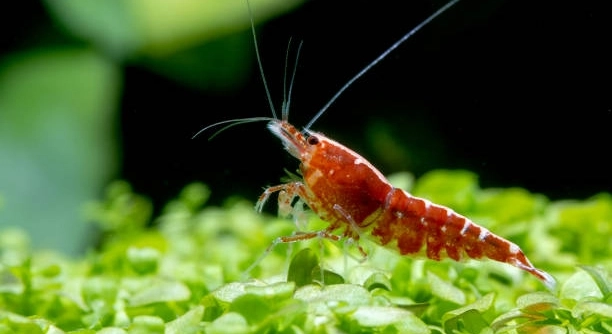
Cherry shrimp are small, colorful creatures that bring life to any freshwater tank. They are gentle and active, often seen grazing on surfaces and exploring every corner of their environment for food and comfort.
Cherry shrimp often prefer algae over prepared foods because algae provides essential nutrients and natural grazing opportunities. Algae supports their digestive health, promotes vibrant coloration, and aligns with their instinctive feeding behaviors, making it a primary food source in aquariums.
Observing their grazing habits can reveal interesting insights into their diet and preferences, offering guidance for maintaining a healthy, balanced aquarium environment for these tiny shrimp.
Why Algae Appeals to Cherry Shrimp
Algae is more than just a surface for cherry shrimp to nibble on. Its soft texture makes it easy for them to graze continuously without effort. It grows naturally in many tanks, giving shrimp access to fresh food whenever they want. Algae also contains tiny amounts of protein, fiber, and other nutrients that support shrimp health. Unlike prepared foods, which can sink and decay, algae is stable and less likely to foul water if eaten gradually. Watching shrimp move across leaves, rocks, and decorations as they pick at algae shows how instinctively they seek it out. The natural variety of algae types, from green film algae to more fibrous strands, provides subtle differences in taste and texture, keeping their diet interesting. Shrimp can balance grazing with occasional feeding of commercial food, but algae often forms the bulk of their intake. This preference can impact how we maintain tanks and feed them daily.
Algae acts as a reliable, ongoing source of nutrition that shrimp can access at any time without human intervention.
Including algae in a tank reduces stress for shrimp by providing a familiar and natural feeding experience. It helps mimic their natural habitat and encourages active foraging, improving overall health and behavior.
Balancing Algae and Prepared Food
Relying solely on algae may not meet all nutritional needs, so prepared food remains important.
Prepared foods are formulated to supply vitamins and minerals that algae alone may lack. Offering these foods occasionally ensures shrimp receive complete nutrition. While algae is excellent for grazing, supplements can prevent deficiencies, especially for growing or breeding shrimp. Rotating different types of prepared foods, such as flakes, pellets, or specialized shrimp formulas, helps maintain variety and interest. Feeding in small portions prevents overfeeding and keeps water quality stable. Observing shrimp during feeding can reveal whether they prefer one type over another, helping adjust portions accordingly. Balancing natural algae with supplemental foods can enhance growth rates and color vibrancy. It also reduces competition in larger tanks where algae might be limited. Ultimately, a combined approach supports shrimp health, encourages natural behavior, and keeps the tank environment clean and stable. This balance allows shrimp to thrive while giving caretakers control over diet and water quality.
Observing Grazing Behavior
Cherry shrimp spend much of their time grazing across surfaces. They move slowly, picking at tiny algae patches with their small claws. Their grazing is steady, deliberate, and can last for hours without stopping.
Watching them closely, it becomes clear that shrimp are selective. They tend to prefer soft green algae over tougher or filamentous types. Grazing is not random; shrimp often return to the same spots multiple times, suggesting they remember areas rich in food. This behavior helps maintain a clean tank while providing continuous nourishment. It also shows their natural instinct to feed constantly rather than in large meals, which is different from how many other aquatic species eat.
Grazing behavior also impacts how we manage feeding. If a tank has abundant algae, shrimp may ignore commercial food entirely. Observing their choices can help decide when to supplement with prepared foods or leave algae as the primary diet. It highlights the importance of creating a tank environment that supports natural feeding patterns.
Nutritional Benefits of Algae
Algae provides essential nutrients like fiber, vitamins, and minerals that support shrimp health. It also contains small amounts of protein needed for growth and molting.
Relying on algae allows shrimp to feed naturally while obtaining nutrients at their own pace. The slow grazing helps digestion and prevents overfeeding. Algae’s texture encourages constant nibbling, which promotes jaw and claw activity, keeping shrimp active and healthy. It also supports coloration, as certain pigments in algae enhance red and orange tones in cherry shrimp. Seasonal changes in algae types can subtly adjust nutrient intake, which may be beneficial. While prepared foods are nutrient-dense, algae offers a natural and continuous dietary source that aligns with shrimp behavior.
Including algae in the diet also helps maintain a stable tank environment. By providing a natural grazing option, shrimp contribute to controlling algae growth without completely consuming it, preserving surfaces for future feeding. Combining algae with occasional prepared food ensures complete nutrition, supports healthy activity levels, and reduces the risk of deficiencies. This approach mirrors natural conditions while allowing caretakers to manage overall tank balance and water quality effectively.
Algae as a Natural Cleaner
Cherry shrimp grazing on algae helps keep the tank surfaces clean. They remove thin layers of green film from plants, rocks, and decorations, reducing buildup without disturbing other organisms.
This natural cleaning behavior supports a healthier tank. By eating algae, shrimp prevent overgrowth that could affect water quality and light penetration, benefiting both themselves and any plants in the aquarium.
How Tank Conditions Affect Grazing
Water temperature, lighting, and plant density influence how actively shrimp graze. Warmer water tends to increase their activity, while low light can slow algae growth and reduce available food. Shrimp also prefer grazing in areas with moderate plant cover, which offers safety and access to algae.
Feeding Frequency
Algae availability can reduce the need for frequent feeding of prepared foods. Shrimp adjust naturally to the amount of algae present, eating smaller portions throughout the day.
Observing Health Indicators
Regular observation of shrimp grazing patterns can indicate overall health. Active grazing and bright coloration usually show well-being, while reduced activity may signal stress, illness, or poor water quality.
FAQ
Why do cherry shrimp prefer algae over prepared food?
Cherry shrimp instinctively seek out algae because it mimics their natural diet. Algae provides continuous grazing opportunities and contains nutrients like fiber, vitamins, and small amounts of protein. Its soft texture is easy to consume, and grazing behavior helps shrimp stay active. Prepared food is denser and often consumed in one sitting, whereas algae allows slow, steady feeding throughout the day. In many tanks, shrimp will focus on algae first, only eating commercial food when algae is scarce.
Can cherry shrimp survive on algae alone?
Algae can sustain shrimp for long periods, but it may not meet all their nutritional needs, especially for growing or breeding shrimp. Algae lacks concentrated vitamins and minerals found in prepared foods. Including small amounts of shrimp-specific flakes or pellets ensures complete nutrition. However, in tanks with abundant natural algae growth, supplementation can be minimal, and shrimp will still show healthy growth and bright coloration. Observing their condition over time is important to adjust diet as needed.
How much prepared food should I give if my tank has algae?
If your tank has plentiful algae, feeding prepared food should be limited to small portions a few times a week. Overfeeding can lead to water quality issues and uneaten food can decay, causing stress or disease. Observe the shrimp’s grazing patterns; if they ignore commercial food, reduce the amount. The goal is to supplement, not replace, algae. Feeding lightly ensures shrimp get nutrients without disrupting their natural feeding habits or harming tank stability.
Does the type of algae matter for shrimp preference?
Yes, shrimp show preference for softer green algae over tougher filamentous types. Some algae may be less palatable, while others encourage more grazing. Different textures provide variety, but soft film algae is usually the most consumed. Filamentous algae can still serve as a supplemental source, but shrimp may spend less time on it unless it is combined with softer algae. This preference can influence how tank owners manage growth and choose plants or surfaces for grazing.
Will algae alone affect shrimp coloration?
Algae contributes to maintaining vibrant coloration, but it may not fully optimize it. Pigments in certain algae enhance reds and oranges, but prepared foods formulated for color development provide additional nutrients. Combining algae with color-enhancing flakes or pellets ensures the brightest appearance, especially for show or breeding shrimp. Observing changes in color when algae availability fluctuates can indicate whether supplemental feeding is needed to maintain optimal vibrancy.
How does algae impact water quality?
Moderate algae growth can improve water quality by absorbing nutrients that might otherwise cause imbalances. Grazing by shrimp keeps algae levels in check, preventing overgrowth that could block light or reduce oxygen. Too much algae can indicate excess nutrients and may harm water conditions if left unchecked. Balancing algae with regular tank maintenance and supplemental feeding supports a stable environment and healthy shrimp behavior.
Should I introduce algae intentionally for shrimp?
Introducing algae can support natural grazing habits and reduce stress, especially in tanks with few natural surfaces. Live plants, driftwood, and rocks encourage algae growth. Avoid artificial algae feeders that could disrupt balance; natural growth is best. Observing shrimp grazing shows which areas they prefer and allows caretakers to maintain a consistent food source while keeping the tank visually appealing.
Can algae replace the need for daily feeding?
In tanks with abundant algae, daily feeding of prepared food may not be necessary. Shrimp will graze slowly throughout the day, reducing the need for multiple feedings. Supplementation should be occasional to ensure full nutrition. This approach mirrors their natural behavior and helps prevent overfeeding, keeping water quality stable.
What signs show shrimp are eating enough algae?
Active grazing, consistent movement, and bright coloration indicate adequate feeding. If shrimp spend most of their time on surfaces picking at algae, it shows they are satisfied. Slow movement, faded color, or increased scavenging for prepared food may indicate insufficient algae or missing nutrients, signaling a need for dietary adjustment.
How can I balance algae and prepared food effectively?
Offer small portions of prepared food two to three times per week while letting shrimp graze freely on algae. Observe their consumption and adjust feeding if leftovers remain. Maintaining this balance ensures shrimp receive all essential nutrients, stay active, and keep the tank clean without overfeeding or relying solely on algae.
Final Thoughts
Cherry shrimp are small but fascinating creatures. Their natural preference for algae shows how instinct shapes their daily behavior. Algae provides not just a source of food, but also a way for shrimp to stay active and healthy. Watching them move across plants, rocks, and decorations as they graze can reveal a lot about their habits. Unlike prepared foods, algae allows them to feed slowly and continuously, which supports digestion and prevents overfeeding. Even in tanks where prepared foods are offered, algae often forms the main part of their diet. It is gentle on their tiny claws and provides a natural texture that encourages constant nibbling. For those caring for shrimp, understanding this preference can guide how the tank is set up and maintained, helping create an environment where the shrimp thrive.
While algae is essential, it does not provide every nutrient shrimp need. Supplementing with prepared foods ensures that vitamins, minerals, and other nutrients are supplied in sufficient amounts. This is particularly important for growing shrimp or those being bred in the tank. Combining algae with small portions of flakes or pellets allows caretakers to balance natural grazing with necessary dietary supplements. Over time, observing the shrimp’s behavior can indicate whether the balance is correct. Active, vibrant shrimp with bright coloration usually indicate they are receiving the right mix of nutrients. Conversely, lethargy, color dulling, or unusual behavior may signal that dietary adjustments are needed. Providing both algae and prepared foods also helps manage water quality. By allowing shrimp to graze naturally, algae consumption prevents overgrowth while leftover prepared foods can be minimized, reducing the risk of decay and maintaining a healthier tank.
Creating a tank that supports shrimp preferences means paying attention to both natural and supplemental food sources. Lighting, temperature, and plant placement influence how much algae grows and how actively shrimp feed. Warmer temperatures generally encourage activity, while moderate plant density offers both grazing areas and protection. Observing the shrimp over time helps identify their favorite grazing spots and ensures they have continuous access to food. Even small adjustments, like introducing more plants or slightly altering lighting, can make a noticeable difference in shrimp behavior. Maintaining this balance promotes overall health, encourages natural foraging behavior, and helps shrimp display their best colors. By understanding the importance of algae and how it complements prepared food, caretakers can create a stable, nourishing environment. Paying attention to these details ensures that shrimp live a longer, healthier life and continue to bring life and movement to the tank.

Hello,
If you enjoy the content that we create, please consider saying a "Thank You!" by leaving a tip.
Every little bit helps us continue crafting quality advice that supports the health, happiness, and well-being of pets around the world, for pets of all shapes, sizes, and species.
We really appreciate the kindness and support that you show us!