
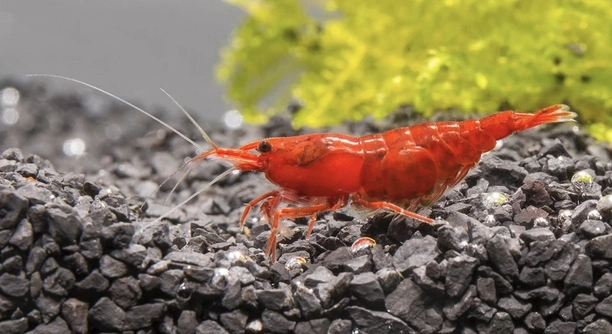
Shrimp display unique behaviors that often go unnoticed in home aquariums and natural habitats. Observing them only at night can be puzzling, especially for those invested in their care and understanding. This nocturnal activity is natural.
Shrimp primarily gather at night due to environmental cues, feeding patterns, and predator avoidance. Factors such as light sensitivity, water temperature, oxygen levels, and social interactions influence their nocturnal activity, prompting them to remain hidden during daylight hours and emerge after dusk.
Knowing the reasons behind nighttime activity helps maintain a healthy environment and ensures shrimp thrive in both tanks and natural waters.
Light Sensitivity
Shrimp are naturally sensitive to light, which heavily influences their activity. Bright environments make them feel exposed and vulnerable, so they prefer to stay hidden during the day. In home aquariums, strong lighting can deter shrimp from leaving shelters, limiting their visible activity. Even subtle changes in light intensity can shift their behavior, with some species only venturing out under dim or indirect lighting. Adjusting tank lighting to mimic natural dawn and dusk patterns can help shrimp feel more comfortable and promote healthier routines. This sensitivity is an evolutionary trait, helping them avoid predators while maximizing survival. Many shrimp species have adapted to blend into shaded areas, making nighttime the safest period for feeding and social interactions. Observing these patterns can help aquarists predict shrimp activity, manage tank conditions effectively, and reduce stress. Lighting is a simple but powerful factor in maintaining a balanced, active environment for shrimp to thrive.
Light sensitivity explains why shrimp may only appear active when lights are low, creating a safer environment for their natural behaviors.
Managing lighting conditions supports shrimp’s health, encourages natural foraging, and allows better observation of their nocturnal activity patterns, enhancing care strategies.
Feeding Patterns
Shrimp often time their activity around feeding schedules and natural food availability. They tend to feed more actively at night when competition and threats are lower. This nocturnal feeding behavior is influenced by instinct and environmental cues. In aquariums, shrimp may wait until the main lights are off to forage. Their small size and slow movements make daytime feeding risky, so darkness provides security while they gather in groups. Offering food in dim conditions or during evening hours encourages natural feeding behavior. Shrimp also explore the tank differently at night, covering more areas to search for algae, biofilm, or leftover pellets. Regular observation helps understand their preferred feeding times and quantities, ensuring proper nutrition. Adjusting feeding routines to match their nocturnal tendencies can reduce stress and improve overall vitality, promoting consistent growth and activity levels. Recognizing these patterns allows for smoother tank management and healthier shrimp communities.
Feeding patterns strongly influence shrimp activity, with night providing safer, quieter conditions for foraging.
Matching feeding times to nocturnal habits supports shrimp health, reduces stress, and fosters more active and natural behaviors.
Predator Avoidance
Shrimp remain cautious during the day to avoid predators. Darkness provides a safer environment, allowing them to move freely and gather without exposure.
Predator avoidance is a key reason shrimp are active at night. In natural habitats, birds, fish, and larger invertebrates hunt during daylight. Shrimp instinctively hide in plants, rocks, or substrate, reducing the risk of being eaten. Nighttime activity allows them to forage and socialize safely, with reduced threat levels. This behavior persists in aquariums, where perceived predators, reflections, or sudden movements can trigger hiding. Understanding this instinct helps maintain a stress-free environment, ensuring shrimp are comfortable and active when conditions feel secure.
Even subtle disturbances can influence shrimp activity. Noise, vibrations, or tank maintenance during daylight may lead to prolonged hiding. Keeping the environment calm supports their natural rhythm and promotes healthy nocturnal behavior.
Water Quality
Shrimp respond quickly to changes in water quality, which affects when they are active. Poor conditions can make them retreat, while stable environments encourage night-time exploration.
Maintaining consistent water parameters is essential. Variations in pH, ammonia, nitrites, or temperature stress shrimp, causing them to limit activity to safer periods like night. They are particularly sensitive to sudden chemical shifts or high levels of waste, which may force them to remain hidden. Proper filtration, regular water changes, and monitoring parameters ensure the tank remains stable, allowing shrimp to forage confidently. Many shrimp species are more active at night when water conditions feel stable and calm. Adjusting tank maintenance routines to avoid disruptions during daylight can encourage natural nocturnal behavior.
Consistent water quality not only keeps shrimp healthy but also supports predictable activity patterns. Observing their nighttime behavior can reveal subtle issues, helping you address concerns before they escalate, ensuring a thriving, stress-free environment for all shrimp.
Social Behavior
Shrimp often gather at night to interact with each other. Darkness provides a safer setting for social activities like grooming and exploring together.
Grouping in the evening reduces competition and allows shrimp to communicate through chemical and tactile signals. Nighttime activity strengthens social bonds and encourages coordinated movement.
Temperature Fluctuations
Shrimp activity is influenced by temperature changes. Cooler nights or stable nighttime temperatures make them more comfortable to move and feed, while daytime heat may encourage hiding to avoid stress.
Oxygen Levels
Shrimp prefer higher oxygen levels, which are often more stable at night. Low oxygen during the day can make them less active, prompting nocturnal gatherings where conditions are more favorable.
FAQ
Why do shrimp hide during the day?
Shrimp naturally avoid bright light and activity during the day to protect themselves from predators. This behavior is instinctive, keeping them safe while allowing them to emerge at night when risks are lower. Even in well-maintained aquariums, shrimp may remain hidden until the environment feels secure.
Can lighting changes affect shrimp behavior?
Yes. Sudden changes in light intensity can stress shrimp and alter their activity. Gradual dimming or using subdued lighting encourages natural nocturnal behaviors. Observing shrimp under these conditions helps understand their preferred activity periods and reduces stress-related hiding.
Is feeding schedule important for shrimp activity?
Absolutely. Shrimp tend to forage when disturbances are minimal, usually at night. Feeding in the evening or using automated feeders can support their natural rhythms, ensuring they receive proper nutrition without forcing activity during unsafe daylight hours.
How does tank maintenance impact shrimp behavior?
Frequent disturbances, water changes, or cleaning during daylight can make shrimp retreat into hiding. Performing maintenance during low-activity periods or using gentle methods helps preserve their routine and encourages healthy nighttime activity.
Do water quality issues cause shrimp to stay hidden?
Yes. Poor water conditions, such as high ammonia, nitrites, or unstable pH, can stress shrimp, leading them to remain inactive or hidden. Regular monitoring and proper filtration help maintain stable conditions, encouraging natural nocturnal behavior.
Why do shrimp gather in groups at night?
Shrimp are social creatures. Nighttime provides a safer environment for interaction, grooming, and coordinated movement. Group gatherings reduce stress and promote natural behaviors that may not occur during bright daylight hours.
Can temperature influence shrimp activity?
Temperature fluctuations directly affect shrimp metabolism and comfort. Cooler or more stable nighttime temperatures allow them to move and forage, while daytime heat may cause hiding. Monitoring and maintaining consistent temperature encourages predictable activity patterns.
Does oxygen level affect when shrimp are active?
Yes. Shrimp require sufficient oxygen to remain active. Oxygen levels are often more stable at night, supporting safe foraging and social interactions. Low oxygen during the day can lead to reduced activity or hiding until conditions improve.
Are some shrimp species more nocturnal than others?
Different species have varying sensitivity to light, predators, and feeding habits. Some naturally prefer nighttime activity, while others are more flexible. Observing species-specific patterns helps aquarists adjust care routines, feeding, and lighting to match their shrimp’s preferences.
Can stress cause shrimp to hide longer than usual?
Stress from predators, water quality issues, or frequent disturbances can prolong hiding periods. Reducing stressors and maintaining stable environmental conditions help shrimp resume normal nocturnal activity and improve overall health.
How can I encourage shrimp to be more active?
Creating a calm, stable environment with dim lighting, consistent water quality, proper temperature, and nighttime feeding encourages natural activity. Respecting their nocturnal tendencies allows them to explore safely while minimizing stress.
Do shrimp sleep during the day?
Shrimp do not sleep like mammals, but they reduce activity and enter a restful state during daylight. This conserves energy and minimizes exposure to threats, allowing them to be more active at night.
Will adding plants or shelters help shrimp feel safer?
Yes. Plants, rocks, and hiding spots provide security during the day. A well-structured environment encourages natural behavior, allowing shrimp to emerge confidently at night for feeding and social interaction.
Can sudden noises or vibrations affect shrimp behavior?
Shrimp are sensitive to vibrations and sudden movements. Tank disturbances during the day can cause prolonged hiding. Maintaining a calm environment ensures shrimp feel safe to forage and interact during nighttime hours.
Is it normal for shrimp to be completely inactive during the day?
Yes, this is a normal survival strategy. Shrimp minimize risk by remaining hidden until conditions are safer at night. Observing this behavior indicates that they are responding to their instincts rather than facing health issues.
How long do shrimp typically stay hidden at night?
The duration varies depending on species, tank conditions, and stress levels. Generally, shrimp emerge gradually after sunset and remain active throughout the night, returning to shelters before daylight increases. Consistent environmental conditions help establish predictable activity periods.
Can adjusting feeding and lighting together improve shrimp activity?
Yes. Synchronizing feeding schedules with dim lighting or evening periods supports natural rhythms, reduces stress, and encourages active nighttime foraging. This combination helps shrimp exhibit more visible and natural behaviors in the aquarium.
Are nocturnal behaviors affected by tank size?
Tank size can influence visibility and movement, but nocturnal tendencies remain. Larger tanks may allow more exploration, while smaller tanks may increase hiding if disturbances occur. Providing hiding spots and stable conditions supports natural nighttime activity regardless of tank size.
Do shrimp ever forage during the day?
Occasionally, shrimp may forage during daylight if conditions feel safe, such as low light or minimal disturbance. However, they generally prefer nighttime when risks are lower, and they can move and feed with greater security.
How can I monitor shrimp behavior without stressing them?
Use low light or red lighting, minimize tank disturbances, and observe from a distance. Gentle observation helps track activity patterns, feeding habits, and social interactions without interfering with natural behavior.
Can water flow affect shrimp nocturnal activity?
Yes. Strong currents during the day may limit movement and encourage hiding. Gentle, steady flow supports foraging while mimicking natural conditions, promoting safer nighttime activity and more visible shrimp behavior.
Does group size influence shrimp activity?
Shrimp feel safer and more confident in groups. Larger gatherings can increase nighttime movement and social interactions, while solitary shrimp may remain more cautious and hidden until conditions feel secure.
Are nocturnal behaviors permanent or flexible?
Nocturnal behavior is natural but flexible. Shrimp can adjust based on environmental conditions, predator presence, and feeding routines. Maintaining stable, low-stress conditions allows them to follow their instincts safely while adapting when necessary.
How do substrate types affect shrimp activity?
Substrate choice impacts hiding and foraging. Fine sand or planted tanks provide security and encourage nighttime exploration. Rough or bare substrates may reduce nighttime movement if shrimp feel exposed or unsafe.
Is it possible to train shrimp to be active during the day?
Shrimp can adjust slightly, but they remain inherently nocturnal. Light, feeding schedules, and calm conditions can encourage some daytime activity, though their natural preference for night remains dominant.
Do shrimp communicate while gathering at night?
Yes. They use chemical signals and tactile interactions to coordinate movement, establish hierarchy, and locate food. Nighttime gatherings provide a safer setting for these behaviors, which may be less visible during daylight.
Can seasonal changes influence nocturnal activity?
Seasonal light and temperature variations can affect shrimp activity. Longer daylight may slightly reduce daytime hiding, while cooler or darker nights support natural nocturnal behaviors. Monitoring seasonal changes helps maintain consistent care routines.
How do I know if nocturnal hiding is normal or a problem?
Regular observation is key. If shrimp hide but appear healthy, feed normally at night, and maintain color and movement, behavior is normal. Sudden inactivity, loss of appetite, or physical changes may indicate stress or water quality issues.
Can other tank inhabitants impact shrimp nocturnal behavior?
Yes. Fish, crabs, or aggressive invertebrates can trigger hiding during the day and influence nighttime activity. Providing hiding spots and observing interactions helps shrimp feel secure and maintain natural nocturnal patterns.
Is it safe to touch or move shrimp during their active nighttime period?
Minimizing contact is best. Handling can cause stress and disrupt natural behavior. Observation from a distance ensures shrimp continue nocturnal activities without interference, supporting health and comfort.
Do shrimp groom themselves at night?
Yes. Grooming is an important social and health behavior often performed during nocturnal activity. Nighttime provides a safe opportunity for cleaning, molting, and interacting without exposure to threats.
Can stress from overcrowding affect shrimp nighttime gatherings?
Overcrowding increases competition and stress, potentially altering nocturnal behaviors. Providing enough space and hiding areas ensures safe nighttime gatherings and natural activity levels.
Do shrimp ever sleep together while hiding?
Shrimp may cluster in sheltered areas for safety while resting. Grouped hiding reduces risk from predators and provides comfort during inactive periods. Nighttime foraging occurs once they feel secure.
Are there signs that indicate shrimp are uncomfortable at night?
Erratic movement, constant hiding, or reduced feeding can indicate stress. Adjusting lighting, water quality, or providing additional shelter helps them feel secure and encourages normal nocturnal activity.
How important is monitoring shrimp behavior for tank health?
Observing shrimp behavior provides insight into water quality, stress, and social dynamics. Nighttime activity, feeding patterns, and group interactions reflect overall health, allowing timely adjustments to maintain a stable environment.
Can nocturnal activity vary by age or size of shrimp?
Yes. Juveniles may hide more and forage less, while adults are more confident during nighttime activity. Understanding these differences helps manage care, feeding, and observation practices effectively.
Do shrimp molt during nighttime gatherings?
Molting often occurs under the cover of darkness for safety. Nighttime gatherings provide a protected environment where shrimp can shed exoskeletons and recover without exposure to predators.
Are there ways to encourage social interaction at night?
Providing shelters, gentle water flow, and consistent feeding schedules promotes group foraging and social behaviors. Nighttime is ideal for these interactions, allowing shrimp to move freely without stress.
Can tank decorations influence nocturnal activity?
Yes. Plants, rocks, and hiding spots provide security and encourage nighttime exploration. Properly arranged decorations reduce stress and support natural behaviors, enhancing shrimp activity after dark.
Does the presence of molted exoskeletons affect nighttime gatherings?
Molted shells can attract attention as a food source or indicate safe spaces. Shrimp may investigate these areas at night, combining foraging and social behavior in a secure setting.
Are nocturnal habits affected by water hardness or minerals?
Water hardness can influence comfort and activity levels. Stable parameters encourage normal nighttime behavior, while sudden changes may increase hiding or reduce movement. Consistent water chemistry supports active, healthy shrimp.
Do shrimp ever switch to daytime activity?
While mostly nocturnal, shrimp may adapt to low-stress, dimly lit daytime conditions. However, they naturally prefer nighttime activity, and forcing daytime activity can increase stress and reduce feeding efficiency.
Can temperature drops at night discourage activity?
Extreme drops can slow metabolism and reduce movement. Maintaining moderate nighttime temperatures ensures shrimp remain active, feeding and interacting safely.
Are there signs of dominance or hierarchy in nighttime gatherings?
Yes. Shrimp may exhibit subtle competitive or territorial behaviors while foraging or grooming. Nighttime provides a safer period for these interactions without risk from predators.
Does nighttime activity affect shrimp breeding?
Nighttime activity supports mating and egg-laying. Darkness provides safer conditions for courtship, interaction, and protection of eggs until they hatch. Proper care during these hours ensures successful reproduction.
How can I track nighttime activity without disturbing shrimp?
Use low-intensity lighting, video recording, or distant observation. Minimal interference allows shrimp to follow natural rhythms, providing insights into behavior, health, and social interactions safely.
Is nocturnal gathering essential for shrimp health?
Yes. Nighttime activity supports feeding, social interaction, grooming, and stress reduction. Maintaining conditions that allow natural nocturnal behaviors contributes to longevity, vitality, and a balanced tank environment.
Can seasonal lighting adjustments improve nighttime activity?
Gradual adjustments to mimic natural day-night cycles support consistent nocturnal behaviors. Stable lighting patterns reduce stress and help shrimp maintain regular activity, feeding, and social interactions.
Do shrimp ever become more active at night in larger groups?
Larger groups feel safer, often increasing nighttime foraging, grooming, and exploration. Social support encourages confidence and movement, reinforcing natural nocturnal behavior.
Is it normal for some shrimp to remain hidden while others are active at night?
Yes. Individual temperament, age, or stress levels can cause variation. Some shrimp may forage while others remain in shelters until they feel safe.
Can nighttime activity indicate tank problems?
Changes in normal nighttime behavior may signal water quality issues, stress, or overcrowding. Observing deviations allows early intervention to maintain a healthy environment.
Do shrimp prefer certain tank zones at night?
Yes. Shaded areas, dense plant clusters, and areas with gentle water flow are preferred. Providing diverse zones supports natural exploration and reduces stress during nighttime activity.
How long does it take for shrimp to adjust to new nighttime conditions?
Adjustment varies by species, age, and previous environment. Generally, a few days to a week is sufficient if conditions remain stable and stressors are minimized.
Can shrimp communicate danger at night?
Yes. Chemical cues and subtle movements alert others to potential threats. Nighttime provides a safer setting for communication without exposing themselves to predators.
Are there specific signs of healthy nighttime behavior?
Active foraging, social interaction, grooming, and occasional exploration indicate healthy nocturnal behavior. Shrimp appearing alert, colorful, and moving confidently are responding well to environmental conditions.
Do shrimp ever forage alone at night?
Yes. Some individuals may explore independently, especially juveniles or shy shrimp. Nighttime provides safety, allowing both group and solo foraging without significant risk.
Can substrate type affect nighttime hiding and gathering?
Soft substrates, plants, and shelters encourage exploration and nighttime gatherings. Hard or exposed surfaces may increase stress, leading to reduced activity or excessive hiding.
Is nighttime activity influenced by tank depth?
Deeper tanks provide shaded areas and more hiding options, encouraging natural nocturnal behavior. Shallow tanks may limit security, affecting nighttime movement and social interaction.
Does nighttime activity vary between molting and non-molting shrimp?
Molting shrimp may remain hidden for safety, while non-molting shrimp continue normal foraging and interaction. Nighttime provides optimal conditions for both activities with minimal risk.
Are there specific cues that trigger nighttime activity?
Light dimming, stable water conditions, and low disturbances signal shrimp to become active. These cues align with natural instincts for safer foraging and social behavior.
Do shrimp have preferred feeding spots at night?
Yes. They often return to familiar areas rich in biofilm or leftover food. Consistent placement of food helps establish predictable nighttime foraging routines.
Can adding new shrimp affect nocturnal behavior?
Introducing new shrimp may temporarily increase hiding and cautious behavior. Gradual acclimation and secure hiding spots help them adapt, restoring normal nighttime activity.
Is it normal for shrimp to switch hiding spots at night?
Yes. Rotating shelters or exploring new areas is part of natural behavior. Nighttime provides a safe period for movement and investigation without exposure to threats.
Do shrimp react to water currents differently at night?
Yes. Gentle currents encourage exploration and foraging, while strong currents may push them to hiding areas. Nighttime allows safer adjustment to flow changes.
Can feeding frequency affect nighttime gatherings?
More frequent or consistent feeding encourages regular nighttime activity. Shrimp feel secure moving and foraging when food availability is predictable, reducing stress and promoting social interactions.
Does tank population density influence nocturnal activity?
High density may increase competition and stress, reducing movement. Adequate space and hiding spots support natural nighttime behavior, promoting comfort and interaction among shrimp.
Do shrimp display territorial behavior at night?
Some may show subtle territorial or competitive behaviors while foraging. Nighttime provides safer conditions to establish hierarchy without increased risk from predators.
Can nighttime behavior indicate overall tank health?
Yes. Consistent, active nighttime behavior suggests stable water parameters, low stress, and good social dynamics. Deviations may signal issues that require attention to maintain a healthy environment.
Are there specific species differences in nocturnal gatherings?
Different shrimp species vary in sensitivity to light, feeding, and social behaviors. Observing species-specific patterns allows tailored care, promoting healthy nighttime activity in mixed or single-species tanks.
Do shrimp adjust nocturnal behavior with age?
Juveniles often hide more and forage less, while adults are bolder at night. Understanding age-related differences helps manage feeding, shelter, and observation strategies effectively.
Can nighttime activity be used to assess shrimp stress?
Yes. Reduced or erratic nighttime movement may indicate stress from water quality, tankmates, or environmental disturbances. Observing activity provides early insight into potential problems.
Do shrimp respond to chemical cues at night?
Yes. Pheromones and other chemical signals guide foraging, mating, and social interactions. Nighttime provides a low-risk environment to respond to these cues effectively.
Is nighttime activity essential for reproduction?
Yes. Courtship, mating, and egg-laying typically occur during safer nighttime periods. Maintaining suitable conditions supports natural reproductive behavior and population growth.
Do shrimp sleep in groups at night?
They often cluster in shelters for safety while resting. Nighttime provides secure periods for rest before resuming active behaviors in darkness.
How does tank decoration placement affect nocturnal gatherings?
Strategic placement of plants, rocks, and hiding spots encourages movement, social interaction, and foraging at night. Well-structured tanks support healthy, predictable nocturnal behavior.
Are shrimp nocturnal by necessity or choice?
Shrimp are naturally nocturnal due to predator avoidance, light sensitivity, and feeding habits. While some adaptation is possible, darkness remains the safest period for activity.
Can seasonal light changes disrupt nighttime activity?
Yes. Sudden shifts in day length or light intensity can alter routines. Gradual adjustments mimic natural cycles, supporting stable nocturnal behavior.
Do shrimp interact with each other differently at night compared to day?
Yes. Nighttime provides safety for social behaviors such as grooming, coordinated movement, and foraging, which are less frequent or visible during daylight.
Is nocturnal activity affected by tank noise?
Yes. Vibrations and loud disturbances may cause hiding. Calm nighttime conditions allow shrimp to forage and socialize without stress.
Do shrimp have preferred shelter types for nighttime gatherings?
Yes. Dense plants, rocks, and crevices provide safety. Nighttime exploration is more comfortable when secure shelters are available nearby.
Can nighttime activity reveal tank problems early?
Observing changes in nocturnal behavior can indicate water quality issues, stress, or overcrowding. Regular monitoring allows timely intervention to maintain a healthy tank.
Are there differences in nocturnal activity between male and female shrimp?
Females may prioritize hiding or egg care, while males are more active for foraging or mating. Nighttime provides a safer window for both sexes to perform essential behaviors.
Does substrate texture influence nighttime behavior?
Soft, natural substrates support safe movement and foraging. Coarse or bare substrates may increase hiding, reducing visible nighttime activity.
Do shrimp ever forage near tank lights at night?
They generally avoid bright areas, preferring shaded spots or areas away from light sources. Nighttime conditions naturally reduce stress and allow safer exploration.
Can nighttime activity patterns indicate stress recovery?
Yes. Increased, confident movement at night suggests shrimp are adapting well to environmental improvements or reduced stress
Shrimp are naturally nocturnal creatures, and understanding their nighttime behavior is essential for maintaining a healthy aquarium or observing them in natural habitats. Their tendency to remain hidden during the day is driven by instincts that protect them from predators and environmental stress. Darkness provides a safer period for foraging, social interactions, grooming, and reproduction. While it may seem concerning to see shrimp disappear during daylight hours, this behavior is normal and reflects their natural rhythms. Observing them at night allows a clearer view of their active behaviors, helping caretakers better understand their needs and preferences. The safety that darkness offers encourages shrimp to emerge, explore, and engage in social behaviors that are crucial for their well-being.
Environmental factors play a significant role in shaping nocturnal activity. Light sensitivity, water quality, oxygen levels, and temperature fluctuations all influence when shrimp feel safe to move and gather. Sudden changes in any of these factors can lead to stress, prompting prolonged hiding. Ensuring stable water parameters, providing hiding spots, and maintaining calm conditions during the day helps shrimp feel secure. Feeding schedules that align with nighttime activity also support natural foraging behavior and reduce stress. Social behavior is another important aspect to consider. Shrimp often gather in groups during the night, which allows them to communicate, groom, and move safely together. Nighttime provides a period of low threat where these interactions can occur without the pressure of potential predators, supporting healthy social dynamics.
Recognizing the reasons behind nocturnal behavior helps in creating the optimal environment for shrimp care. Tank design, substrate choice, plant placement, and lighting routines can all be adjusted to support nighttime activity. Observing shrimp over time allows caretakers to notice patterns, identify potential issues, and make improvements that promote comfort and health. Providing stable, safe conditions ensures that shrimp can maintain their natural behaviors, reducing stress and enhancing overall vitality. Nighttime activity is not only a reflection of survival instincts but also an opportunity to appreciate shrimp behavior and understand their needs. Supporting these patterns leads to a thriving tank environment, where shrimp can feed, socialize, and grow naturally. Understanding and accommodating their nocturnal tendencies is key to long-term success in shrimp care, ensuring they remain active, healthy, and stress-free.

Hello,
If you enjoy the content that we create, please consider saying a "Thank You!" by leaving a tip.
Every little bit helps us continue crafting quality advice that supports the health, happiness, and well-being of pets around the world, for pets of all shapes, sizes, and species.
We really appreciate the kindness and support that you show us!