
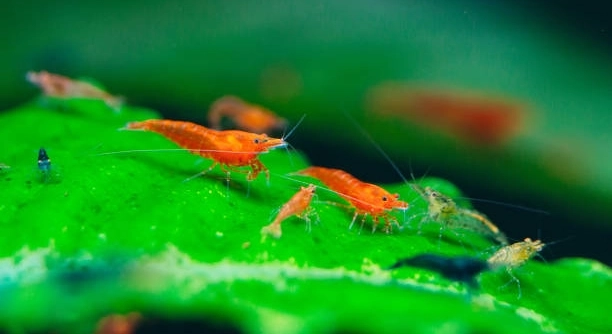
Have you ever watched your cherry shrimp move through their tank and wondered how they handle faster water movement that changes their usual paths and creates stronger currents around them in their peaceful aquatic home.
Cherry shrimp experience stress in fast currents, since their small size limits stability. Strong flow forces them to exert more energy to maintain position. While they are adaptable, sustained high velocity environments notably disrupt normal behavior and reduce feeding efficiency.
Learning how fast currents affect their movement and comfort helps you maintain a habitat that supports better behavior in shrimp.
Understanding Fast Currents
I have spent plenty of time observing how cherry shrimp react when water flow increases, and the changes are often easy to notice. Fast currents push them into constant movement, making them spend more energy than they normally would in calmer sections of the tank. Their tiny bodies are built for gentle gliding, so stronger movement around them shifts their routine and creates moments of visible strain. You may see them clinging to plants or decorations more often, since these areas offer a stable place to rest. Over time, too much speed in the water can limit their ability to feed comfortably, especially when food particles move away faster than they can chase them. While they are capable of adapting to a variety of conditions, placement in fast-flowing zones makes activity more challenging for them. Keeping an eye on their behavior helps you understand how the current influences their comfort.
I keep a close watch on how their feeding and resting patterns shift when the flow becomes too strong, since these small changes often reveal early signs of discomfort in the tank and help guide simple adjustments that protect their well-being on a daily basis around their small environment everywhere.
Creating a stable space for cherry shrimp begins with understanding how water movement affects their routines. Softer currents give them comfortable areas to graze, rest, and explore without constant strain. When you maintain moderate flow, their natural habits return, and they move with steadier patterns that support better feeding. A balanced setup includes calm zones where they can pause without being pushed around. Plants, moss, and small structures offer safe resting points that let them manage their energy. By adjusting these elements with care, you help them feel grounded in their environment and encourage healthier behavior throughout the tank daily.
Supporting Your Shrimp
Small adjustments in current strength can create noticeable improvements for cherry shrimp, giving them calmer places to rest and easier access to food while reducing the strain caused by continuous movement through stronger sections of the tank and supporting their overall comfort each day in their gentle aquatic space today.
Maintaining suitable flow for cherry shrimp begins with paying attention to how the water behaves across different parts of the tank. Some sections naturally carry stronger currents, while others remain more settled. Creating a setup that blends both allows your shrimp to choose comfortable areas that fit their needs. Strong flow can be useful for keeping debris suspended, but leaving too much of it across the entire tank forces shrimp to use extra energy for basic movement. A steady environment supports natural feeding patterns and helps them reach algae and biofilm without being pushed away. Decorations, moss, and plant clusters act as helpful barriers that soften movement and give them secure places to rest. Adjusting the direction of the filter outlet can reduce pressure in important grazing zones. Choosing sponge filters or adding pre-filters can create smoother circulation that protects their delicate bodies. When you monitor how your shrimp behave after each change, you learn which adjustments encourage calmer activity. They often show improved color and steadier movements when the flow supports their comfort. A balanced design creates a peaceful space where they can explore freely and maintain healthier routines throughout their tank each gentle day as they thrive well.
Managing Stress in Fast Currents
Cherry shrimp handle short bursts of strong flow, but extended periods lead to visible stress. Their small bodies tire quickly, and they often cling to plants for support. Keeping the current moderate helps reduce unnecessary strain and keeps their daily movement more controlled.
When fast currents fill most of the tank, your shrimp may show reduced feeding and more hiding. Strong flow pushes food away from grazing zones, forcing them to chase particles they cannot catch easily. Slower areas let them settle, eat calmly, and return to their natural patterns. Rearranging decorations, adding moss, or redirecting filter output helps create soft resting spaces. Once calmer zones form, shrimp distribute themselves more evenly and show brighter coloring that reflects lower stress levels. Watching how they position themselves after each adjustment helps you understand which areas still need small changes for better balance.
Supporting shrimp in stronger currents requires paying attention to how they react after water changes or filter cleaning. Sudden shifts in flow can surprise them and push them into fast-moving sections. Creating barriers with plants or stones softens these transitions and gives them safer spots to move through. Maintaining consistency in water movement helps them remain comfortable and reduces energy loss. Over time, a steady layout builds predictable paths that promote healthier grazing.
Creating a Balanced Habitat
A balanced habitat forms when calm and moderate flow areas work together. Cherry shrimp choose where to rest, feed, and explore, so offering gentle options supports their comfort and stability without overwhelming them in daily tank life.
Building this environment starts with filter placement and the direction of the outlet. A strong stream across the entire tank encourages debris to lift, but it also forces shrimp to navigate constantly. By redirecting the stream toward a wall or placing a sponge over the outlet, you create softer movement that still circulates water. Plants, driftwood, and moss add natural breaks that shield shrimp from heavy flow. These features help them settle in safe areas while still benefiting from steady oxygenation. When you watch their movement patterns, you will see them choosing calmer sections when the setup supports them well. Regular observation guides small improvements, allowing you to keep their space gentle, balanced, and comfortable.
Recognizing Signs of Discomfort
Cherry shrimp show discomfort when currents become too strong, often clinging to surfaces more than usual or avoiding open areas where movement is harder to control. These small changes reveal how the flow disrupts their normal routine inside the tank.
You may notice reduced grazing when food drifts away quickly or when they hide more frequently to avoid tiring themselves out. Monitoring these patterns helps you understand how the flow affects their comfort and guides simple adjustments that keep them steady and supported.
Adjusting Flow Without Disrupting the Tank
Making changes to the water movement works best when done gradually, since shrimp respond poorly to sudden shifts in current. Small adjustments to filter direction or adding soft barriers like plants create smoother conditions without stressing them further. When the changes are made slowly, they adapt with fewer signs of discomfort. This careful approach protects their feeding habits, movement patterns, and long-term stability in the tank while keeping the water circulating well enough to maintain overall cleanliness.
Encouraging Natural Behavior
A calm environment encourages shrimp to explore, graze, and interact more naturally, giving them steady routines that support their well-being each day.
How can I tell if my cherry shrimp are stressed by fast currents?
Stress in cherry shrimp is usually visible through changes in behavior. They may cling to plants or tank decorations more often than usual, avoid open areas, or move with irregular, frantic motions. Reduced feeding is another key indicator, as strong currents push food away before they can reach it. Watching where they spend most of their time provides insight—if they stay mostly in calmer corners, the flow may be too strong. Gradually observing these patterns over several days gives a clearer picture of their comfort and energy levels in the tank.
What adjustments can I make to reduce current stress?
Small modifications can significantly improve shrimp comfort. Redirecting the filter output toward a tank wall or using a sponge on the outlet can soften the flow. Adding moss, plants, or decorations provides natural breaks, creating calmer pockets for rest and feeding. Adjusting the flow gradually is essential, as sudden changes may startle them. Observing how they redistribute themselves after each change ensures the modifications are effective. These adjustments help shrimp maintain natural routines without constant energy expenditure, supporting better feeding, movement, and overall well-being.
Can cherry shrimp adapt to stronger currents over time?
Cherry shrimp show some adaptability, but their small size limits long-term tolerance to strong flow. Short exposure periods are manageable, but constant fast currents increase energy demands and can reduce feeding efficiency. They tend to gravitate toward calmer areas when possible, which shows instinctive behavior rather than full adaptation. Providing moderated flow with a combination of calm and slightly moving zones helps them gradually adjust while maintaining comfort. This approach balances the benefits of water circulation with their need for manageable energy expenditure.
What role do tank decorations play in managing currents?
Decorations, moss, and plants act as natural buffers against strong currents. They break the flow, creating microhabitats where shrimp can rest, feed, and explore safely. Dense plant areas or driftwood clusters allow shrimp to maintain stability without constant effort. Placement of these features near feeding zones helps ensure food isn’t swept away. Observing how shrimp interact with these spaces guides further adjustments. By carefully designing the tank layout, you can control current intensity while giving shrimp a choice of where to move, improving comfort and natural behavior.
Is there a difference in response between young and adult shrimp?
Younger cherry shrimp are smaller and less capable of fighting currents, so they often show stress faster than adults. They may cling to surfaces or hide more frequently. Adult shrimp can handle slightly stronger flow due to their larger size, but prolonged exposure still increases energy expenditure. Creating gentle zones benefits all ages, though additional calm spaces for juveniles are particularly important. Regular observation of both young and adult behavior ensures that all shrimp have access to suitable areas where they can feed and move without strain.
How often should I monitor their reaction to current changes?
Daily monitoring is ideal, especially after adjustments to the tank’s flow. Observing movement patterns, feeding habits, and resting spots allows you to detect early signs of stress. Note whether shrimp spend more time in calm areas or struggle to maintain position in stronger currents. Regular observation helps identify sections of the tank that require further modification, ensuring their habitat remains balanced. Recording these behaviors over time also provides insight into long-term comfort, helping you make consistent decisions that protect shrimp well-being and encourage stable routines throughout the aquarium.
Can filter type affect how cherry shrimp handle currents?
Yes, different filters create different flow patterns. Sponge filters or gentle corner filters produce softer currents, while power filters can generate strong, direct flow that stresses shrimp. Adjusting filter placement or using pre-filters reduces intensity. Proper filter choice combined with careful positioning ensures water circulation without compromising shrimp comfort. Observing shrimp behavior after changes helps determine whether the current is manageable or requires further adjustment to prevent energy depletion and maintain healthy feeding habits.
Do cherry shrimp need current for their health, or is calm better?
Moderate current supports water circulation and prevents debris buildup, but excessively strong flow causes stress. Calm zones allow feeding and resting, while gentle movement ensures oxygenation and cleanliness. Balancing flow is crucial: too much causes strain, too little may reduce water quality. Careful monitoring ensures shrimp can enjoy both benefits of circulation and areas of comfort for stable behavior.
How long does it take for shrimp to adapt after adjustments?
Adaptation varies by individual and age. Some shrimp quickly move into calmer zones and resume normal feeding within hours, while others take days to adjust. Providing gradual changes and observing behavior daily supports a smoother transition. Monitoring energy levels, grazing patterns, and position in the tank helps confirm that shrimp are comfortably adjusting to the new flow conditions.
What signs show that adjustments were successful?
Shrimp move freely without clinging constantly, feed efficiently, and spread evenly across the tank. Color tends to brighten, reflecting lower stress. Calm resting spots are used regularly, and normal movement resumes. Observing these behaviors consistently indicates that the tank environment supports their comfort and allows natural routines to continue without energy overexertion or disruption caused by strong currents.
Cherry shrimp are small, delicate creatures that respond quickly to changes in their environment. Fast currents can create challenges for them, as their tiny bodies are not built for strong, continuous water movement. When currents are too strong, they spend more energy simply trying to hold their position or move across the tank. This extra effort can affect their feeding habits, resting routines, and overall well-being. Observing their behavior closely is essential, as even small changes can indicate stress. Signs such as hiding more frequently, clinging to plants, or struggling to reach food are clear indicators that the current may be too strong for them. By understanding how these shrimp interact with their habitat, it becomes easier to make thoughtful adjustments that support their comfort and daily activity. Their natural behaviors, such as grazing on algae or biofilm and exploring the tank, are best supported in areas where the flow is moderate and predictable.
Creating a balanced environment is key to supporting healthy shrimp. This includes a mix of calm areas for resting and feeding, along with gentle flow that keeps water circulating properly. Plants, moss, driftwood, and other decorations act as natural barriers, softening the current and providing secure spots for shrimp to hold onto when needed. Careful placement of the filter and consideration of flow direction help maintain this balance. Gradual adjustments are preferable to sudden changes, as abrupt shifts can stress shrimp and disrupt their normal routines. Monitoring their movement and feeding patterns after each adjustment provides useful feedback about what is working well and what may need further modification. Over time, small improvements to tank layout and current management result in a healthier, more comfortable environment where shrimp can thrive and maintain natural behaviors without unnecessary strain.
It is important to remember that while cherry shrimp can adapt to moderate changes in flow, they are not built to handle strong, continuous currents for extended periods. Providing a thoughtful and balanced habitat allows them to perform normal activities with minimal stress and energy expenditure. Observing shrimp daily and making small adjustments ensures that each shrimp has access to suitable areas where they can feed, rest, and explore safely. Maintaining a combination of gentle currents and calm zones encourages steady movement, natural grazing, and overall healthier behavior. By focusing on their comfort and the stability of the tank environment, you create conditions that allow your shrimp to live more naturally and maintain their well-being in the long term. Careful attention to current strength, tank layout, and behavioral observation is the most effective approach to keeping cherry shrimp content and thriving in an aquarium setting.

Hello,
If you enjoy the content that we create, please consider saying a "Thank You!" by leaving a tip.
Every little bit helps us continue crafting quality advice that supports the health, happiness, and well-being of pets around the world, for pets of all shapes, sizes, and species.
We really appreciate the kindness and support that you show us!