
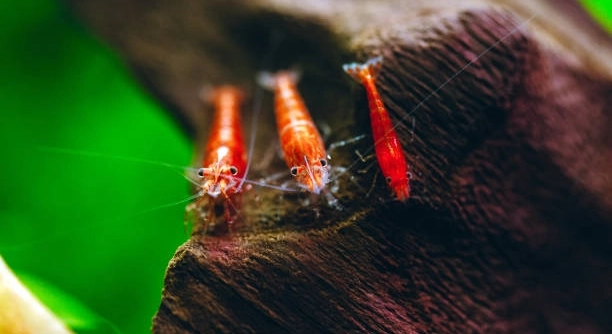
Do you ever find yourself unsure about when to pause your shrimp feeding routine during certain changes in their tank environment, especially when their behavior shifts in ways that seem slightly unusual or unexpected today?
Delaying shrimp feeding becomes necessary when health concerns, water quality fluctuations, molting phases, recent transport, medication treatments, aggressive interactions, or significant habitat adjustments occur, ensuring your shrimp avoid stress and maintain stable physiological balance throughout periods of environmental disruption varied.
Learning these situations builds confidence in your care routine and encourages a smoother feeding approach that keeps your shrimp steady.
When Water Quality Drops
Maintaining stable water conditions is essential for keeping shrimp active and comfortable. When ammonia, nitrite, or nitrate levels rise, their stress increases quickly, and feeding at that time can make the situation worse. Shrimp rely on clean, well-oxygenated water to digest food properly and stay energetic. Offering food when the water is unstable often leads to leftovers breaking down, creating even more imbalance. This cycle becomes stressful for both you and your shrimp, especially if you are trying to get them back to normal. Holding off on feeding allows you to focus on restoring healthy conditions and gives your shrimp the chance to stabilize before eating again, supporting their long-term comfort in the tank.
Waiting to feed during water issues keeps waste from building up and gives you the space to correct the problem without added pressure from leftover food.
Once everything returns to a steady level, your shrimp will respond better to feeding, allowing their natural behavior to come forward again. Clean water helps them move comfortably, eat normally, and avoid unnecessary stress. When they feel balanced, they are more active and show brighter coloration. Delaying feeding during these moments is a simple practice, but it has a meaningful impact on their overall well-being. It keeps them safe while also making their environment easier to manage.
During Molting Phases
Shrimp become extremely vulnerable during molting, and feeding at the wrong time can put extra strain on them. Limiting feeding during this phase helps them recover safely and steadily.
Shrimp use a large amount of energy when shedding their old shell and forming a new one. Their bodies become soft, making them more sensitive to stress and changes in the tank. Offering food during this period often goes ignored because their focus shifts to protection rather than appetite. Uneaten food then settles into the substrate, causing minor water fluctuations that can intensify their stress. Delaying feeding until their shell hardens keeps the environment stable and reduces the chance of complications. Once they regain strength, they return to normal movement and feeding patterns. By allowing them this quiet adjustment time, you support stronger molts, healthier growth, and a calmer tank atmosphere without adding unnecessary strain.
xxxxxxxxxxxxxxxxxxx
Pausing feeding during transport recovery helps your shrimp regain stability after stress. Their behavior often shifts as they adjust, and extra food can create waste that disrupts the tank while they are still settling back into normal patterns.
Shrimp need time to steady their breathing rate and movement after being moved from one environment to another. Temperature shifts, handling, and new surroundings can leave them overwhelmed, causing them to ignore food. Uneaten food quickly affects the water, creating small changes that slow their recovery. Allowing them a quiet period without feeding keeps the tank balanced and gives them space to adapt. Once they begin exploring again, feeding becomes easier and safer for them.
Restarting feeding slowly once they stabilize supports smoother adjustment. Offering tiny portions at first helps you gauge their appetite without stressing the tank. This careful approach protects both their comfort and the overall environment.
xxxxxxxxxxxxxxxxxxx
Holding back food during medication treatments protects shrimp from unnecessary strain. Their bodies are already working hard to handle the treatment, and food can complicate digestion when they are under stress from active chemicals in the water.
Medication can temporarily affect their behavior, making appetite unpredictable. Shrimp may hide more, move less, or avoid food completely. Any uneaten food risks causing subtle water changes that interfere with the treatment. Giving them a break from feeding allows the water to stay consistent while the medication does its work. Once treatment ends, a gentle return to feeding helps them regain strength without overwhelming their system.
xxxxxxxxxxxxxxxxxxx
Avoid feeding when shrimp show signs of illness, since their appetite becomes inconsistent and leftover food affects stability. Giving them space to rest keeps the tank cleaner while you monitor their behavior. This pause supports recovery and helps prevent unnecessary stress during sensitive moments in their daily tank routine today.
Holding food back gives you time to correct any issues causing the illness while keeping the tank calmer. Shrimp often stay still during sickness, leaving food untouched. Allowing them this pause protects water quality and supports a cleaner environment as they regain strength slowly over the next few quiet hours.
xxxxxxxxxxxxxxxxxxx
Postponing feeding after major habitat changes keeps your shrimp from facing extra stress while they adjust to new surroundings. Rearranging plants, adding decor, or altering substrate can unsettle them, making appetite temporarily unreliable. Food left uneaten during this time impacts water balance, creating small shifts that slow their adjustment. Giving them a calm period without feeding helps restore steady behavior and supports a smoother return to normal routines. Once movement becomes more confident and they explore the updated layout, reintroducing small portions maintains stability and prevents waste. This simple pause keeps the environment consistent while they settle into their space.
xxxxxxxxxxxxxxxxxxx
Pausing feeding when shrimp display sudden aggressive behavior prevents competition from worsening. Extra food often increases excitement, making tension stronger. Giving them a break creates a calmer atmosphere and reduces risk of injury. Once behavior evens out, food can be reintroduced gently to support stable interaction in the tank today.
Why should I delay feeding when my shrimp stop moving normally?
Shrimp often pause movement when something in the tank disrupts their comfort. This slowdown affects their appetite, making feeding less helpful during those moments. Delaying feeding lets you watch their behavior without extra waste building up. If they ignore food, it settles in the substrate where it slowly affects water quality. Giving them a short break keeps the environment cleaner while you figure out what caused the change. Once their movement becomes steady again, small portions help them readjust without overwhelming the tank. This gentle approach supports both their comfort and the overall balance of the setup.
How long should I wait to feed after fixing a water quality problem?
After stabilizing water parameters, give your shrimp a little time to settle before feeding again. Even when the numbers return to normal, their bodies may still be adjusting. A waiting period helps them feel secure and prevents sudden stress from new food breaking down. Thirty to sixty minutes of calm time allows the tank to reach a steady rhythm, especially after filtration changes or substrate cleaning. When they begin exploring again and show interest in the environment, you can reintroduce small amounts of food without worrying about further imbalance.
Do shrimp need special feeding care after molting?
Shrimp become softer and more sensitive after shedding their shell. Feeding too soon can create small shifts in the tank while they are still trying to regain their strength. Delaying food gives their new shell time to harden, helping them avoid complications. When they begin moving confidently again, gentle feeding supports growth without overwhelming them. This simple pause encourages stronger molts and healthier long-term development.
What if my shrimp ignore food after being transported?
Transport can make shrimp feel uncertain, and many need time before eating again. They may hide or stay still while adjusting to temperature and water differences. Offering food too quickly leads to leftovers that affect the tank. Waiting allows their stress to settle. Once they move around calmly and show interest in their surroundings, feeding them small portions helps them ease back into their usual routine.
Why should I hold off feeding during medication treatments?
Medication places extra strain on shrimp, and digestion becomes unpredictable during treatment. They may respond differently to food or ignore it entirely. Leftover particles interfere with the stability of medicated water, lowering effectiveness. Delaying feeding keeps the treatment environment steady and supports recovery. Once the medication cycle ends, gradual feeding helps them regain energy in a controlled way.
Is it normal for shrimp to lose appetite after habitat changes?
Yes, rearranging plants, adjusting hardscape, or changing substrate can unsettle them. They often shift into cautious behavior while learning the updated layout. Feeding during this period can create waste because they might avoid eating. Holding back food lets them adjust without added pressure. When they resume exploring and behave normally, gentle feeding fits back into their routine without stressing the tank.
Why should I pause feeding when shrimp act aggressively?
Aggression can increase excitement, and food often adds to that tension. Skipping feeding keeps the environment calmer, helping aggressive shrimp settle. This short break prevents injuries and keeps the tank steady while behavior evens out. When interactions return to normal, small portions help reintroduce feeding without encouraging further conflict.
How can I tell when it is safe to start feeding again?
Look for steady movement, gentle exploring, and interest in the tank. These signs show your shrimp feel stable enough to eat. Reintroduce food slowly, paying attention to how they respond. If they eat calmly and leave little behind, regular feeding can continue without disrupting the tank.
Final Thoughts
Caring for shrimp becomes much easier when you understand the moments that call for a pause in feeding. These small breaks are not a setback but a practical way to keep the tank stable and reduce stress for the shrimp. Every delay has a purpose tied to their comfort, safety, or overall health. When water changes create sudden imbalance, when they are handling stress, or when their bodies need a quiet moment to recover, holding back food supports their natural rhythm. It also helps you stay in control of the tank, since feeding too soon can create waste that disrupts the balance you are trying to maintain. By watching their behavior and responding with patience, you give the shrimp a steady environment where they can move through each stage without unnecessary strain. These careful pauses become part of a simple pattern that protects both their physical state and the quality of the tank.
Choosing the right time to resume feeding reflects attention and care rather than strict rules. Shrimp often show small signs when they are ready, from gentle exploring to steady movement or an improved reaction to their surroundings. Understanding these cues helps you avoid pushing them back into stressful conditions too soon. This approach keeps feeding from becoming a source of tension and instead turns it into a way to support their stability. The tank also benefits from this steady routine, since uneaten food can cause subtle changes that build up over time. By staying aware of these details, you protect the balance of your setup while letting the shrimp regain strength at a pace that feels safe for them. Over time, this awareness helps the tank run more smoothly and gives you a clearer sense of what your shrimp need at each stage.
Slowing down feeding during sensitive moments becomes a habit that brings long-term comfort to both you and your shrimp. It gives you time to assess situations calmly while avoiding unnecessary complications. Each pause creates space for the shrimp to settle, recover, or adjust, depending on the moment they are facing. When you embrace this gentle approach, you support stronger growth, smoother behavior, and a more stable tank environment. These thoughtful decisions build confidence in your care routine and help you manage changes with greater ease. In the end, delaying feeding is a simple step, but it has meaningful effects that carry forward, supporting the health of your shrimp and allowing you to maintain a steady and peaceful habitat that feels reliable every day.

Hello,
If you enjoy the content that we create, please consider saying a "Thank You!" by leaving a tip.
Every little bit helps us continue crafting quality advice that supports the health, happiness, and well-being of pets around the world, for pets of all shapes, sizes, and species.
We really appreciate the kindness and support that you show us!