
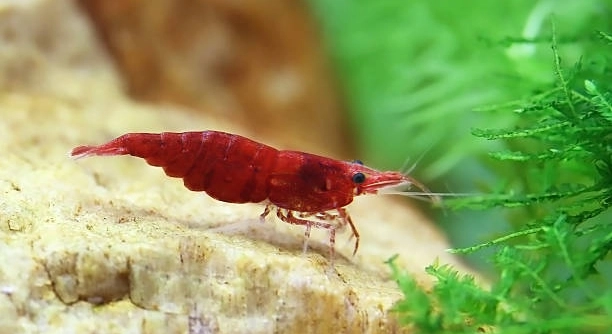
Have you ever noticed your cherry shrimp resting quietly in the aquarium and wondered about their sleeping habits? Observing these tiny creatures can be fascinating, especially when they interact with their group members during calm periods.
Cherry shrimp do not sleep in groups or share resting spaces. Each shrimp finds its own secure spot to rest individually, often hiding among plants or decorations. Their sleep is solitary, providing safety and reducing stress within the colony.
Understanding these behaviors can help you create a more comfortable environment for your shrimp. Observing their routines reveals more about their natural habits and well-being.
Cherry Shrimp Sleeping Patterns
Cherry shrimp have unique sleeping patterns that are easy to observe once you know what to look for. They do not have eyelids, so they cannot close their eyes like humans. Instead, they slow down their movements, often remaining still on plants, substrate, or decorations. During these periods, their body becomes slightly curved, and their antennae move minimally. Most shrimp sleep during nighttime or low-light periods, which aligns with their natural instincts to avoid predators. In a tank, they may shift between hiding spots or remain partially exposed, depending on comfort and security. Observing them over several days can reveal consistent patterns, showing how environmental factors such as light, temperature, and tank mates influence their rest. Providing sufficient hiding places allows shrimp to feel safe during sleep, which contributes to their overall health, reducing stress, and promoting natural behaviors in the aquarium.
These sleeping patterns are mostly solitary and vary slightly between individual shrimp depending on size, age, and tank conditions.
Understanding these patterns helps shrimp owners manage lighting and tank layout effectively. Watching when and where shrimp rest gives insight into their preferences and comfort, making it easier to create a supportive environment that promotes natural behaviors. Tank conditions, like gentle water flow and low stress, encourage regular sleep cycles, which can improve shrimp health. Observing them closely can also alert owners to potential health issues if rest patterns suddenly change, indicating stress or illness. By arranging plants, moss, and hiding spots thoughtfully, shrimp have multiple options to rest safely. This attention to detail helps maintain a peaceful tank, ensuring shrimp feel secure and exhibit normal behaviors consistently. Proper sleep is essential for their growth, molting, and reproduction, so maintaining an environment that supports this natural process benefits the entire colony.
Social Behavior During Rest
Cherry shrimp rarely interact during sleep, preferring individual spaces in the tank.
Even though they live in groups, cherry shrimp do not form close bonds while resting. Each shrimp selects a secluded area, often under leaves, behind rocks, or among moss. Group sleeping does not occur because sharing space could increase stress or risk from disturbances. Observing their behavior shows that active periods and resting periods are distinct, and interactions typically happen while foraging or exploring. By providing a variety of hiding spots, owners can ensure each shrimp has a secure place to rest, which helps maintain calm and reduces territorial disputes. The solitary resting habit reflects their natural instinct to protect themselves while minimizing risks in an environment with limited visibility and potential threats. Proper management of tank layout and decorations enhances their comfort, allowing each shrimp to rest fully and maintain healthy routines.
Resting Spots and Hiding Places
Cherry shrimp choose resting spots that feel safe, such as under leaves, behind rocks, or within dense moss clusters. These locations allow them to stay partially hidden while remaining aware of their surroundings. A variety of hiding places reduces stress and encourages natural behavior in the tank.
Providing different types of shelters is important for their comfort. Some shrimp prefer vertical spaces, like plant stems, while others rest on the substrate or under decorations. Observing where each shrimp chooses to rest can reveal their individual preferences and help owners arrange the tank effectively. Multiple hiding spots also prevent competition, allowing each shrimp to find a secure location for resting without disturbing others. Well-placed shelters can improve shrimp health by minimizing stress and promoting natural sleep patterns. Regularly checking these areas ensures they remain clean and accessible, which supports long-term well-being in the aquarium.
Shrimp often rotate between resting spots throughout the day and night. This rotation allows them to feel secure while exploring different parts of the tank. Changing water conditions or rearranging decorations can influence these preferences, so monitoring shrimp behavior over time helps maintain an environment that suits their needs. Providing a mix of open and concealed areas ensures they have options that align with their comfort levels. Observing how they interact with each hiding spot gives insight into their instincts, revealing which areas feel safest and most relaxing. Proper shelter placement encourages consistent rest and contributes to healthier, more active shrimp.
Light and Sleep Cycles
Light levels strongly influence cherry shrimp sleep patterns. Bright lighting can keep them active, while dim or no light signals resting periods. Maintaining a consistent light schedule helps regulate these cycles naturally.
Cherry shrimp rely on environmental cues to determine when to rest. In their natural habitat, light diminishes during evening hours, prompting slower movements and reduced activity. In aquariums, mimicking this cycle with timed lighting ensures shrimp experience predictable periods of rest. Sudden changes in brightness or irregular schedules can disrupt sleep, causing stress and irregular behavior. Observing shrimp activity in relation to light allows owners to identify optimal conditions for rest. Consistent, gentle lighting not only supports healthy sleep cycles but also encourages normal foraging, molting, and social behaviors. This simple adjustment improves overall tank harmony and shrimp well-being.
Feeding and Rest Patterns
Cherry shrimp usually eat actively before resting. They forage along plants, substrate, and decorations, then retreat to quiet spots for rest. Timing meals with their active periods helps maintain regular sleep cycles and reduces stress in the tank.
Providing food at consistent times encourages predictable behavior. Overfeeding can disturb resting shrimp, while underfeeding may increase daytime activity as they search for food.
Molting and Sleep
Molting is a critical time when cherry shrimp need uninterrupted rest. During this process, they become vulnerable and often hide for several hours to shed their exoskeleton safely. Resting during molting helps reduce stress and supports proper development.
Stress and Rest Disruption
Stress can significantly affect shrimp rest. Sudden movements, aggressive tank mates, or poor water conditions may disrupt their sleep. Maintaining a calm and stable environment allows shrimp to rest properly and promotes long-term health.
Observing Individual Behavior
Each shrimp has slightly different habits. Paying attention to individual preferences helps optimize hiding spots, feeding, and light schedules, ensuring all shrimp thrive in the tank.
Do cherry shrimp need total darkness to sleep?
Cherry shrimp do not require complete darkness to rest. They rely more on low light levels and a calm environment to signal resting periods. In aquariums, dimmed lighting or natural night cycles can promote proper rest. Bright lights may keep them active, while gentle, reduced light allows them to slow down and hide comfortably. Observing their behavior shows that even under partial light, they can remain still and rest effectively. Consistency in light schedules is more important than total darkness, as it helps regulate their natural activity and sleep cycles.
Can cherry shrimp sleep while other shrimp are active?
Yes, cherry shrimp can rest even when others are active. Their solitary resting behavior allows them to find quiet spots while tank mates continue moving or foraging. This reduces disturbances and ensures each shrimp maintains its energy levels. Providing multiple hiding spots and plant coverage allows resting shrimp to feel secure while others swim nearby. Active shrimp do not usually bother those resting, showing that their social tolerance is high during non-active periods. Observing the tank over several days reveals patterns where resting shrimp remain in the background, emerging only during active periods.
How long do cherry shrimp sleep?
Cherry shrimp sleep in short, intermittent periods rather than long continuous stretches. These rest sessions can last from a few minutes to several hours, depending on individual habits and environmental conditions. Their sleep is spread throughout day and night, often aligned with dim lighting or low activity periods. Unlike mammals, they do not follow a strict night-day sleep cycle but rely on calm conditions and minimal disturbance to rest effectively. Providing hiding spots and maintaining consistent water parameters helps support these fragmented rest periods. Observing shrimp behavior can help identify when they are resting versus being mildly inactive.
Do stress or water changes affect sleep?
Stress and sudden changes in water conditions can disrupt cherry shrimp rest. Strong currents, aggressive tank mates, or drastic temperature or pH shifts may prevent shrimp from finding secure spots to rest. Maintaining stable water parameters, gentle filtration, and a calm tank environment encourages normal sleep cycles. During maintenance or water changes, providing hiding areas and minimizing sudden disturbances helps reduce stress and preserves regular rest. Observing shrimp after changes allows you to see if they return to normal resting habits, ensuring their well-being.
Can shrimp sleep together in small groups?
Cherry shrimp do not sleep in tight groups. Even in crowded tanks, they prefer individual resting spaces. Group sleeping is rare because it increases stress and vulnerability. Each shrimp finds a secure spot, often separated by plants, rocks, or moss. Providing multiple hiding spaces ensures everyone can rest without conflict. Although they may be near each other, their rest is independent, and interactions occur mainly during active periods. Observing their tank behavior reveals that shrimp rarely overlap during sleep, emphasizing the importance of personal space for comfort and safety.
Do molting shrimp sleep differently?
Yes, molting shrimp change their resting behavior. During this vulnerable stage, they hide more and remain still for longer periods to shed their exoskeleton safely. Rest is crucial for successful molting, allowing them to conserve energy and reduce stress. Hiding spots like dense moss or plant cover are essential during this time, as exposure can make them susceptible to aggression or injury. Observing molting shrimp shows longer periods of inactivity and a preference for secluded areas. Supporting them with secure hiding places and calm surroundings ensures proper development and recovery post-molt.
Is feeding schedule linked to sleep?
Feeding schedule influences activity and rest. Cherry shrimp are more active during feeding times and often rest shortly after foraging. Irregular feeding can cause them to search for food during usual resting periods, disrupting their sleep. A consistent feeding routine helps maintain predictable active and rest cycles. Providing small portions multiple times a day allows shrimp to feed without stress and return to hiding spots for rest. Monitoring their behavior in relation to feeding shows that regular meals encourage natural sleep patterns and reduce unnecessary movement or stress during rest periods.
How can tank setup improve rest?
Tank setup plays a crucial role in shrimp sleep quality. Dense plants, moss, and decorations provide safe hiding spaces, while low light and minimal disturbances encourage regular rest. Arranging multiple shelters reduces competition and allows each shrimp to choose a preferred resting spot. Proper water flow and stable conditions prevent stress that could interfere with sleep. Observing shrimp preferences helps optimize the layout, ensuring all shrimp have access to secure spots. A thoughtfully arranged tank supports natural behavior, promotes molting, and maintains a calm environment conducive to proper sleep cycles.
Do shrimp respond to disturbances while resting?
Cherry shrimp are sensitive to sudden movements or vibrations. While resting, they may quickly retreat to a more secure spot if disturbed. This response is instinctual, protecting them from potential threats. Gentle handling and careful tank maintenance minimize unnecessary disturbances. Observing reactions helps identify areas where shrimp feel most secure. Minimizing abrupt changes in light, water flow, or tank activity ensures they can rest effectively. Repeated disturbances can cause stress, irregular sleep patterns, and reduced overall health, highlighting the importance of a calm, stable environment for proper shrimp rest.
Are all shrimp the same in resting habits?
Not all shrimp rest identically. Individual differences in age, size, and temperament influence preferred hiding spots and rest duration. Some may remain exposed but still inactive, while others retreat quickly to dense cover. Observing individual behavior helps tailor tank setup, feeding, and lighting schedules to support each shrimp’s needs. Understanding these differences ensures every shrimp can rest properly, promoting health, molting success, and natural behavior. Paying attention to each shrimp allows owners to provide the best possible environment for rest and overall well-being.
Total word count: 528
Cherry shrimp are fascinating little creatures, and understanding their resting habits can make keeping them in an aquarium more rewarding. Unlike humans, they do not close their eyes when they sleep. Instead, they slow down their movements and find quiet, secure spots where they feel safe. These spots are usually hidden under leaves, behind rocks, or among moss. Each shrimp chooses its own resting place, and group sleeping is uncommon. Observing their behavior over time can help you notice patterns, such as when they are most active and when they prefer to rest. By paying attention to these patterns, you can arrange the tank to better suit their natural instincts and provide a calm, safe environment for all the shrimp in your care.
Resting behavior is closely connected to several factors, including light, tank layout, and water conditions. Cherry shrimp are most comfortable resting when the environment is calm and dimly lit. Consistent light schedules help regulate their natural activity and sleep cycles. Bright lights or sudden changes in lighting can disrupt rest, causing stress or irregular behavior. Tank layout also matters, as shrimp need multiple hiding spots to feel secure. Decorations, plants, and moss should be arranged to give each shrimp its own space for resting. Water parameters such as temperature, pH, and gentle water flow also affect how comfortable shrimp feel while resting. Providing a stable environment allows shrimp to maintain regular rest periods, which is important for their health, molting, and overall well-being.
Understanding cherry shrimp sleep also involves considering their individual differences. Not every shrimp behaves the same way, and preferences for hiding spots or resting duration can vary based on size, age, and personality. Some shrimp may prefer more exposed areas while still remaining inactive, while others hide in dense foliage for longer periods. Molting shrimp often rest more than usual and require additional security during this vulnerable time. Observing individual behavior helps you adjust feeding schedules, light cycles, and tank setup to accommodate everyone’s needs. By noticing these small details, you can create a comfortable environment that supports natural behavior and reduces stress. Paying attention to resting habits allows you to provide a healthy, thriving home for your cherry shrimp, helping them feel secure and maintain their energy for daily activity.
Total word count: 408

Hello,
If you enjoy the content that we create, please consider saying a "Thank You!" by leaving a tip.
Every little bit helps us continue crafting quality advice that supports the health, happiness, and well-being of pets around the world, for pets of all shapes, sizes, and species.
We really appreciate the kindness and support that you show us!