
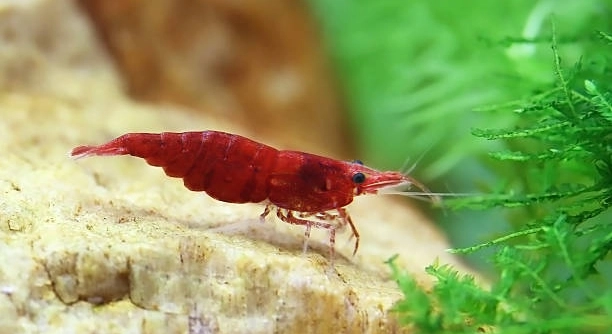
Are your cherry shrimp active during certain parts of the day or do they move about evenly at all times? Observing their behavior can be both relaxing and insightful for understanding their needs in an aquarium.
Cherry shrimp are not strictly active at specific times, though they exhibit peak activity during dawn and dusk periods. Their behavior is influenced by light, temperature, and feeding schedules, resulting in variable movement patterns throughout the day.
Knowing when your shrimp are most active can help you optimize feeding and tank care for a healthier environment.
Understanding Cherry Shrimp Activity Patterns
Observing cherry shrimp in your tank can reveal distinct patterns. They tend to be more active during low light periods, such as early morning or late evening, moving around plants, rocks, and substrate. During the brightest hours of the day, they often hide or remain still. This behavior is natural, helping them avoid predators and conserve energy. Water temperature, food availability, and tank setup also influence their activity. Shrimps respond to subtle environmental changes, so even minor adjustments in lighting or decoration can shift their behavior. Feeding times can encourage movement, as shrimp quickly learn to explore the tank when food is present. Their small size and delicate nature make observing them both rewarding and sometimes challenging. Spending time watching their behavior helps understand their health and habits. Over time, you may notice individual differences, with some shrimp being more active or curious than others in the same environment.
Cherry shrimp activity is closely linked to light and feeding schedules, creating predictable movement patterns.
Providing consistent conditions ensures shrimp remain healthy and engaged, and understanding their patterns allows better tank management and care.
Factors Influencing Shrimp Movement
Light levels play a key role in shrimp activity. Bright light encourages hiding, while dim light promotes exploration and feeding.
Water quality, including temperature and pH, significantly impacts shrimp energy levels. Ideal temperatures between 72-78°F keep them active, while extreme conditions reduce movement. Tank decorations and plant coverage provide hiding spots, helping shrimp feel secure and move freely when they choose. Overfeeding can reduce their activity as they focus on available food rather than exploring. Social interactions matter too; shrimp are often more active in groups. Observing these factors together provides insight into daily behavior. Feeding routines create anticipation, and regular schedules enhance predictability in their movements. Individual shrimp may show unique activity, reflecting age, health, or temperament. Monitoring these patterns helps identify potential issues early, such as stress or illness. Attention to detail, from water parameters to tank layout, supports an environment where shrimp thrive. Consistent observation also strengthens your ability to provide proper care tailored to their natural rhythms.
Adjusting Your Tank for Optimal Activity
Providing shaded areas and plants encourages shrimp to explore without stress. Avoid overly bright lights, and consider a gentle transition from day to night.
Adjusting tank decorations can influence movement. Open spaces allow shrimp to swim freely, while hiding spots give them security. Experiment with plant placement, rocks, and driftwood to balance exploration and shelter. Observe how shrimp respond to changes, noting which areas they frequent most. Consistency in temperature and water quality further supports regular activity. Feeding schedules also guide movement, as shrimp anticipate food and respond by exploring the tank. Small adjustments often produce noticeable differences in behavior, helping you understand their preferences.
Water parameters affect energy levels. Stable pH and temperature encourage predictable activity, while fluctuations can stress shrimp and reduce movement. Minor changes in tank setup, such as repositioning decorations, can improve exploration. Group dynamics also impact behavior; larger groups often feel more confident and move more. Attention to these factors creates a supportive environment, helping shrimp thrive naturally and display their full range of behaviors.
Feeding and Activity Connection
Shrimp respond quickly to feeding, increasing movement when food is available. Regular schedules make behavior more predictable.
Timing and type of food influence activity levels. Shrimp often explore the tank eagerly before feeding, especially if accustomed to consistent routines. Offering small portions encourages foraging rather than hoarding. Live or fresh foods can trigger more active searching compared to pellets. Observing their response helps gauge appetite and overall health. Overfeeding may reduce activity, as excess food keeps shrimp stationary. Adjusting feeding times gradually can align movement with natural light cycles. Monitoring how shrimp interact with food provides insights into their habits and energy. This knowledge helps maintain an engaging, healthy tank environment.
Light and Darkness Influence
Dim lighting encourages shrimp to move around more freely, while bright light usually makes them retreat. Adjusting light intensity can help balance activity throughout the day.
Gradual transitions between light and dark periods reduce stress. Sudden changes can startle shrimp, causing them to hide and remain inactive for longer.
Temperature Effects
Stable water temperature keeps shrimp active and healthy. Fluctuations or extremes can lead to lethargy, hiding, or reduced feeding. Maintaining consistent warmth is key to supporting natural behaviors and predictable movement patterns in the tank.
Observing Individual Behavior
Each shrimp may have unique activity levels. Some explore constantly, while others stay hidden longer. Recognizing individual patterns helps you provide tailored care and notice early signs of stress or illness.
FAQ
Are cherry shrimp nocturnal?
Cherry shrimp are not strictly nocturnal, but they do show increased activity during low-light periods, such as early morning or late evening. These periods mimic natural conditions in the wild where predators are less active. While they may move around during the day, you will likely notice more consistent exploration and feeding when the lighting is dim or fading. Adjusting tank lighting gradually helps shrimp feel secure and encourages natural activity patterns without causing stress or hiding behavior.
How often should I feed my cherry shrimp?
Feeding small amounts once or twice a day works well for most tanks. Shrimp graze continuously, but overfeeding can cause uneaten food to pollute the water, reducing activity and increasing stress. Observing shrimp during feeding helps gauge appetite and ensures all shrimp have access. Rotating foods between pellets, algae wafers, and occasional fresh or blanched vegetables can stimulate movement and foraging, keeping shrimp engaged and active throughout the day.
Do all cherry shrimp move at the same times?
No, individual shrimp vary in activity levels. Some are more exploratory, while others spend time hiding among plants or decorations. Group dynamics can influence behavior; larger groups tend to feel more confident and move more frequently. Observing each shrimp’s pattern helps identify potential stress, health issues, or environmental preferences. Differences in age, size, and temperament also impact when and how much shrimp move, so expect variability even in a well-maintained tank.
Can tank setup influence shrimp activity?
Yes, decorations, plants, and open spaces significantly impact movement. Hiding spots make shrimp feel secure, encouraging exploration when they are comfortable. Open swimming areas allow them to forage and interact naturally. Adjusting plant placement, rocks, and driftwood can balance activity and security. Observation is key; subtle changes often lead to noticeable differences in behavior, helping shrimp feel confident and engaged.
Does water quality affect their activity?
Absolutely. Stable pH, temperature, and ammonia-free water are critical for active shrimp. Fluctuating conditions cause stress, which reduces movement and feeding. Maintaining consistent water parameters supports regular activity patterns and overall health. Monitoring water quality closely ensures shrimp remain energetic and display natural behaviors. Minor adjustments in tank maintenance routines can significantly improve activity levels over time.
Will feeding times affect their behavior?
Yes, shrimp quickly learn to anticipate feeding schedules. They often become more active before meals, exploring the tank and searching for food. Consistent feeding times help establish predictable movement patterns, and offering small portions encourages natural foraging behavior. Observing shrimp responses to different foods also helps optimize diet and activity levels. Avoiding overfeeding ensures shrimp remain mobile and engaged rather than stationary around excess food.
How can I encourage more activity in shy shrimp?
Providing more hiding spots and dim lighting encourages exploration without stress. Gradually introducing changes to the tank layout, adjusting light levels, and offering small amounts of favorite foods can entice shy shrimp to move more. Patience is important, as some shrimp take longer to feel secure in new environments. Observing individual responses helps tailor adjustments to encourage natural, confident activity.
Do cherry shrimp sleep?
Shrimp do rest, but their sleep is light and intermittent. They reduce movement and stay in safe areas, often hidden among plants or decorations. Rest periods are necessary for energy conservation and healthy behavior. Maintaining a consistent day-night cycle supports their natural rest patterns, ensuring they remain active when awake and rested during low activity periods.
Can stress reduce shrimp activity?
Yes, stress from sudden changes, overcrowding, or poor water quality often leads to hiding and lethargy. Shrimp under stress may reduce foraging, become less visible, and show irregular movement. Creating a stable, secure environment with consistent care routines helps minimize stress and encourages normal activity throughout the day.
Is it normal for shrimp to have peak activity at different times?
Yes, peak activity varies between shrimp and can be influenced by light, temperature, feeding schedules, and individual personality. Some shrimp are more active during early hours, others in the evening. Observing and adjusting tank conditions can help support these natural patterns, making the tank lively while keeping shrimp healthy.
This FAQ section provides a comprehensive look at common cherry shrimp behaviors and how environmental factors, feeding, and tank setup influence their activity. Observing shrimp closely and responding to their needs helps maintain a healthy, active aquarium.
Cherry shrimp are fascinating creatures with unique behaviors that can make maintaining an aquarium both engaging and rewarding. Observing their activity patterns can provide insight into their well-being and comfort within the tank. These small shrimp are naturally more active during low-light periods, such as early morning or late evening, which reflects their instinct to avoid predators and conserve energy. While they may move around at other times, their peak activity usually aligns with these dim periods. Lighting, tank setup, feeding routines, and water conditions all play a role in influencing how much and when shrimp move. Paying attention to these factors allows you to create an environment that encourages natural behavior, making the shrimp more visible and active while maintaining their safety. By providing a balance of open swimming areas and secure hiding spots, you support their confidence in exploring the tank without feeling threatened. Regular observation helps identify changes in behavior that could indicate stress, illness, or environmental issues, giving you the ability to respond before problems escalate.
Maintaining stable water conditions is critical for promoting consistent shrimp activity. Cherry shrimp are sensitive to fluctuations in pH, temperature, and water quality, and sudden changes can cause stress, hiding, or reduced movement. Keeping water within ideal parameters and monitoring it regularly supports not only their physical health but also their energy levels and natural activity patterns. Feeding practices also play a significant role. Offering small, measured portions at consistent times encourages shrimp to forage and explore rather than remain idle. Rotating different types of food, such as algae wafers, pellets, and occasional fresh vegetables, provides both nutrition and stimulation, prompting movement throughout the tank. Additionally, group dynamics can influence activity, as shrimp tend to feel more secure and move more confidently when in groups. Recognizing that each shrimp may display individual differences in activity and temperament allows for more attentive care. Adjusting the tank environment and feeding routines based on observations ensures that all shrimp can thrive and remain active.
Understanding cherry shrimp behavior takes patience and observation. Their natural tendencies, combined with environmental factors, shape how and when they move. By creating a stable, comfortable habitat with appropriate lighting, ample hiding spots, and consistent feeding, you can encourage natural activity while minimizing stress. Paying attention to individual behavior patterns helps detect potential problems early, ensuring shrimp remain healthy and active. While each shrimp may respond differently, consistent care and observation provide the foundation for a thriving aquarium. Over time, you learn to recognize the subtle cues that indicate comfort, curiosity, or stress, allowing you to make adjustments that enhance their daily activity. A well-maintained environment not only supports their physical health but also makes observing them a more enjoyable and rewarding experience. Engaging with these small creatures through careful observation and thoughtful care allows you to appreciate their natural behaviors and maintain a lively, balanced tank for the long term.

Hello,
If you enjoy the content that we create, please consider saying a "Thank You!" by leaving a tip.
Every little bit helps us continue crafting quality advice that supports the health, happiness, and well-being of pets around the world, for pets of all shapes, sizes, and species.
We really appreciate the kindness and support that you show us!