
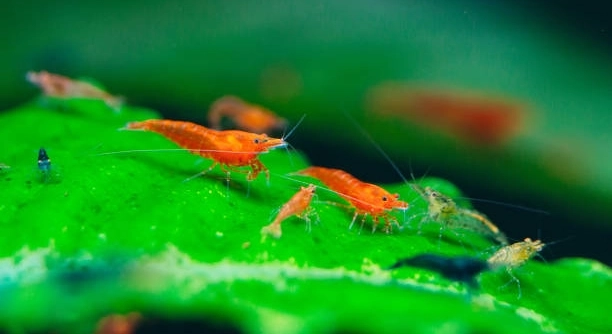
Cherry shrimp are small, vibrant creatures that add life to freshwater aquariums. Many owners notice that they often remain in one corner, moving little throughout the day, which can seem unusual or even concerning at first glance.
Cherry shrimp tend to stay in the same corner primarily due to factors such as food availability, water parameters, and environmental comfort. They seek areas with stable temperature, minimal current, and safe hiding spots to conserve energy and reduce stress.
Observing their behavior can reveal more about their needs and health, making it easier to create a thriving aquarium environment.
Reasons Cherry Shrimp Stay in One Corner
Cherry shrimp often choose one corner of the tank for several practical reasons. They naturally prefer areas where food accumulates, such as leftover algae or biofilm on decorations. A stable environment with minimal water current helps them feel secure. Corners provide a sense of safety because they are partially enclosed, reducing exposure to perceived threats. Stress can also influence their behavior. Sudden changes in lighting, water temperature, or tankmates can make shrimp retreat to familiar spots. Observing these patterns can help you understand their preferences. It is common for shrimp to explore lightly but spend most of their time in areas that meet their comfort needs. Over time, shrimp develop routines that reflect their sense of security, energy conservation, and feeding habits. This behavior is normal and indicates they are adapting well to their environment.
Corners also act as resting spots where shrimp conserve energy during periods of low activity.
Monitoring your shrimp’s preferred areas helps in adjusting tank setup, decorations, and feeding locations to match their natural habits, promoting overall well-being. Paying attention to their movement patterns can reveal subtle changes in health or stress levels. For instance, if shrimp suddenly stop using a favorite corner, it may indicate water quality issues or disease. Providing hiding spots like plants, rocks, or small decorations encourages natural behavior and reduces stress. Observing where they feed most often can guide you to place supplemental food effectively, ensuring all shrimp have access. Lighting and temperature play roles in activity, with shrimp favoring cooler, dimmer spots. Corners near gentle water flow allow them to clean themselves without fighting strong currents. Recognizing these tendencies allows for a tailored tank environment that aligns with their instincts.
Environmental Comfort and Tank Setup
Shrimp stay in corners that provide warmth, shade, and minimal disturbances.
Proper tank arrangement supports shrimp comfort and natural behaviors. Providing multiple hiding spots reduces stress and competition among tankmates. Decorations, plants, and soft substrates encourage movement without forcing them into open areas. Water flow should be gentle to prevent excessive drifting, which can tire them out quickly. Corners near filtration output or heater zones often attract shrimp due to slightly warmer, oxygen-rich water. Observing how they interact with these elements can guide adjustments to tank setup. Overcrowding or aggressive tankmates can push shrimp into confined spaces, so spacing and compatibility are crucial. Lighting schedules should mimic natural day-night cycles to maintain consistent activity patterns. Shrimp also respond to clean surfaces where they can forage efficiently. Biofilm growth on decorations offers a steady food source, reducing the need to roam. By understanding these environmental needs, it becomes easier to maintain healthy, active shrimp. Adjustments in placement and water parameters can enhance comfort, ensuring they spend time naturally and safely while exploring the tank.
Feeding Habits and Preferences
Cherry shrimp often stay in one corner where food is most abundant. Algae, biofilm, and leftover fish food accumulate in these areas, making it convenient for them to feed without moving much. They follow a consistent routine based on accessible nutrition and energy conservation.
Shrimp prefer areas where they can graze safely. Corners often collect tiny particles and support biofilm growth, providing a steady food supply. By staying in one spot, shrimp reduce the energy spent searching for meals. Their small size makes traveling across open spaces riskier, so choosing a reliable feeding zone is practical. Observing these behaviors can guide how and where to provide food, ensuring all shrimp have access. Regular monitoring of feeding areas also helps detect changes in appetite, which can indicate water quality or health issues.
Consistency in feeding habits creates a natural pattern. Over time, shrimp will return to the same spots, showing a clear preference for familiar locations. This also reduces competition and allows shy or smaller shrimp to feed without disturbance. Providing supplemental food near their favored corners encourages healthy growth and lessens stress. Adjusting feeding times and types of food can enhance their comfort, promoting overall well-being and activity in other areas of the tank as they become accustomed to the environment.
Water Conditions and Comfort Zones
Shrimp remain in areas with stable water conditions and minimal disturbance. Temperature, pH, and flow influence their choice of resting corners, where conditions feel safest and most consistent.
Stable water parameters are crucial for cherry shrimp behavior. Corners often provide slight variations in temperature, gentle water flow, and reduced exposure to light. These conditions help shrimp conserve energy while avoiding stress. Fluctuating water quality can drive shrimp to retreat or hide, emphasizing the importance of monitoring and maintaining tank stability. Decorations, plants, and substrate placement affect flow patterns, creating pockets where shrimp feel secure. Awareness of these comfort zones allows for better tank management and healthier shrimp. Proper filtration and consistent water changes maintain these areas, encouraging shrimp to stay active and feed normally. Regular testing of water parameters ensures these comfort zones remain safe, reducing risk of illness. By observing where shrimp congregate, adjustments can be made to improve overall habitat quality, supporting natural behaviors while minimizing stress in the aquarium.
Social Behavior and Grouping
Cherry shrimp often stay in one corner when other shrimp gather there. They feel safer in small groups, especially near hiding spots or plants, which reduce exposure to potential stressors and create a sense of security.
Shrimp also form loose social structures. Corners with multiple individuals offer reassurance and easy access to shared food sources.
Influence of Lighting
Bright lighting can make shrimp retreat to shaded corners. Dimmer areas help them feel protected while foraging and resting, reducing stress from constant exposure to light.
Substrate and Decoration Preferences
Shrimp favor corners with soft substrate or dense plants. These spots provide traction for movement, safe hiding spaces, and surfaces for biofilm growth, combining feeding and security in one location.
Energy Conservation
Remaining in one corner helps shrimp conserve energy. Minimal movement reduces the risk of predation and allows them to maintain strength for foraging and reproduction.
FAQ
Why do cherry shrimp stay in one corner all the time?
Cherry shrimp usually stay in one corner because it offers food, safety, and comfort. Corners often accumulate algae, biofilm, and leftover food, which reduces the need for constant movement. Additionally, these areas provide shelter and a sense of security, especially in tanks with stronger currents or active tankmates.
Is it normal for shrimp to be inactive most of the day?
Yes, it is normal. Cherry shrimp conserve energy by resting in safe spots during periods of low activity. They move mainly to forage or explore briefly. Inactivity in a preferred corner is usually a sign that they feel comfortable and unthreatened in their environment.
Can lighting affect where shrimp choose to stay?
Lighting has a significant effect. Bright lights can stress shrimp, prompting them to move to shaded corners or under plants. Dimmer, indirect light encourages natural activity while keeping them protected. Observing where they gather under different lighting conditions helps determine optimal tank setup.
Does water flow impact shrimp behavior?
Yes, water flow is important. Cherry shrimp prefer areas with gentle currents because strong flow can tire them or push them into hiding. Corners or areas behind decorations often provide a calm microenvironment, allowing shrimp to feed and rest without struggle.
Do shrimp stay in one spot because they are sick?
Not necessarily. While illness can cause unusual behavior, most shrimp staying in one corner are exhibiting normal patterns related to feeding, comfort, or energy conservation. Monitoring water quality and overall activity is important to rule out health concerns.
How can I encourage my shrimp to explore more of the tank?
Creating multiple food sources and hiding spots encourages exploration. Evenly distributing biofilm growth, plants, and decorations allows shrimp to forage safely. Gentle water flow and varied substrate can also motivate them to move, while maintaining the comfort they naturally seek.
Can tankmates affect shrimp cornering behavior?
Yes, aggressive or fast-moving fish can make shrimp retreat to corners or hiding spots. Providing dense plants or safe zones allows shrimp to feel secure while minimizing stress from more active or predatory tankmates.
Does tank size influence this behavior?
Tank size can play a role. In smaller tanks, corners are naturally more appealing because space is limited and hiding options are fewer. In larger tanks, shrimp may still prefer corners or areas with food and shelter, demonstrating their need for secure spots regardless of tank size.
Should I worry if my shrimp rarely leave one corner?
Not immediately. Occasional inactivity in a corner is typical. Focus on water quality, temperature, and observation of feeding habits. If shrimp stop eating, molt irregularly, or show unusual coloring, it may indicate stress or illness requiring attention.
What role does substrate play in shrimp behavior?
Substrate provides traction for walking and surfaces for biofilm growth. Shrimp favor soft or fine substrates in corners where they can cling, feed, and hide. Dense plants or textured decorations in these areas increase their comfort and encourage them to remain nearby.
How can I make my tank more comfortable for shrimp?
Provide stable water conditions, gentle currents, and consistent temperature. Add plants, moss, and decorations to create corners with shade and hiding spots. Even distribution of biofilm and food encourages healthy feeding behavior while allowing shrimp to maintain their preferred comfort zones.
Do shrimp form social groups in specific corners?
Yes, they often gather in small groups for security and feeding efficiency. Corners offer protection while allowing shrimp to interact and share resources. Observing these groupings helps identify their preferred areas and can guide tank arrangement to support natural behaviors.
Are there seasonal or daily patterns affecting their cornering?
Shrimp activity may vary with light cycles and feeding schedules. They tend to be more active during low-light periods, resting in corners when light is intense or food is scarce. Maintaining consistent lighting and feeding routines encourages predictable and healthy behavior.
Can changing tank decor affect shrimp corner behavior?
Yes, rearranging plants, rocks, or hiding spots can shift shrimp preferences. They may temporarily remain in familiar corners until they explore new safe areas. Gradual adjustments help shrimp adapt without causing stress or disruption to their routine.
Is it necessary to intervene if shrimp stay in one corner?
Intervention is rarely required if water conditions and feeding are adequate. Allowing shrimp to settle in preferred areas supports natural behaviors. Only consider changes if inactivity is accompanied by signs of illness, poor water quality, or overcrowding, which could negatively impact health.
Final Thoughts
Cherry shrimp are naturally cautious and selective about where they spend their time. Staying in one corner of the tank is a common behavior and usually indicates that they have found a comfortable and safe spot. Corners provide shelter from strong currents, bright lights, or more active tankmates, creating an environment where shrimp feel secure. Their choice is influenced by multiple factors, including food availability, water quality, temperature, and the presence of plants or decorations. By understanding these preferences, it becomes easier to create a tank environment that supports their natural habits without forcing them to move unnecessarily. Observing their patterns over time can reveal a lot about their comfort level and health, as well as the suitability of the tank setup. Small adjustments, like adding more hiding spots or redistributing food, can help shrimp explore more areas while maintaining the security of their preferred corners.
The feeding habits of cherry shrimp also play a significant role in their corner behavior. They often gather where food accumulates naturally, such as algae on decorations or leftover fish flakes, which reduces the need for constant movement. Corners become feeding stations that allow shrimp to conserve energy while maintaining access to nourishment. Over time, this routine becomes part of their daily behavior, creating consistent patterns in their activity. Providing multiple feeding areas and surfaces that support biofilm growth can encourage them to move and explore other parts of the tank. While it may seem like they are inactive, this behavior is an energy-efficient way of living and is typical for these small crustaceans. Observing these feeding patterns allows for better tank management and ensures that all shrimp are getting enough nutrition without creating competition or stress among tankmates.
Water conditions and tank setup further influence where shrimp choose to spend their time. Gentle water flow, stable temperature, and consistent pH levels create comfort zones that shrimp prefer to inhabit. Corners with soft substrates, dense plants, or shaded areas provide traction, protection, and surfaces for foraging, making them ideal resting and feeding spots. In addition, social behavior contributes to cornering, as shrimp feel safer in small groups. Overcrowding, aggressive tankmates, or sudden changes in the environment can push them into hiding or limit their movement. By paying attention to these factors, it is possible to design a tank that accommodates their natural tendencies, reduces stress, and promotes healthy activity. Understanding why cherry shrimp stay in one corner all day helps in maintaining a balanced, safe, and nurturing aquarium environment, supporting their overall well-being and longevity.

Hello,
If you enjoy the content that we create, please consider saying a "Thank You!" by leaving a tip.
Every little bit helps us continue crafting quality advice that supports the health, happiness, and well-being of pets around the world, for pets of all shapes, sizes, and species.
We really appreciate the kindness and support that you show us!