
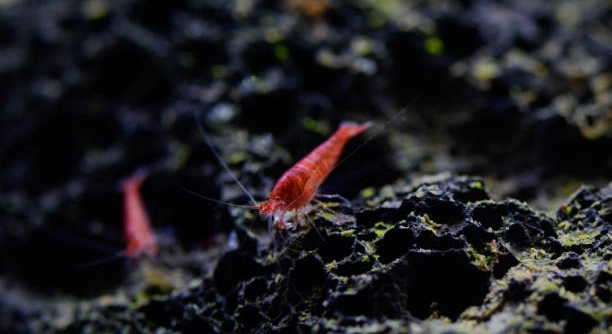
Shrimp are fascinating creatures that bring life and movement to aquariums. Many hobbyists notice their unique behaviors, especially when they start avoiding certain areas, like the region around the heater. Observing these patterns can reveal subtle details about their environment.
Shrimp often avoid the heater area due to excessive temperature, sudden fluctuations, or poor water circulation. High heat can stress shrimp, leading them to seek cooler, more stable regions in the tank. Proper placement and consistent conditions are crucial for their well-being.
Understanding shrimp behavior around heaters can improve tank health and overall shrimp activity. Simple adjustments can create a comfortable environment for these delicate creatures.
Temperature Sensitivity
Shrimp are extremely sensitive to temperature changes. Even small fluctuations can stress them, causing them to move away from the heater area. In most home aquariums, heaters create localized hot spots that are uncomfortable for shrimp. Constant exposure to high temperatures can impact their metabolism and weaken their immune systems. I noticed in my own tank that when the heater was slightly too strong, the shrimp clustered at the far end, leaving the heated zone almost empty. They naturally seek areas where the water remains stable, usually cooler spots with gentle circulation. Proper monitoring and maintaining a consistent tank temperature help shrimp feel secure and active. Small adjustments, like lowering the heater slightly or using a thermostat, can make a significant difference. Ensuring gradual temperature changes reduces stress and prevents sudden avoidance behavior. Observing shrimp daily allows you to notice patterns and correct problems before they affect health. Overheating is one of the most common issues in shrimp tanks.
Heater placement is important. Avoid areas with direct flow that can create uneven warmth.
Monitoring temperature and adjusting heater settings carefully ensures that shrimp remain comfortable. Consistency encourages regular movement and feeding.
Water Flow and Circulation
Strong water currents near the heater can drive shrimp away. They prefer gentle flow where they can feed and explore without being pushed around.
Poor circulation or overly strong currents near the heater can prevent shrimp from accessing food and settling in the tank comfortably. When the water flow is concentrated around the heater, shrimp naturally avoid the area, preferring regions with calm, steady movement. Uneven circulation can also cause temperature layering, creating zones that are too warm or too cold. This can confuse shrimp and lead to stress. I adjusted my tank by redirecting the flow and adding small decorations to break strong currents. This allowed shrimp to move freely and find their preferred zones. Proper circulation is not only important for comfort but also for oxygen distribution and waste removal. Observing shrimp behavior helps identify flow issues and adjust the environment. A well-circulated tank ensures that all areas, including near the heater, maintain stable conditions without creating uncomfortable microclimates.
Heater Maintenance
Regular heater maintenance prevents uneven heating that can disturb shrimp. Mineral buildup, faulty thermostats, or worn-out components can create hot spots, making shrimp avoid the area.
I once noticed my shrimp avoiding one side of the tank, and it turned out the heater was slightly malfunctioning. A thorough cleaning and checking the thermostat restored even heat, and the shrimp returned to their usual spots. Keeping the heater free from deposits ensures stable performance and prevents localized overheating. Replacing old heaters or repairing faulty ones is essential to maintain a comfortable environment. Consistent monitoring allows early detection of problems, reducing stress for the shrimp and keeping their behavior natural. A reliable heater keeps both water temperature and shrimp activity consistent.
Proper inspection includes checking cords, temperature settings, and surface deposits. Small adjustments prevent stress and uneven heating, keeping shrimp comfortable throughout the tank.
Stress and Behavior
Shrimp show clear signs of stress when conditions are unfavorable. Avoidance of the heater area often reflects discomfort caused by temperature, water flow, or sudden disturbances.
When my shrimp started clustering in cooler areas, it indicated they were stressed. Stress can result from rapid temperature changes, strong currents near the heater, or environmental disruptions such as sudden light changes or tank cleaning. Shrimp react by isolating themselves in areas where conditions are stable and predictable. Chronic stress affects molting, feeding, and reproduction, making it crucial to identify causes early. Adjusting heater output, softening water flow, and minimizing abrupt changes restored calm behavior. Observing shrimp daily allows noticing subtle behavioral shifts before they escalate. Creating a consistent, stable tank environment reduces stress, improves activity levels, and supports overall health.
Managing tank conditions proactively ensures shrimp remain comfortable, healthy, and active. Even small changes in placement or flow can significantly influence their behavior and well-being.
Heater Placement
Heater placement affects shrimp comfort. If it sits in a high-traffic or poorly circulated area, shrimp often avoid it. I repositioned mine closer to a corner with gentle flow, and the shrimp gradually returned to the area.
Avoiding direct flow from the heater helps maintain stable temperature zones. Proper placement prevents stress and encourages normal movement patterns for shrimp.
Gradual Temperature Changes
Sudden temperature shifts near the heater can alarm shrimp. Gradual adjustments are key to maintaining a comfortable environment. I slowly increased the heater setting over several days, allowing shrimp to acclimate without showing signs of stress.
Tank Decorations
Adding decorations near the heater provides hiding spaces. Shrimp use these areas to feel secure while still accessing warmth.
FAQ
Why are my shrimp avoiding the heater even though the temperature seems fine?
Shrimp can sense subtle temperature variations that are not obvious to humans. Even if the overall tank temperature is correct, the immediate area around the heater may be warmer than the rest of the tank. I noticed this in my own setup; moving the heater slightly or adjusting its output helped the shrimp feel more comfortable and return to that zone. Small microclimates around heaters can be stressful, so ensuring even distribution and gentle flow is essential.
Can water flow affect shrimp behavior near the heater?
Yes, strong currents near the heater can push shrimp away. They prefer gentle movement and calm areas to feed and explore. In my experience, adding small rocks and plants helped break up the flow and created quieter spots for the shrimp, allowing them to return closer to the heater without stress.
Is it normal for shrimp to cluster away from heat sources?
It can be normal if the heater creates an area that is too warm or has uneven circulation. Shrimp naturally seek stable and comfortable zones. Observing their movement patterns over several days can reveal whether this behavior is temporary or a sign of an issue. Adjusting the heater gradually or changing its placement often resolves the problem.
Could stress from other factors cause shrimp to avoid the heater?
Yes, stress from lighting changes, tank cleaning, or other inhabitants can make shrimp avoid certain areas, including near the heater. I noticed that after a heavy water change, my shrimp stayed at the far end of the tank for a few days. Reducing sudden disturbances and keeping a predictable environment helps shrimp feel secure and return to their usual zones.
Do heater malfunctions make shrimp avoid the area?
Absolutely. Faulty heaters with uneven heat or damaged thermostats create uncomfortable hot spots. In my tank, a heater that was slightly off caused the shrimp to stay away entirely from one side. Cleaning the heater, checking the thermostat, and replacing old units can restore even heating and normal shrimp behavior.
Can tank decorations influence shrimp near the heater?
Yes, decorations can provide hiding spots and help shrimp feel secure. Placing plants, rocks, or small caves near the heater allows shrimp to access warmth without exposure to strong currents or sudden temperature changes. I added moss and small stones near my heater, and the shrimp slowly began using that space again.
How can I gradually adjust temperature to keep shrimp comfortable?
Gradual adjustments prevent stress. I increase or decrease the heater by 1–2 degrees Celsius over several days. Sudden spikes or drops often scare shrimp, causing avoidance behavior. Consistency is key; small, careful changes let them acclimate without impacting molting, feeding, or general activity.
Will improper heater placement affect molting or growth?
Yes. Shrimp that avoid certain areas due to uneven heat may experience slower molting or reduced activity. I noticed molting delays when my heater created a hot zone at one end. Proper placement and even heating encourage normal behavior, feeding, and growth, ensuring healthier shrimp over time.
Does water quality interact with heater behavior?
Poor water quality can amplify the effect of uneven heating. Elevated ammonia, nitrites, or nitrates make shrimp more sensitive to temperature stress. I always monitor water parameters alongside heater function. Stable water quality, combined with correct heater setup, keeps shrimp active and reduces avoidance behavior.
How do I know if shrimp avoidance is temporary or serious?
Observing daily patterns helps. If shrimp avoid the heater only during brief periods or after maintenance, it is often temporary. Persistent avoidance, coupled with signs of stress like lethargy or loss of appetite, may indicate a more serious problem, such as malfunctioning equipment, poor circulation, or high water temperature. Monitoring behavior and adjusting environmental factors usually resolves the issue.
This FAQ addresses most common concerns about shrimp and heaters. Proper placement, gradual temperature changes, gentle circulation, and stable water quality create an environment where shrimp feel safe and active, helping them thrive in your tank.
Final Thoughts
Shrimp are small, delicate creatures that respond strongly to their environment. Observing their behavior around heaters can provide important clues about tank conditions. Avoidance of the heater area is often a sign that something is off, whether it is temperature, water flow, or stress. Even minor fluctuations in heat can make a specific section of the tank uncomfortable, prompting shrimp to seek cooler, more stable zones. Over time, repeated avoidance can affect their feeding habits, molting process, and overall activity. By paying close attention to their movement and patterns, tank owners can identify issues before they escalate and ensure that shrimp remain healthy and active. I have found that consistent observation allows for small adjustments that make a significant difference in their comfort.
Proper heater placement and maintenance are essential for creating a stable environment. Heaters that are too close to high-traffic areas or poorly circulated spots often create microclimates that shrimp avoid. Regular cleaning, checking thermostats, and monitoring the heater’s performance prevent uneven heating and sudden temperature spikes. Adjusting the heater gradually rather than making abrupt changes helps shrimp acclimate without stress. Providing gentle water flow and breaking strong currents near the heater also encourages shrimp to explore areas they might otherwise avoid. Including decorations, moss, or small caves near the heater gives shrimp hiding spaces, allowing them to enjoy warmth safely. These simple steps make the tank environment predictable and comfortable, supporting natural behavior and improving overall shrimp health.
Finally, maintaining water quality and minimizing stress are just as important as temperature control. Poor water conditions can make shrimp more sensitive to heat or flow, amplifying avoidance behavior. Regular testing, partial water changes, and careful cleaning routines help maintain stable parameters. Avoiding sudden disturbances, like abrupt lighting changes or heavy handling, reduces stress and encourages shrimp to feel secure throughout the tank. Observing their behavior daily provides insight into their comfort levels and helps identify areas for improvement. In my experience, creating a stable, well-monitored environment allows shrimp to thrive, explore freely, and maintain normal activity levels. Attending to these factors ensures that shrimp not only survive but remain vibrant, active, and healthy in the long term.

Hello,
If you enjoy the content that we create, please consider saying a "Thank You!" by leaving a tip.
Every little bit helps us continue crafting quality advice that supports the health, happiness, and well-being of pets around the world, for pets of all shapes, sizes, and species.
We really appreciate the kindness and support that you show us!