
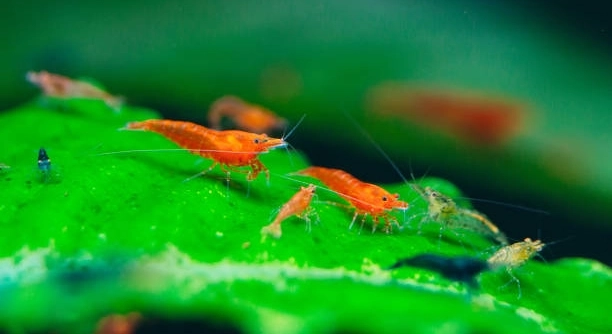
Cherry shrimp are charming little creatures that brighten up any aquarium. They often explore their environment freely, but sometimes they hide for long periods, leaving owners quietly observing without much activity from their pets.
Cherry shrimp may refuse to come out due to stress, poor water conditions, or inadequate hiding spots. Environmental changes, high light intensity, or aggressive tank mates can also discourage activity, causing them to stay hidden for extended periods.
Knowing these common triggers helps you improve their comfort and encourages more visible, active behavior in your shrimp tank.
Stress from Recent Changes
Cherry shrimp are very sensitive to changes in their environment. Moving them to a new tank, rearranging decorations, or changing water parameters can cause them to hide. Even small alterations, like adjusting the filter flow or adding new plants, may make them feel unsafe. Stress can reduce their appetite, slow down molting, and affect their overall behavior. In my experience, it often takes a few days for shrimp to adjust after any major change. Providing stable water conditions, gentle lighting, and quiet surroundings helps them regain confidence. Watching them retreat at first can feel discouraging, but with patience, most shrimp gradually explore their tank again. Hiding is a natural response and does not necessarily indicate illness. Observing their movement patterns and feeding behavior provides insight into how comfortable they are in their new setting. Consistency is key to helping shy shrimp feel secure.
Stress may cause shrimp to stay hidden until they feel safe again.
Ensuring consistent water temperature and quality is crucial. Avoid sudden changes and keep the tank calm. Using live plants, smooth hiding spots, and soft substrate gives them a sense of security. Gradually introducing new elements rather than making multiple adjustments at once reduces stress. Feeding them in small amounts encourages exploration and activity. Monitoring water parameters like ammonia, nitrite, nitrate, and pH daily helps prevent environmental stress. Gentle filtration and moderate lighting improve comfort. Observing shrimp during feeding or at night reveals their adjustment progress. Most will slowly return to normal behavior if the tank remains stable. Patience is essential, as forcing interaction can worsen hiding tendencies. Over time, they will become more confident in exploring the tank freely. The combination of environmental stability, proper nutrition, and safe hiding spaces creates conditions where shrimp feel secure enough to be active again.
High Light Levels
Excessive lighting can make cherry shrimp hide for long periods. Bright or prolonged light often overwhelms them.
Shrimp prefer low to moderate lighting and shaded areas to feel comfortable. Avoid leaving lights on for too long.
Providing floating plants or shaded sections in the aquarium allows shrimp to explore safely. Adjusting light intensity gradually helps them acclimate. I noticed my shrimp started coming out more when I added plants to create shadows and reduce direct exposure. Using a timer for aquarium lights ensures a predictable day-night cycle. Bright lights can also encourage algae growth, which may benefit feeding but should not be overwhelming. Some shrimp may remain hidden even in moderate light if other stressors exist, so combining lighting adjustments with stable water parameters and gentle feeding improves their willingness to explore. Over time, shrimp learn to navigate brighter areas when they feel secure. Maintaining shaded areas ensures they always have a retreat, keeping them healthier and more active in the long term.
Aggressive Tank Mates
Aggressive or fast-moving fish can make cherry shrimp retreat constantly. Even peaceful fish may scare them if the tank is too small or crowded.
Shrimp rely on hiding spots to feel safe, and seeing larger or more active fish nearby triggers their instinct to stay out of sight. In my tank, adding a few snails or slow-moving fish helped shrimp feel more at ease. Dense plants, moss, and decorations give them places to escape when they sense danger. Without these spaces, shrimp remain hidden, eating less and moving very little. Observation shows that even minor disturbances from fish cause noticeable hiding behavior.
To reduce stress, carefully choose tank mates. Avoid aggressive species and overcrowding. Creating layers of hiding spaces allows shrimp to explore safely. I found that gradually introducing shrimp into a calm tank improves their confidence. Spacing out feeding areas also reduces competition, letting shrimp venture out more. Providing a peaceful environment ensures they are more active during feeding and display natural behaviors. Watching them move freely after these changes is rewarding and confirms the importance of compatible tank mates.
Poor Water Conditions
Unstable or poor water conditions keep shrimp hidden for long periods. High ammonia, nitrite, or nitrate levels can cause stress or illness.
Maintaining clean, stable water is critical for cherry shrimp health. Regular water changes, proper filtration, and monitoring of parameters ensure a safe environment. I noticed that even slight fluctuations in pH or temperature made my shrimp retreat for days. Soft water with stable temperature encourages activity and feeding. Gravel, substrate, and live plants also influence water quality by reducing toxins and providing hiding areas. Shrimp are sensitive to chlorine, heavy metals, and sudden changes, so using dechlorinated water is essential.
Testing water frequently helps prevent hidden stress. I keep a small kit near my tank to check ammonia, nitrite, nitrate, and pH at least twice a week. Maintaining consistent temperature, around 22-25°C, prevents shock and encourages normal behavior. Filtration should provide gentle flow to avoid disturbing shrimp while keeping the water clear. Adjusting water hardness gradually ensures molting occurs without issues. Combining stable water chemistry, adequate hiding spaces, and careful observation promotes a healthier, more active shrimp population over time.
Lack of Hiding Places
Shrimp feel exposed without sufficient hiding spots. They need plants, moss, or small decorations to feel safe.
Providing shelters reduces stress and encourages activity. In my tank, adding caves and dense plants made shrimp come out more often.
Recent Molt
Shrimp become very reclusive before and after molting. Their soft shells make them vulnerable, so hiding is instinctive.
Molting is critical for growth, and shrimp will stay hidden until their exoskeleton hardens. Observing leftover shells can indicate a recent molt, explaining temporary inactivity.
Temperature Fluctuations
Sudden changes in water temperature can cause shrimp to hide and remain inactive. Consistent temperature helps maintain comfort.
Why are my cherry shrimp hiding all the time?
Cherry shrimp hide primarily due to stress or feeling unsafe. Changes in water parameters, aggressive tank mates, or insufficient hiding places can make them retreat. In my experience, even minor rearrangements in the tank cause them to stay out of sight. Dense plants, moss, and caves help them feel secure and more willing to explore. Maintaining stable temperature, pH, and water quality ensures they remain healthy and gradually more visible. Observing them during feeding often shows small movements as they adjust, but they may still stay mostly hidden until they feel fully comfortable.
How long do cherry shrimp stay hidden after a molting?
Shrimp usually remain hidden for a few hours to a couple of days after molting. Their soft exoskeleton makes them extremely vulnerable, so retreating to a safe spot is instinctive. In my tank, I noticed that shrimp often stay near plants or under decorations during this period. Providing multiple hiding places ensures that they feel protected while their shells harden. Feeding gently and avoiding disturbances during this time helps them recover faster. Most shrimp resume normal activity once their exoskeleton is fully hardened, but stress or poor water conditions can extend hiding periods.
Can water quality make shrimp hide?
Yes, poor water conditions are a major factor. High levels of ammonia, nitrite, or nitrate, unstable pH, or sudden temperature changes cause stress and hiding behavior. I test my tank twice a week to ensure safe conditions. Regular water changes, gentle filtration, and stable parameters make shrimp feel safe enough to explore. Soft water and consistent temperature improve their activity levels. Even minor fluctuations can result in prolonged hiding. Providing clean water and observing shrimp behavior allows early detection of problems before they affect health or feeding patterns.
Do aggressive fish affect shrimp behavior?
Aggressive or fast-moving tank mates make shrimp hide constantly. Even peaceful species can intimidate them in small or crowded tanks. In my setup, shrimp only started exploring when I introduced slow, non-aggressive fish and added plenty of hiding spots. Sheltered areas reduce stress, prevent injury, and encourage feeding. Gradually introducing shrimp into calm tanks ensures they acclimate without fear. Observing interactions during feeding helps determine which fish disturb them. The right combination of compatible tank mates, dense plants, and caves allows shrimp to move freely and display natural behavior without constant fear.
How does lighting impact cherry shrimp activity?
Bright or prolonged lighting often causes shrimp to retreat. They prefer low to moderate light and shaded areas. Adding floating plants or moss creates shadows and reduces exposure. I noticed shrimp came out more often after introducing shaded sections. Using a timer ensures a predictable day-night cycle. Shaded areas allow them to explore without feeling exposed, reducing stress and improving overall activity. Over time, shrimp adapt to brighter areas if they have secure retreats. Proper lighting also supports plant growth, which indirectly provides more hiding spots and natural grazing opportunities, keeping shrimp healthier.
Can feeding habits influence hiding behavior?
Yes, shrimp may hide if they feel unsafe during feeding. Scattering small amounts of food in multiple locations encourages exploration and reduces competition. I often observe shrimp venturing out gradually when food is offered in calm areas. Overfeeding can increase water waste, reducing water quality and causing stress. Providing safe feeding zones combined with hiding places promotes confident activity and normal eating behavior. Patience is key, as shrimp may initially approach slowly but become more active over days. Regular, gentle feeding establishes a routine, which reduces anxiety and encourages them to spend more time outside hiding spots.
Is temperature stability important for shrimp activity?
Temperature fluctuations can make shrimp hide for long periods. Consistent water temperature keeps them comfortable and active. I maintain 22-25°C in my tank to prevent stress. Sudden changes can affect metabolism, molting, and feeding. Using a heater or monitoring fluctuations helps avoid prolonged hiding. Gradual adjustments, if needed, prevent shock. Consistency also supports tank ecology, ensuring plants and microorganisms thrive alongside shrimp. A stable thermal environment reduces stress-induced hiding and encourages exploration, feeding, and normal behavior. Observing shrimp movement during day and night confirms they feel secure when temperature is steady.
Can stress from tank rearrangements cause hiding?
Yes, rearranging decorations, adding new plants, or introducing equipment often triggers hiding. Shrimp are highly sensitive to sudden changes. In my experience, moving a single ornament made them stay hidden for a day or two. Gradually introducing changes allows shrimp to adjust more comfortably. Dense plants and multiple retreats reduce fear during transitions. Even small disturbances like moving gravel can influence behavior. Allowing shrimp to acclimate and avoiding frequent adjustments ensures they remain active and visible while exploring their environment safely. Patience and observation help monitor their comfort after any changes.
How long should I wait before shrimp come out after stress?
Shrimp may take hours to several days to reappear depending on stress severity. Minor disturbances often result in a few hours of hiding, while major changes like poor water conditions or aggressive tank mates may prolong hiding. In my experience, adding plants, moss, and shaded areas accelerates recovery. Observing feeding and movement gives insight into comfort levels. Maintaining stability, avoiding sudden adjustments, and ensuring sufficient hiding spaces encourages shrimp to return to normal activity. Patience is essential, as forcing interaction can increase stress. Most shrimp gradually regain confidence when the tank environment is consistently safe.
What are signs that hidden shrimp are stressed or sick?
Shrimp showing prolonged hiding, reduced feeding, sluggish movement, or unusual coloring may indicate stress or illness. I watch for leftover shells, curling, or lethargy after molting. Poor water quality, aggressive tank mates, or insufficient hiding spots often contribute. Immediate testing of water parameters and providing safe retreats helps mitigate risks. Consistent feeding, gentle handling, and proper care reduce prolonged stress. Observing shrimp during feeding or at night helps distinguish temporary hiding from more serious issues. Early detection and intervention prevent further health decline, ensuring shrimp remain active and healthy once environmental or dietary issues are corrected.
Cherry shrimp are fascinating and delicate creatures that can bring life and color to any aquarium. Their small size and bright coloring make them enjoyable to watch, but they are also very sensitive to their environment. Many of the times they hide are natural responses to stress or discomfort, and understanding these behaviors is key to maintaining a healthy shrimp tank. Observing your shrimp carefully can tell you a lot about their well-being. If they remain hidden for long periods, it is often a sign that something in their surroundings needs attention. Providing a calm and stable environment is one of the most effective ways to encourage them to come out and explore their space. Over time, learning to recognize the subtle signs of stress or discomfort in your shrimp will help you prevent potential problems before they become serious.
Creating a safe and comfortable environment for cherry shrimp is essential for their activity and overall health. Hiding places, such as dense plants, moss, and small decorations, allow shrimp to feel secure while still being able to explore when they feel ready. Maintaining consistent water parameters, including temperature, pH, and chemical levels, reduces stress and supports normal behavior. Sudden changes in lighting, water chemistry, or tank layout can cause prolonged hiding, so gradual adjustments are always better. Choosing compatible tank mates also plays an important role, as aggressive or overly active fish can intimidate shrimp and reduce their activity. Feeding practices can influence their behavior as well. Scattering food in different areas and ensuring that shrimp feel safe while eating encourages them to come out more often. Patience is necessary when dealing with shy shrimp because forcing them out or disturbing their hiding places can worsen their stress.
Monitoring your shrimp regularly and maintaining a stable, secure tank environment will help them feel confident and active. Over time, most shrimp will gradually become more visible and interact with their surroundings when they feel safe. Paying attention to factors like water quality, temperature, tank mates, lighting, and hiding spaces allows you to identify the reasons behind prolonged hiding and address them effectively. While shrimp may naturally retreat at times, persistent hiding is usually a signal that adjustments are needed in their environment. By providing consistent care, proper nutrition, and adequate shelter, you create the conditions for shrimp to thrive. Observing their gradual return to normal activity is not only rewarding but also reinforces the importance of maintaining a balanced and supportive habitat for these delicate creatures.

Hello,
If you enjoy the content that we create, please consider saying a "Thank You!" by leaving a tip.
Every little bit helps us continue crafting quality advice that supports the health, happiness, and well-being of pets around the world, for pets of all shapes, sizes, and species.
We really appreciate the kindness and support that you show us!