
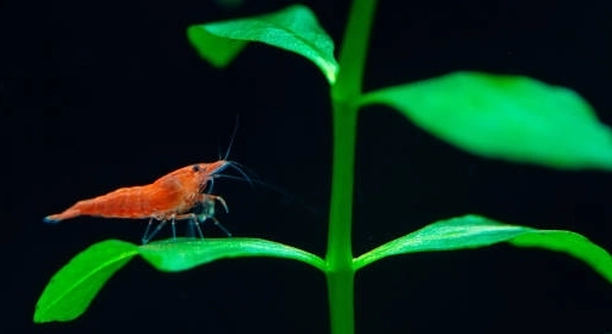
Are your shrimp not as active or colorful as you expected in your tank? Many hobbyists face this issue and often overlook simple improvements that can enhance shrimp behavior and overall well-being. Small changes can make a big difference.
Seven key tank upgrades can positively influence shrimp behavior by optimizing their environment. Enhancements such as improved filtration, live plants, hiding spaces, and stable water parameters reduce stress, encourage natural activity, and support healthier growth and social interactions in shrimp populations.
Understanding these upgrades will help you create a livelier and healthier tank. Each adjustment can significantly improve the daily life and habits of your shrimp.
Improved Filtration Systems
A reliable filtration system is one of the most impactful upgrades for shrimp tanks. Proper filtration removes waste, excess food, and harmful chemicals that can stress shrimp and stunt their growth. When the water remains clean and clear, shrimp are more active, display brighter colors, and tend to interact naturally with their environment. Mechanical filters trap debris, while biological filters promote beneficial bacteria that help maintain stable water chemistry. Upgrading to a sponge filter or a gentle canister filter ensures water flow is sufficient but not too strong, preventing shrimp from being swept around. Filters also reduce the frequency of water changes, which can disturb shrimp and cause temporary stress. Maintaining filter media is crucial—rinse only with tank water to preserve beneficial bacteria. Over time, improved filtration leads to more confident shrimp exploring their tank freely, feeding regularly, and engaging with each other. Observing the subtle changes in behavior after installing an effective filter can be very rewarding for caretakers.
A good filtration system keeps the tank clean and stable, directly enhancing shrimp activity, health, and natural behaviors. Regular maintenance supports long-term water quality.
Better filtration not only helps shrimp health but also makes tank care easier. Cleaner water reduces algae growth and unpleasant odors, allowing you to focus on observing shrimp behaviors and interactions. The tank environment becomes less stressful, encouraging shrimp to molt successfully and maintain vibrant coloration. With a steady water flow and balanced chemistry, shrimp will explore more freely, hiding when they need but otherwise showing confident activity. By choosing the right filter for your tank size and shrimp species, you ensure that every shrimp can thrive without interference from toxins or debris. This upgrade is simple yet profoundly effective for improving daily shrimp behavior and overall tank harmony.
Live Plants and Hiding Spaces
Providing live plants and hiding spaces creates a more natural environment for shrimp. Shrimp use plants to graze, hide, and feel secure.
Adding moss, ferns, and small caves gives shrimp areas to explore while reducing stress. Dense vegetation helps maintain water quality by absorbing excess nutrients, providing shelter, and offering surfaces for biofilm growth—a primary food source for shrimp. Hiding spaces are especially important during molting, a vulnerable time when shrimp need protection. Plants also encourage natural foraging behaviors, allowing shrimp to climb, graze, and interact with each other. Choosing hardy plant species that thrive in your tank conditions ensures consistent coverage and long-term benefits. Regularly rearranging or trimming plants keeps the environment stimulating. Shrimp will use open spaces for swimming and feeding while retreating to foliage or structures when feeling insecure, leading to healthier, more confident behavior overall. This simple upgrade balances safety, activity, and nutrition, making the tank more dynamic. It supports shrimp in displaying natural behaviors while maintaining a stable, clean environment.
Stable Water Parameters
Keeping water parameters stable is essential for shrimp health and behavior. Sudden changes in temperature, pH, or hardness can stress shrimp, reduce activity, and even cause fatalities. Monitoring and adjusting parameters carefully ensures a stable, comfortable environment.
Maintaining stable water conditions requires consistent testing and careful adjustments. Using a reliable thermometer and test kits for pH, ammonia, nitrites, and nitrates allows you to detect changes early. Gradual changes in temperature or chemistry are far less stressful than sudden shifts. A heater or chiller can help maintain appropriate temperatures, while buffering agents can adjust pH slowly. Regular partial water changes with properly conditioned water prevent dangerous spikes in chemicals and maintain a predictable environment. Stability allows shrimp to display normal behaviors like foraging, grazing, and interacting socially, which is crucial for their long-term health and vitality.
Shrimp are very sensitive to fluctuations, so small variations can impact their mood and activity. Consistency in temperature, pH, and water hardness encourages regular feeding, successful molting, and vibrant colors. Observing shrimp in a stable environment reveals their natural curiosity and energy. Over time, stable parameters create a healthier tank ecosystem, benefiting plants, beneficial bacteria, and all tank inhabitants. Careful attention to these details reduces stress-related illnesses and supports robust shrimp populations, making their behavior more predictable and enjoyable to observe.
High-Quality Food and Supplements
Providing high-quality food and supplements enhances shrimp health and activity. Nutritious diets support growth, molting, and immune system function, leading to more active and vibrant shrimp.
Offering a variety of foods ensures shrimp receive balanced nutrition. High-quality pellets or wafers provide essential proteins and vitamins, while occasional blanched vegetables or algae sheets supply fiber and micronutrients. Supplementing with calcium or mineral additives supports exoskeleton strength, which is vital during molting periods. Rotating food types keeps shrimp engaged and encourages natural foraging behavior. Overfeeding should be avoided, as leftover food can decay, affecting water quality and causing stress. Monitoring shrimp during feeding allows observation of their health, appetite, and interactions. A proper diet directly impacts energy levels, coloration, and overall behavior.
Consistent and nutritious feeding routines encourage shrimp to explore the tank, interact with each other, and display natural behaviors. Shrimp that receive balanced diets are less prone to stress, disease, and failed molts. High-quality foods can enhance coloration, making patterns and hues more pronounced, which reflects improved health and vitality. Supplements like calcium, trace elements, and vitamins are especially important for species prone to shell fragility. By combining a well-planned diet with careful portion control, shrimp remain active, confident, and healthy. This upgrade is a simple yet highly effective way to improve daily behavior and longevity in the tank.
Gentle Water Flow
Shrimp prefer gentle water movement that does not sweep them away. Strong currents can stress them, reduce feeding, and discourage exploration. Adjusting flow ensures they remain comfortable and active in all areas of the tank.
Using sponge filters or adjustable pumps helps maintain low, consistent flow. Gentle circulation supports oxygenation and prevents stagnant areas while keeping shrimp safe.
Proper Lighting
Moderate lighting supports plant growth and encourages natural shrimp activity. Bright or harsh lights can stress shrimp, while too little light reduces grazing and interaction. Balanced lighting allows shrimp to forage, explore, and display natural behaviors.
Regular Tank Maintenance
Cleaning debris, performing water changes, and checking equipment regularly keeps the tank safe and comfortable. Consistent maintenance prevents harmful buildup and promotes healthy shrimp behavior.
Substrate Choice
Fine, natural substrates allow shrimp to forage and graze easily. Smooth gravel or sand encourages exploration and reduces injury risk, enhancing overall activity in the tank.
FAQ
How often should I change the water in my shrimp tank?
Water changes should be performed regularly, typically 10-20% weekly, depending on tank size, stocking levels, and filtration efficiency. Smaller tanks or heavily stocked setups may require more frequent changes. Using properly conditioned water helps prevent stress and maintains stable parameters, which supports healthy shrimp behavior and reduces the risk of disease.
What is the best type of filter for shrimp tanks?
Sponge filters are widely recommended because they provide gentle water flow and biological filtration without sucking in small shrimp or baby shrimp. Canister filters can also work if the intake is protected with a sponge pre-filter. Effective filtration keeps water clean, reduces ammonia spikes, and promotes more active shrimp.
How can I tell if my shrimp are stressed?
Signs of stress include hiding excessively, slow movement, faded coloration, or reduced feeding. Molting issues or increased mortality may also indicate stress. Stress is often caused by poor water quality, sudden parameter changes, or aggressive tank mates. Observing shrimp behavior daily helps identify and correct problems early.
What types of plants are best for shrimp tanks?
Mosses like Java moss, ferns like Java fern, and floating plants provide shelter, grazing surfaces, and biofilm growth for shrimp. Plants also help maintain water quality by absorbing excess nutrients. Dense planting gives shrimp security, reduces stress, and encourages natural foraging and exploration.
Do I need to feed shrimp every day?
Feeding frequency depends on tank conditions and shrimp population. Once a day or every other day is usually sufficient. Overfeeding can degrade water quality, while providing varied foods like pellets, blanched vegetables, and algae sheets ensures balanced nutrition and healthy growth. Monitor leftovers and remove uneaten food promptly.
How important is temperature control for shrimp?
Temperature stability is crucial. Most freshwater shrimp thrive between 72-78°F. Sudden fluctuations can stress shrimp, reduce activity, and affect molting. Using a reliable heater, and occasionally a thermometer, helps maintain consistent conditions, which supports proper feeding, breeding, and overall well-being.
Can shrimp live with other fish?
Some fish may coexist with shrimp if they are small and non-aggressive, but many species will eat baby shrimp or stress adults. Careful selection of tank mates, along with plenty of hiding spaces, reduces risk and encourages natural shrimp behavior. Observing interactions is essential for safety.
Why is calcium important for shrimp?
Calcium supports strong exoskeleton development, especially during molting. Deficiencies can lead to shell deformities or molting failures. Adding mineral supplements or providing calcium-rich foods ensures proper growth, reduces stress, and improves shrimp coloration.
How can I improve shrimp coloration naturally?
A balanced diet, clean water, and stable conditions enhance coloration. Foods rich in carotenoids, such as algae or specialized shrimp diets, intensify red, orange, and other vibrant hues. Stress reduction and proper lighting also help shrimp display their full colors.
What is the ideal substrate for shrimp tanks?
Fine sand or smooth gravel allows shrimp to forage safely without damaging delicate appendages. Natural substrates promote biofilm growth and support plant roots. Choosing the right substrate encourages natural behavior, active grazing, and healthier shrimp populations.
How do I encourage breeding in shrimp tanks?
Stable water parameters, quality food, and adequate hiding spaces promote mating and successful molting. Dense plants and gentle water flow provide secure areas for females and juveniles. Monitoring tank conditions and avoiding sudden changes increases the likelihood of successful reproduction.
Can I use tap water for my shrimp tank?
Tap water can be used if it is properly treated to remove chlorine, chloramine, and heavy metals. Testing for pH, hardness, and other parameters ensures a safe environment. Conditioned tap water supports stable conditions, reduces stress, and allows shrimp to thrive naturally.
How often should I clean the tank substrate?
Substrate cleaning should be gentle and occasional to avoid disturbing biofilm and beneficial bacteria. Removing debris with a siphon or gentle vacuum during water changes is sufficient. Over-cleaning can stress shrimp and reduce natural grazing areas, negatively affecting behavior.
Why do shrimp hide after molting?
Shrimp are vulnerable after molting and hide to avoid predators or aggressive tank mates. Providing plants, caves, and other shelters ensures they can molt safely and recover without stress. Observing post-molt behavior helps gauge overall tank safety and shrimp comfort.
How can I prevent algae overgrowth in shrimp tanks?
Balanced lighting, proper feeding, and healthy plant coverage reduce algae growth. Excess nutrients and strong lighting encourage algae blooms. Regular maintenance, water changes, and selective algae-eating species help maintain a clean environment that supports active and healthy shrimp.
Final Thoughts
Creating a thriving shrimp tank takes careful attention to multiple factors. Clean water, stable parameters, and gentle filtration are the foundation of a healthy environment. Shrimp are sensitive to sudden changes, so maintaining consistency is key. Small adjustments, such as improving filtration, adding plants, or choosing the right substrate, can have a big impact on shrimp behavior. Observing shrimp regularly helps identify stress or health issues early, allowing for timely corrections. Over time, these efforts result in a more active, colorful, and confident shrimp population that behaves naturally within the tank.
Nutrition also plays a critical role in overall shrimp health. Offering a varied and balanced diet ensures shrimp receive the necessary proteins, vitamins, and minerals to support growth, molting, and immunity. High-quality pellets, supplemented with blanched vegetables or algae, provide essential nutrients while promoting natural foraging behaviors. Minerals such as calcium support strong exoskeleton development, particularly during molting, which is a vulnerable time for shrimp. Feeding routines should be consistent but carefully monitored to avoid overfeeding, which can degrade water quality. By combining proper nutrition with a well-maintained tank, shrimp are more likely to display vibrant colors, engage actively with their environment, and maintain healthy social interactions with other tank inhabitants.
Environmental enrichment is another important factor to consider. Providing live plants, hiding spaces, and gentle water flow encourages natural behaviors and reduces stress. Dense vegetation and secure shelters allow shrimp to explore, graze, and retreat safely when needed. Proper lighting supports plant growth and shrimp activity without causing stress. Even small details, like choosing a suitable substrate or adjusting water flow, can make a noticeable difference in shrimp confidence and comfort. By focusing on these elements together—clean water, balanced nutrition, and a stimulating environment—you can create a sustainable and healthy ecosystem. Shrimp become more active, less prone to stress, and display behaviors closer to what they would in nature, making tank observation more rewarding. Investing in these upgrades ensures shrimp remain healthy and active while making tank maintenance easier and more predictable. Over time, consistent care and attention lead to a balanced, harmonious tank where shrimp can thrive.

Hello,
If you enjoy the content that we create, please consider saying a "Thank You!" by leaving a tip.
Every little bit helps us continue crafting quality advice that supports the health, happiness, and well-being of pets around the world, for pets of all shapes, sizes, and species.
We really appreciate the kindness and support that you show us!