
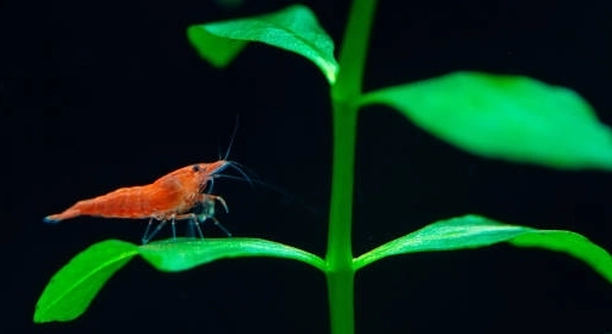
Have you ever set up a tank filled with plants, rocks, and tiny decorations and wondered how your cherry shrimp manage to move around it? Watching them explore can be both calming and fascinating to observe.
Cherry shrimp are capable of navigating complex tanks due to their strong sensory abilities and natural curiosity. They use their antennae to detect obstacles and safe pathways, allowing them to explore, forage, and interact efficiently within intricate environments.
Observing their movements can reveal surprising behaviors, offering insight into their adaptability and interaction with their surroundings in ways you might not expect.
How Cherry Shrimp Explore Their Environment
Cherry shrimp are small but surprisingly skilled at moving through tanks with dense plants, rocks, and decorations. They rely heavily on their antennae to sense their surroundings, helping them avoid obstacles and find food. Watching them climb moss, crawl along leaves, or squeeze between tight spaces can be surprisingly engaging. Each shrimp seems to have its own preferred routes and spots, showing both curiosity and caution. They often pause at new objects or unfamiliar surfaces, using slow, careful movements before proceeding. Their small size allows them to navigate spaces larger creatures might avoid, giving them access to hidden areas. Feeding times highlight their adaptability, as they quickly detect even tiny food particles and maneuver around barriers to reach them. Over time, their movement patterns can become predictable, showing that shrimp learn and remember parts of their tank. Observing these patterns gives insight into their natural behavior, as they combine instinct with careful exploration in a controlled environment.
Their ability to adapt quickly to changes in their tank is remarkable.
Cherry shrimp respond to environmental changes like new decorations, rearranged plants, or shifting water currents. They gradually test new areas and adjust their movements, sometimes taking longer to feel confident in previously unfamiliar spaces. By watching them, you can notice patterns that reflect their comfort levels and curiosity, which can also guide you in setting up a tank that is both safe and stimulating. Overcrowding or sudden changes can slow exploration, while gradual additions encourage confidence. Each individual shrimp shows slight differences in behavior, and these variations make observing a complex tank even more interesting.
Obstacles and Challenges in Complex Tanks
Cherry shrimp can get stuck or slow down if spaces are too tight or surfaces are slippery. Their small size helps, but some tank setups create temporary barriers that test their movement skills.
Shrimp face challenges like sharp edges, dense plant mats, or sudden water flow changes. These obstacles can make navigating harder, but they usually adapt by finding alternative paths or pausing to assess their surroundings. Shrimp often use their claws to cling to surfaces and carefully maneuver through tricky spots. Over time, they become better at handling these challenges, learning which routes are safest and most efficient. A well-designed tank balances complexity with accessibility, allowing shrimp to explore without constant stress. Providing varied surfaces like rocks, driftwood, and plants encourages natural behaviors such as climbing, hiding, and foraging. Gradually increasing tank complexity helps shrimp develop confidence, while abrupt changes can lead to hesitation or avoidance. Observing how shrimp respond to obstacles gives insight into their intelligence and adaptability, showing that even tiny creatures can manage surprisingly complex environments. By creating a tank that considers their abilities, you can support healthy activity and reduce unnecessary stress.
Tank Layout and Shrimp Movement
Complex tank layouts give cherry shrimp both stimulation and challenges. Plants, rocks, and decorations create pathways, hiding spots, and climbing areas. Shrimp use these features to move around efficiently while avoiding danger or competition. Their small size makes even narrow spaces accessible, encouraging exploration.
Shrimp navigate by touching surfaces with their antennae and testing angles before proceeding. Open areas allow faster movement, while dense plants slow them down. They often climb moss or driftwood to reach food or observe surroundings. Each shrimp develops preferred paths and hiding spots, showing memory and adaptability. Changes in tank layout require adjustment periods, but they quickly learn safer routes.
Varied tank elements also provide exercise and mental stimulation. Shrimp climbing uneven surfaces strengthen their grip and coordination. Observing their interactions with plants and obstacles can reveal individual personalities. Some shrimp prefer elevated areas, others hide near the substrate, and some boldly explore open zones. This variety makes watching them move through a complex tank both interesting and informative, showing a combination of instinct, learning, and careful decision-making.
Social Behavior and Navigation
Shrimp movement is influenced by the presence of others. They often adjust speed and paths to avoid collisions or competition for food, creating dynamic patterns in the tank.
Social interactions help shrimp establish territories, avoid overcrowding, and coordinate movements. When multiple shrimp explore the same area, they display subtle communication through touch and body positioning. Hierarchies form, with more confident individuals often leading exploration while timid ones follow or hide. These interactions encourage adaptive movement strategies, improving efficiency and safety. Group dynamics also influence feeding behavior, as shrimp may compete or cooperate to access food. Observing social behavior alongside navigation gives insight into how shrimp balance exploration, safety, and social order. Complex tanks enhance these behaviors, providing opportunities for climbing, hiding, and maneuvering around obstacles while interacting naturally with others. Over time, watching these interactions reveals patterns in group behavior, highlighting individual traits and adaptive strategies in navigating both physical and social challenges.
Lighting and Visibility
Proper lighting affects how cherry shrimp move through a tank. Bright areas encourage exploration, while shaded spots offer hiding places. Shrimp balance between safety and curiosity, using light to judge open areas and potential threats.
Too much light can stress shrimp, making them retreat. Gentle, diffused lighting supports natural behavior and activity, allowing shrimp to navigate comfortably while still observing surroundings.
Water Flow Impact
Water currents influence shrimp movement significantly. Moderate flow encourages gentle swimming and exploration, while strong currents can slow them down or force them to cling to surfaces. Shrimp adapt by adjusting their swimming angle or seeking shelter behind plants or decorations.
In a complex tank, varying water flow creates distinct zones of activity. Slow-moving areas allow resting and foraging, while faster currents stimulate movement and coordination. Observing shrimp in these conditions shows how they use physical cues to navigate effectively. Currents also distribute food and oxygen, so shrimp often position themselves strategically to feed while minimizing effort. Over time, they learn which areas are easiest to traverse and which require careful movement. This adaptive behavior highlights their ability to respond to environmental changes and maintain comfort while exploring a complex tank.
Temperature Considerations
Water temperature affects shrimp energy and activity levels. Slightly cooler water slows movement, while warmer temperatures increase activity and exploration.
FAQ
How do cherry shrimp find their way in a complex tank?
Cherry shrimp rely on their antennae to sense surroundings, detect obstacles, and locate food. They move slowly at first when encountering new objects, using touch and careful assessment. Over time, they learn efficient routes and hiding spots, showing memory and adaptive behavior. Their small size and agility allow them to navigate tight spaces others cannot access. Observing shrimp in a planted tank reveals how they combine instinct with learned patterns, adjusting movements based on safety, food availability, and interactions with other shrimp.
Can cherry shrimp handle crowded tanks?
Shrimp tolerate moderate crowding, but too many individuals slow movement and increase stress. They may hide more or compete for food in tightly packed areas. Proper tank layout with multiple hiding spots, varied plant coverage, and accessible pathways helps them navigate comfortably while reducing stress. Monitoring shrimp behavior in a crowded environment ensures they remain active and healthy. Gradually adding shrimp rather than sudden large groups supports better social balance and navigation.
Do cherry shrimp get stressed in tanks with complex decorations?
Some complexity can cause temporary hesitation, but cherry shrimp generally adapt quickly. They test new areas carefully and use obstacles for climbing, hiding, and foraging. A mix of open swimming zones and dense cover supports natural exploration. Observing them can show which decorations are more accessible and which may create unnecessary barriers. Gradual introduction of new objects helps shrimp adjust without prolonged stress. Stress signs include hiding excessively, reduced feeding, or slower movement. Providing stable water parameters alongside environmental complexity ensures healthy shrimp behavior.
How does water flow affect shrimp movement?
Moderate flow encourages gentle swimming, while strong currents can force shrimp to cling to plants or driftwood. They learn to navigate around stronger currents or use sheltered areas for resting. Varying flow in the tank creates natural zones where shrimp can forage, explore, or hide safely. Water movement also distributes food and oxygen, influencing where shrimp spend time. Careful observation shows which currents promote activity versus which cause avoidance, helping in tank setup and decoration placement.
What role does lighting play in their navigation?
Bright areas attract shrimp to explore, while shaded areas provide security. Balanced lighting encourages natural activity without overstressing them. Sudden changes in light may cause temporary hesitation or hiding. Gentle, diffused lighting supports foraging and climbing behaviors while maintaining a sense of safety. Placing plants and decorations to create light and shadow areas enhances both movement and well-being.
Do shrimp recognize their tank layout over time?
Yes, cherry shrimp can remember obstacles, preferred routes, and feeding zones. They gradually become more confident in previously unfamiliar areas, showing improved efficiency and less hesitation. Observing repeated paths and hiding spots reveals how they internalize tank layout. Changes in decoration may temporarily slow navigation, but shrimp adapt quickly to new configurations, demonstrating learning and spatial memory.
Can shrimp interact with each other while moving through complex areas?
Shrimp adjust paths to avoid collisions and manage access to food. Social behavior shapes navigation, with bolder individuals often leading and timid ones following. Group movement is influenced by safety, available space, and competition. Watching these patterns shows how social dynamics affect tank exploration and how shrimp balance curiosity with caution.
How do temperature changes impact their activity?
Slightly warmer water increases movement, exploration, and feeding activity, while cooler water slows energy and cautious navigation. Maintaining stable temperatures ensures consistent behavior, allowing shrimp to explore confidently and interact naturally. Extreme changes can stress shrimp, causing them to hide or reduce activity. Observing them at different temperatures highlights how subtle environmental shifts affect both movement and social behavior.
Do obstacles improve shrimp activity or hinder it?
Obstacles provide stimulation and exercise, promoting climbing, coordination, and foraging. Overly dense or sharp decorations may temporarily slow movement or cause avoidance. A balance of open swimming areas and structured hiding spaces encourages natural exploration without creating constant barriers. Gradual introduction of new obstacles allows shrimp to adjust safely, enhancing both mental and physical activity.
How can I make a complex tank safer for shrimp?
Provide stable water parameters, gentle lighting, moderate flow, and accessible pathways. Avoid sharp edges and overcrowding, and gradually add decorations to let shrimp adjust. Observing behavior during these changes helps identify stress points. Well-planned complexity encourages exploration while maintaining safety, supporting active, healthy shrimp.
Can shrimp navigate vertical spaces effectively?
Yes, climbing moss, plants, or driftwood is common. Their small size and gripping ability allow vertical movement, which also provides exercise and access to food or shelter. Vertical features enhance environmental enrichment, giving shrimp multiple options for navigation while balancing safety and curiosity.
How long does it take for shrimp to adapt to a new tank layout?
Adaptation varies by individual and tank complexity but usually takes several hours to a few days. Shrimp initially move cautiously, exploring slowly and testing obstacles. Over time, they develop routes, hiding spots, and feeding strategies, becoming comfortable with the new configuration. Regular observation helps ensure they adapt without stress or injury.
Do shrimp show preferences for certain areas of the tank?
Yes, some prefer elevated surfaces, while others stick to the substrate or dense plants. Preferences may relate to food availability, safety, or social behavior. Watching these patterns can inform tank design and decoration placement to support exploration and well-being.
How do shrimp respond to sudden changes in their environment?
Sudden rearrangements may cause temporary hiding or hesitation. Gradual introduction of new elements minimizes stress. Shrimp often test unfamiliar areas carefully, using antennae and cautious movements. Repeated exposure leads to adaptation, showing flexibility and learning ability in navigating complex, changing environments.
Are some shrimp better at navigating than others?
Yes, individual differences exist. Bold or confident shrimp explore more quickly, while timid shrimp move slowly and rely on safe routes. Observing multiple shrimp highlights these differences, revealing a mix of personalities and strategies within the same tank.
Can navigation skills impact feeding behavior?
Shrimp that navigate efficiently reach food faster and spend less energy avoiding obstacles. Efficient movement allows more foraging time and reduces stress. Poor navigators may struggle with dense areas, showing slower feeding. Observing feeding alongside movement reveals how environmental complexity interacts with shrimp performance and overall health.
Final Thoughts
Cherry shrimp are small creatures with surprisingly strong instincts and adaptability. Watching them move through a tank filled with plants, rocks, and decorations shows how well they can handle complexity. They use their antennae to sense surroundings, navigate obstacles, and locate food, which allows them to explore safely. Even in dense areas, they find pathways and hiding spots, showing that their movements are thoughtful and purposeful. Observing their behavior over time reveals patterns in how they approach new areas, climb vertical surfaces, and interact with other shrimp. Their ability to balance caution with curiosity highlights how well they are suited to complex environments. Small adjustments in tank layout, lighting, or water flow can influence their activity, and they often respond quickly to these changes, demonstrating flexibility and learning capacity.
The social behavior of cherry shrimp also plays a significant role in how they navigate a tank. They adjust their movements based on the presence of other shrimp, avoiding collisions and managing access to food and shelter. Bolder shrimp tend to explore more freely, while timid shrimp follow established paths or remain hidden until they feel safe. This creates a dynamic pattern of movement in the tank, which can be both interesting and informative to watch. By providing enough hiding spots, open swimming areas, and varied pathways, you can support these natural behaviors. Group interactions also encourage shrimp to test new areas, use different surfaces, and develop confidence in navigating their environment. Over time, these interactions improve efficiency and coordination, showing that shrimp can adapt not just to physical complexity but also to social challenges in their habitat.
Environmental factors like water flow, temperature, and lighting affect how cherry shrimp move and behave in a complex tank. Moderate water flow encourages gentle swimming, while strong currents may force them to cling to surfaces or seek shelter. Temperature changes influence activity levels, with warmer water encouraging exploration and cooler water slowing movements. Balanced lighting provides both open areas for activity and shaded zones for hiding, helping shrimp feel safe while still allowing natural behaviors. Providing a mix of obstacles, climbing surfaces, and hiding spots keeps them active and mentally stimulated without overwhelming them. By observing how shrimp respond to these environmental factors, you can learn a lot about their preferences, adaptability, and problem-solving skills. In a well-planned tank, cherry shrimp can thrive, showing both resilience and intelligence as they navigate, explore, and interact with their surroundings. Their movements are a reminder of how even tiny creatures can handle complex spaces when given the right conditions and support.

Hello,
If you enjoy the content that we create, please consider saying a "Thank You!" by leaving a tip.
Every little bit helps us continue crafting quality advice that supports the health, happiness, and well-being of pets around the world, for pets of all shapes, sizes, and species.
We really appreciate the kindness and support that you show us!