
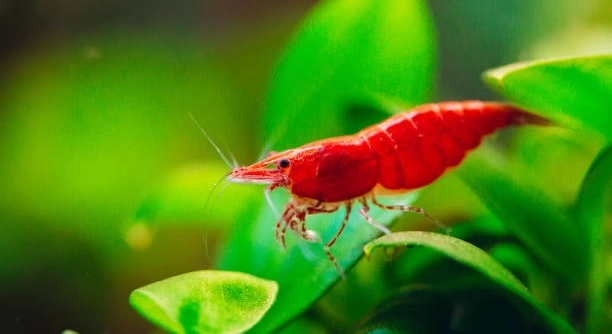
Shrimp are fascinating little creatures, often seen quietly moving around in their tanks. Their behavior can change depending on their environment and companions, which makes observing them both relaxing and surprisingly engaging for aquarium owners.
Shrimp become more social when their habitat is stable, clean, and rich in hiding spaces. Consistent water parameters, proper nutrition, and the presence of other shrimp promote interaction, reduce stress, and encourage natural behaviors, fostering a healthier and more active community.
Learning how to support their social habits can improve the overall tank experience. Small adjustments often have a big impact on their activity and interactions.
Stable Water Conditions
Maintaining stable water conditions is essential for shrimp to feel safe and interact naturally. Sudden changes in temperature, pH, or hardness can stress them, causing them to hide or become lethargic. I noticed when I first set up my tank, the shrimp were scattered and cautious until the water parameters stayed consistent. Using a reliable heater and regularly testing the water can prevent fluctuations. Even small swings can make shrimp withdraw, affecting their feeding and social habits. Filtration helps maintain clarity, but it’s important to avoid strong currents that can overwhelm delicate shrimp. Over time, a stable environment encourages them to explore, graze, and interact with each other. Observing their behavior under stable conditions is rewarding, as they often display more natural patterns like clustering around moss or plants. Consistency in water care reduces stress, promotes molting, and supports overall health, making shrimp more active and willing to engage with their tank companions.
Consistent temperature, pH, and gentle filtration help shrimp feel secure and interact naturally, encouraging activity and social behaviors.
When water remains stable, shrimp start exploring more openly. They gather near plants and hiding spots, interact with other shrimp, and feed without hesitation, showing clear signs of comfort and engagement in the tank environment.
Proper Nutrition
Shrimp need a varied diet to thrive and remain active. Feeding only one type of food can lead to inactivity or aggression. I started adding algae wafers, blanched vegetables, and occasional protein supplements, and the change was noticeable immediately. A balanced diet supports molting, coloration, and natural behaviors, making shrimp more confident in interacting with others. Overfeeding can pollute the water, so portion control is essential. Observing which foods the shrimp prefer also helps create a routine that encourages them to gather in shared feeding areas. Nutritional variety keeps them curious and energized, increasing social activity and reducing stress. Providing food that sinks slowly or sticks to surfaces encourages foraging behavior, which leads to more movement and interaction. Proper nutrition is more than just feeding; it’s about creating conditions that allow shrimp to flourish, explore, and form natural groups within the tank.
Feeding shrimp a balanced diet encourages activity, interaction, and healthier social behaviors.
Including different types of food, such as algae, vegetables, and protein, ensures shrimp are healthy and active. I noticed my shrimp interacting more during feeding, often clustering around the same spots and exploring together. They also molt more regularly and display brighter colors, which is a sign of well-being. Adjusting feeding amounts and variety gradually allows them to adapt without stressing the tank ecosystem. Nutritional balance influences not only their growth but also how comfortable they feel near one another, making social interactions more frequent and natural. Observing shrimp during feeding shows a clear connection between diet and behavior. Over time, a varied and controlled diet transforms a quiet tank into one with lively, engaging shrimp who explore, forage, and interact with their surroundings more confidently.
Hiding Spots and Plants
Providing hiding spots and plants reduces stress and encourages shrimp to interact more freely. I added moss, small caves, and dense plants, and it changed their behavior quickly. They felt safer and spent more time exploring rather than hiding.
Dense plants and moss create natural barriers that let shrimp retreat when stressed. I noticed that my shrimp were more active around these areas, often grazing on biofilm and algae growing on leaves. Small caves and decorations gave them places to molt safely, which reduced aggression and vulnerability. Over time, shrimp began to congregate in open areas, confident that they could escape if needed. These structures mimic their natural habitat, making the tank more engaging and comfortable.
Hiding spots also promote social behavior by giving shrimp secure areas to rest and observe others. When shrimp have a sense of safety, they are more likely to explore the tank and interact with each other. Plants and moss act as both food sources and shelter, supporting natural behaviors like grazing, climbing, and clustering. My shrimp started forming small groups around moss patches, showing increased social activity. Even shy shrimp become bolder when they know they can quickly retreat, creating a more balanced and interactive community.
Tank Size and Grouping
A larger tank with enough shrimp reduces stress and promotes social activity. Overcrowding or too few companions can make shrimp withdrawn or aggressive, affecting overall interaction.
Increasing the tank size allows shrimp to establish territories while still having enough space to socialize. I upgraded my tank from a small 5-gallon to 20 gallons, and the difference was clear. Shrimp spread out comfortably but still met in open areas to forage or explore together. Grouping compatible shrimp species also improves interaction, as they are more likely to cluster and engage when they feel safe. Proper spacing reduces fights over food and hiding spots, which encourages calmer and more consistent social behaviors.
Having the right number of shrimp in a well-sized tank promotes natural interactions and reduces stress. When my tank housed too few shrimp, they stayed hidden most of the time. After increasing both the group size and the tank space, they moved around freely, explored the entire tank, and engaged in communal feeding and grazing. Shrimp behavior became more dynamic, with individuals interacting without signs of stress or aggression. The combination of ample space and proper grouping creates a balanced environment where shrimp can establish territories, forage together, and display normal, healthy social behaviors consistently.
Light and Day-Night Cycle
Consistent light and a proper day-night cycle help shrimp feel secure and active. I noticed my shrimp became more lively once the tank lighting followed a predictable schedule, giving them clear periods for resting and exploring.
A sudden change in light or long periods of darkness can stress shrimp. Regular lighting helps regulate their activity, encouraging natural behaviors such as grazing and interacting with other shrimp. Using a timer ensures stability and reduces human error, keeping their environment predictable.
Water Quality Maintenance
Regular water changes and monitoring parameters prevent harmful buildup of nitrates and toxins. I keep a strict schedule, and my shrimp remain healthy and social because their water stays clean and balanced.
Temperature Control
Stable temperature prevents stress and supports active behavior. When the water is consistent, shrimp interact more, forage regularly, and display normal social patterns, making the tank more lively and harmonious.
How many shrimp should I keep together?
Shrimp are social creatures and do better in groups. I started with just three, and they spent most of their time hiding. Increasing the number to eight made a noticeable difference. A group of at least six to ten allows natural behaviors to appear, including grazing and clustering together. Overcrowding should be avoided, as it can lead to competition for food and stress. The right group size depends on tank dimensions, hiding spots, and filtration. Observing your shrimp helps you find a balance where everyone interacts comfortably without aggressive behavior or territorial disputes.
What kind of food encourages social behavior?
Shrimp respond well to a varied diet. I feed a mix of algae wafers, blanched vegetables, and occasional protein supplements. This variety keeps them active, foraging, and often gathering in the same areas. Foods that sink slowly or stick to surfaces allow multiple shrimp to feed simultaneously, which naturally encourages interaction. Avoid overfeeding, as leftover food can pollute the water, stressing shrimp and reducing social activity. Rotating food types and observing preferences helps maintain interest and promotes healthy, active behavior. Proper nutrition also supports molting, coloration, and overall vitality, which influences confidence and willingness to engage with others.
How do hiding spots affect shrimp socialization?
Hiding spots are essential for reducing stress and encouraging activity. I added moss, small caves, and dense plants to my tank, and the shrimp became noticeably bolder. Safe retreat areas allow shrimp to explore without fear, especially during molting periods when they are vulnerable. Plants serve dual purposes by providing food in the form of biofilm and surfaces for grazing. Shrimp often gather around moss patches, interact, and climb plants, showing increased comfort and social behaviors. Adequate shelter allows even shy individuals to join communal activities while feeling secure.
Can tank size impact shrimp interactions?
Yes, the size of the tank directly affects shrimp behavior. In a small tank, shrimp tend to stay hidden and avoid each other, which limits social activity. I upgraded from a 5-gallon to a 20-gallon tank, and my shrimp began moving freely, exploring more areas, and interacting during feeding. Larger spaces allow individuals to establish territories while still providing areas for group activity. Proper spacing reduces stress, competition, and aggression, creating a balanced environment. Tank size also affects water quality stability, which is critical for healthy and social shrimp.
How important is water quality for shrimp activity?
Water quality is one of the most critical factors for social shrimp. I perform regular water changes and monitor parameters like pH, ammonia, nitrites, and nitrates. Clean, balanced water reduces stress, prevents disease, and allows shrimp to move and interact naturally. Even small fluctuations in pH or temperature can cause hiding, lethargy, or aggression. A stable environment encourages grazing, clustering, and normal behaviors. Filtration should be gentle to avoid strong currents that can disturb shrimp. Consistent water quality supports molting, coloration, and overall health, all of which influence social activity and engagement in the tank.
Does lighting affect shrimp behavior?
Lighting has a direct effect on shrimp activity. I noticed my shrimp became more active and social when the tank followed a consistent day-night schedule. Predictable lighting helps regulate their internal rhythms, providing periods of rest and exploration. Sudden bright lights can stress them, causing hiding, while total darkness for extended periods reduces interaction. Using a timer ensures stability, keeping shrimp confident and more willing to engage with each other. Proper lighting also encourages algae growth on surfaces, providing natural grazing spots that promote movement and interaction throughout the tank.
How can I encourage shy shrimp to be more social?
Shy shrimp become more confident when the environment feels safe. I added dense plants, moss, and small caves, which gave timid shrimp spaces to retreat and gradually explore. Gentle feeding routines and a calm tank environment also help. Avoid sudden movements, aggressive tankmates, or rapid water changes, as these can trigger hiding. Observing shy individuals over time shows gradual increases in movement, grazing, and interaction with other shrimp. Creating multiple feeding zones and hiding spots encourages exploration and allows them to join social groups at their own pace, building confidence naturally.
Are temperature fluctuations harmful to shrimp social behavior?
Yes, unstable temperatures can reduce shrimp activity. I maintain a steady temperature with a reliable heater, which keeps them active and interacting. Sudden drops or spikes in temperature stress shrimp, causing them to hide or molt improperly. Consistent warmth supports metabolism, digestion, and social behaviors like grazing and clustering. Even small changes can influence their comfort level and willingness to explore or gather in open areas. Maintaining a stable temperature is one of the simplest ways to encourage confident, social, and healthy shrimp behavior over time.
Can shrimp interact with other species in the tank?
Shrimp can coexist with some peaceful species, but interactions depend on tankmates’ behavior. Aggressive or fast-moving fish can stress shrimp and reduce social activity. I keep only small, calm species, and shrimp appear more relaxed and interactive. Adding compatible species carefully ensures shrimp feel safe, promoting natural clustering and grazing behavior without fear. Observing shrimp responses to tankmates is essential to maintain a peaceful, socially active community.
How often should I observe shrimp to monitor social behavior?
Frequent observation helps identify changes in activity or interactions. I check daily, noting feeding patterns, clustering, and movement around the tank. Early detection of stress, illness, or hiding allows quick adjustments in water quality, feeding, or tank setup. Regular observation also lets me see which foods, hiding spots, or areas encourage the most social behavior. Tracking these behaviors over time helps maintain a healthy and interactive shrimp population. Consistent monitoring ensures a balanced tank where shrimp remain confident, active, and engaged.
What signs indicate healthy social shrimp?
Healthy social shrimp move freely, forage together, and cluster in safe areas. I watch for bright coloration, regular molting, and active grazing. Consistent interaction with others, confidence around open spaces, and minimal hiding indicate they are comfortable. Shrimp that explore, feed together, and use hiding spots appropriately show normal, healthy social patterns. Observing these behaviors helps maintain tank conditions that support ongoing interaction and well-being.
Shrimp are small creatures, but they have surprisingly complex social behaviors. When their environment is stable, food is balanced, and hiding spots are available, shrimp begin to interact more naturally. I have watched my own shrimp gradually explore the tank and gather in small groups over time, showing curiosity and comfort. Even small adjustments, like adding moss or a few caves, can make a big difference in how active and confident they become. It is clear that their behavior is closely tied to their surroundings, and creating the right conditions is essential for encouraging natural social habits. Over time, the shrimp that were once shy begin to show more movement, spend more time in the open, and even cluster together while feeding or grazing, which is a satisfying sign of a healthy, social community.
Water quality and tank maintenance also play a major role in supporting shrimp socialization. Clean, balanced water reduces stress and prevents disease, allowing shrimp to focus on natural behaviors rather than hiding or avoiding interaction. Regular monitoring of pH, temperature, and other parameters ensures the environment remains consistent, which in turn encourages activity. I have noticed that when water fluctuates or becomes polluted, shrimp retreat quickly, and social behaviors nearly disappear. On the other hand, with proper maintenance, they become more active, exploring corners of the tank and interacting with one another. Maintaining a predictable environment, along with regular feeding and care, directly influences their confidence and social engagement. Even small steps like controlling the light schedule or adjusting tank temperature have noticeable effects on how shrimp interact, graze, and explore together.
Nutrition, habitat, and group size all contribute to the social lives of shrimp. Offering a varied diet keeps them energetic, while sufficient hiding spots provide security for vulnerable moments such as molting. Grouping compatible shrimp in an appropriately sized tank encourages interaction without overcrowding, creating a balanced dynamic where each individual feels safe. I have found that observing shrimp behavior over time helps in understanding their preferences, whether it’s where they gather, how they feed, or which areas of the tank they prefer for resting. By combining consistent care with an understanding of their natural needs, shrimp can develop more social, confident, and active behaviors. Creating a well-planned habitat not only improves their well-being but also makes observing them more rewarding, as their activity and interactions become more lively and natural.

Hello,
If you enjoy the content that we create, please consider saying a "Thank You!" by leaving a tip.
Every little bit helps us continue crafting quality advice that supports the health, happiness, and well-being of pets around the world, for pets of all shapes, sizes, and species.
We really appreciate the kindness and support that you show us!