
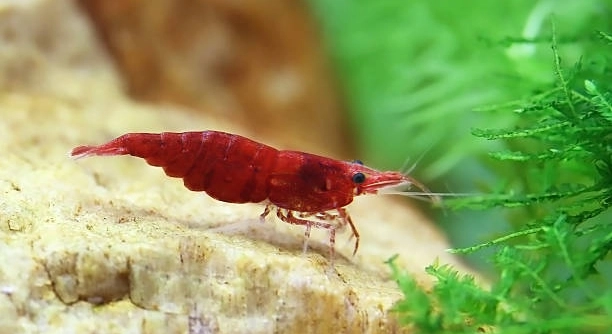
Cherry shrimp are usually calm and predictable, quietly moving around the tank and picking at algae. Sometimes, though, their behavior changes, leaving owners surprised and unsure of what might be causing it in their familiar aquatic environment.
Cherry shrimp occasionally act out of character due to stress, environmental changes, or social interactions. Factors such as water quality fluctuations, new tank mates, or illness can trigger unusual behaviors that differ significantly from their normal patterns of activity.
Observing these shifts can help owners respond appropriately and ensure the shrimp remain healthy and active in their home aquarium.
Hiding More Than Usual
Sometimes, cherry shrimp will spend long periods hiding in decorations, plants, or corners of the tank. This behavior can appear suddenly and often worries owners who are used to seeing them swim openly. Increased hiding is commonly a response to stressors in their environment, which might include sudden changes in water temperature, the presence of new tank mates, or even loud noises near the aquarium. Observing the tank closely can reveal subtle shifts in behavior that might otherwise be overlooked. It is important to check water parameters, including pH, ammonia, nitrite, and nitrate levels, because poor water quality can make shrimp seek shelter more often. Providing extra hiding spots like moss, small caves, or dense plants can help them feel secure, but it is equally important to identify and address any stress sources directly. Proper monitoring ensures that their increased hiding does not indicate a serious health issue.
Hiding excessively is usually temporary if conditions improve quickly and carefully.
By gradually adjusting the tank environment, owners can reduce stress triggers. Maintaining stable water parameters, offering adequate shelters, and minimizing sudden disturbances are effective ways to encourage normal activity. Regular observation allows for early detection of potential issues, helping prevent prolonged stress and ensuring that shrimp regain their usual behavior. Over time, they become more confident and visible once again, displaying the calm movements that are typical for cherry shrimp. Balancing comfort with health checks ensures both safety and activity in the aquarium.
Aggressive or Chasing Behavior
Cherry shrimp may start chasing each other or acting aggressively in certain situations.
This behavior often arises when shrimp compete for food or territory. Even in a peaceful tank, dominance disputes can lead to minor chasing or nudging. It is more noticeable in males, especially during molting cycles when soft-shelled shrimp are more vulnerable. Aggression is sometimes a response to crowded conditions. Too many shrimp in a small tank increase stress and trigger competitive behaviors. Monitoring population density and providing adequate space helps reduce tension. Adjusting feeding practices, like scattering food in multiple areas, can prevent competition. Observing interactions over several days helps determine if this is a short-term issue or a sign of persistent stress.
Aggressive actions can be managed by spreading hiding spots and monitoring tank density. Separating overly dominant shrimp temporarily can restore balance. Providing a variety of food ensures that all shrimp have access without constant competition. This approach helps maintain harmony while allowing shrimp to display their natural behaviors safely. Owners can enjoy observing them without worrying about injuries or ongoing stress, creating a more stable tank environment.
Refusing Food
Cherry shrimp sometimes stop eating for short periods. This can be linked to water conditions, stress, or molting, and usually resolves once their environment stabilizes.
Refusal to eat may happen during molting because their soft exoskeleton makes them more vulnerable. Changes in water temperature or chemistry can also reduce appetite. If new tank mates are added, shy shrimp might avoid food until they feel secure again. Providing small amounts of food in different areas helps encourage feeding. Observing the shrimp’s behavior daily allows you to notice patterns, such as skipping meals only during specific times, and prevents unnecessary worry. Maintaining consistent water conditions is the most effective way to reduce extended periods of fasting.
Sometimes, even healthy shrimp may ignore food for a few days. This can be normal if they are adjusting to minor changes or focusing on exploring. Offering a variety of food like algae wafers, blanched vegetables, or specialized shrimp pellets can help re-engage their appetite. Avoid overfeeding, as leftover food can pollute the tank and worsen water quality. Gradually, most cherry shrimp return to normal feeding habits without intervention.
Unusual Molting Patterns
Some cherry shrimp molt more frequently or irregularly than expected. This often signals changes in diet, water quality, or stress levels in the tank. Proper calcium levels and stable water parameters are crucial to maintain healthy molting cycles.
Irregular molting can result from insufficient nutrition, particularly a lack of calcium and minerals needed to form a strong exoskeleton. Sudden water parameter changes, like pH swings or ammonia spikes, also affect molting. Observing each shrimp’s molting frequency over time helps identify patterns and detect abnormalities early. Shy shrimp may hide more during molting, which can make it seem as though behavior has changed dramatically. Regular tank maintenance, including partial water changes and careful monitoring of dissolved minerals, supports consistent molting and reduces stress-related irregularities.
Molting problems can sometimes be linked to overcrowding. When many shrimp share a tank, competition for food and hiding spaces may stress individuals, delaying or accelerating molting. Ensuring enough space and providing supplemental calcium sources, like cuttlebone or specialized shrimp supplements, helps promote healthy exoskeleton development. Tracking the molting cycle allows for adjustments in feeding and environment, ensuring shrimp continue to grow and thrive. Over time, regular observation and care prevent complications associated with irregular molting and support overall tank stability.
Climbing Tank Walls
Cherry shrimp sometimes climb the sides of the tank more than usual. This behavior can indicate curiosity, searching for food, or reacting to changes in the water conditions.
Occasionally, climbing walls may signal insufficient algae or food on the tank surfaces. Providing more hiding spots and spreading food evenly can reduce this behavior. Regular observation ensures it does not indicate stress or water quality issues.
Color Changes
Shrimp may display darker or paler colors than normal. Stress, water parameters, or breeding readiness often influence these shifts. Observing changes in lighting, tank decorations, or diet can explain variations in pigmentation over time.
Erratic Swimming
Erratic swimming often occurs when shrimp experience sudden stress or irritation. It may appear as rapid darting, spinning, or bumping against objects. Stressors include abrupt temperature changes, strong currents, or chemical fluctuations. Careful water monitoring helps maintain calm conditions.
Staying at the Surface
Shrimp staying near the surface more than usual can indicate low oxygen levels or discomfort. Ensuring proper aeration and checking water quality helps them return to normal activity.
Why are my cherry shrimp hiding all the time?
Hiding is often a response to stress or feeling unsafe. Changes in water parameters, new tank mates, or loud activity around the tank can trigger this behavior. Providing plenty of hiding spots like moss, plants, and decorations helps them feel secure. Temporary hiding during molting is normal and usually resolves on its own.
What causes cherry shrimp to refuse food?
Refusing food can happen during molting, stress, or when water quality is poor. Shrimp may also be adjusting to new tank conditions or recovering from recent changes in diet. Offering small amounts of varied food like algae wafers, blanched vegetables, or specialized pellets can encourage feeding. Avoid overfeeding, as uneaten food can affect water quality and discourage shrimp from eating.
Why are my cherry shrimp chasing each other?
Aggressive or chasing behavior often occurs due to competition for food or territory. Males may be more dominant, especially when females molt. Crowded tanks or limited hiding spaces can increase tension. Scattering food in multiple locations and providing extra shelters reduces competition and helps restore balance. Observing interactions over several days shows whether the behavior is temporary or ongoing.
Why do cherry shrimp change color suddenly?
Color changes can be caused by stress, diet, or breeding readiness. Pale shrimp may indicate poor water conditions or insufficient nutrition. Darker colors can appear during mating displays or when shrimp feel threatened. Providing consistent water parameters and a balanced diet helps maintain healthy pigmentation. Observing patterns in color change can also indicate molting cycles or stress triggers.
Why do cherry shrimp climb the tank walls?
Climbing tank walls can be a sign of curiosity, searching for food, or reacting to environmental changes. It sometimes occurs when algae is scarce or surfaces are too clean. Adding more hiding spots, spreading food across the tank, and maintaining stable water parameters can reduce this behavior.
Why are my cherry shrimp swimming erratically?
Erratic swimming, such as rapid darting, spinning, or bumping into objects, usually signals stress. Causes include sudden temperature changes, chemical fluctuations, or strong currents. Monitoring water conditions carefully and adjusting tank flow can help calm the shrimp. This behavior often resolves once the environment stabilizes and stressors are reduced.
Why are cherry shrimp staying at the surface?
Spending time at the water surface can indicate low oxygen levels or discomfort. Ensuring proper aeration, checking for water parameter issues, and maintaining good filtration helps shrimp return to normal swimming patterns. Surface activity should decrease once conditions are optimized.
How can I prevent out-of-character behavior in cherry shrimp?
Maintaining stable water parameters, providing ample hiding spaces, and offering a varied diet helps prevent unusual behaviors. Avoid sudden changes in temperature or adding new tank mates too quickly. Observing daily behavior allows for early detection of stress or health issues. Regular tank maintenance supports shrimp health and keeps their actions predictable.
When should I be concerned about unusual shrimp behavior?
If hiding, refusing food, erratic swimming, or color changes persist for more than a few days, it may indicate stress, disease, or poor water quality. Checking ammonia, nitrite, nitrate, pH, and temperature levels is critical. Persistent or worsening behavior warrants intervention, such as isolating affected shrimp or adjusting the tank environment.
Can diet affect cherry shrimp behavior?
Yes, a poor or unbalanced diet can lead to stress, reduced activity, and unusual behavior. Providing a variety of foods rich in calcium and nutrients supports healthy molting, bright colors, and normal activity levels. Observing shrimp during feeding helps ensure all individuals are eating adequately.
Do tank mates influence shrimp behavior?
Other tank inhabitants can significantly impact shrimp behavior. Aggressive or fast-moving fish may cause hiding, stress, or even injuries. Peaceful, slow-moving tank mates are best for reducing out-of-character behaviors. Providing ample plants and shelters ensures shrimp feel safe even with other species present.
How can I improve water quality for more stable shrimp behavior?
Regular partial water changes, avoiding overfeeding, and monitoring key parameters like ammonia, nitrites, nitrates, and pH are essential. Using a gentle filter and ensuring proper aeration also support stable conditions. Clean, stable water reduces stress, encourages normal feeding, and prevents unusual behaviors like erratic swimming or hiding.
Are molting cycles linked to behavior changes?
Yes, shrimp often act differently during molting. They may hide more, refuse food, or become more vulnerable to stress. Ensuring hiding spots and maintaining optimal water conditions helps them molt safely. Observing molting patterns can help predict temporary behavior changes and reduce unnecessary worry.
Can stress cause multiple out-of-character behaviors at once?
Stress is a common reason for several unusual behaviors occurring simultaneously. Low oxygen, poor water quality, aggressive tank mates, or rapid environmental changes can lead to hiding, color changes, erratic swimming, and reduced feeding. Addressing stressors promptly helps shrimp return to normal behavior and maintain health.
What role does tank layout play in shrimp behavior?
Tank layout, including plants, decorations, and hiding spots, directly affects shrimp comfort. A well-structured tank reduces competition and stress, encourages feeding, and provides security during molting. Sparse or overcrowded layouts can lead to increased hiding, chasing, or climbing, so thoughtful arrangement is important for predictable shrimp behavior.
How long does it take for cherry shrimp to return to normal after stress?
Recovery time varies depending on the cause of stress and tank conditions. Minor stress may resolve within a day or two, while significant changes in water quality or overcrowding may take several days to a week. Maintaining stable conditions and monitoring shrimp closely ensures faster recovery.
Can health issues cause out-of-character behaviors?
Yes, illness can manifest as hiding, lethargy, color changes, or refusing food. Parasites, bacterial infections, or poor water quality can affect shrimp behavior. Identifying signs early and addressing health issues, such as isolating sick shrimp or improving water conditions, increases the chances of full recovery.
Do cherry shrimp always return to normal after unusual behavior?
Most shrimp return to normal once environmental stressors, diet issues, or molting cycles are addressed. Persistent out-of-character behavior may indicate ongoing stress or illness, requiring intervention. Regular observation and consistent tank care improve overall shrimp well-being and reduce long-term behavioral changes.
How can I monitor shrimp behavior effectively?
Daily observation is key. Watch feeding habits, interactions, color, and movement patterns. Keeping a simple log can help track changes over time, identify stressors, and detect health issues early. Consistent monitoring ensures shrimp remain active, healthy, and display normal behavior.
What small adjustments can improve shrimp comfort?
Small adjustments like adding more plants, increasing hiding spots, scattering food, stabilizing temperature, and reducing noise or vibrations can make a big difference. Even minor improvements in water quality and tank layout support normal behavior, encourage feeding, and reduce stress-related actions.
How do I know if shrimp behavior is normal or unusual?
Understanding typical cherry shrimp behavior—calm swimming, grazing, occasional hiding—is essential. Sudden, prolonged, or multiple behavior changes may indicate stress, illness, or environmental problems. Comparing observed actions to baseline activity helps identify when intervention is needed.
Can seasonal changes affect shrimp behavior?
Temperature fluctuations and seasonal light changes can influence activity, feeding, and color. Maintaining consistent heating, lighting, and water conditions reduces seasonal stress and supports steady behavior. Seasonal adjustments in diet or tank care may help shrimp stay healthy and active.
Are there preventive steps for keeping shrimp behavior stable?
Yes. Regular water testing, consistent feeding, ample hiding spaces, gentle filtration, compatible tank mates, and observation all contribute to stable behavior. Preventive care minimizes stress, supports molting, maintains color, and reduces the likelihood of out-of-character actions. Proactive attention ensures shrimp remain healthy and active in the long term.
Cherry shrimp are small, delicate creatures, yet their behaviors can tell us a lot about their health and environment. Observing them closely allows owners to notice changes that may indicate stress, illness, or environmental issues. Many out-of-character behaviors, such as hiding more than usual, refusing food, or climbing the tank walls, are signals that something in their environment needs attention. Water parameters like temperature, pH, and ammonia levels play a critical role in their well-being. Even minor fluctuations can cause temporary changes in behavior. By keeping a consistent routine for water testing and maintenance, these unusual behaviors can often be prevented or corrected quickly, reducing stress on the shrimp. In addition, providing a comfortable environment with plenty of hiding spots, plants, and gentle filtration helps shrimp feel secure, which encourages normal activity and feeding patterns.
Diet also influences behavior significantly. A balanced diet with a variety of foods ensures that shrimp have the nutrients they need for healthy growth and molting. Calcium-rich foods, algae wafers, blanched vegetables, and occasional protein sources support their exoskeleton development and overall vitality. When shrimp are well-fed and receive proper nutrition, they are less likely to exhibit unusual behaviors like aggression, color changes, or extended hiding. Observing their feeding habits is a practical way to monitor health. Even small shifts, such as skipping meals or avoiding certain foods, can indicate stress or water quality issues. Adjusting diet, combined with regular tank care, creates an environment where shrimp feel safe and can thrive. Over time, these practices lead to consistent, predictable behavior, making it easier to enjoy watching them move and interact in the aquarium.
Maintaining a stable tank environment and monitoring shrimp closely are the most effective ways to prevent problems. Stress is a common factor behind most unusual behaviors, whether it stems from overcrowding, sudden water changes, or aggressive tank mates. When multiple stressors occur simultaneously, behaviors like erratic swimming, hiding, or refusing food may appear together. Responding promptly to these signs by checking water quality, rearranging tank layout, or temporarily separating individuals helps restore normalcy. Keeping detailed notes on behavior, molting cycles, and feeding patterns allows owners to identify recurring issues and make gradual improvements. In the end, cherry shrimp are sensitive but resilient. With careful attention, consistent care, and a balanced environment, they can maintain their natural, calm behavior, allowing owners to enjoy a healthy, active, and thriving aquarium.

Hello,
If you enjoy the content that we create, please consider saying a "Thank You!" by leaving a tip.
Every little bit helps us continue crafting quality advice that supports the health, happiness, and well-being of pets around the world, for pets of all shapes, sizes, and species.
We really appreciate the kindness and support that you show us!