
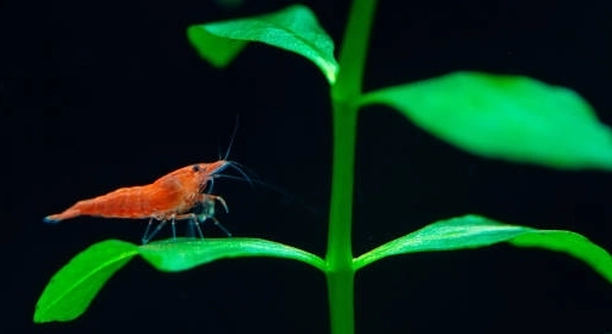
Many people keep shrimp as pets but often worry about their comfort and safety in the tank. Creating a secure environment helps them thrive and reduces stress, which is essential for their health and overall behavior in captivity.
Shrimp feel more secure when their environment provides ample hiding spaces, stable water conditions, and minimal disturbances. Incorporating plants, rocks, and gentle filtration supports their natural behavior while maintaining optimal water quality and reducing stress. Consistency is key for their well-being.
Learning how to enhance their habitat can improve shrimp activity, growth, and social interactions. These practical adjustments create a more comfortable and stable environment for your aquatic pets.
Provide Plenty of Hiding Spots
Shrimp naturally seek places to hide when they feel threatened. Adding plants, rocks, or small caves gives them security and reduces stress. Moss and floating plants are excellent because they provide cover without overcrowding the tank. Even simple decorations, like small clay pots or coconut shells, can create safe areas. When shrimp have spaces to retreat, they explore more confidently and display natural behaviors. Hiding spots also help them molt safely, which is a vulnerable time. Avoid sharp or rough decorations that could injure them, as their exoskeletons are delicate. Spacing decorations evenly allows water to circulate and prevents dead zones. Shrimp enjoy both vertical and horizontal hiding options, so layering plants or stacking rocks can make the habitat more engaging. Overcrowding the tank with hiding spots is unnecessary; balance is essential to maintain open swimming areas and proper water flow. Observation over time helps you see which areas they prefer and may need adjustment for optimal comfort and security.
Adding natural hiding places encourages shrimp to explore and reduces stress, improving their overall health and activity levels.
Providing adequate cover ensures shrimp feel secure while molting, feeding, and moving throughout the tank, leading to more consistent behavior and growth.
Maintain Stable Water Conditions
Shrimp are highly sensitive to sudden changes in water temperature, pH, and hardness. Even small fluctuations can stress them and increase mortality risk. Regular monitoring of water parameters is essential to maintain stability. Use a reliable heater and thermometer for temperature consistency. Perform gentle water changes to avoid shocking the shrimp, and test for ammonia, nitrite, and nitrate levels frequently. Consistent filtration prevents harmful buildup while maintaining oxygen levels, but avoid strong currents that can overwhelm shrimp. Introducing new shrimp or plants slowly allows the tank ecosystem to adjust gradually. Proper conditioning of tap water, such as dechlorination and mineral supplementation, supports their health. Pay attention to subtle behavior changes, like reduced movement or hiding, as these can indicate water issues. By keeping conditions steady, shrimp exhibit normal feeding, molting, and social patterns, enhancing their overall well-being. Over time, a carefully maintained tank reduces disease risk and creates a secure, stress-free environment for shrimp to thrive.
Stable water quality is essential for shrimp health, directly affecting their behavior, growth, and molting cycles.
Keep the Tank Quiet
Shrimp are sensitive to vibrations and loud noises. Minimizing disturbances around the tank helps them feel safe and reduces stress.
Constant noise or sudden movements can make shrimp retreat and hide. Placing the tank in a quiet area, away from heavy foot traffic or appliances, prevents unnecessary stress. Even tapping on the glass or moving objects nearby can startle them. A calm environment encourages natural behaviors like feeding, swimming, and interacting with other shrimp. Quiet surroundings also help them molt safely, as stress can interfere with this delicate process. Over time, a stable and peaceful area allows shrimp to adapt comfortably, making them more active and visible while maintaining better health overall.
Shrimp respond to consistent surroundings, and a quiet tank improves their confidence and reduces erratic behavior.
Feed a Balanced Diet
Offering a varied diet ensures shrimp receive essential nutrients for growth and molting. Include algae, biofilm, and specialized shrimp pellets to meet their needs. Avoid overfeeding, which can pollute the water.
Fresh vegetables, such as blanched zucchini or spinach, provide fiber and vitamins. Protein sources, like tiny amounts of fish flakes or shrimp-specific supplements, support growth and reproduction. Feed small portions several times a week rather than large amounts at once to prevent leftovers from decaying. Observing how much your shrimp eat helps adjust feeding quantities appropriately. Nutrient-rich diets support strong exoskeletons and vibrant colors, contributing to their overall vitality. Avoid processed human foods, which may harm shrimp or disrupt water quality. Combining plant-based and protein-rich options ensures a balanced intake, promoting healthy behavior and a longer lifespan. Maintaining proper feeding routines also strengthens their immune system and encourages active swimming, foraging, and social interactions within the tank.
Consistent, balanced feeding fosters healthier shrimp, improving coloration, activity, and natural behavior patterns.
Avoid Overcrowding
Too many shrimp in a tank can lead to stress and competition for resources. Keep the population balanced to ensure comfort and reduce aggressive behavior.
Providing adequate space allows shrimp to move freely, find hiding spots, and establish territories. Overcrowding can affect molting, feeding, and overall health, making them feel insecure and stressed.
Maintain Proper Lighting
Shrimp are sensitive to light intensity and duration. Use gentle lighting that mimics their natural environment, avoiding sudden changes. Bright or harsh lights can cause stress, while dim, consistent lighting encourages natural activity, feeding, and hiding behaviors, supporting overall well-being in the tank.
Introduce Tank Mates Carefully
Not all tank mates are compatible with shrimp. Choose peaceful species to prevent predation or bullying, ensuring shrimp feel safe and secure.
Regular Tank Cleaning
Maintaining cleanliness prevents harmful bacteria and ammonia buildup. Gently clean the substrate and filter without disturbing shrimp, preserving a safe and healthy habitat for them to thrive.
FAQ
How often should I check water parameters for my shrimp?
Shrimp are sensitive to water quality, so checking parameters at least once a week is ideal. Focus on temperature, pH, ammonia, nitrite, and nitrate levels. Consistent monitoring helps catch problems early, reducing stress and health risks.
What is the best hiding spot for shrimp?
Shrimp enjoy places where they can feel completely covered. Moss, plants, small caves, or hollow decorations work well. Offering multiple hiding spots at different levels of the tank encourages exploration while giving them security during molting or stressful moments.
Can I keep different species of shrimp together?
Some species coexist well, but others may compete for food or space. Research compatibility before combining species. Observing behavior in a mixed tank is crucial, as signs of stress or aggression indicate adjustments are needed.
How much should I feed my shrimp?
Feed small portions that they can consume within a few hours. Overfeeding leads to water pollution and stress. A balanced diet of pellets, vegetables, and biofilm supports health and natural behavior. Adjust portions based on tank population and shrimp activity.
How do I help shrimp feel secure during molting?
Provide plenty of hiding spots and avoid disturbing the tank during molting. Shrimp are vulnerable at this time, and stress can affect successful molting. Soft plants, moss, and rocks give them protection while they shed their exoskeleton.
Is it necessary to keep the tank quiet?
Yes, vibrations and loud noises stress shrimp. Place the tank in a calm area, away from heavy traffic or appliances. Even small taps on the glass can startle them. A quiet environment encourages natural activity and reduces hiding behavior.
How often should I perform water changes?
Regular water changes are important, but avoid large, sudden changes. Small weekly changes help maintain water quality without shocking the shrimp. Condition the new water to match temperature, pH, and hardness for minimal stress.
Can shrimp live with fish?
Some small, peaceful fish are compatible, but larger or aggressive species may prey on shrimp. Research the species and observe interactions carefully. Providing hiding spots is essential if fish are present to prevent stress or injury.
How do I know if my shrimp are stressed?
Signs include excessive hiding, reduced feeding, lethargy, or abnormal swimming. Stress often results from poor water quality, overcrowding, or sudden environmental changes. Addressing these issues promptly helps shrimp regain confidence and activity.
Do plants really make a difference in shrimp security?
Yes, live plants provide shelter, reduce stress, and encourage natural foraging behavior. Moss and floating plants are particularly helpful for small shrimp, offering both cover and surfaces for biofilm, which is a natural food source.
Can I overuse decorations in the tank?
Too many decorations can reduce swimming space and water circulation. Balance hiding spots with open areas for movement. Observing shrimp behavior will show which areas they prefer and whether adjustments are needed.
How do I maintain consistent lighting for shrimp?
Use gentle, timed lighting to mimic natural day and night cycles. Sudden changes in light can stress shrimp. Soft lighting encourages activity and natural feeding, while giving them shaded areas to retreat when needed.
What should I do if shrimp start fighting?
Fighting usually occurs from overcrowding or territorial disputes. Increase hiding spots, reduce population density, or separate aggressive individuals. Stress from conflicts affects health and molting, so intervention is important.
Can shrimp feel safe with frequent visitors?
Frequent movement near the tank can startle shrimp. Minimize sudden interactions and vibrations. Over time, shrimp may adjust, but a calm environment is always better for their comfort and natural behavior.
How do I prevent water contamination from food?
Feed only the amount shrimp can consume quickly. Remove uneaten food promptly. Decaying food increases ammonia and nitrates, which can stress or harm shrimp. Regular cleaning and careful feeding maintain a safe environment.
Does tank size affect shrimp security?
Yes, a larger tank with proper hiding spots reduces competition and stress. Shrimp need enough space to swim freely, find shelter, and establish territories. Overcrowding even in large tanks can create insecurity and health issues.
Are there seasonal changes I should consider for shrimp?
Indoor tanks maintain relatively stable conditions, but seasonal temperature shifts can affect water. Monitor temperature closely, especially in winter or summer, and adjust heating or cooling to keep shrimp comfortable.
How often should I clean the substrate?
Light cleaning weekly helps prevent waste buildup without disturbing shrimp. Avoid deep or rough cleaning that could stress or injure them. Gentle siphoning and monitoring debris levels maintain water quality and security.
Can adding new shrimp disrupt the existing ones?
Yes, sudden introductions can create stress and territorial disputes. Quarantine new shrimp first and add them slowly. Provide extra hiding spots to ease the transition and maintain security for both existing and new individuals.
How can I encourage natural foraging behavior?
Include biofilm, algae, and small foods on surfaces. Live plants and moss help shrimp search and graze naturally, reducing stress and keeping them active. Observing how they explore ensures a secure and stimulating environment.
Is it okay to tap the tank to attract shrimp?
No, tapping or sudden movements startle shrimp and reduce their sense of security. Gentle feeding techniques and minimal disturbance maintain confidence and encourage natural behavior patterns.
How do I manage tank temperature effectively?
Use a reliable heater and thermometer, keeping temperature stable within species-specific ranges. Sudden shifts can stress shrimp and affect molting. Small adjustments over time are safer than large changes. Consistency supports long-term health and security.
Can shrimp recognize their surroundings?
Shrimp respond to familiar environments, using plants, rocks, and substrate as landmarks. Consistency in tank layout supports a sense of security, encouraging normal feeding and social behavior while reducing stress from constant changes.
What is the best way to observe shrimp without stressing them?
Move slowly and avoid tapping the glass. Using indirect lighting or quiet observation periods allows shrimp to behave naturally. Observing without causing sudden disturbances supports confidence and ongoing activity.
Are certain substrates better for shrimp security?
Fine gravel or sand is ideal, allowing for safe foraging and hiding. Sharp or rough substrates can injure delicate exoskeletons. A stable, clean substrate enhances comfort, molting safety, and natural behaviors throughout the tank.
How do I prevent sudden stress in shrimp?
Maintain stable water conditions, quiet surroundings, gentle lighting, and proper feeding. Avoid sudden tank rearrangements, overcrowding, or rapid temperature changes. A calm, consistent environment is key for shrimp to feel secure and thrive.
Can water additives affect shrimp security?
Yes, untested or harsh chemicals can stress or harm shrimp. Only use additives recommended for shrimp tanks and follow dosage instructions carefully. Keeping water chemistry stable preserves their comfort and health.
What signs show that shrimp are comfortable in their tank?
Active swimming, regular feeding, consistent molting, and visible interaction with plants and hiding spots indicate comfort. Calm behavior and exploration demonstrate that shrimp feel secure and confident in their environment.
How often should I replace tank decorations?
Only replace decorations when necessary, such as wear, algae overgrowth, or safety concerns. Frequent changes can disrupt familiar hiding spots and stress shrimp. Maintaining consistent decor supports security and natural behavior patterns.
Is it necessary to quarantine plants before adding them?
Yes, quarantining new plants prevents pests, parasites, or chemicals from affecting shrimp. Rinsing and inspecting plants ensures a safer tank, keeping shrimp comfortable and reducing stress.
How do I handle shrimp safely during tank maintenance?
Minimize direct handling; use a soft net when necessary. Avoid sudden movements or squeezing. Careful handling prevents stress, injury, and disruption to their sense of security.
Can water flow affect shrimp comfort?
Strong currents can overwhelm shrimp. Gentle, even water flow is ideal, supporting oxygenation while allowing shrimp to explore, feed, and hide safely. Adjust filtration or use flow diffusers as needed to maintain comfort.
Do shrimp prefer a specific tank layout?
They thrive with a mix of open swimming areas and layered hiding spots. Plants, rocks, and caves arranged with balance provide security, exploration opportunities, and spaces for molting, feeding, and social interaction.
How can I tell if shrimp are healthy?
Bright coloration, smooth exoskeletons, regular molting, active swimming, and consistent feeding indicate health. Stress, discoloration, or lethargy can signal environmental or dietary problems, requiring adjustment to maintain comfort and security.
Is it okay to use artificial plants for hiding spots?
Yes, artificial plants can provide cover, but ensure they have no sharp edges. Combine them with natural materials when possible to mimic a secure and engaging habitat for shrimp.
How do I introduce new hiding spots without stressing shrimp?
Add them gradually and observe shrimp behavior. Placing decorations slowly allows shrimp to explore at their own pace, maintaining security while enriching the environment.
Can shrimp feel threatened by shadows or movement outside the tank?
Yes, sudden shadows or external movements can trigger hiding behavior. Position the tank in a low-traffic area and avoid abrupt motions nearby to reduce stress and maintain a secure environment.
How do I balance hiding spots and open areas?
Provide enough cover for molting and retreat, but leave open swimming space. Observing shrimp patterns helps adjust placement to ensure both safety and freedom to move naturally.
Are water changes stressful for shrimp?
Large or rapid changes can be stressful. Gradual, small changes with conditioned water maintain stability, preventing sudden shocks and preserving a secure habitat for shrimp.
How long does it take for shrimp to feel secure in a new tank?
It depends on species and tank setup. Providing hiding spots, stable water, and quiet surroundings helps shrimp adjust within days to weeks, reducing stress and encouraging normal behavior.
Can shrimp sense other animals outside the tank?
Yes, movements and vibrations from humans or pets can make shrimp cautious. Maintaining distance and minimizing disturbances helps them feel safe and confident in their environment.
What role does tank size play in shrimp comfort?
Larger tanks reduce stress and competition, allowing shrimp to establish territories and explore freely. Smaller tanks require careful population management and sufficient hiding spots to maintain security.
How do I prevent algae overgrowth without harming shrimp?
Control light duration, feed sparingly, and maintain regular water changes. Algae-eating shrimp and plants help manage growth naturally, supporting a balanced, stress-free environment.
Can shrimp recognize their caretakers?
While they may respond to familiar movements, recognition is limited. Consistent feeding and calm interactions reduce stress and encourage a sense of security.
Are all hiding spots equally effective?
Effectiveness depends on size, placement, and coverage. Shrimp prefer spaces that provide full shelter and easy access to food. Observing preferences helps optimize tank layout.
Do seasonal lighting changes affect shrimp behavior?
Sudden shifts in light can stress shrimp. Maintain consistent lighting periods to support natural activity, feeding, and molting while ensuring a secure environment.
Is substrate depth important for shrimp comfort?
Yes, shallow or uneven substrates can limit foraging and hiding. Proper depth allows exploration, molting, and natural behavior, increasing security.
How do I prevent water contamination from decaying plants?
Remove dead leaves and debris promptly. Regular maintenance prevents ammonia spikes, which can stress shrimp and disrupt their sense of safety.
Can introducing new tank mates cause stress?
Yes, new animals can create territorial disputes or fear. Gradual introductions with extra hiding spots help shrimp adjust without prolonged stress.
How important is monitoring shrimp behavior daily?
Daily observation helps detect stress, illness, or environmental problems early. Prompt adjustments maintain comfort, security, and overall well-being.
Do shrimp need enrichment besides hiding spots?
Yes, varied surfaces, plants, and gentle water flow encourage exploration and foraging, reducing stress and promoting a secure, stimulating environment.
Can sudden temperature drops be fatal for shrimp?
Yes, rapid drops can shock shrimp, affecting molting and immune function. Gradual adjustments and stable heaters prevent stress and maintain security.
How do I manage shrimp during tank maintenance?
Move slowly, avoid sudden vibrations, and maintain consistent water parameters. Gentle handling and minimal disruption preserve comfort and reduce stress.
Is consistent feeding important for shrimp security?
Yes, predictable feeding schedules help shrimp feel safe and confident. Irregular or excessive feeding can create stress and water quality issues.
How do I support shrimp during molting periods?
Provide hiding spots, stable water, and minimal disturbance. Proper nutrition and gentle care ensure safe molting and reduce stress.
Can bright sunlight affect shrimp behavior?
Yes, direct sunlight can overheat water and stress shrimp. Position the tank away from windows or use blinds to maintain stable, gentle lighting.
Do shrimp prefer calm water flow?
Yes, gentle flow supports oxygenation while preventing stress from strong currents. Adjust filtration to maintain a secure, comfortable environment.
How can I tell if shrimp are adapting to new decorations?
If shrimp explore cautiously and return to hiding spots comfortably, they are adjusting. Sudden retreat or avoidance indicates stress, requiring layout adjustments.
Are there signs of overcrowding I should watch for?
Excessive hiding, aggression, reduced feeding, or stunted growth indicate overcrowding. Adjust population or tank layout to restore comfort and security.
How often should I clean filters to avoid stressing shrimp?
Clean filters gently and regularly to maintain water quality without removing too much beneficial bacteria. Avoid sudden or deep cleaning that can disturb the shrimp.
Can water hardness affect shrimp security?
Yes, inappropriate hardness can stress shrimp and affect molting. Monitor and maintain species-appropriate levels to support comfort and healthy behavior.
Do shrimp need shaded areas in the tank?
Yes, shaded spots provide retreat from light and stress. Plants, decorations, and moss help create secure, comfortable hiding spaces throughout the tank.
How can I make a small tank feel secure for shrimp?
Use vertical and horizontal hiding spots, stable water, gentle lighting, and minimal disturbances. Proper layout maximizes comfort, even in limited space.
Are live plants necessary for shrimp security?
Not strictly, but live plants enhance hiding, foraging, and water quality. They create a more natural, secure environment, promoting healthy behavior.
How do I introduce new food without causing stress?
Add small portions gradually, observing shrimp reactions. Avoid sudden changes in diet or large amounts at once to maintain comfort and water quality.
Can water temperature fluctuations make shrimp hide excessively?
Yes, unstable temperatures cause stress, leading shrimp to hide more often. Maintaining consistent warmth supports natural behavior and security.
Do shrimp feel safer in groups?
Many species feel more secure in small, compatible groups. Social behavior encourages exploration, feeding, and reduced stress, but overcrowding should be avoided.
Is it important to monitor ammonia levels continuously?
Yes, ammonia is toxic to shrimp. Regular testing and prompt correction maintain water quality and a secure, healthy environment.
How do I balance feeding with water cleanliness?
Feed small portions and remove leftovers. Excess food increases waste and ammonia, causing stress. Proper balance ensures nutrition while maintaining a clean, secure habitat.
Can too much light stress shrimp?
Yes, intense or prolonged light can increase hiding and reduce feeding. Use gentle, timed lighting for a secure, comfortable environment.
What is the best way to acclimate new shrimp?
Introduce them gradually with stable water parameters. Adding extra hiding spots reduces stress and helps shrimp feel secure while adapting to their new environment.
How do I know if shrimp are comfortable during daily activities?
Active swimming, feeding, molting, and using hiding spots naturally indicate comfort. Frequent hiding, lethargy, or erratic behavior signals stress or insecurity, requiring environmental adjustments.
Can tank placement in the home affect shrimp security?
Yes, high-traffic areas or vibrations from appliances can stress shrimp. Place the tank in a quiet, stable location to enhance comfort and natural behavior.
Are artificial caves as effective as natural ones?
Yes, if they are smooth and spacious. Combining artificial and natural options can provide variety, ensuring safe hiding and secure areas for shrimp.
How do I manage water flow around hiding spots?
Ensure gentle circulation without strong currents directly through shelters. Proper flow maintains oxygen and cleanliness while allowing shrimp to feel safe while hiding or molting.
What should I do if shrimp refuse to leave hiding spots?
Check water quality, temperature, population density, and lighting. Stress or discomfort often causes excessive hiding, and addressing environmental factors encourages activity and security.
Can sudden introduction of fish frighten shrimp?
Yes, abrupt addition of tank mates may stress shrimp. Gradual introductions with sufficient hiding spaces reduce fear and promote comfort.
How often should I inspect shrimp for molting issues?
Regular observation helps detect incomplete or stuck molts. Providing secure hiding spots and proper nutrition reduces molting problems, supporting safety and comfort.
Do shrimp prefer plants at specific heights?
They use both low and high plants for hiding and exploration. Layered vegetation creates vertical and horizontal security, encouraging natural behavior.
Can external vibrations affect shrimp molting?
Yes, sudden vibrations can stress shrimp during molting, increasing risk of injury or incomplete exoskeleton shedding. A stable, quiet environment supports successful molting.
How do I prevent aggressive behavior in a mixed tank?
Provide ample hiding spots, maintain proper population density, and choose compatible species. Reducing competition and stress ensures shrimp feel secure and safe.
Is tank lighting important for shrimp coloration?
Consistent, gentle lighting enhances natural color expression while minimizing stress. Avoid sudden bright lights that can trigger hiding or defensive behavior.
Can substrate color influence shrimp comfort?
Yes, neutral or dark substrates help shrimp feel secure and reduce stress. Bright or reflective substrates may increase hiding or cautious behavior.
What is the best way to manage shrimp during holidays or absence?
Feed sparingly, check water parameters before leaving, and ensure hiding spots are adequate. Minimal disturbance maintains comfort during your absence.
How often should I check shrimp for illness?
Daily observation helps identify early signs of stress, molting issues, or disease. Prompt action maintains health and security.
Are certain tank shapes better for shrimp security?
Longer tanks with horizontal space and varied hiding spots are ideal. Height alone is less important than layout, coverage, and stability.
Do shrimp benefit from current breaks in the tank?
Yes, areas with gentle or no current allow shrimp to rest, forage, and hide safely, reducing stress and supporting natural behavior.
Can sudden rearrangement of plants cause stress?
Yes, moving decorations abruptly can confuse and frighten shrimp. Gradual adjustments and observation help them adapt without losing a sense of security.
How important is a stable feeding routine?
Very important. Regular, predictable feeding builds confidence, reduces hiding, and ensures shrimp receive proper nutrition without water quality issues.
Can shrimp adapt to artificial shelters?
Yes,
Providing a secure environment for shrimp is essential for their health and well-being. They are small, delicate creatures that respond strongly to changes in their surroundings. By creating spaces for hiding, maintaining stable water conditions, and offering a balanced diet, shrimp can live more comfortably and display their natural behaviors. Simple actions like adding plants, rocks, or small caves give them places to retreat when they feel vulnerable. Even the arrangement of these decorations matters, as shrimp often explore carefully and establish preferred areas. Observing how they use these spaces helps ensure the tank meets their needs. A calm, quiet environment allows shrimp to feed, molt, and swim without excessive stress, which supports growth and longevity.
Consistent care goes beyond the physical setup. Monitoring water quality, temperature, and pH regularly ensures the tank remains safe. Sudden fluctuations in any of these parameters can cause stress and reduce their activity. Feeding them small amounts of nutritious food at regular intervals encourages natural foraging and helps maintain water quality. Shrimp are sensitive to overcrowding, so it is important to manage population size and avoid introducing incompatible tank mates. Gentle water flow, soft lighting, and stable tank decor further enhance their sense of security. When all these factors are addressed together, shrimp are more likely to thrive, exhibit normal behaviors, and maintain good health over time.
Understanding the specific needs of shrimp makes it easier to create a stable and comfortable habitat. Regular observation allows caregivers to notice subtle changes in behavior that may indicate stress or discomfort. Taking steps to minimize disturbances, provide adequate hiding spots, and maintain clean water promotes confidence and activity in the shrimp. These efforts do not need to be complicated, but consistency is key. Over time, shrimp become familiar with their environment and demonstrate calmer, more natural behaviors. Providing a secure, predictable habitat is not only beneficial for their physical health but also supports their overall well-being. By focusing on their basic needs and making thoughtful adjustments, shrimp can live a safer, more comfortable life in captivity.

Hello,
If you enjoy the content that we create, please consider saying a "Thank You!" by leaving a tip.
Every little bit helps us continue crafting quality advice that supports the health, happiness, and well-being of pets around the world, for pets of all shapes, sizes, and species.
We really appreciate the kindness and support that you show us!