
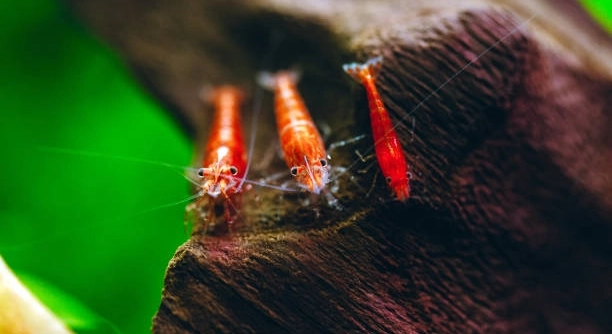
Cherry shrimp are small, vibrant creatures that thrive in planted aquariums. Their natural instinct is to find secure spots to hide, especially when molting or feeling threatened. These hiding spots are essential for their safety and comfort.
Cherry shrimp favor natural hiding spots such as dense plants, mosses, driftwood crevices, and rock formations. These environments provide shelter, reduce stress, and create opportunities for foraging, molting, and social interaction, supporting their overall well-being in the aquarium.
Knowing the best places to place hiding spots can make a significant difference in shrimp behavior and health. Simple adjustments to your tank can create a safer, more engaging environment for them.
Dense Plants
Dense plants are one of the best hiding spots for cherry shrimp. Species like Java moss, Anubias, and hornwort provide thick foliage where shrimp can retreat. These plants mimic natural environments, offering shelter from fish and other tank inhabitants. The fine leaves and branches give small shrimp areas to explore without feeling exposed. Shrimp use these plants to molt safely, reducing stress during vulnerable moments. Planted areas also help maintain water quality by absorbing excess nutrients and providing surfaces for biofilm, which shrimp feed on. A well-planted aquarium allows shrimp to display natural behaviors while keeping them protected. Placement near the back or sides of the tank creates a layered habitat, giving them both hiding and open swimming spaces. Regular trimming ensures the plants stay healthy and do not overcrowd the tank.
Dense plants create shaded areas that give shrimp a sense of safety and security, encouraging healthy activity and feeding habits.
Adding dense plants is an effective way to combine functionality and aesthetics. The plants act as natural barriers while maintaining an attractive aquarium layout. Shrimp will use the plants for climbing, grazing, and resting, creating dynamic movement in the tank. When introducing new shrimp, dense plants reduce stress by offering immediate cover. Plants also support microorganisms that serve as a natural food source. By carefully arranging plant clusters, you can establish small territories for shrimp to explore. The interplay of light and shadow within the foliage makes hiding areas even more appealing. Choosing hardy plants reduces maintenance and keeps the environment stable, preventing sudden changes that could harm shrimp. Proper plant care and tank balance encourage a thriving shrimp population, making the aquarium a healthy and engaging habitat.
Driftwood Crevices
Driftwood provides natural crevices where cherry shrimp can hide and explore.
The unique shapes of driftwood create tunnels and small caves, perfect for shrimp to retreat. Driftwood also encourages biofilm growth, which serves as a supplemental food source. Placing driftwood near plants or rocks increases hiding options and enhances tank aesthetics. Over time, driftwood softens water slightly, mimicking the shrimp’s natural habitat and supporting their health. Selecting pieces with multiple openings allows shrimp to enter and exit freely, reducing stress during molting. Driftwood should be cleaned and soaked before adding it to the tank to prevent unwanted debris or toxins. Combining driftwood with moss or small plants increases the number of hiding spots, offering both protection and feeding areas. Strategic placement encourages exploration while ensuring shrimp always have safe retreats. Driftwood works well in both small and large tanks, providing long-term benefits for shrimp behavior and survival.
Rock Formations
Rock formations offer crevices and overhangs that cherry shrimp use for shelter and exploration. Smooth stones and slate pieces create secure areas while preventing injury. Stacking rocks carefully ensures stable hiding spots without collapsing. These formations also support algae and biofilm growth, which shrimp feed on naturally.
When arranging rocks, it is important to leave enough space for water circulation. Stacked or layered rocks create tunnels and small caves that mimic natural habitats. Shrimp can hide, molt, or forage safely among these formations. Rocks also provide surfaces for beneficial bacteria, helping maintain water quality. Avoid sharp edges to prevent damage to delicate shrimp legs or antennae. Combining rocks with moss or plants increases the complexity of the environment, giving shrimp multiple options for retreat and exploration. Stable rock arrangements reduce the risk of falling pieces, ensuring shrimp safety and promoting natural behavior.
Rocks with varied textures give shrimp more than just hiding spots. They encourage grazing, climbing, and interaction with the environment. By placing smaller stones near larger formations, microhabitats are created, which support shrimp at different life stages. These areas help reduce stress in the tank while adding a natural look. Careful cleaning and soaking prevent unwanted residues or contaminants from harming shrimp. Regular observation ensures that rock stacks remain secure, preventing collapse that could injure the shrimp. With time, the rocks develop biofilm and algae layers that enhance feeding opportunities. This simple addition supports shrimp health, natural instincts, and long-term well-being.
Leaf Litter
Leaf litter provides a soft, natural cover for shrimp to hide and graze on. Indian almond leaves and oak leaves release beneficial tannins that improve water quality and shrimp health.
The decomposing leaves create a microhabitat for microorganisms, which shrimp eat while foraging. Leaf litter also adds shade and texture to the tank, giving shrimp a sense of security. Shrimp will often rest among the leaves or molt underneath them, reducing exposure to predators and stress. Placing a thin layer ensures proper water flow and prevents decay from clouding the tank. Combining leaf litter with moss, rocks, or driftwood increases the number of hiding options. Regularly replacing old leaves maintains cleanliness and nutrient balance, supporting both shrimp health and tank stability. Leaf litter is a simple, natural way to enrich the tank while offering protection and feeding opportunities.
Moss Walls
Moss walls create vertical hiding areas that cherry shrimp love. They provide surfaces for biofilm growth and grazing, while giving shrimp shaded, secure spaces. Moss walls can be attached to rocks, driftwood, or tank walls, increasing the number of accessible retreats.
Moss walls also support shrimp during molting by offering dense coverage. They maintain water quality by trapping debris and providing extra surfaces for beneficial bacteria. Regular trimming keeps the moss healthy and prevents overgrowth, ensuring shrimp can move freely. Moss walls add texture and complexity to the tank while being low-maintenance.
PVC Tubes
PVC tubes serve as simple shelters and tunnels for shrimp. They are easy to clean, customizable, and can be arranged in multiple configurations to suit tank layouts.
Floating Plants
Floating plants like duckweed and water lettuce create shaded areas on the water surface. Shrimp use these plants to hide from light and explore below, benefiting from additional cover and security.
Bamboo Huts
Bamboo huts offer a natural, enclosed hiding space. Their hollow structure gives shrimp a secure retreat, supporting stress reduction and natural behavior within the tank.
FAQ
What types of plants are best for cherry shrimp hiding spots?
Dense plants like Java moss, Anubias, and hornwort are ideal. They provide thick foliage for shrimp to explore and hide. Mosses are especially useful for baby shrimp, offering small, safe areas. Anubias and hornwort create shaded retreats while supporting biofilm growth, a natural food source.
How should driftwood be prepared before adding it to the tank?
Driftwood should be thoroughly cleaned and soaked for several days. This removes debris, tannins, and potential contaminants. Soaking also helps it sink, preventing floating issues. Some driftwood may slightly soften water over time, which benefits shrimp. Choosing pieces with multiple crevices ensures ample hiding spots.
Are rocks safe for shrimp?
Smooth rocks and slate are best. Avoid sharp edges that can injure delicate shrimp legs or antennae. Stack rocks securely to prevent collapses, and combine them with moss or plants for added cover. Rocks also promote biofilm growth, offering natural feeding surfaces.
Do leaf litter and bamboo huts affect water quality?
Properly managed leaf litter releases beneficial tannins while decomposing slowly. Indian almond or oak leaves are preferred. Bamboo huts do not significantly impact water chemistry but provide enclosed retreats that reduce stress. Both options enhance natural behavior and grazing opportunities.
How often should moss walls be maintained?
Trimming moss walls every few weeks keeps them healthy and prevents overgrowth. Overgrown moss can block water flow and limit shrimp movement. Regular maintenance encourages biofilm development while ensuring accessible hiding spots throughout the tank.
Can floating plants help with shrimp molting?
Yes. Floating plants provide shaded areas that reduce light stress, allowing shrimp to molt safely beneath them. Plants like duckweed or water lettuce offer gentle cover and create microhabitats where shrimp can feel secure during vulnerable moments.
Is it necessary to combine multiple hiding spots?
Combining dense plants, driftwood, rocks, leaf litter, and artificial structures maximizes shrimp safety and comfort. Multiple hiding spots reduce stress, encourage natural foraging, and give shrimp space to establish microterritories. Diversity also prevents overcrowding in any single area.
How can hiding spots impact shrimp breeding?
Hiding spots encourage safe molting, reduce stress, and provide secure areas for females with eggs. Dense plant clusters, moss walls, and crevices increase survival rates of juveniles. Properly arranged hiding spots can create stable conditions that support healthy shrimp populations.
Do artificial decorations work as well as natural options?
Yes, but natural materials generally provide additional benefits like biofilm growth and tannin release. PVC tubes, bamboo huts, and ceramic caves are effective for shelter, but combining them with plants and wood creates a more balanced environment.
What is the easiest way to monitor shrimp in a heavily planted tank?
Observing shrimp during feeding and near hiding spots helps track activity and health. Using clear containers or temporary openings in moss walls and driftwood arrangements allows monitoring without disturbing their environment. Regular observation ensures shrimp are molting, feeding, and reproducing properly.
Can hiding spots prevent aggression from tank mates?
Yes. Providing ample retreats reduces encounters with more aggressive fish. Shrimp can escape to dense plants, moss walls, or tubes when threatened. Proper hiding spots create a stress-free environment, lowering mortality and improving overall shrimp behavior.
Do all shrimp use hiding spots the same way?
No. Different life stages and personalities influence behavior. Baby shrimp prefer dense moss and leaf litter, while adults explore rocks, driftwood, and larger plant clusters. Observing shrimp activity helps identify which spots are favored and which need adjustment.
How many hiding spots are enough for a small tank?
Even a small tank benefits from multiple hiding areas. A combination of moss, driftwood, rocks, and a few leaf litter pieces creates adequate shelter. Ensuring at least one retreat per shrimp reduces stress and supports healthy activity and growth.
Do hiding spots need to be changed frequently?
Not necessarily. Long-term structures like rocks, driftwood, and planted areas remain effective. Minor adjustments, like repositioning moss or adding fresh leaf litter, refresh the environment and maintain biofilm growth. Consistency supports shrimp comfort while offering subtle variety.
Can hiding spots improve water quality indirectly?
Yes. Plants and mosses filter water, driftwood releases beneficial tannins, and leaf litter supports microorganisms that contribute to nutrient cycling. Healthy hiding spots create a balanced micro-ecosystem, indirectly supporting cleaner, more stable tank conditions for shrimp.
What is the best combination of hiding spots for beginner shrimp keepers?
A simple mix of dense plants, moss walls, a piece of driftwood, and a small rock formation covers most needs. Adding a leaf litter layer or bamboo hut enhances protection. This combination is easy to maintain and encourages natural behavior while minimizing stress.
How do I know if shrimp are using the hiding spots?
Observe shrimp activity during molting and feeding times. Frequent visits to plants, moss, or crevices indicate they feel safe. Juveniles often remain in moss or leaf litter, while adults explore larger structures. Shrimp using hiding spots consistently show healthy behavior patterns and reduced stress.
Are hiding spots necessary for every shrimp species?
While most freshwater shrimp benefit from shelters, cherry shrimp are particularly small and vulnerable, making hiding spots essential. Other species may tolerate open areas better, but providing multiple retreats supports safety, reduces stress, and encourages natural behaviors for all shrimp types.
Can hiding spots affect shrimp feeding behavior?
Yes. Hiding spots encourage foraging by creating small zones where biofilm, algae, and microorganisms develop. Shrimp will graze on these surfaces safely. Multiple retreats allow shrimp to feed undisturbed while remaining protected, supporting growth and overall health.
Do hiding spots need light?
Plants within hiding spots require light for photosynthesis, but shaded areas are important for shrimp comfort. Balancing illuminated and shaded areas allows shrimp to forage while retreating to darker zones when stressed or molting. Adequate lighting supports plant growth and biofilm development.
Is there a risk of overcrowding hiding spots?
Yes, too many dense areas can restrict water flow and movement. Shrimp may become trapped or stressed in poorly arranged clusters. Maintaining accessible spaces between plants, rocks, and moss ensures safe navigation and proper circulation, keeping the environment functional and healthy.
How can I make hiding spots last longer?
Regular cleaning, trimming, and occasional replacement of decaying leaves or moss help maintain effectiveness. Avoid overcrowding and secure structures to prevent collapse. Using durable driftwood, smooth rocks, and hardy plants ensures that hiding spots remain safe and supportive for shrimp over time.
Do hiding spots influence shrimp coloration?
Indirectly. Reduced stress from adequate hiding spots supports overall health, which can enhance natural coloration. Biofilm-rich surfaces and shaded areas contribute to feeding and comfort, helping shrimp display brighter, more vibrant colors naturally.
Are hiding spots useful in breeding tanks?
Absolutely. They provide safe areas for females with eggs, protect juveniles, and reduce stress from tank mates. Dense plants, moss, leaf litter, and small crevices create secure microhabitats that improve survival rates and promote successful reproduction.
Can hiding spots help during water changes?
Yes. Shrimp retreating to familiar hiding spots during disturbances experience less stress. Stable areas provide security while water is being replaced or filtered, minimizing the risk of injury or shock. Maintaining consistent structures supports shrimp comfort during routine maintenance.
How do I balance aesthetics with hiding spots?
Strategically arranging plants, rocks, and driftwood can create natural-looking layouts while providing necessary retreats. Combining live plants with decorative items like bamboo huts or tubes offers visual appeal without compromising shrimp safety. Layering materials creates depth and keeps the aquarium both functional and attractive.
Can hiding spots be temporary or movable?
Yes. Items like PVC tubes, leaf litter, or small moss bundles can be repositioned to test shrimp preferences or refresh the environment. Temporary structures allow observation of behavior and adjustment of the tank layout to optimize hiding opportunities and feeding zones.
Are there any plants or materials to avoid as hiding spots?
Avoid toxic plants, sharp-edged rocks, or treated wood. Some fast-decaying plants can foul water if not replaced. Ensure driftwood is aquarium-safe, and any artificial decorations are non-toxic. Safe materials provide shelter while maintaining stable water conditions and healthy shrimp.
Do hiding spots reduce stress in mixed-species tanks?
Yes. Multiple retreats allow shrimp to escape more aggressive fish or territorial species. Strategic placement of plants, moss, and structures ensures that shrimp have consistent safe zones, reducing stress and increasing survival in diverse tank setups.
How often should leaf litter be replaced?
Replace leaf litter every few weeks, or when it becomes heavily decomposed. Fresh leaves maintain water quality, prevent excessive decay, and continue providing food sources through biofilm and microorganisms. Proper replacement supports healthy, stress-free hiding environments for shrimp.
Do hiding spots affect shrimp activity levels?
Yes. Adequate hiding spots encourage exploration, foraging, and climbing while reducing stress-related inactivity. Shrimp feel secure enough to move freely and engage in natural behaviors, which contributes to their overall health, growth, and vibrant coloration.
Can hiding spots help prevent predation?
Absolutely. Dense plants, moss walls, rock crevices, and leaf litter offer secure retreats, allowing shrimp to escape potential threats. Properly placed hiding spots reduce the risk of injury or death and support a thriving shrimp population in mixed-species tanks.
How do I monitor if hiding spots are effective?
Regular observation of shrimp during feeding, molting, and active periods indicates effectiveness. Frequent use of plants, rocks, or moss shows that they feel secure. Adjustments can be made if shrimp avoid certain areas or seem stressed, ensuring optimal safety and comfort.
Can hiding spots support shrimp health long-term?
Yes. Consistent access to shelters reduces stress, supports natural behaviors, encourages foraging, and protects molting shrimp. Healthy hiding spots contribute to longevity, vibrant coloration, and successful breeding, creating a stable, enriched environment for long-term well-being.
How much space should each shrimp have for hiding?
Even small shrimp need access to multiple hiding areas. Aim for at least one retreat per individual, distributed across plants, rocks, and moss walls. Adequate spacing prevents overcrowding, reduces stress, and ensures free movement while maintaining accessible shelters.
Can moss walls be combined with rocks or driftwood?
Yes. Attaching moss walls to rocks or driftwood increases available surface area for biofilm growth and climbing. This combination provides both vertical and horizontal retreats, enhancing safety, feeding options, and environmental complexity.
Are hiding spots necessary in heavily planted tanks?
Even heavily planted tanks benefit from additional shelters. Driftwood, rocks, and leaf litter complement dense plants by adding layers, tunnels, and vertical retreats. Extra hiding spots reduce stress and allow more natural behavior, improving shrimp survival and health.
Do hiding spots help during tank cycling?
Yes. Newly introduced shrimp can use hiding spots for safety while water parameters stabilize. Plants, moss, and driftwood provide secure retreats, helping shrimp adjust to their new environment without stress or exposure to unfavorable conditions.
Can hiding spots influence shrimp social behavior?
Yes. Multiple retreats allow shrimp to establish territories and reduce conflicts. Safe spaces encourage exploration, foraging, and interaction while minimizing stress from competition. Properly distributed hiding spots promote natural social patterns and overall well-being in the tank.
How do I clean moss walls and driftwood without disturbing shrimp?
Rinse lightly in tank water or remove small portions for cleaning. Avoid harsh chemicals or hot water. Gentle trimming and occasional biofilm removal keep structures healthy while minimizing disruption to shrimp activity and hiding behaviors.
Do artificial hiding spots need biofilm to be effective?
Yes. Shrimp use artificial shelters not only for protection but also for grazing. Biofilm development on tubes, huts, or ceramic caves enhances feeding opportunities and encourages natural foraging behavior. Providing both structure and biofilm ensures effectiveness.
Can hiding spots prevent molting problems?
Adequate shelters reduce stress and provide safe spaces for molting, lowering the risk of injury or incomplete molts. Dense plants, moss walls, and crevices give shrimp privacy and protection during these vulnerable periods, promoting successful molting and health.
Are there seasonal considerations for hiding spots?
Shrimp may use shaded or enclosed areas more during intense lighting or temperature changes. Maintaining consistent hiding structures helps reduce stress caused by seasonal variations, ensuring that shrimp always have secure retreats regardless of environmental shifts.
Do hiding spots need to be anchored?
Yes, especially rocks, moss walls, and driftwood. Anchoring prevents shifts that could injure shrimp or collapse structures. Secure placement ensures long-term stability while allowing shrimp to explore safely without risk of disturbance.
Can hiding spots improve shrimp color vibrancy?
Indirectly. Reduced stress from effective hiding spots supports natural feeding, molting, and overall health. Healthy shrimp display brighter coloration, and well-placed shelters allow shrimp to thrive in a safe, comfortable environment.
Is it better to have multiple small hiding spots or a few large ones?
A mix works best. Multiple small retreats accommodate juveniles, while larger shelters serve adults and molting shrimp. Combining both provides flexibility, encourages natural behaviors, and ensures all shrimp have access to safe areas.
How do I prevent hiding spots from becoming too dark or stagnant?
Ensure adequate water flow around moss, rocks, and driftwood. Trim overgrown plants and moss regularly. Proper circulation prevents stagnation, supports biofilm growth, and maintains a healthy environment for shrimp.
Do hiding spots affect shrimp feeding order or hierarchy?
Yes. Secure retreats allow less dominant shrimp to access food without confrontation. Providing multiple shelters ensures equitable access to feeding areas and reduces competition, supporting a healthier and more balanced tank environment.
Can hiding spots help with disease prevention?
Indirectly. Reducing stress through secure shelters supports immune function. Healthy shrimp are less susceptible to infections, and clean, well-maintained hiding spots prevent buildup of harmful bacteria or debris that could contribute to illness.
Are there any signs that hiding spots are insufficient?
Shrimp hiding constantly, not feeding, or appearing stressed indicates inadequate shelter. Overcrowding or limited retreats may force shrimp into exposed areas. Adding more hiding spots or rearranging the tank can alleviate stress and improve overall behavior.
How do I choose hiding spots for shrimp in a nano tank?
Focus on small, compact structures like moss walls, leaf litter, and PVC tubes. Ensure enough retreats for each shrimp while leaving open swimming areas. Space-saving arrangements maintain safety and accessibility in limited tank sizes.
Do hiding spots affect shrimp lifespan?
Yes. Consistent access to safe retreats reduces stress, supports proper molting, and encourages natural feeding. A well-structured environment with multiple hiding spots contributes to longer, healthier lives for cherry shrimp.
Can hiding spots be shared between multiple shrimp species?
Yes, as long as the species are compatible. Dense plants, rocks, and driftwood offer shared retreats while maintaining individual microhabitats. Proper arrangement minimizes competition and stress, supporting coexistence and natural behaviors.
Do hiding spots need to be replenished over time?
Yes. Moss, leaf litter, and some plant growth should be trimmed or replaced periodically. This maintains structural integrity, biofilm availability, and a healthy environment for shrimp, ensuring retreats remain effective.
Can hiding spots help during water parameter fluctuations?
Yes. Shelters give shrimp secure areas to retreat when conditions change slightly, reducing stress and preventing injury. Plants, moss walls, and driftwood provide temporary refuge during minor fluctuations.
Are hiding spots necessary for ornamental shrimp tanks?
Even in visually-focused tanks, hiding spots are essential. They protect shrimp, encourage natural behavior, and support health. Combining functional and aesthetic elements ensures both beauty and safety.
Do hiding spots help reduce shrimp mortality after introduction?
Absolutely. Newly added shrimp feel more secure with immediate access to shelters. Dense plants, moss, driftwood, and rocks reduce stress, prevent predation from tank mates, and improve survival during acclimation periods.
Can hiding spots be used to separate molting or sick shrimp temporarily?
Yes. Portable shelters like PVC tubes or small moss bundles can isolate vulnerable shrimp. This prevents stress or aggression from other inhabitants, allowing recovery or safe molting.
How do I balance hiding spots with open swimming space?
Arrange retreats along tank edges, back, and corners. Maintain clear areas in the center or front for swimming and feeding. This balance supports natural behavior while providing secure options.
Do hiding spots influence shrimp breeding frequency?
Yes. Safe retreats reduce stress, improve molting success, and provide secure areas for females with eggs. A well-structured environment encourages healthy reproduction and supports juvenile survival.
Can hiding spots help prevent shrimp from hiding too much?
Providing multiple, varied hiding areas allows shrimp to feel secure but still explore. Properly balanced shelters reduce excessive hiding, encouraging natural foraging and activity while maintaining safety.
Are there any maintenance tips for long-term hiding spot effectiveness?
Regular inspection, trimming, and cleaning ensure structures remain safe. Replace decaying leaves, reposition moss, and stabilize rocks or driftwood. Consistent upkeep maintains retreat functionality, biofilm availability, and shrimp safety over time.
Do hiding spots require specific lighting conditions?
Plants in hiding spots need moderate light for growth, but shaded areas are essential for shrimp comfort. Balancing light and shade supports plant health, biofilm growth, and stress reduction for shrimp.
Can hiding spots improve overall tank stability?
Yes. Plants, moss, driftwood, and rocks contribute to nutrient cycling, biofilm development, and water filtration. Well-placed shelters enhance both shrimp health and environmental stability.
Are there signs of overuse or underuse of hiding spots?
Overuse: shrimp stay hidden excessively, avoid feeding, or crowd small retreats. Underuse: exposed shrimp, stress signs, or avoidance of planted areas. Adjust placement, density, or types of hiding spots to match shrimp needs.
Can hiding spots be combined with feeding stations?
Yes. Placing feeding spots near or inside shelters encourages shrimp to forage safely. This reduces stress during feeding and supports healthy growth, particularly for juveniles and shy individuals.
Do hiding spots affect shrimp interaction with tank mates?
Yes. Shelters reduce conflict by providing escape routes. Proper placement allows shrimp to coexist with fish or other invertebrates without stress, supporting balanced social interactions.
Are there cost-effective hiding spot options?
Yes. Leaf litter, moss bundles, driftwood scraps, and PVC tubes are affordable. Combining these with minimal plant additions creates effective shelters without expensive decorations, maintaining shrimp safety and comfort.
Do hiding spots influence shrimp behavior during nighttime?
Yes. Sheltered areas give shrimp security in low light. They may rest or forage under moss, plants, or driftwood. Properly arranged retreats ensure safe nocturnal activity without exposure to stress or predators.
Can hiding spots reduce aggression among shrimp?
Yes. Multiple retreats allow shrimp to avoid confrontations and establish territories. Dense plants, moss walls, and small crevices reduce stress and competition, supporting harmonious social behavior in the tank.
**How can I observe
Cherry shrimp are small but sensitive creatures that thrive when their environment meets their natural needs. Providing hiding spots is not just an aesthetic choice—it directly influences their health, behavior, and overall well-being. From dense plants to moss walls, driftwood, rock formations, leaf litter, floating plants, and bamboo huts, each hiding spot plays a specific role in creating a safe and comfortable habitat. Shrimp rely on these areas to molt safely, escape stress, and forage effectively. Without adequate shelters, shrimp can experience unnecessary stress, which affects their growth, reproduction, and even coloration. Properly arranged hiding spots ensure that shrimp can exhibit natural behaviors while minimizing exposure to potential threats from tank mates or environmental changes.
Maintaining hiding spots requires attention and care, but the effort pays off with a thriving shrimp population. Plants and moss need occasional trimming to prevent overgrowth and maintain accessibility. Driftwood, rocks, and bamboo structures should be checked for stability to avoid collapsing and harming shrimp. Leaf litter should be refreshed periodically to prevent excessive decay and maintain water quality. Even artificial shelters, such as PVC tubes, benefit from gentle cleaning and observation to ensure they remain safe. Combining multiple types of hiding spots creates a balanced environment where shrimp of all sizes can find suitable retreats. Juveniles may prefer moss and leaf litter, while adults often explore rocks, driftwood, or larger plant clusters. Providing a variety of options allows shrimp to interact with their environment comfortably, promoting activity, foraging, and social behavior.
Hiding spots also indirectly contribute to a healthier tank ecosystem. Plants, moss, and driftwood support biofilm growth and beneficial bacteria, which serve as food sources for shrimp and improve water quality. Tannins released by certain woods and leaves can stabilize pH and soften water slightly, creating conditions closer to the shrimp’s natural habitat. Strategic placement of hiding spots ensures there is enough open swimming space while offering security and shade where needed. This balance supports overall shrimp activity and reduces stress levels. In the long term, well-planned hiding areas enhance breeding success and improve survival rates for juvenile shrimp. By considering both functionality and aesthetics, shrimp keepers can create a visually appealing tank that also meets the practical needs of their shrimp. A thoughtful approach to hiding spots ensures a comfortable, safe, and enriching environment, ultimately helping shrimp to thrive and display their natural behaviors fully.

Hello,
If you enjoy the content that we create, please consider saying a "Thank You!" by leaving a tip.
Every little bit helps us continue crafting quality advice that supports the health, happiness, and well-being of pets around the world, for pets of all shapes, sizes, and species.
We really appreciate the kindness and support that you show us!