
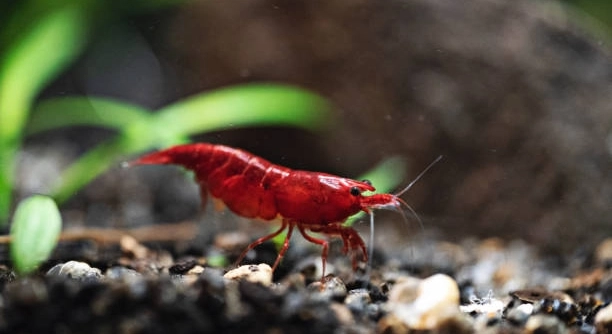
Shrimp are small creatures that live mostly in water, but sometimes they move in ways that surprise people. These movements are not always easy to understand, yet they reveal interesting behavior about these tiny animals.
Shrimp sometimes climb unusual surfaces such as rocks, plants, and even aquarium walls. This behavior occurs due to their search for food, exploration of territory, or escape from predators. Observations show that climbing is a natural, occasional activity for various shrimp species.
Learning why shrimp climb can give insight into their habits and environment. Observing these behaviors helps us better understand their survival and lifestyle patterns.
Climbing Rocks and Hard Surfaces
Shrimp often climb rocks and other hard surfaces in their tanks or natural habitats. They do this to explore and find new areas to feed or hide. The texture of the rocks gives them a place to grip with their small legs and claws. Some species are more agile than others, using climbing as a way to escape danger or avoid stronger shrimp nearby. Rocks also provide surfaces where algae and small organisms grow, which shrimp can feed on. In aquariums, shrimp will sometimes climb glass or decorations, attempting to reach the water surface or simply to investigate changes in their environment. This behavior shows how adaptive and curious shrimp can be. Even if it seems strange, climbing is a natural way for them to interact with their surroundings and satisfy their instincts. Observing these moments can reveal surprising intelligence in a creature so small and often overlooked.
Climbing helps shrimp access food and shelter that may otherwise be out of reach, supporting their survival instincts effectively.
Shrimp use climbing not only for feeding but also to escape stress. In tanks, high activity can indicate good health, while avoidance of climbing may signal problems. Understanding these patterns helps maintain proper care for shrimp, ensuring their environment meets their natural behaviors and needs.
Exploring Plants and Leaves
Shrimp often climb plants to find food or a resting spot. They enjoy the texture of leaves and stems and use them to reach other areas of the tank.
Plants in the aquarium provide hiding spaces, grazing surfaces, and a safe place for molting. Shrimp climb leaves to access algae or biofilm that grows on surfaces, which is an essential part of their diet. Climbing helps shrimp avoid predators by giving them a higher vantage point and an escape route. The interaction with plants also supports natural exercise, keeping their legs and antennae active. Observing shrimp among plants can reveal subtle social interactions, as some species may assert dominance or mark territory while climbing. In addition, shrimp sometimes use plant surfaces to clean themselves, rubbing their bodies against leaves to remove debris or parasites. These behaviors highlight their ability to adapt and take advantage of available structures. Maintaining a variety of plants in aquariums encourages this climbing and keeps shrimp engaged, healthy, and active over time.
Climbing Aquarium Walls
Shrimp sometimes climb the glass walls of their tanks to explore and search for food. This behavior is natural and shows their curiosity, especially when surfaces are clean and smooth but still climbable.
Climbing walls allows shrimp to access areas near the water surface where small particles and microorganisms gather. Their tiny legs and claws help them grip even smooth glass, giving them a way to navigate vertical spaces. This activity also provides mental stimulation, which is important for their overall health. Observing shrimp on walls can reveal differences between species, as some are more adventurous and active climbers. It also helps identify signs of stress or boredom if they attempt climbing frequently.
Wall climbing can be part of normal exercise and environmental exploration. Shrimp use this activity to interact with their surroundings, avoid conflicts with tankmates, and find new feeding spots. Regular observation ensures that climbing does not lead to injuries or escape attempts.
Climbing Driftwood and Decorations
Shrimp climb driftwood and aquarium decorations to find food, explore surfaces, and hide. These objects create vertical space and new textures for them to interact with.
Driftwood provides shrimp with surfaces to graze on biofilm and algae, which are critical for their diet. Climbing decorations also gives shrimp a place to rest and molt safely. Their movement along irregular surfaces helps maintain physical health and keeps their legs and antennae active. Driftwood releases natural compounds into the water, which can enhance the habitat and promote healthy behavior, including climbing. Decorations mimic natural environments, encouraging shrimp to display instincts such as searching for food, avoiding threats, and interacting with others. Watching shrimp navigate these objects demonstrates their problem-solving skills and adaptability.
Providing driftwood and decorations increases shrimp activity and overall well-being. It encourages exploration, social behavior, and natural grazing habits, ensuring a dynamic environment that supports both physical and mental health. Climbing also helps them manage stress and maintain their natural rhythms.
Climbing Moss and Algae
Shrimp often climb moss and algae to feed on the microorganisms that grow there. This behavior is common and helps maintain their diet naturally.
Moss provides a soft surface for shrimp to cling to while grazing. Climbing through algae also encourages movement, supporting physical health and keeping shrimp active throughout the tank environment.
Climbing Tank Equipment
Shrimp sometimes climb filters, heaters, or other tank equipment. These surfaces provide vertical space and new textures for exploration, allowing shrimp to access areas they normally would not reach.
Climbing Near the Water Surface
Shrimp occasionally climb toward the water surface to find floating food particles or oxygen-rich areas. This movement is part of their natural behavior and helps them stay active and healthy in their environment.
FAQ
Why do shrimp climb so often?
Shrimp climb for several reasons, mainly to find food, explore their environment, and escape potential threats. Climbing gives them access to areas they cannot reach while staying on the bottom. In tanks, it can also be a way to interact with surfaces like plants, moss, and decorations. This behavior shows their natural curiosity and helps them maintain physical activity. Some species are more active climbers than others, but overall, climbing is a normal and healthy behavior that reflects their instincts and environmental needs.
Can climbing be harmful to shrimp?
Climbing itself is rarely harmful, but it can become risky if the tank is overcrowded or has unsafe surfaces. Sharp decorations or gaps between objects may cause injury if a shrimp slips or falls. Observing their climbing habits helps ensure that their environment is safe. Smooth surfaces and secure decorations reduce the risk of accidents. In addition, maintaining clean water and stable temperatures prevents stress, which can increase risky climbing attempts. Monitoring shrimp while they climb ensures that the activity remains safe and beneficial.
Do shrimp climb more in certain conditions?
Shrimp tend to climb more when searching for food or hiding spots. In a tank with limited hiding spaces or vertical structures, climbing activity can increase as they explore. Water flow, temperature, and oxygen levels also influence climbing behavior. Higher oxygen near the surface can attract them upward, while slow currents allow easier climbing. Providing plants, moss, and driftwood can balance activity and reduce stress, giving shrimp natural opportunities to climb while maintaining safety and comfort. Environmental enrichment encourages healthy climbing habits.
Will climbing indicate stress or illness?
Excessive climbing may signal stress or discomfort, especially if shrimp repeatedly try to leave the substrate or explore unusual areas. Illness or poor water quality can make them seek higher oxygen or escape points. Normal climbing should appear purposeful and calm. Abrupt, frantic movements or attempts to climb out of the tank can indicate a problem that needs attention. Testing water quality, checking for disease, and ensuring proper food availability can help identify and correct issues that lead to abnormal climbing behavior.
How can I encourage safe climbing?
Adding plants, moss, driftwood, and smooth decorations encourages shrimp to climb naturally. Vertical spaces with textures similar to natural habitats allow shrimp to explore safely. Avoid sharp edges or loose objects that could cause injury. Regularly maintaining water quality, temperature, and oxygen levels ensures a comfortable environment. Safe climbing promotes exercise, grazing, and social interaction. Observing their movement patterns helps adjust tank setup, providing enrichment while minimizing risks.
Do all shrimp species climb?
Not all species climb equally. Some shrimp are more active and agile climbers, while others prefer to stay near the bottom. Caridina and Neocaridina species are known for climbing plants and moss, while larger or more sedentary species may climb less frequently. Understanding species-specific behavior helps set realistic expectations for tank activity. Providing opportunities to climb suits their natural tendencies, allowing even less active species to benefit from vertical exploration and environmental enrichment.
Is climbing important for shrimp health?
Yes, climbing contributes to both physical and mental health. It allows exercise, prevents boredom, and helps shrimp reach food sources naturally. Interaction with different surfaces can also support molting and shell health. Climbing helps mimic natural behavior patterns, supporting longevity and overall well-being. Observing climbing habits provides insight into shrimp activity, stress levels, and environmental satisfaction, making it an essential aspect of proper shrimp care.
Final Thoughts
Shrimp are small, fascinating creatures whose behavior can surprise even experienced keepers. Their climbing habits, though unusual at first, are a normal part of how they explore, feed, and interact with their surroundings. Whether they are climbing rocks, plants, or aquarium walls, these movements reflect their natural instincts and curiosity. Observing shrimp climb gives insight into their daily lives and how they respond to changes in their environment. In tanks, climbing behavior often indicates that shrimp are healthy, active, and comfortable in their space. It also highlights their ability to adapt to different surfaces and structures, showing a level of intelligence and problem-solving that is easy to overlook because of their small size.
Climbing provides shrimp with physical exercise that is essential for their health. Moving vertically engages different muscles and helps them maintain strength and agility. It also allows shrimp to reach food sources, such as algae or biofilm, which grow on elevated surfaces. Vertical exploration is particularly important in aquariums because it increases their access to varied microhabitats, reduces competition for space on the substrate, and gives them places to hide from more aggressive tankmates. Without opportunities to climb, shrimp may become less active or more stressed, which can impact their molting process, feeding habits, and overall well-being. By creating an environment that includes plants, moss, driftwood, and smooth decorations, caretakers can encourage climbing behavior while ensuring it remains safe and natural.
Understanding shrimp behavior, including their climbing tendencies, helps in providing better care. Each shrimp species has its own preferences, and some will climb more frequently than others. Paying attention to these patterns allows for adjustments in tank design, such as adding more vertical structures or rearranging existing decorations. Climbing is not just a form of exploration—it is a critical part of their interaction with the environment, exercise, and stress management. Observing shrimp as they climb and move across surfaces can be rewarding, offering a glimpse into their habits and personalities. Supporting these behaviors contributes to healthier, more active shrimp and creates a more dynamic and natural aquarium environment overall.

Hello,
If you enjoy the content that we create, please consider saying a "Thank You!" by leaving a tip.
Every little bit helps us continue crafting quality advice that supports the health, happiness, and well-being of pets around the world, for pets of all shapes, sizes, and species.
We really appreciate the kindness and support that you show us!