
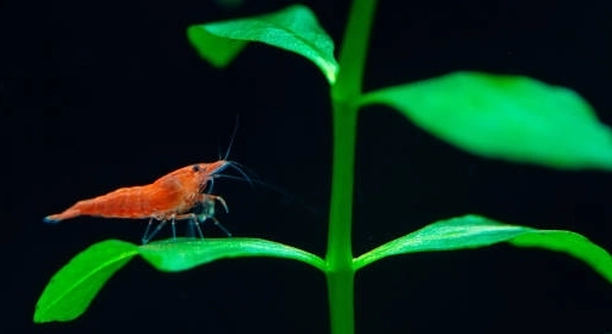
Cherry shrimp are delicate creatures that thrive in well-maintained environments. Observing their behavior can reveal patterns linked to feeding times, light cycles, and general tank activity. These small shrimp are surprisingly attentive to consistent routines in their habitat.
Cherry shrimp can indeed respond to a tank routine. Consistent feeding schedules, lighting patterns, and minimal disturbances allow shrimp to anticipate events. Over time, they exhibit predictable behaviors such as gathering near feeding areas and adjusting activity levels according to the established routine.
Maintaining a regular routine can improve shrimp health and make their behavior easier to understand. Observing their patterns offers valuable insights for any aquarist.
How Tank Routine Affects Cherry Shrimp Behavior
Cherry shrimp are highly sensitive to their surroundings, and consistent tank routines can have a noticeable impact on their behavior. Regular feeding times help them anticipate food, which often leads to active gatherings near the feeding area. Stable lighting schedules also influence their movement, as shrimp tend to be more active when lights are on and retreat when it’s dark. Sudden changes, such as shifting decorations or altering water conditions abruptly, can cause stress, making them hide or reduce activity. Over time, predictable routines allow shrimp to feel secure, encouraging natural behaviors like grazing on biofilm or interacting with tank mates. Even minor changes, like the time of feeding, can affect their daily patterns. Maintaining a calm, predictable environment helps them remain healthy and visible, giving you a better understanding of their habits. Observing how they respond to consistent care is both informative and rewarding for any keeper.
Consistency in care allows shrimp to display more natural, predictable behaviors. Routine helps reduce stress and supports overall health.
Tracking behavior changes provides insight into shrimp well-being. Understanding their reactions to routines improves tank management and care efficiency.
Signs Your Shrimp Have Adjusted to the Routine
Shrimp begin to show recognizable patterns after consistent care. They may move toward feeding areas at expected times and react less to minor disturbances in the tank.
Once shrimp adapt, their activity aligns with established light and feeding schedules. You may notice they explore decorations or graze on surfaces more confidently. Hiding becomes less frequent, and interactions with other shrimp increase. Observing these patterns over several weeks confirms their adaptation. Stress indicators, like clinging to corners or erratic swimming, typically decrease. Maintaining consistent water parameters and avoiding sudden changes are crucial for these positive behaviors. Patience is key, as shrimp may take multiple weeks to fully adjust. Recording their activity can help identify subtle shifts in routine responses. Over time, these observations allow for optimized care, feeding, and maintenance schedules tailored to their behavior. Recognizing adaptation ensures a healthier, more stable tank environment, fostering longevity and active, visible shrimp.
Adjusting Your Tank Routine
Small adjustments in feeding or lighting schedules can make a big difference in shrimp behavior. Gradually changing the routine allows shrimp to adapt without stress, keeping them active and healthy. Consistency is key, but minor tweaks can improve overall well-being.
Gradual changes help shrimp respond positively to new routines. Sudden shifts in feeding times or light cycles can stress them, causing hiding or decreased activity. Introducing changes slowly allows them to adjust naturally. Monitoring behavior during this period ensures they remain healthy. Observing when they gather for food, explore the tank, or retreat provides clear signs of adaptation. Patience is essential, as overreacting to minor stress can worsen the situation. Adjusting one variable at a time is the safest approach.
Adjusting tank conditions also includes monitoring water quality. Consistent temperatures, stable pH, and clean water support routine adaptation. If any parameter fluctuates dramatically, shrimp may revert to stress behaviors. Maintaining a balanced environment alongside gradual routine changes ensures a smooth transition. Observing shrimp reactions to each adjustment can guide future care strategies.
Feeding and Light Schedules
Regular feeding times and predictable lighting have a direct impact on shrimp behavior and overall tank harmony. Predictable conditions support activity and comfort.
Shrimp rely on routine to coordinate feeding and resting periods. Consistent light schedules encourage normal activity cycles, while regular feeding ensures they know when to gather and graze. Irregular timing can cause confusion or stress. Adjusting feeding amounts to match shrimp population prevents leftovers, which can degrade water quality. Light duration should reflect natural day-night cycles, avoiding prolonged exposure that may disturb their behavior. Observation is key; noting shrimp response to feeding and light adjustments helps optimize their routine. Maintaining a stable schedule supports health, activity, and visible behaviors over time.
Recognizing Stress Signals
Shrimp may show stress through hiding, clinging to surfaces, or reduced movement. These behaviors often indicate changes in the tank or irregular routines.
Other signs include erratic swimming or staying near the bottom. Noticing these early allows for quick adjustments to feeding, lighting, or water conditions.
Importance of Consistent Water Parameters
Stable water conditions are essential for shrimp health. Temperature, pH, and ammonia levels directly influence activity, feeding behavior, and overall well-being. Sudden shifts can trigger stress responses, making them less active and more prone to hiding. Regular testing and adjustments ensure shrimp can adapt smoothly to daily routines. Monitoring water parameters alongside feeding and lighting schedules reinforces a secure, predictable environment. Observing shrimp behavior in relation to these factors helps identify subtle problems before they become serious. Maintaining clean, stable conditions reduces mortality risks and supports natural behaviors, ensuring the shrimp remain healthy and active in their tank.
Impact of Tank Decorations
Decorations provide hiding spaces, influence movement, and affect shrimp comfort. Choosing the right arrangement supports routine and reduces stress.
FAQ
Can cherry shrimp recognize feeding times?
Yes, cherry shrimp can recognize feeding times when the schedule is consistent. They start to anticipate food and often gather near the feeding area. Over time, this behavior becomes more predictable, reflecting their ability to adapt to repeated routines. Regular feeding also supports overall health and activity levels.
How long does it take for shrimp to adjust to a new routine?
Adjustment varies depending on the individual shrimp and the magnitude of changes. Minor adjustments, like shifting feeding by 30 minutes, may take a few days. Larger changes, such as altering light cycles or major water parameter shifts, may require two to three weeks for shrimp to fully adapt and show stable behavior.
Do shrimp get stressed if the routine changes suddenly?
Yes, sudden changes in feeding, lighting, or water conditions can stress cherry shrimp. Stress may appear as hiding, reduced movement, or clinging to surfaces. Gradual changes help minimize stress, allowing shrimp to adjust naturally without affecting overall health or activity.
Can shrimp learn to respond to signals other than feeding times?
Cherry shrimp primarily respond to environmental cues, including light and water movement. While they may not “learn” signals in the way larger animals do, repeated patterns such as vibrations from feeding tools or approaching hands can trigger anticipatory behavior. Consistency in these cues reinforces predictable activity.
Is it necessary to maintain a strict light schedule?
Maintaining a consistent light schedule is important. Light influences shrimp activity cycles, feeding behavior, and overall well-being. A regular day-night pattern helps them remain active during light hours and rest when the lights are off, reducing stress and supporting natural behavior.
What happens if I feed at irregular times?
Feeding at irregular times can confuse shrimp and disrupt their activity patterns. They may become less active, hide more often, or overeat when food is offered unexpectedly. Predictable feeding helps maintain stable behavior and improves health. Observation of their response can guide future feeding adjustments.
Do tank decorations affect how shrimp respond to routines?
Yes, decorations influence movement and comfort. Hiding spots and stable surfaces reduce stress and allow shrimp to explore safely. Consistent placement of decorations supports routine by giving shrimp familiar areas to gather, graze, and retreat, reinforcing predictable behaviors.
Can water parameters override routine effects?
Stable water conditions are more critical than routine alone. Even well-established feeding and lighting schedules cannot compensate for poor water quality. Maintaining temperature, pH, and ammonia levels within safe ranges ensures shrimp remain active and responsive to routines rather than stressed or lethargic.
Should I track shrimp behavior over time?
Tracking behavior is helpful to understand responses to feeding, lighting, and environmental changes. Noting activity patterns, hiding, or grazing behaviors can reveal subtle shifts in routine adaptation and overall health, guiding adjustments to care practices.
Do all shrimp respond the same way to routine?
Individual shrimp may respond differently depending on age, health, and personality. Some are more active and quick to anticipate feeding, while others may be cautious or slow to adjust. Monitoring behavior allows for tailored care that meets the needs of all shrimp in the tank.
Can routine improve shrimp breeding success?
Yes, a consistent routine contributes to a stable environment, which supports reproductive behavior. Predictable feeding, lighting, and water conditions reduce stress and encourage mating and egg-laying behaviors. Observing these patterns can help optimize conditions for breeding success.
How can I tell if the routine is working?
Successful routines show in active, healthy shrimp who anticipate feeding, explore decorations confidently, and exhibit normal social behavior. Reduced hiding, steady grazing, and consistent responses to environmental cues are all signs the routine is effective.
What is the best way to introduce a new shrimp to an established routine?
Introduce new shrimp gradually by keeping water parameters consistent with the established tank. Feeding and lighting routines should remain unchanged to reduce stress. Observing the new shrimp’s behavior helps ensure they adapt smoothly and join the established patterns of the tank.
Can shrimp routines be too rigid?
While consistency is important, overly rigid routines may not allow flexibility for water maintenance or necessary adjustments. Slight variations are acceptable as long as major aspects like feeding times and lighting cycles remain predictable. Flexibility ensures shrimp remain healthy without stress from sudden changes.
Is it necessary to have multiple shrimp for routine benefits?
While single shrimp can respond to routines, having multiple shrimp enhances observable behavior. Social interactions, collective feeding patterns, and group grazing make it easier to track adaptation and overall tank harmony. However, consistent care remains the most important factor for any number of shrimp.
Cherry shrimp are small but surprisingly perceptive creatures. Observing their behavior closely shows how much they rely on consistency in their environment. Maintaining regular feeding times, light cycles, and water conditions allows them to feel secure and exhibit natural behaviors. Even small changes in routine, like a slight shift in feeding time or a temporary adjustment in lighting, can be noticed by the shrimp and may affect their activity. By keeping the environment predictable, shrimp are more likely to explore the tank, graze confidently, and interact with their surroundings without unnecessary stress. This consistency does not mean the tank must be static or rigid, but rather that any changes are introduced gradually and thoughtfully. Over time, these small patterns become familiar to the shrimp, supporting their health and making their behavior more predictable for observation and care.
Regular routines also make it easier to monitor shrimp health. When shrimp are accustomed to consistent feeding and light schedules, deviations in behavior become noticeable more quickly. For example, a shrimp that is hiding more than usual or failing to gather during feeding times may be experiencing stress or illness. These early signs can be addressed before they become serious problems, which is especially important in small or community tanks where water quality and population balance play a key role. Consistency in water parameters, along with feeding and light schedules, forms the foundation of a stable tank. Adjustments can be made carefully, allowing shrimp to adapt gradually rather than experiencing abrupt disruptions. Keeping track of activity patterns and observing reactions to minor changes helps in refining care practices. This careful observation allows the keeper to provide a supportive environment while ensuring that shrimp remain healthy, active, and engaged with their surroundings.
Finally, maintaining a stable routine benefits both the shrimp and the keeper. Cherry shrimp thrive when they know what to expect, and this predictability reduces stress, encourages natural behaviors, and promotes overall health. For the keeper, a routine makes it easier to anticipate shrimp behavior, plan feedings, and maintain water quality effectively. Observing shrimp responses over time provides insight into their habits, needs, and preferences, allowing for more informed care decisions. Gradual adjustments, consistent schedules, and careful monitoring create a harmonious tank where shrimp feel secure and visible, and their natural activity can be enjoyed. Understanding how routine affects cherry shrimp behavior highlights the importance of predictability in aquariums and emphasizes that even small, thoughtful actions in daily care can make a significant difference. By respecting these patterns and maintaining stability, the shrimp can flourish, and the tank becomes a healthy, balanced, and engaging environment for everyone involved.

Hello,
If you enjoy the content that we create, please consider saying a "Thank You!" by leaving a tip.
Every little bit helps us continue crafting quality advice that supports the health, happiness, and well-being of pets around the world, for pets of all shapes, sizes, and species.
We really appreciate the kindness and support that you show us!