
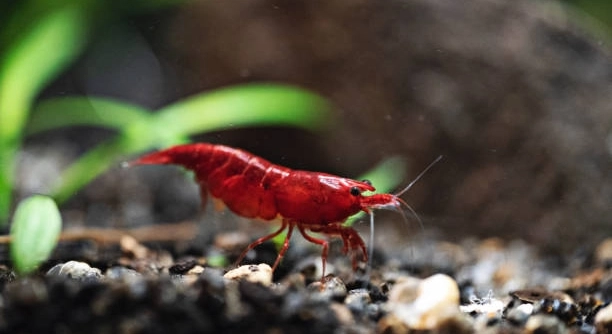
Have you ever noticed how shrimp move around plants in your aquarium or garden pond? These small creatures do more than swim aimlessly. Their interactions with plant life reveal behaviors that quietly support their surroundings.
Shrimp interact with plants in several surprising ways, including cleaning leaves by grazing on algae, aerating soil through burrowing, aiding in nutrient cycling, providing natural pruning, offering protection to seedlings, influencing microbial growth, and creating microhabitats that benefit plant health.
Observing these behaviors can reveal a hidden layer of ecosystem support. Understanding shrimp-plant interactions helps maintain healthier aquatic and semi-aquatic environments for all inhabitants.
Shrimp as Natural Cleaners
Shrimp spend much of their time grazing on surfaces, eating algae and decaying plant matter. This cleaning behavior helps prevent plants from being smothered and maintains a balanced environment. In aquariums, shrimp are often used specifically for this purpose. Their small size allows them to reach areas that larger creatures cannot. Over time, this grazing reduces the accumulation of waste that could harm plants. Even in outdoor ponds, shrimp contribute by removing debris and detritus. This constant activity promotes plant health by keeping leaves and stems clear. It also supports other aquatic life by improving water quality. Watching shrimp clean is quietly satisfying, as their small efforts create noticeable changes. By maintaining plant surfaces, they indirectly aid in photosynthesis and nutrient absorption, making them a small but effective component in aquatic ecosystems. Regular observation can reveal which areas shrimp frequent and how much debris they manage daily.
Their cleaning behavior benefits plant growth and overall aquatic balance significantly.
Shrimp are persistent grazers, consuming microscopic algae and leftover organic matter. Their activity prevents biofilm buildup, which could otherwise limit light penetration. By keeping plant surfaces clear, they improve nutrient exchange and reduce disease risks. In natural habitats, this grazing helps sustain healthy plant populations and water quality. Shrimp also interact with microbial communities, indirectly supporting plants through enhanced nutrient cycling. Their presence can decrease the frequency of manual cleaning in aquariums, offering a hands-off maintenance benefit. This combination of physical cleaning and ecological support illustrates why shrimp are considered keystone species in some small aquatic systems, even though their individual size is tiny compared to the plants they help maintain. Observing these interactions provides insight into the subtle ways small organisms sustain larger plant networks, highlighting the interconnectedness of life in ponds and tanks. Their contributions extend beyond mere cleaning, influencing plant health, microbial balance, and overall water clarity.
Shrimp as Soil Aerators
Shrimp movement within substrate helps aerate soil around plant roots.
By burrowing and shifting sediment, shrimp introduce oxygen into the substrate. This aeration supports root respiration and microbial activity, improving plant growth. They create small channels that allow water to penetrate deeper, reducing the risk of stagnation. Over time, these activities enhance soil structure and promote nutrient distribution. In tanks or garden ponds, shrimp aeration mimics natural processes, supporting healthier plant systems. Observing their digging behaviors shows how consistently they contribute to soil quality, even though they are tiny creatures.
Their burrowing can reach deeper layers, ensuring water and nutrients move efficiently. Shrimp disrupt compacted sediment while leaving roots unharmed. This activity enhances microbial life and nutrient absorption. In planted aquariums, their movement prevents dead zones and encourages uniform soil texture. Even small shrimp populations have noticeable effects on substrate health, creating a more resilient environment for plants. By constantly shifting particles, they prevent anaerobic pockets and improve water flow. These channels also aid root anchoring, giving plants stability. In natural ponds, shrimp burrowing helps cycle nutrients from sediment into surrounding water, indirectly supporting plant growth. Their continuous activity promotes aeration without human intervention. Understanding this interaction allows caretakers to optimize plant-root health while minimizing maintenance. Shrimp function as tiny engineers, subtly maintaining the foundation upon which plants thrive.
Shrimp Promote Nutrient Cycling
Shrimp contribute to nutrient cycling by breaking down organic matter and releasing nutrients into the water. Their waste provides essential compounds that plants can readily absorb, supporting growth. This natural process reduces the need for artificial fertilizers and keeps aquatic systems balanced.
By feeding on detritus and leftover food, shrimp accelerate decomposition. Their excretions contain nitrogen, phosphorus, and other nutrients that plants require for development. This cycling ensures a continuous supply of essential compounds, improving plant resilience and overall ecosystem stability. In planted tanks or garden ponds, this process mimics natural ecosystems, allowing plants to thrive without heavy human intervention. Observing shrimp interactions reveals how these small creatures maintain nutrient availability over time. Their role in nutrient cycling demonstrates that even tiny species can have significant ecological impacts, subtly supporting plant growth and maintaining water quality.
Shrimp activity encourages microbial growth in sediments, further enhancing nutrient breakdown. These microbes help convert organic material into plant-accessible nutrients. In combination with grazing and burrowing, shrimp create a dynamic system where nutrients are constantly recycled. This reduces nutrient stagnation and prevents plant deficiencies. The interplay between shrimp, microbes, and plants creates a self-sustaining cycle. In aquariums, this reduces maintenance while promoting healthier vegetation. In natural ponds, the same interactions sustain plant diversity and improve water clarity. Shrimp act as catalysts, linking decomposition, microbial activity, and nutrient absorption, creating a balanced and efficient system that benefits plant growth continuously.
Shrimp as Natural Pruners
Shrimp assist in pruning by nibbling on decaying or overgrown plant parts. This selective feeding helps maintain plant shape and encourages healthier growth.
Their constant grazing removes weak or dead tissue, preventing decay from spreading to healthy areas. By consuming older leaves, shrimp stimulate new growth and improve plant appearance. This natural pruning reduces the accumulation of detritus and limits algae growth. In aquariums, this behavior helps maintain cleaner, more attractive plants without human intervention. Shrimp act as small gardeners, keeping plants in check while supporting their overall health and vitality. Their subtle pruning ensures plants remain vigorous and less prone to disease.
Pruning also impacts nutrient allocation within plants. By removing older, less productive tissue, shrimp allow plants to direct energy to younger leaves and stems. This enhances photosynthesis and encourages robust growth patterns. In multi-species tanks, their pruning reduces competition for light and space, benefiting neighboring plants. Continuous nibbling maintains open areas for new shoots to develop, which improves plant density and structure. Over time, this natural trimming produces healthier plants with stronger stems and leaves. Shrimp indirectly support plant aesthetics while contributing to ecological balance, demonstrating that even minor actions by small creatures can significantly influence plant development and resilience in aquatic systems.
Shrimp Protect Seedlings
Shrimp can guard young plants by deterring certain pests and consuming harmful microorganisms. Their presence creates a safer environment for seedlings to establish and grow without excessive interference.
Their constant movement and grazing discourage small harmful organisms from settling on delicate shoots. This subtle protection allows seedlings to develop stronger roots and healthier leaves. In aquariums, shrimp act as natural shields, maintaining plant vitality during early growth stages. Their role is quiet but effective, demonstrating that even tiny creatures contribute to plant survival.
Shrimp Influence Microbial Growth
Shrimp affect microbial communities by disturbing sediments and introducing organic matter through their feeding and excretion. These actions support beneficial bacteria that enhance plant nutrient availability. In aquatic systems, shrimp indirectly shape the microbial landscape, ensuring a dynamic and supportive environment for plant growth and resilience.
Shrimp Create Microhabitats
Shrimp activity generates small spaces among plants and sediment, providing shelter for other organisms. These microhabitats support diverse life forms, which contribute to overall ecosystem stability and plant health.
Their burrowing and grazing reshape substrate and plant surfaces, allowing microorganisms and tiny invertebrates to thrive. These microhabitats improve nutrient exchange and water movement, further supporting surrounding plants.
FAQ
How do shrimp clean plants?
Shrimp clean plants by grazing on algae, biofilm, and decaying matter. They move steadily across leaves and stems, scraping surfaces with their small appendages. This constant activity prevents algae buildup, allowing plants to photosynthesize efficiently. Even tiny shrimp can cover a surprising amount of surface area, keeping aquatic plants healthy over time.
Can shrimp harm plants while cleaning?
Shrimp rarely harm healthy plants. They mostly target algae or dying tissue, leaving robust leaves intact. In some cases, very soft or young plants may get lightly nibbled, but this is usually minimal and can even stimulate stronger growth. Their impact is generally beneficial, not destructive.
Do all shrimp species interact with plants the same way?
No, interaction depends on the species. Some shrimp focus heavily on grazing algae, while others burrow or manipulate sediment. Freshwater shrimp are more likely to clean leaves and roots, while brackish or marine shrimp may create microhabitats or stir up nutrients. Understanding species-specific behaviors helps maintain balanced plant environments.
How does shrimp burrowing benefit plants?
Burrowing aerates the substrate, improving water flow and oxygen availability around plant roots. This encourages microbial activity, which breaks down nutrients into forms plants can absorb. Channels created by shrimp also prevent compacted soil, supporting healthier root systems and more robust plant growth in aquariums or ponds.
Can shrimp help reduce algae growth?
Yes, grazing shrimp feed on algae directly and prevent it from covering plant surfaces. Regular activity keeps algae in check and maintains light access for plants. While shrimp may not eliminate algae entirely, they significantly reduce its spread, lowering maintenance needs and promoting healthier aquatic vegetation.
Do shrimp interact with plant roots?
Shrimp occasionally move around roots while foraging in substrate. This movement loosens sediment and encourages nutrient distribution. It also prevents anaerobic pockets from forming, which can harm roots. Their activity indirectly stimulates root health, allowing plants to grow stronger and access essential nutrients more effectively.
Are shrimp necessary for plant health?
While not strictly necessary, shrimp contribute to plant vitality in small but meaningful ways. They help maintain cleanliness, nutrient cycling, aeration, and microbial balance. Their presence reduces the need for manual maintenance or chemical interventions, creating a more self-sustaining and stable environment.
How many shrimp should be kept with plants?
Population depends on tank or pond size, plant density, and substrate type. A small group can manage cleaning and nutrient cycling efficiently in a typical aquarium. Overcrowding may stress shrimp or disturb plant roots, while too few may not provide noticeable benefits. Observing plant health helps determine the ideal number.
Do shrimp interact with aquatic microorganisms?
Yes, shrimp affect microbial communities by stirring sediment and distributing organic matter. This supports beneficial bacteria that help plants absorb nutrients. By creating microhabitats and moving organic material, shrimp indirectly maintain a balanced microbial ecosystem, which improves plant growth and water quality.
Can shrimp be used in outdoor ponds to support plants?
Absolutely. In ponds, shrimp graze algae, recycle nutrients, aerate substrate, and create habitats for microorganisms. Their presence can reduce algae buildup and improve water clarity. Shrimp act as small ecosystem managers, quietly supporting plant health while enhancing overall pond stability and biodiversity.
Do shrimp help plants recover from damage?
Indirectly, yes. By cleaning decaying tissue, improving nutrient availability, and promoting microbial activity, shrimp create conditions conducive to plant recovery. While they do not heal plants directly, their ecosystem support encourages new growth and strengthens plant resilience after stress or damage.
Can shrimp survive in plant-heavy environments?
Yes, most freshwater and brackish shrimp thrive among dense plants. Plants provide shelter, surfaces for grazing, and hiding spots. A plant-rich environment offers both food and protection, allowing shrimp to exhibit natural behaviors that benefit both themselves and the plants around them.
How often do shrimp need to be monitored in plant tanks?
Regular observation is sufficient. Check that shrimp are active, plants are not being excessively damaged, and substrate remains aerated. Monitoring water quality, plant health, and shrimp behavior every few days ensures a balanced environment without over-intervention, maintaining a healthy ecosystem for both shrimp and plants.
Do shrimp need additional food if plants are present?
Yes, supplemental feeding may be necessary depending on plant density and shrimp species. While plants and algae provide some nourishment, additional protein or commercial shrimp food ensures growth, reproduction, and overall activity levels. Balanced feeding supports shrimp health, which in turn benefits plants.
Are there signs that shrimp are helping plants?
Yes. Healthy plants with minimal algae, strong root systems, and vibrant leaves often indicate effective shrimp activity. Observing clean leaves, increased nutrient availability, and thriving microorganisms also signals that shrimp are contributing positively to plant health. Their presence creates a subtle but noticeable improvement over time.
Can shrimp coexist with fish and still support plants?
Yes, but compatibility is important. Peaceful fish that do not prey heavily on shrimp allow them to continue their cleaning and nutrient-cycling roles. Aggressive fish may reduce shrimp populations, limiting their plant-supporting activities. Proper selection and monitoring ensure harmonious coexistence and ecosystem benefits.
Do shrimp need specific water conditions to interact with plants effectively?
Shrimp thrive in stable water parameters suited to their species. Appropriate temperature, pH, and hardness allow normal feeding, grazing, and burrowing behavior. Maintaining consistent water quality ensures they perform their ecological roles effectively, benefiting plant health without added stress or mortality risks.
Shrimp are small creatures, but their impact on plant life is significant. They clean algae and debris from leaves, preventing overgrowth that can block sunlight and reduce photosynthesis. Their grazing keeps surfaces clear, promoting healthier and more vibrant plants. Even tiny movements, such as crawling over leaves or nibbling on decaying tissue, help maintain plant vitality in ways that are easy to overlook. In aquariums, shrimp reduce the need for constant cleaning, while in outdoor ponds, they quietly support the ecosystem by keeping plants free of excess waste. Observing shrimp at work reveals how consistent their activity is and how much they contribute to the balance of their environment. Over time, their cleaning behavior shows noticeable improvements in plant health, demonstrating that small creatures can play essential roles in sustaining larger living systems.
Shrimp also play a key role in nutrient cycling and substrate health. By consuming organic matter and producing waste, they release nutrients that plants can readily absorb, creating a natural fertilization system. Their burrowing aerates the substrate, allowing oxygen to reach plant roots and promoting microbial activity that further supports growth. This dual effect of physical movement and waste production enhances soil quality and encourages root strength, which is vital for plants to thrive. Microbial communities in the substrate benefit from shrimp activity, breaking down nutrients and making them more accessible. In this way, shrimp act as tiny ecosystem managers, linking decomposition, nutrient availability, and plant development. Even if their presence seems minor, their continuous contributions help maintain a balanced environment where plants have the conditions they need to grow well.
Additionally, shrimp influence plant growth through subtle interactions like pruning and creating microhabitats. By nibbling on decaying or overgrown leaves, they stimulate new growth and prevent disease from spreading. Their movement among roots and stems creates small spaces for microorganisms and tiny invertebrates, further supporting nutrient cycling and plant health. Seedlings and delicate plants benefit from this indirect protection and care, giving them a better chance to establish and flourish. While shrimp do not replace human care entirely, they significantly reduce maintenance needs and enhance plant resilience. Their presence highlights the interconnectedness of aquatic life, showing that even the smallest species contribute meaningfully to the overall health of plants and ecosystems. Observing shrimp in planted tanks or ponds demonstrates the quiet but important ways they support their surroundings, reminding us that balance and growth often depend on small, consistent actions.

Hello,
If you enjoy the content that we create, please consider saying a "Thank You!" by leaving a tip.
Every little bit helps us continue crafting quality advice that supports the health, happiness, and well-being of pets around the world, for pets of all shapes, sizes, and species.
We really appreciate the kindness and support that you show us!