
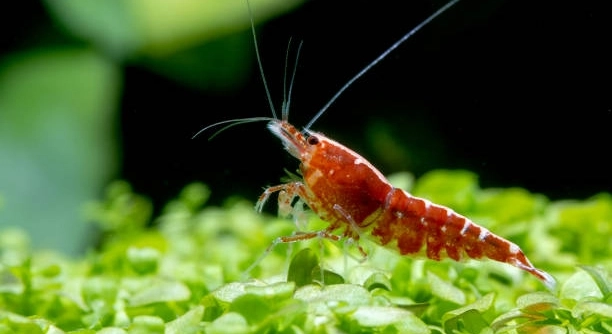
Cherry shrimp are small, colorful, and lively creatures that brighten up any aquarium. Sometimes, however, you may notice them gathering in the corners of the tank. This behavior can catch even experienced keepers by surprise.
Cherry shrimp often cluster in corners due to environmental stressors, water quality fluctuations, or hiding instincts. Limited space, poor filtration, or sudden changes in temperature can trigger this protective behavior, prompting shrimp to seek secure and less exposed areas in their habitat.
Observing their behavior closely can help you ensure they remain healthy and comfortable in the tank environment. Small changes can make a big difference for their well-being.
Common Reasons Cherry Shrimp Cluster in Corners
Cherry shrimp often gather in corners because they are sensitive to changes in their environment. Sudden shifts in temperature or water chemistry can make them feel unsafe. They also look for shelter when they sense movement outside the tank or disturbances in the water. Corners provide a sense of security because they are less exposed and offer stable surfaces to cling to. If your tank lacks sufficient plants or hiding spots, shrimp will naturally seek the nearest refuge, which is often a corner. Stressful conditions like overcrowding or aggressive tank mates can also drive this behavior. Even minor fluctuations in pH, ammonia, or nitrate levels can make shrimp uncomfortable, leading them to isolate themselves. By observing where and when they gather, you can identify patterns that indicate environmental discomfort. Providing proper filtration, hiding spaces, and maintaining consistent water conditions reduces the likelihood of clustering behavior.
Paying attention to water parameters is key to preventing shrimp from feeling unsafe in their habitat.
Creating a stable environment involves careful monitoring of tank conditions. Regular water testing for pH, ammonia, nitrites, and nitrates helps maintain a safe habitat. Adding live plants, moss, and decorations gives shrimp places to hide and feel secure. Avoid sudden temperature changes by keeping the tank away from windows or heating vents. Overcrowding should be prevented, and tank mates chosen carefully to reduce stress. Observing shrimp behavior daily allows you to notice subtle changes in activity, coloration, and clustering tendencies. Maintaining clean water through proper filtration and partial water changes keeps shrimp healthy and more willing to explore the tank freely. By combining these efforts, you encourage shrimp to move around and interact naturally, rather than staying confined to corners. A well-planned setup improves their overall well-being and supports natural behaviors like foraging, breeding, and social interactions. Consistency and attention to detail are essential for keeping cherry shrimp happy.
Environmental Stress and Safety
Environmental stress makes shrimp feel vulnerable and seek corners for safety. Stress can come from water fluctuations, aggressive tank mates, or lack of hiding spaces.
Maintaining a calm environment for cherry shrimp is essential for their health. Water quality and tank setup have a direct effect on shrimp behavior. Sudden changes in temperature or chemistry create anxiety, prompting them to seek secluded spots. Limited hiding spaces or overcrowding increases this effect, leading shrimp to cluster more frequently. Providing sufficient plants, moss, and decorations encourages natural exploration while reducing stress. Gentle filtration and avoiding strong currents help them feel safe. Choosing compatible tank mates and keeping noise or vibrations low also supports their comfort. Monitoring water parameters regularly ensures ammonia, nitrate, and pH levels remain stable, preventing unnecessary stress. By taking these steps, you can reduce corner clustering and promote a balanced, healthy tank environment for your shrimp.
Water Quality Issues
Poor water quality is a common reason shrimp gather in corners. High ammonia, nitrites, or nitrates make them uncomfortable. Even small fluctuations in pH or temperature can trigger hiding behavior. Clean, stable water encourages normal movement and reduces stress.
Testing water regularly helps maintain proper levels of ammonia, nitrites, and nitrates. Cherry shrimp are highly sensitive to changes, so even minor spikes can cause them to cluster in corners. Temperature fluctuations, low oxygen, or sudden pH shifts can all contribute to stress. Using a reliable water testing kit and performing regular partial water changes ensures a stable environment. Filtration should be gentle to avoid creating strong currents that can overwhelm shrimp. Live plants and moss not only improve water quality but also provide natural hiding spaces. Maintaining consistency in water parameters allows shrimp to feel secure, move freely, and display natural behaviors without unnecessary hiding.
Providing proper aeration and consistent water conditions is essential for shrimp health. Gentle filtration, regular water testing, and careful monitoring of temperature create a stable environment. Adding live plants and moss further supports water quality and gives shrimp places to hide. Avoid overcrowding and ensure compatible tank mates to prevent stress. Over time, these adjustments reduce corner clustering and promote active, healthy shrimp. Stability and attention to small details make a noticeable difference in their behavior and overall well-being.
Tank Setup and Hiding Spots
Shrimp gather in corners when there are not enough hiding spots or decorations. Lack of shelter increases stress and forces them to seek refuge in the most secure areas.
Adding plants, moss, rocks, and small ornaments encourages exploration while providing safe hiding places. Cherry shrimp naturally like to cling to surfaces and hide when they feel threatened. Sparse tanks leave them exposed, making corners the default safe zones. Dense planting allows them to forage and interact with the environment, reducing stress levels. Consider using floating plants to create shaded areas and leaf litter for natural cover. Decorations should have smooth edges to prevent injury, and placement should allow multiple hiding spots throughout the tank. A well-thought-out layout minimizes competition for shelter and supports natural behaviors like molting and breeding. Properly distributed decorations reduce clustering and encourage shrimp to spread throughout the tank, making them more active and visible.
Overcrowding Effects
Too many shrimp in a tank can cause stress and force them into corners. Limited space makes it hard to find safe areas, increasing competition for hiding spots. Clustering is a natural response to feeling crowded.
Overcrowding also affects water quality and oxygen levels. High shrimp density produces more waste, raising ammonia and nitrate levels quickly. Poor water conditions amplify stress, making corners the safest choice. Providing enough space, controlling population, and ensuring adequate filtration help shrimp feel secure and reduce clustering.
Molting and Vulnerability
During molting, shrimp are soft and highly vulnerable. They instinctively hide in corners or under plants until their new exoskeleton hardens. This behavior protects them from potential harm and gives them a sense of safety.
Temperature Fluctuations
Sudden changes in temperature can stress shrimp, causing them to cluster in corners. Consistent water temperature is essential for their comfort and normal activity.
Why do my cherry shrimp always stay in the corners?
Cherry shrimp tend to stay in corners when they feel unsafe or stressed. This behavior can be caused by sudden changes in water parameters, overcrowding, or lack of hiding places. Corners offer a sense of security because they are less exposed and provide stable surfaces to cling to.
Is clustering in corners harmful to shrimp?
Clustering itself is not harmful, but it can indicate underlying stress or poor water conditions. If left unaddressed, prolonged stress may affect molting, appetite, and overall health. Observing clustering patterns helps identify problems early so adjustments can be made to improve their environment.
How can I reduce corner clustering?
Provide plenty of hiding spots with live plants, moss, rocks, and small decorations. Ensure water parameters are stable by testing regularly for pH, ammonia, nitrites, and nitrates. Avoid overcrowding and choose compatible tank mates. Gentle filtration and consistent temperature also help shrimp feel safe.
Do shrimp cluster more when molting?
Yes, molting shrimp are soft and vulnerable. They instinctively hide until their new exoskeleton hardens. Clustering in corners or under plants is a natural protective behavior. During this time, avoid disturbing them and ensure there are enough shelters throughout the tank.
Can water quality affect clustering behavior?
Absolutely. Poor water quality, such as high ammonia, nitrites, or sudden pH changes, stresses shrimp. They may retreat to corners where the water is calmer and less exposed. Regular partial water changes, testing, and proper filtration keep water safe and reduce stress-induced clustering.
Do tank decorations really help?
Yes. Decorations, plants, and moss provide surfaces to cling to and hide behind. Sparse tanks leave shrimp exposed, increasing corner clustering. Placing hiding spots throughout the tank encourages exploration, reduces stress, and supports natural behaviors like foraging and breeding.
How important is tank population control?
Very important. Overcrowding increases competition for space and resources, leading to stress and clustering in corners. Keeping shrimp numbers appropriate for your tank size maintains water quality and allows each shrimp to have sufficient space and hiding places.
Can temperature fluctuations cause clustering?
Yes. Sudden changes in temperature make shrimp feel unsafe. They instinctively move to corners or shaded areas to stabilize their body condition. Maintaining a steady water temperature within the species’ preferred range is essential for their comfort and activity levels.
Will clustering affect breeding?
Stress and frequent hiding can reduce breeding activity. Shrimp need stable water conditions, adequate space, and safe hiding spots for successful mating and molting. Addressing the factors that cause corner clustering helps maintain a healthy breeding environment.
How long do shrimp stay in corners?
The duration varies depending on the cause. Minor stress or temporary environmental changes may result in brief clustering. Chronic issues like poor water quality or overcrowding can lead to longer periods of hiding. Monitoring their behavior and improving tank conditions usually encourages normal movement.
Are some shrimp naturally more shy?
Yes. Individual shrimp personalities differ. Some are naturally timid and will spend more time in corners or behind decorations. Even in ideal conditions, shy shrimp may cluster more frequently, but ensuring a safe and enriched environment helps them feel secure.
Can feeding affect corner clustering?
Yes, shrimp may stay in corners if they feel unsafe coming out to feed. Offering food near their hiding spots can help them eat comfortably. Regular feeding schedules and small portions reduce competition and encourage movement throughout the tank.
Do corners always indicate stress?
Not always. Shrimp may use corners simply for resting, hiding during molting, or feeling temporarily cautious. Persistent clustering along with other signs like color changes, inactivity, or reduced feeding is a stronger indicator of stress or poor water conditions.
What should I do if shrimp rarely leave corners?
First, test water quality and correct any issues. Ensure there are enough plants and hiding spaces distributed evenly. Check for overcrowding and compatible tank mates. Maintain a stable temperature and gentle filtration. Observing behavior regularly will show if these adjustments improve activity and reduce corner clustering.
Can lighting affect shrimp behavior?
Yes, overly bright lighting can make shrimp feel exposed and unsafe. Providing shaded areas or floating plants allows them to avoid intense light. Gradually adjusting light levels and offering darker spaces encourages shrimp to explore the tank without feeling threatened.
How can I tell if corner clustering is normal or a problem?
Normal clustering usually happens occasionally or during molting, and shrimp remain active at other times. If clustering is persistent, coupled with color fading, lack of appetite, or erratic movement, it likely indicates stress or environmental issues that need addressing.
Do juvenile shrimp cluster more than adults?
Juveniles often cluster more because they are smaller, more vulnerable, and need extra protection. Providing plenty of plants, moss, and small hiding spots ensures they can feel safe while exploring and growing in the tank.
Does water current influence corner clustering?
Yes, strong currents can stress shrimp and make corners safer resting spots. Gentle filtration reduces the need to seek out corners while still maintaining clean, oxygenated water. Positioning filters carefully prevents high-flow areas from limiting shrimp movement.
Can adding more shrimp reduce clustering?
Adding more shrimp is not a solution and may worsen overcrowding. The focus should be on creating a stable, spacious, and enriched environment that reduces stress and provides sufficient hiding spots for the current population.
Is clustering behavior different at night?
Shrimp are often more active at night. They may leave corners to forage while the tank is darker and quieter. If they only cluster during the day, this can be normal behavior. Ensuring safe hiding spots during daylight hours supports their natural cycle.
Can dietary changes affect clustering?
Yes. A poor or inconsistent diet can stress shrimp, making them more likely to hide. Providing high-quality food in small, regular portions helps shrimp feel secure and promotes natural foraging behavior throughout the tank.
Does tank shape or size matter?
Yes. Tanks with many corners or small spaces can encourage clustering. Larger, open tanks with plenty of hiding places allow shrimp to disperse more naturally. The layout and decorations should balance open swimming areas with safe shelters.
Are shrimp more likely to cluster after water changes?
Yes, sudden water changes can temporarily stress shrimp. They often retreat to corners until they acclimate to the new conditions. Performing partial water changes slowly and maintaining consistent parameters reduces this response.
Can tank noise or vibrations trigger corner clustering?
Yes, vibrations from nearby activity, tapping on glass, or loud noises can make shrimp feel unsafe. Corners provide a stable, less exposed refuge. Minimizing disturbances and keeping the tank in a quiet area encourages normal behavior.
Do shrimp cluster more in newly set-up tanks?
Yes, new tanks often lack established plants and decorations, and water parameters may fluctuate. Shrimp cluster in corners until the environment stabilizes. Gradually adding plants, hiding spots, and maintaining water quality encourages them to explore more freely.
How long does it take for shrimp to stop clustering after stress?
It depends on the cause. Minor stress may resolve within hours, while chronic issues like poor water quality or overcrowding can take days or weeks. Correcting the environment and maintaining stable conditions encourages shrimp to return to normal activity levels.
Is corner clustering more common in certain shrimp species?
Yes, species that are naturally shy or small, like cherry shrimp, show this behavior more than bold or larger species. Providing proper shelter, water conditions, and a calm environment supports all shrimp in feeling safe and active.
Can molting cycles be predicted to reduce clustering?
While exact timing varies, observing growth patterns and frequent molting in juveniles helps predict when shrimp might hide. Ensuring plenty of safe spots before molting reduces stress and prevents injuries during vulnerable periods.
Do chemical additives affect clustering?
Yes, harsh chemicals, medications, or sudden pH adjusters can stress shrimp, causing them to hide in corners. Using gentle, shrimp-safe products and dosing carefully minimizes the impact and supports normal activity.
Can cluster behavior indicate disease?
Persistent hiding paired with lethargy, color fading, or abnormal movement may indicate illness. While occasional clustering is normal, consistent corner-seeking with other signs of distress warrants close observation and possible intervention.
How can I encourage shrimp to leave corners?
Gradually improving water quality, adding more hiding spots in different areas, controlling population, and maintaining stable temperature and gentle filtration encourages exploration. Feeding near various tank areas also helps shrimp feel safe moving throughout the tank.
Does tank maintenance schedule affect clustering?
Yes, irregular water changes or inconsistent feeding can stress shrimp, prompting corner clustering. A consistent maintenance routine with scheduled partial water changes, monitoring parameters, and regular feeding reduces stress and encourages normal behavior.
Are corners preferred during social interactions?
Shrimp may retreat to corners when feeling intimidated by more dominant tank mates. Providing multiple hiding spots and ensuring compatibility reduces conflict, allowing shrimp to interact naturally without excessive corner clustering.
Can stress from tank mates cause clustering?
Yes, aggressive or fast-moving fish can scare shrimp into corners. Choosing peaceful, compatible species and providing ample hiding spaces ensures shrimp feel safe and reduces stress-related clustering.
Do shrimp ever cluster for warmth?
Shrimp are ectothermic and respond to water temperature. While they don’t cluster for warmth like mammals, slight differences in temperature within the tank can make corners a more stable environment, encouraging temporary congregation.
Is it normal for adult shrimp to cluster less than juveniles?
Yes, adults are generally more confident and less vulnerable than juveniles. They still cluster when stressed or molting but tend to move more freely throughout a well-maintained tank.
How can I balance open space and hiding spots?
Distribute plants, moss, and decorations evenly to provide both secure shelters and open swimming areas. This balance reduces corner clustering while encouraging natural exploration, foraging, and social behavior.
Does light cycle influence corner behavior?
Shrimp are more active in low light or at night. Corners may serve as daytime shelters. Adjusting lighting and providing shaded areas encourages movement and reduces stress-induced clustering.
Can substrate choice impact clustering?
Yes, smooth or soft substrates encourage normal movement, while sharp or unstable substrates may make corners more appealing as safe resting spots. A natural substrate like fine gravel or sand promotes comfort and reduces unnecessary hiding.
How long should I wait to see changes after tank adjustments?
Behavioral changes may take a few hours to several days, depending on stress level and environmental improvements. Consistency in water quality, shelter, and tank conditions ensures shrimp gradually feel safe exploring beyond corners.
Does feeding method matter for active shrimp?
Yes, scattering food or using multiple feeding points encourages movement throughout the tank. Targeted feeding near corners can help shy shrimp eat comfortably while gradually encouraging them to explore.
Are all shrimp affected equally by stress?
No, individual personalities vary. Some shrimp are naturally timid and cluster more frequently, while others remain active. Providing a stable, enriched environment benefits all shrimp and reduces excessive hiding.
Can clustering indicate overcrowding?
Yes, consistent clustering with visible signs of stress often indicates too many shrimp in the tank. Maintaining proper population density prevents competition for space and hiding spots, reducing stress-related corner behavior.
Does tank shape influence clustering?
Tanks with multiple corners or narrow layouts encourage clustering because they provide naturally secure spots. Wider, open tanks with evenly distributed decorations allow shrimp to explore safely without feeling exposed.
How do I know if water chemistry is the main cause?
If shrimp cluster immediately after changes in pH, ammonia, or nitrate levels, water chemistry is likely the cause. Regular testing and gradual adjustments help maintain stability, encouraging normal shrimp behavior.
Do seasonal changes affect shrimp behavior?
Yes, temperature and light changes due to seasons can affect water conditions. Sudden drops or increases may cause temporary clustering in corners until conditions stabilize. Consistent indoor tank conditions reduce seasonal impact.
Can stress from human activity trigger clustering?
Yes, tapping on glass, loud noises, or vibrations can make shrimp feel unsafe. Corners provide a refuge from disturbances. Keeping the tank in a low-traffic area encourages normal activity and reduces stress hiding.
Is clustering a sign of happiness?
No, clustering is typically a stress or protective behavior. Happy, healthy shrimp explore the tank, forage, and interact naturally. Reducing environmental stress and providing sufficient hiding spots encourages this positive activity.
Can adding more plants reduce clustering?
Yes, adding plants throughout the tank increases safe spaces, encourages exploration, and reduces corner clustering. Variety in plant height and density gives shrimp both cover and open swimming areas.
How often should I observe shrimp behavior?
Daily observation helps catch early signs of stress, molting, or illness. Noticing clustering patterns and changes in activity allows timely adjustments to water quality, tank setup, and population.
Do water hardness levels matter?
Yes, inappropriate water hardness can stress shrimp and contribute to corner clustering. Maintaining suitable GH and KH levels for cherry shrimp ensures comfort, healthy molting, and natural movement.
Does adding moss really help?
Yes, moss provides both a food source and hiding spot. Shrimp feel safe moving through moss, which reduces corner clustering and encourages natural foraging behavior.
Are corners safer during filtration?
Shrimp often retreat to corners during strong currents. Gentle filtration with strategically placed flow reduces stress and keeps shrimp moving freely while maintaining clean water.
Do shrimp remember stressful spots?
They may repeatedly avoid areas where they felt threatened, returning to corners as a safe zone. Providing a calm, consistent environment helps them feel comfortable exploring all areas.
Can overcrowding in corners harm shrimp?
Yes, clustering can increase competition for space and food, sometimes leading to stress or injuries. Ensuring enough hiding spots and controlling population prevents overcrowding-related issues.
How can I encourage shy shrimp to explore?
Provide evenly distributed plants, moss, and gentle lighting. Feed in multiple locations, maintain water stability, and avoid disturbances. Gradual environmental improvements help timid shrimp feel safe and reduce corner clustering over time.
Is corner clustering common in all tanks?
Yes, most shrimp may cluster occasionally, especially in new or minimally decorated tanks. Regular monitoring, enrichment, and stable water conditions reduce excessive hiding.
Do shrimp ever cluster for breeding purposes?
Not directly for breeding. They cluster mainly for safety, molting, or stress relief. Adequate shelter and stable conditions support breeding behavior while minimizing unnecessary corner congregation.
How long does it take for shy shrimp to adapt?
Shy shrimp may take days or weeks to explore freely after environmental improvements. Consistent water quality, sufficient hiding spots, and minimal disturbances encourage confidence and normal activity patterns.
Can different species in the same tank affect clustering?
Yes, fast-moving or aggressive species can scare shrimp into corners. Choosing peaceful, compatible tank mates and providing ample hiding spaces allows shrimp to feel secure and explore naturally.
Does feeding live food reduce clustering?
Live food may encourage exploration but does not eliminate corner clustering caused by stress or environmental issues. Ensuring safe hiding spots and proper water conditions is more important for reducing stress-related hiding behavior.
Are some corners more preferred than others?
Yes, shrimp often choose corners with stable surfaces, less current, or nearby shelter. Placement of decorations, plants, and tank layout influences which corners become preferred hiding spots.
Can long-term clustering affect shrimp health?
Prolonged stress from persistent hiding can impact molting, feeding, and overall health. Addressing water quality, hiding spots, and environmental stability reduces clustering and supports long-term shrimp well-being.
Is corner clustering more noticeable in small tanks?
Yes, limited space increases competition for hiding spots, making clustering more apparent. Larger tanks with evenly distributed shelter reduce this behavior and allow shrimp to explore comfortably.
Can introducing new shrimp cause clustering?
Yes, new shrimp may hide in corners until they acclimate. Gradual introductions, proper acclimation, and providing hiding spots throughout the tank help them adjust without excessive stress.
Does feeding near corners help shy shrimp?
Yes, offering food near hiding spots encourages shy shrimp to eat without exposing themselves to perceived threats. Over time, this can build confidence and reduce corner clustering.
Are corner clusters ever aggressive?
Shrimp themselves are peaceful, but crowded corners may lead to competition for space or food. Providing multiple hiding spots ensures shrimp coexist safely without aggressive interactions.
Do substrate color and texture affect clustering?
Yes, natural-colored and soft substrates make shrimp feel comfortable. Sharp or unnatural surfaces may make corners more appealing as secure resting areas. Proper substrate selection encourages normal movement.
Does tank maturity affect clustering?
Yes, newly established tanks may see more clustering due to minimal shelter and unstable water parameters. Mature, planted tanks with stable conditions reduce stress and promote active, healthy shrimp.
How does lighting duration affect shrimp behavior?
Extended bright light may encourage shrimp to hide in corners. Providing shaded areas or floating plants creates safe spots, encouraging activity during daylight hours.
Can frequent water changes reduce clustering?
Yes, gradual and consistent water changes improve water quality, reducing stress and the need for shrimp to hide. Sudden changes, however, may temporarily increase corner clustering.
Does tank lid or cover influence behavior?
Shrimp feel safer with a secure lid that reduces vibrations and disturbances from the outside environment. Open or exposed tanks may make them retreat to corners more frequently.
How do I know if corner clustering is temporary?
If shrimp gradually explore other areas after improvements in water quality, hiding spots, or reduced stress, clustering is temporary. Persistent hiding with other distress signals indicates ongoing issues.
Can tank vibrations from filters or pumps cause hiding?
Yes, strong vibrations or noise can stress shrimp. Gentle, properly placed filtration reduces corner clustering and encourages normal movement throughout the tank.
Does seasonal sunlight through windows affect shrimp?
Direct sunlight can raise tank temperature and stress shrimp. Corners may provide slightly cooler, shaded areas. Avoiding sunlight or using blinds helps maintain stable conditions and reduces hiding behavior.
Are shrimp more likely to cluster after feeding?
Sometimes, if the feeding area feels exposed, shrimp retreat to corners until it’s safe to forage. Providing food in multiple locations encourages them to leave hiding spots.
Can introducing floating plants reduce corner use?
Yes, floating plants create shaded areas that make shrimp feel safe throughout the tank. This encourages them to explore instead of relying solely on corners for security.
How do I prevent clustering in future tanks?
Plan tank layout with ample hiding spots, maintain stable water parameters, control population, choose peaceful tank mates, and ensure gentle filtration. Proper setup from the start reduces stress and prevents excessive corner clustering.
Can water movement patterns influence clustering?
Yes, areas with high current make shrimp seek corners with calmer water. Adjusting filter placement and using gentle flow encourages shrimp to explore freely while keeping water clean.
Do some shrimp never leave corners?
Occasionally, a very timid individual may stay in corners frequently. Ensuring hiding spots, stable conditions, and minimal disturbances helps even the shyest shrimp feel confident to explore over time.
Can substrate depth affect shrimp comfort?
Yes, shallow or
Cherry shrimp clustering in corners is a common behavior that many keepers notice. It can be surprising at first, especially if the tank seems healthy and calm. This behavior is usually a response to environmental stressors, changes in water conditions, or a lack of secure hiding spots. Shrimp are naturally cautious and seek safety in areas that feel less exposed, and corners of the tank often provide that sense of protection. Understanding this behavior helps you take steps to ensure your shrimp feel safe, comfortable, and healthy in their environment. Clustering is not automatically a sign of illness or a failing tank, but it can indicate that improvements are needed to provide a more suitable habitat.
Maintaining consistent water quality is one of the most important steps to reduce corner clustering. Cherry shrimp are very sensitive to fluctuations in pH, temperature, ammonia, nitrites, and nitrates. Even small changes can make them feel unsafe and trigger hiding behavior. Regular testing, partial water changes, and careful monitoring of the tank help maintain stability. Additionally, providing a balanced and safe environment with live plants, moss, and smooth decorations encourages shrimp to explore the tank rather than stay confined to corners. Creating multiple hiding spots throughout the tank allows each shrimp to find a place to feel secure, reducing the need for everyone to gather in one corner. Overcrowding should also be avoided, as high population density can increase stress and competition, leading to more frequent clustering.
Observing shrimp behavior regularly is another important part of keeping a healthy tank. Noticing when and where they gather, how they move, and their feeding patterns gives valuable insight into their comfort level. Adjustments to the tank layout, water parameters, and feeding routines can gradually encourage shrimp to feel safer and become more active. Even timid or shy individuals can learn to explore more freely when their environment is stable and enriched. Over time, maintaining a calm, consistent, and well-planned tank setup reduces stress, supports healthy molting and breeding, and allows shrimp to display natural behaviors. Corner clustering is a signal, not a problem in itself, and understanding it helps create a happier and more balanced tank for cherry shrimp.

Hello,
If you enjoy the content that we create, please consider saying a "Thank You!" by leaving a tip.
Every little bit helps us continue crafting quality advice that supports the health, happiness, and well-being of pets around the world, for pets of all shapes, sizes, and species.
We really appreciate the kindness and support that you show us!