
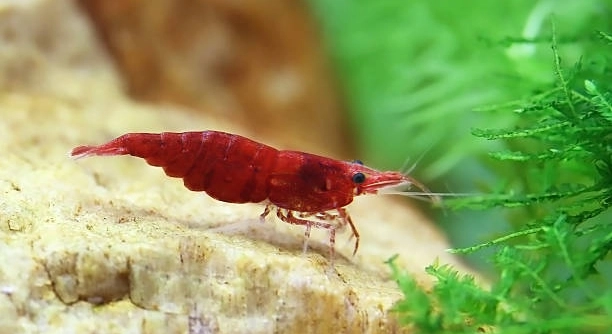
Do you ever notice your cherry shrimp losing their bright red color even when their tank seems perfect? Many shrimp keepers face this issue without realizing it can be linked to their diet and specific foods they are fed.
Cherry shrimp can lose color due to consuming foods that lack carotenoids or contain excessive fillers. Staples such as generic flakes, frozen vegetables, and overprocessed pellets can reduce pigmentation, making shrimp appear pale over time despite proper water conditions.
Understanding which foods affect shrimp color will help you maintain their vibrancy and overall health in your aquarium.
Generic Flake Food
I used to feed my cherry shrimp only generic flake food, thinking it was convenient and nutritious. Over time, I noticed their color fading, turning from vibrant red to pale pink. Generic flakes often contain fillers like wheat and soy, which provide little to no carotenoids. Carotenoids are essential pigments that help maintain the bright red color of cherry shrimp. Without them, the shrimp slowly lose their natural hue. Many commercial flakes are designed for overall fish health rather than for boosting shrimp pigmentation. Even if your shrimp eat them readily, the lack of pigment-rich ingredients can make their shells dull. Switching to foods rich in natural carotenoids like krill or spirulina can make a noticeable difference. I realized that paying attention to the ingredients is more important than convenience. Over time, I replaced generic flakes with specialized shrimp food, and the change in color was gradual but clear.
Flake foods low in carotenoids directly impact shrimp coloration, causing noticeable fading over weeks of regular feeding.
Choosing high-quality food is a simple step that protects your shrimp’s color and supports overall health. Regularly checking ingredients ensures they get the nutrients they need.
Overprocessed Pellets
Overprocessed pellets may seem easy to store and feed, but they often lack vital nutrients. Many pellets are heavily processed to extend shelf life, which reduces natural pigments and vitamins. Cherry shrimp need these nutrients to maintain their red coloration, and without them, shells can become pale and dull. Even if shrimp appear healthy in size and activity, their color can still suffer. I noticed when switching to less processed, pigment-rich alternatives, the shrimp regained vibrancy. Ingredients like dried krill, spirulina, and carotenoid-enriched powders help restore color. Overprocessed pellets may also contain additives that interfere with pigment absorption. Some brands use artificial coloring, which doesn’t actually improve shrimp health or longevity. Feeding a variety of fresh and natural foods ensures shrimp get balanced nutrition. It also encourages more active and natural foraging behaviors, which I found makes them more lively in the tank. Monitoring what goes into their diet is key to maintaining a bright, healthy population.
Reducing processed pellets and focusing on natural pigment sources helps restore and maintain red coloration.
Introducing more natural, pigment-rich foods and reducing heavy processing ensures shrimp color remains vivid, improving their appearance and overall vitality in the tank.
Frozen Vegetables
Frozen vegetables seem healthy, but they often lack the pigments shrimp need. Over time, feeding only frozen vegetables can lead to pale shrimp, even if they are active and eating well.
I once relied on frozen peas and spinach as a main supplement for my cherry shrimp. While they offered some fiber, they were low in carotenoids. After a few weeks, I noticed the shrimp losing their red vibrancy. The freezing and storage process reduces essential pigments, so the shrimp don’t receive the nutrients that support strong coloration. I started mixing fresh or dried spirulina and carotenoid-rich flakes with occasional vegetable treats. The difference in shell color became clear after several feedings. Using frozen vegetables as occasional supplements rather than the main diet helped restore their natural red tone and supported healthier molting.
Frozen vegetables alone cannot provide enough carotenoids. Mixing in natural pigment-rich foods ensures shrimp maintain bright color and healthy growth.
Over time, relying only on frozen vegetables made me realize that variety is essential. Combining pellets, spirulina, and fresh foods keeps shrimp vibrant and active, while also supporting proper nutrition and overall tank health.
Wheat-Based Foods
Wheat-based foods are easy to find and inexpensive, but they offer little benefit for shrimp coloration. Carotenoids are minimal, so the shrimp’s red shells gradually fade when fed mostly wheat products.
I fed wheat-based tablets and flakes for convenience, thinking they would be nutritious enough. Initially, the shrimp seemed fine, but after a month, their colors dulled noticeably. Wheat is primarily filler with low pigment content. Over time, this limited diet reduces natural red tones and can affect overall health. I switched to foods containing krill, spirulina, and algae, which restored color vibrancy. These pigment-rich ingredients support both shell color and energy levels. I also noticed the shrimp became more lively once their diet included carotenoids, and molting improved. Wheat-based foods are fine as occasional fillers, but they cannot be the main source of nutrition. A balanced diet with natural pigments is essential for keeping cherry shrimp brightly colored and thriving in the tank.
Focusing on high-pigment ingredients instead of wheat-based foods allows shrimp to regain natural color, maintain health, and stay active.
Leaf Litter
Leaf litter can look natural, but some types lack pigments that help shrimp maintain red coloration. Feeding only plain dried leaves may contribute to pale shells over time.
I used to rely heavily on oak and beech leaves, thinking they were nutritious. While they provide shelter and mild nutrients, they don’t contain enough carotenoids to support bright red shells. My shrimp gradually became less vibrant, and I realized the importance of supplementing their diet with pigment-rich foods. Adding spirulina flakes and krill powder alongside leaf litter restored their color within a few weeks. Leaf litter is best used as a tank supplement, not a primary food source.
Algae Wafers
Algae wafers are common for shrimp, but some contain fillers and low pigment levels. They are convenient, but too many can dilute carotenoid intake, leading to paler shrimp over time.
Human Food
I once tried feeding small amounts of human vegetables and fruits. While safe in moderation, they lacked pigments needed for long-term coloration. Carrots and spinach occasionally helped, but regular human food didn’t provide enough carotenoids to maintain strong red shells.
Fish Flakes
Fish flakes are widely available, but most are designed for fish health, not shrimp coloration. They often lack pigment-rich ingredients. Feeding them exclusively caused my shrimp to slowly lose red vibrancy, prompting me to switch to specialized shrimp foods for better color maintenance.
Why are my cherry shrimp losing color even though the water looks perfect?
Even if your tank water is clean and parameters are stable, diet plays a major role in shrimp coloration. Foods lacking carotenoids, such as generic flakes, wheat-based foods, or overprocessed pellets, do not provide the pigments necessary for maintaining red shells. I noticed my shrimp looking pale despite perfect water conditions until I switched to pigment-rich foods like spirulina, krill, and algae powders. Consistent feeding with these foods restored their vibrancy over time, showing that diet can be more important than water quality alone when it comes to color.
Can frozen vegetables cause shrimp to lose color?
Yes, frozen vegetables are often low in carotenoids because freezing and storage reduce the pigment content. I used frozen peas and spinach as a main food source for weeks and saw the shrimp gradually fade. Mixing frozen vegetables with natural pigment-rich foods, like spirulina or krill flakes, keeps shrimp healthy and colorful while still offering variety. Frozen vegetables work best as a supplement rather than the primary diet.
Are fish flakes bad for cherry shrimp?
Fish flakes are generally fine for occasional feeding, but most are formulated for fish health, not for shrimp pigmentation. I used only fish flakes for a short time and noticed a subtle fading of my shrimp’s red color. Switching to specialized shrimp flakes with carotenoids helped restore brightness. Fish flakes should be part of a mixed diet if used at all.
Do human vegetables and fruits help maintain shrimp color?
Some vegetables, like carrots or spinach, provide small amounts of carotenoids, but they are insufficient as the main source of pigment. I tried feeding tiny pieces of carrot occasionally, which helped a little, but relying on human foods alone resulted in paler shrimp over time. Combining vegetables with spirulina, krill, or algae ensures consistent pigment intake.
Can leaf litter or algae wafers replace pigment-rich foods?
Leaf litter provides shelter and minor nutrients but is very low in carotenoids. Algae wafers are convenient, but some contain fillers and low pigment content. I found that shrimp kept primarily on these foods slowly lost red vibrancy. Using them as supplements alongside carotenoid-rich foods works best to maintain both color and health.
How long does it take for shrimp color to return after changing diet?
The color recovery depends on shrimp age, diet quality, and overall tank conditions. In my experience, with regular feeding of pigment-rich foods like spirulina, krill, and specialized shrimp flakes, color improvement became noticeable within two to four weeks. Younger shrimp regain color faster, while older or stressed shrimp may take longer. Consistency in diet and avoiding low-pigment foods is key to sustaining vibrant red coloration.
Are overprocessed pellets harmful to shrimp color?
Overprocessed pellets often lose carotenoids and vitamins during manufacturing. I observed shrimp fed heavily on these pellets gradually fade, even though they remained active. Switching to minimally processed, pigment-rich foods restored their color. Overprocessed pellets can be used occasionally, but relying on them for daily feeding diminishes shell pigmentation.
Can a mix of foods prevent color loss?
Yes, combining high-pigment foods like krill, spirulina, and algae powders with occasional vegetables, leaf litter, or high-quality pellets ensures shrimp get both nutrition and carotenoids. I maintain a rotation in my tank to provide variety, which keeps the shrimp active, healthy, and brightly colored. Regular monitoring of ingredients ensures they receive enough pigment consistently.
Do shrimp lose color during molting even with proper diet?
Some temporary fading can occur during molting because the new exoskeleton hasn’t fully hardened or absorbed pigments. I noticed a slight pale phase in newly molted shrimp, which brightened within a few days when fed carotenoid-rich foods. This is normal and not a sign of dietary deficiency unless fading persists.
Is it possible to overfeed pigment-rich foods?
Overfeeding can cause water quality issues, but moderate feeding of krill, spirulina, or shrimp flakes is safe. I feed small amounts twice a day, removing excess, which maintains color and prevents water problems. Balance and portion control are important to avoid algae growth or waste buildup.
How can I ensure shrimp maintain long-term vibrant color?
Focus on a consistent diet rich in natural pigments, avoid relying solely on low-carotenoid foods, and rotate supplements like vegetables, algae wafers, and leaf litter. I saw the best results when combining natural pigment sources with occasional fillers, providing both nutrition and color support. Monitoring water quality and maintaining stable conditions also helps preserve overall health and shell brightness.
This FAQ highlights the main factors affecting cherry shrimp color, emphasizing the role of diet and careful food selection for long-lasting vibrancy.
Maintaining the vibrant red color of cherry shrimp is simpler than it seems once you understand the role of diet. Many shrimp owners focus heavily on water quality, which is important, but the foods you provide have an equal, if not greater, effect on coloration. Foods low in carotenoids, like generic flakes, wheat-based products, and overprocessed pellets, are convenient but do not supply the pigments shrimp need. Even if your tank water is perfectly balanced, feeding these foods regularly can result in pale, dull shrimp over time. I learned this after noticing my own shrimp gradually losing color despite excellent water parameters. Once I switched to foods rich in natural pigments, including spirulina, krill, and algae-based flakes, their red shells slowly regained vibrancy. This experience showed me that paying close attention to ingredients is essential for both health and appearance.
It is also important to use low-pigment foods like frozen vegetables, leaf litter, and algae wafers as occasional supplements rather than the main diet. These foods provide some nutritional value and variety but cannot maintain color on their own. I used to rely heavily on frozen peas and spinach, thinking they were healthy enough, but my shrimp’s color faded over several weeks. Adding natural pigment-rich options alongside these supplements made a noticeable difference. Leaf litter and algae wafers can provide minor nutrients and improve tank aesthetics, but they must be combined with carotenoid-rich foods to prevent fading. Consistency is key: feeding high-pigment foods regularly ensures that shrimp maintain their natural red tone while staying healthy. I also noticed that a varied diet encourages natural foraging behaviors, which keeps shrimp more active and engaged in the tank environment.
Finally, patience is essential when restoring or maintaining shrimp color. Color changes do not happen overnight, and younger shrimp regain vibrancy faster than older ones. During molting, temporary fading may occur, which is normal and resolves with proper diet. I observed that with consistent feeding of pigment-rich foods, most shrimp show visible improvement in two to four weeks. Maintaining a balanced approach, combining natural pigments with occasional supplements, keeps shrimp healthy and visually striking. Monitoring ingredients, rotating foods, and avoiding over-reliance on low-pigment options are the best ways to protect color long-term. By prioritizing carotenoid-rich nutrition and providing a stable, clean environment, cherry shrimp can maintain their bright, attractive red color while staying active and thriving in the aquarium.

Hello,
If you enjoy the content that we create, please consider saying a "Thank You!" by leaving a tip.
Every little bit helps us continue crafting quality advice that supports the health, happiness, and well-being of pets around the world, for pets of all shapes, sizes, and species.
We really appreciate the kindness and support that you show us!