
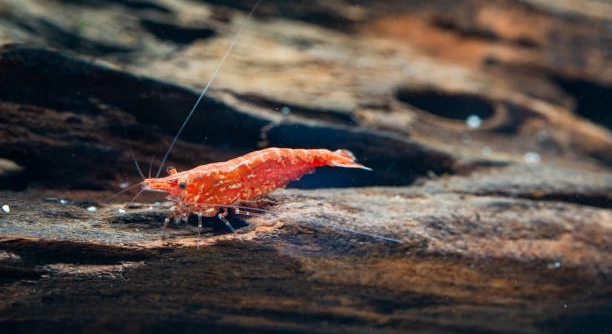
Do you ever notice your cherry shrimp moving carefully around their tank, seeming aware of every plant and decoration? Their tiny movements and preferences can make you wonder how much they understand about their surroundings. Observing them can be quietly fascinating.
Cherry shrimp are capable of recognizing their tank setup to a certain extent. They respond to consistent environmental cues, such as plant placement, hiding spots, and water features, which helps them navigate, forage, and feel secure within their habitat.
Knowing how shrimp interact with their environment can help you create a stable and comfortable tank. Paying attention to their habits often leads to a healthier and happier aquatic setup.
How Cherry Shrimp Explore Their Tank
Cherry shrimp often explore their tanks carefully, moving slowly across surfaces and weaving through plants. They seem drawn to areas that provide both food and shelter. Watching them, I notice how they pause at corners or near decorations, almost as if checking for safety. These shrimp rely heavily on visual and chemical cues. They use their tiny antennae to sense textures, surfaces, and even other shrimp nearby. Their movements are deliberate, which shows they remember areas that feel secure. Over time, they may return to favorite hiding spots or feeding areas, demonstrating a form of spatial awareness. Lighting, water current, and plant placement all influence where they spend the most time. The more consistent the setup, the more confident the shrimp appear. Sudden changes in layout or decorations can make them hesitant, showing that stability helps them feel safe and reduces stress while they go about their daily activities.
Shrimp exploration is more than random movement. They show clear preferences for certain spots based on comfort, food, and shelter.
Observing how cherry shrimp navigate a tank can reveal patterns. They often remember safe hiding areas, open feeding zones, and places with gentle currents. Plant density matters, as it provides both protection and exploration opportunities. Decorations with flat surfaces are frequently used for grazing algae. Over weeks, a shrimp may repeatedly visit the same areas, indicating memory and recognition of familiar spaces. Changes to the tank, like moving plants or adding objects, can make them cautious. Their recognition is not as complex as mammals, but it is consistent enough to show they understand their environment in a practical way. Recognizing this helps you place decorations thoughtfully, ensuring the shrimp have accessible food, shelter, and swimming space. Observing their habits can also help identify stress points or areas that need better cover. The subtle ways they interact with the tank demonstrate that even small aquatic creatures notice patterns and adapt accordingly.
Factors Affecting Tank Recognition
Tank layout affects shrimp behavior significantly. Plants, rocks, and hiding spots shape their movement and feeding.
Consistency in water parameters, lighting, and decoration placement reinforces recognition. Shrimp use familiar markers to navigate, and sudden changes can cause hesitation or stress. Over time, repeated exposure to stable environments enhances their confidence. They learn where food appears, which areas provide shelter during molting, and how to avoid stronger currents. Dense plants offer a sense of safety, while open areas allow exploration without danger. Even slight alterations in decoration height or orientation can influence where they spend most of their time. By observing their preferences, you can optimize tank setup for comfort and activity. Attention to small details, like moss placement or hiding structures, encourages natural behaviors. Shrimp also respond to water chemistry consistency, which supports regular activity patterns. Understanding these factors can improve their well-being, making a balanced tank that is both functional and visually appealing for their needs.
Signs That Shrimp Recognize Their Environment
Shrimp returning to the same hiding spots or feeding areas consistently show recognition. Observing patterns in movement and preferences indicates they remember safe spaces, familiar surfaces, and locations where food is often available.
Cherry shrimp rely on memory and sensory cues to navigate their tanks. They notice the placement of plants, rocks, and decorations, which guides them toward preferred areas. Frequent visits to the same zones suggest familiarity and comfort. Even small details, like algae growth on a leaf or a specific moss patch, become landmarks. Over time, shrimp can distinguish between different regions, adjusting their activity to conditions like light intensity and water flow. Their behavior reflects awareness, and changes in setup can make them hesitate or explore cautiously. Recognizing these signs helps maintain a stable environment that supports natural behaviors and reduces stress.
Repetition strengthens shrimp recognition. When plants, shelters, and feeding areas remain consistent, shrimp quickly learn the layout. Changes in current or lighting affect how confidently they explore. They adapt to stable setups more smoothly, often returning to preferred spots during feeding or resting. Observing these patterns allows adjustments to placement, improving comfort, and ensuring a balanced environment for activity and safety. Their ability to remember details is subtle but noticeable, guiding how I arrange decorations and food zones.
The Role of Senses in Recognition
Shrimp use their antennae and eyesight to sense surroundings, which helps them identify familiar areas. They respond to textures, obstacles, and chemical cues in water.
Chemical signals and tactile feedback are essential for shrimp navigation. Their antennae detect food particles, surfaces, and the presence of other shrimp, providing real-time information about their environment. Visual cues like shadows, plant shapes, and light patterns also help them orient themselves. These sensory inputs combine to create a mental map of the tank. Shrimp can differentiate between safe zones and exposed areas, adjusting their behavior accordingly. Familiar smells and textures guide movement toward favorite spots. Recognizing these signals ensures they can find food efficiently and avoid stress. I notice how they pause at new objects or rearranged areas, showing reliance on senses for decision-making. Maintaining consistent sensory cues in a tank enhances shrimp confidence and daily activity patterns.
How Tank Changes Affect Shrimp
Sudden changes in plant placement or decorations can make shrimp cautious. They may explore slowly or hide more often until they adjust to the new layout.
Even small shifts in water flow or lighting can affect their routine. Shrimp rely on familiarity, and unexpected changes can temporarily alter feeding and movement patterns.
Learning and Memory
Cherry shrimp display learning behaviors over time. They remember where food usually appears and the safest routes between hiding spots. Repetition helps reinforce these behaviors. Observing their patterns shows how quickly they adapt to consistent tank conditions. Familiar landmarks and stable water conditions are key for confident movement. Over weeks, shrimp begin to navigate efficiently, returning to preferred areas without hesitation. This demonstrates a basic form of memory and environmental recognition. By keeping elements consistent, shrimp feel secure, reducing stress and encouraging natural exploration and foraging behaviors throughout the tank.
Observation Tips
Watching shrimp daily helps notice subtle changes in behavior and tank recognition.
Do cherry shrimp really remember their tank layout?
Yes, cherry shrimp show a form of memory related to their tank environment. Over time, they begin to recognize where plants, rocks, and hiding spots are located. They often return to favorite feeding areas and familiar shelters. This recognition helps them navigate confidently and reduces stress. While their memory is not as complex as mammals, repeated exposure to stable features allows them to learn patterns in the tank. Observing their movement over several weeks can reveal these habits. They often explore cautiously at first, then return to areas they know are safe.
How long does it take for shrimp to recognize changes in the tank?
Shrimp generally adapt to new or rearranged environments within a few days to a couple of weeks, depending on the extent of the change. Small alterations, like moving a plant slightly, may only take a day or two for them to adjust. Larger changes, such as rearranging multiple decorations or changing water flow, can take longer, as shrimp need to relearn safe pathways and feeding zones. During this adjustment period, they may explore less and hide more frequently. Gradual changes help them adapt faster and maintain consistent activity levels.
Can shrimp get stressed from moving decorations or plants?
Yes, cherry shrimp can become stressed when familiar landmarks are moved. Stress often shows as hiding, reduced activity, or slower feeding. Their sense of security relies on consistency in the tank setup. Even small adjustments can trigger cautious behavior. Observing shrimp behavior closely after changes is important. Stress can affect their molting cycle and overall health if prolonged. Ensuring stable water parameters and leaving some familiar structures intact can help minimize negative effects.
Do shrimp recognize individual tank mates?
While shrimp may not recognize individuals in the way mammals do, they can identify familiar shrimp by chemical cues. This recognition helps reduce aggression in some setups and allows them to maintain social hierarchies. Observing interactions can reveal which shrimp are comfortable with each other and which tend to avoid one another. Consistent groupings in a stable tank allow these chemical markers to remain recognizable over time.
Does the size of the tank affect recognition and comfort?
Tank size influences how shrimp interact with their environment. In smaller tanks, they may quickly learn all hiding spots and feeding areas, showing strong recognition of the layout. Larger tanks give them more space to explore but can slow the learning process because there are more areas to memorize. Regardless of size, maintaining consistent placement of plants and shelters improves their confidence and daily activity. I’ve noticed in my tanks that shrimp become noticeably more active when familiar routes and feeding zones are maintained, regardless of the tank’s dimensions.
How can I help my shrimp feel more secure after rearranging the tank?
Gradual changes are key. Introduce new decorations or move plants in small steps, allowing shrimp to explore safely. Leaving some familiar hiding spots in place helps them maintain a sense of security. Monitoring feeding behavior and activity during this transition helps gauge how well they are adjusting. Stability in water parameters is equally important, as sudden chemical or temperature changes can compound stress. Over time, shrimp will learn the new layout and resume normal activity.
Do shrimp recognize feeding times or food locations?
Yes, cherry shrimp can learn where and when food appears. They often gather in areas where feeding regularly occurs. This behavior shows memory and pattern recognition. Consistent feeding schedules help shrimp associate specific zones with food, encouraging predictable movement and exploration patterns. I often notice that shrimp swim toward favorite feeding spots even before food is added, demonstrating their recognition and anticipation skills.
Can shrimp navigate a tank in total darkness?
Shrimp rely on both eyesight and chemical cues. In complete darkness, they may still navigate using their antennae and sensing water currents. However, recognition of specific visual landmarks is limited without light. Dim lighting or consistent chemical cues helps them move confidently. Observing their behavior in low light shows how much they depend on non-visual senses.
Does the type of plants or decorations affect shrimp recognition?
Yes, certain plants and decorations become landmarks for shrimp. Moss, dense foliage, and textured surfaces are often preferred for hiding and grazing. Smooth, bare surfaces are less appealing. Shrimp learn which areas are safe or provide food by repeated exposure. Maintaining familiar elements supports recognition and encourages natural behaviors. I find that keeping favorite moss patches and stable plant placements makes shrimp more active and less cautious overall.
Do shrimp react differently to new versus familiar objects?
New objects in the tank trigger cautious exploration. Shrimp often approach slowly, pause, and use their antennae to sense the surface. Familiar objects are navigated quickly and confidently. Repeated exposure transforms new items into recognized landmarks. Gradual introduction of new decorations ensures shrimp remain comfortable and adapt faster to changes.
Can shrimp forget their tank setup if removed temporarily?
Temporary removal or relocation may affect their familiarity temporarily. Upon returning, they may explore cautiously until they re-establish memory of the layout. Time away combined with environmental changes can extend adjustment. Keeping the tank consistent and minimizing drastic changes helps shrimp regain confidence quickly.
Do shrimp use landmarks differently at night versus daytime?
Shrimp behavior varies with light levels. During the day, they rely on visual cues in addition to chemical signals. At night, tactile and chemical senses become more prominent. Recognized landmarks still guide movement, but exploration may slow, and shrimp may prefer sheltered areas. Observing both light and dark cycles shows how they adapt recognition strategies depending on visibility.
How important is consistency in water parameters for recognition?
Consistency in temperature, pH, and other water parameters supports stable behavior and environmental recognition. Sudden fluctuations can make shrimp hesitant and reduce movement. They associate familiar conditions with safety, so stable water chemistry reinforces confidence in navigating the tank and using preferred hiding and feeding areas.
Do shrimp react differently to multiple tanks or setups?
Shrimp adapt to each tank individually. They recognize layouts, hiding spots, and feeding zones specific to each environment. Frequent movement between tanks can cause stress and require re-familiarization. Maintaining consistency within a tank allows them to establish memory and feel secure, which may not transfer immediately across different setups.
Do shrimp have favorite spots, and how can I identify them?
Yes, shrimp often return to specific hiding or grazing spots. Favorite locations are used repeatedly for resting, feeding, or molting. Observing movement patterns over several days shows which areas are preferred. These spots often provide shelter, food, and comfort. Maintaining these familiar areas supports normal behavior and reduces stress.
Can tank mates influence shrimp recognition?
Tank mates can indirectly influence shrimp navigation and comfort. Peaceful companions allow shrimp to use familiar areas confidently, while aggressive or larger species may limit access to preferred spots. Consistent social environment helps shrimp learn safe zones, establish routines, and interact without stress.
Do shrimp recognize decorations even when algae grows over them?
Yes, shrimp continue to recognize decorations partially covered in algae. They often use textures, chemical cues, and partial visual landmarks to navigate. While heavy coverage may change exploration patterns slightly, familiar structures remain identifiable. Gradual changes allow shrimp to adjust without losing confidence.
How can I encourage natural exploration while maintaining recognition?
Place decorations and plants thoughtfully, leaving familiar landmarks intact. Introduce new elements slowly, maintaining some consistent points of reference. Provide varied textures, gentle currents, and safe hiding spots. Consistency in feeding and water parameters complements these changes. This approach encourages natural behavior while reinforcing recognition of the tank environment.
Do shrimp respond to human interaction in relation to tank recognition?
Shrimp may associate human presence with feeding. They often approach areas where food is added, demonstrating learned recognition. This does not affect their navigation of the tank itself but shows that repeated patterns create predictable responses to external stimuli.
Can stress affect shrimp memory or recognition?
Prolonged stress, caused by sudden changes or poor water conditions, can temporarily affect their behavior and ability to navigate confidently. Shrimp may hide more and explore less. Maintaining stability in tank setup, water quality, and social environment helps preserve their recognition and normal activity patterns.
Do shrimp use multiple senses simultaneously for recognition?
Yes, they integrate visual, chemical, and tactile cues to recognize their environment. Antennae sense textures and chemicals, eyes provide landmarks, and repeated experience reinforces memory. This combination allows them to navigate confidently, locate food, and find shelter efficiently.
How can I observe shrimp recognition effectively?
Regular observation at feeding times and during exploration shows favorite areas, cautious zones, and repeated patterns. Note their routes, preferred hiding spots, and response to changes. Observing both day and night behaviors reveals how they use senses differently and how recognition affects their daily routine.
Cherry shrimp are small but surprisingly aware of their surroundings. They notice where plants, rocks, and decorations are placed and often return to the same spots for feeding or hiding. This behavior shows they can recognize familiar areas, even though their memory is simple compared to larger animals. Over time, consistent placement of decorations and plants helps shrimp feel safe and confident in their tank. I have observed that when favorite moss patches or hiding spots are left untouched, shrimp explore more freely and spend less time hiding. Their tiny antennae and eyesight work together to sense surfaces, textures, and even the presence of other shrimp, helping them move efficiently around the tank.
Consistency in tank setup is key for maintaining a comfortable environment. Changes in plant placement, water flow, or lighting can make shrimp cautious. They may hide or explore more slowly while they adjust to new conditions. Gradual changes are easier for shrimp to handle, allowing them to learn new landmarks without stress. Stability in water parameters, such as temperature, pH, and cleanliness, also plays a major role in their confidence. Cherry shrimp react to these factors quickly, and sudden fluctuations can temporarily alter their normal behavior. By keeping a stable setup, shrimp can navigate confidently, find food easily, and return to their favorite shelters without hesitation. Observing these behaviors over time shows how sensitive shrimp are to their environment and how much they rely on familiar cues.
Understanding how shrimp recognize their tank environment helps improve their well-being. By paying attention to their favorite hiding spots, preferred feeding areas, and patterns of exploration, we can create a tank that supports natural behaviors. Decorations and plants should be arranged thoughtfully to provide both shelter and open areas for movement. Offering consistent feeding routines and monitoring behavior allows us to see which areas they prefer and how they interact with their surroundings. Even small adjustments, like leaving some familiar moss intact or adding gentle water flow, can make a noticeable difference in shrimp activity. Ultimately, recognizing the importance of stability and sensory cues ensures that cherry shrimp remain healthy, active, and comfortable in their tank, creating a balanced environment where their natural behaviors can thrive.

Hello,
If you enjoy the content that we create, please consider saying a "Thank You!" by leaving a tip.
Every little bit helps us continue crafting quality advice that supports the health, happiness, and well-being of pets around the world, for pets of all shapes, sizes, and species.
We really appreciate the kindness and support that you show us!