
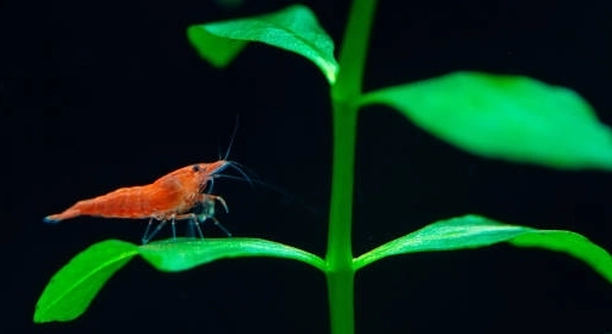
Are your cherry shrimp suddenly jumping at bubbles in their tank? This behavior can be surprising, especially if your shrimp usually swim calmly around the plants and decorations. Observing them closely helps understand their environment.
Cherry shrimp often jump at bubbles due to sudden changes in water conditions or the presence of strong currents. This reaction is a natural response to stress or irritants in their surroundings, signaling the need for careful monitoring and adjustment.
Knowing why your shrimp react this way can help you create a calmer, healthier tank environment for them to thrive in. Paying attention to small changes ensures their safety and comfort.
Understanding Bubble-Jumping Behavior
Cherry shrimp often react to sudden disturbances in their tank. Bubbles from an air stone or filter can startle them, causing short bursts of jumping. Their sensitive bodies detect vibrations and shifts in water pressure, triggering this reflexive response. Observing patterns helps identify when this behavior is harmless or signals stress. Stress factors may include sudden temperature changes, strong currents, or poor water quality. Shrimp are more likely to jump when they feel exposed or threatened. Providing plenty of hiding spots and plants helps them feel secure.
Not all jumping indicates a problem; sometimes, shrimp are simply exploring or responding to small changes in their environment.
Keeping the tank calm reduces excessive jumping. By adjusting water flow and ensuring proper filtration, you create a stable environment. Monitoring water parameters like ammonia, nitrites, and nitrates is essential. Proper feeding schedules and avoiding overcrowding also minimize stress. Regular observation lets you notice subtle changes in behavior early, preventing long-term issues and ensuring your shrimp thrive naturally.
Water Quality and Its Effects
Water conditions play a major role in shrimp behavior.
Cherry shrimp are sensitive to pH, temperature, and chemical fluctuations. Sudden shifts in these conditions can cause erratic movements, including jumping at bubbles. Consistent water quality is key for their comfort and health.
Maintaining stable water parameters ensures your shrimp remain active without stress. Regular testing of pH, GH, KH, and temperature prevents sudden changes that trigger jumping. Avoid harsh chemicals or rapid water changes, as these can shock the shrimp. Filters should provide gentle flow to circulate water without disturbing the shrimp. Adding plants and hiding spaces also creates a natural environment that helps them feel secure. Feeding balanced food supports overall health, making them less reactive to minor disturbances. By combining careful monitoring with small, steady adjustments, you reduce the frequency of jump reactions. A stable, well-maintained tank keeps cherry shrimp safe, comfortable, and thriving in their aquatic habitat.
Tank Setup and Shrimp Safety
Jumping often occurs when shrimp feel exposed. Sharp decorations, rough substrate, or lack of hiding spots can trigger sudden movements. Soft plants and smooth surfaces help them feel safe.
Providing plenty of hiding spaces and gentle flow prevents stress-related jumping. Decorations should avoid sharp edges that could injure shrimp during leaps. Fine substrate reduces risk of damage to their delicate bodies. Positioning plants strategically allows shrimp to explore while feeling secure. Adjusting filter flow and minimizing strong currents ensures they can move naturally without sudden panic. Careful attention to tank layout directly impacts shrimp comfort and behavior, helping maintain calm activity.
Monitoring their response to new decorations or rearrangements is important. Observing how they interact with plants, substrate, and other shrimp helps identify stress points. Adjustments in setup, flow, or hiding areas often reduce jumping. Overcrowding increases competition for space and resources, adding stress that encourages erratic movement. By maintaining a balanced tank environment with sufficient shelter, soft surfaces, and smooth water flow, cherry shrimp can thrive safely, minimizing sudden jumps and promoting natural, relaxed behavior patterns.
Feeding Habits and Behavioral Triggers
Overfeeding or inconsistent feeding can cause stress. Uneaten food decays, affecting water quality and triggering jump responses.
Feeding small, measured portions at regular intervals helps prevent water quality issues and maintains shrimp health. Excess food leads to ammonia spikes and bacteria growth, which disturb their environment. Observing shrimp during feeding shows how they react to new food or competition, allowing adjustments in portion size and frequency. Certain foods may cause more activity or excitement, especially protein-rich options, temporarily increasing jumping behavior. Balancing nutrition with tank conditions keeps shrimp active but not stressed.
Shrimp may also respond to the presence of food by exploring and jumping near currents or bubbles. Ensuring that feeding does not coincide with strong water movement reduces unnecessary stress. Slow-sinking foods give shrimp time to eat safely, while excess leftovers should be removed promptly. By combining careful feeding practices with a stable, gentle water flow, shrimp exhibit calmer behavior and less frequent jumping. Understanding the link between feeding and environment allows for a more predictable and controlled habitat, benefiting both health and activity levels.
Stress from Tank Mates
Aggressive or overly active tank mates can cause shrimp to jump at bubbles. Even small fish may startle them if they move too quickly.
Keeping cherry shrimp with peaceful species reduces stress. Observing interactions helps identify which tank mates may be triggering erratic movements.
Temperature Fluctuations
Sudden changes in water temperature make shrimp react defensively. Even small shifts of a few degrees can trigger jumping. Maintaining a stable temperature with a reliable heater prevents stress. Regular monitoring ensures the tank environment remains consistent, supporting healthy, calm shrimp behavior over time.
Oxygen Levels
Low oxygen can cause rapid movement and jumping. Adequate aeration helps shrimp breathe comfortably and remain calm.
Why are my cherry shrimp jumping at bubbles?
Cherry shrimp often jump at bubbles due to sudden changes in water conditions, strong currents, or vibrations. Their small, sensitive bodies detect minor disturbances, causing reflexive movements. It is a natural response to stress or environmental changes, not necessarily a sign of illness.
Is this behavior harmful to my shrimp?
Jumping itself is not usually harmful, but frequent or violent jumps can increase the risk of injury, especially if the tank has sharp decorations or rough surfaces. Smooth substrate and plants help minimize physical damage, keeping shrimp safer while they react naturally.
How can I reduce this jumping behavior?
Reducing sudden movements and strong currents in the tank is key. Adjusting the filter flow, providing plenty of hiding spots, and keeping water parameters stable all help. Soft plants, gentle aeration, and smooth decorations create a safer environment that encourages calmer swimming.
Does water quality affect jumping?
Yes, poor water quality is a common trigger. High ammonia, nitrite, or nitrate levels, or sudden pH and temperature changes, can cause stress, leading to bubble-jumping behavior. Testing water regularly and maintaining stable parameters keeps shrimp healthy and reduces erratic movements.
Can overfeeding cause jumping?
Overfeeding can contribute indirectly. Uneaten food decomposes, affecting water quality and producing ammonia spikes. Feeding small, controlled portions at consistent intervals prevents water problems and reduces the likelihood of stress-related jumps. Removing leftover food promptly also helps.
Do tank mates influence this behavior?
Yes, active or aggressive tank mates can startle shrimp. Even small fish that swim quickly can trigger defensive jumps. Choosing peaceful tank mates and observing interactions allows you to identify potential stressors and adjust the tank environment accordingly.
How does temperature affect jumping?
Sudden fluctuations in temperature can make shrimp feel stressed and unsafe, causing jumps. Maintaining a stable temperature with a reliable heater or monitoring system prevents rapid changes. Gradual adjustments are better if temperature corrections are needed, reducing stress reactions.
Is it normal for shrimp to jump occasionally?
Yes, occasional jumping is normal. Shrimp are naturally alert and responsive to their surroundings. Small bursts of movement at bubbles or water disturbances are typical and not a cause for concern as long as they are not frequent or causing injury.
Can improving tank setup reduce jumping?
Absolutely. Providing plants, hiding spots, and soft decorations makes shrimp feel secure. Smooth substrate, controlled water flow, and minimal vibrations reduce startle responses. Strategic placement of hiding spaces allows shrimp to retreat safely, decreasing the frequency of jumps.
Should I worry if my shrimp jump a lot?
Frequent or extreme jumping may indicate stress or poor conditions. Check water parameters, temperature, flow, and tank mates. Making small adjustments to reduce environmental stressors improves overall health and behavior, ensuring shrimp remain active without excessive jumping.
Does aeration affect their behavior?
Aeration can influence jumping if bubbles create strong currents or surface agitation. Gentle aeration supports oxygen levels without startling shrimp. Positioning air stones or adjusting flow prevents abrupt disturbances, allowing shrimp to move naturally without reflexive jumps.
Are all cherry shrimp sensitive to bubbles?
Sensitivity varies among individual shrimp. Some may be more reactive, especially younger or smaller shrimp. Observing their behavior helps determine what triggers jumps. Providing a calm, stable environment with minimal sudden changes supports the comfort of all shrimp in the tank.
How long does it take for shrimp to adapt?
Shrimp may adjust to their environment over several days to weeks, depending on the stability of water conditions, flow, and tank setup. Gradual improvements in habitat and careful monitoring encourage natural behavior and reduce stress-induced jumping over time.
Can jumping indicate illness?
Jumping alone is rarely a sign of illness. However, combined with lethargy, discoloration, or loss of appetite, it may indicate stress from disease or poor water conditions. Regular observation and prompt water testing help distinguish normal reflexive behavior from health issues.
Does tank size impact jumping?
Smaller tanks with strong currents can increase startle responses. Larger tanks with gentle flow and plenty of hiding spots allow shrimp to disperse and move more naturally, reducing the frequency of jumps and supporting calmer behavior.
Is frequent water change helpful or harmful?
Frequent large water changes can cause sudden shifts in temperature, pH, or chemistry, triggering jumps. Small, consistent water changes help maintain stability while improving water quality, minimizing stress-induced jumping and keeping shrimp healthier.
How do I know if my shrimp are stressed?
Signs include frequent jumping, hiding excessively, or staying in one spot. Erratic swimming and color fading are additional indicators. Identifying stress triggers such as water quality, tank mates, or flow allows for adjustments to create a calmer, safer environment.
What is the best substrate for preventing jumping injuries?
Fine sand or smooth gravel reduces the risk of injury from jumps. Avoid sharp or jagged substrates that can harm delicate shrimp. Soft surfaces combined with plants and decorations create a safer environment that encourages natural, stress-free movement.
Does feeding type affect jumping?
Yes, some foods, especially protein-rich options, can excite shrimp and temporarily increase activity, including jumps. Balanced nutrition with controlled portions helps maintain energy without overstimulation, promoting calmer behavior while ensuring shrimp remain healthy.
Can bubbles from decorations be adjusted?
Bubbles from air stones or filters can be repositioned or diffused to reduce strong currents. Adjusting placement or flow strength allows gentle aeration, reducing the likelihood of startling shrimp while maintaining oxygenation. Strategic adjustments improve comfort and reduce unnecessary jumping.
How often should I monitor my shrimp?
Daily observation is ideal. Watching behavior, feeding responses, and movement patterns helps detect changes early. Regular checks allow for timely adjustments to water quality, temperature, or tank layout, ensuring shrimp remain calm and healthy.
Is jumping more common in younger shrimp?
Younger or smaller shrimp may be more reactive due to their size and sensitivity. Providing secure hiding spaces and gentle water flow is especially important for juveniles to minimize stress and prevent injuries during jumps.
Does lighting affect their activity?
Bright or fluctuating lighting can increase movement and startle responses. Gradual or consistent lighting levels help shrimp feel secure. Plants and decorations provide shaded areas, reducing stress and encouraging calmer swimming patterns.
Can stress from molting cause jumping?
Yes, molting periods make shrimp vulnerable. Sudden movements or bubbles can startle them while their new exoskeleton is soft. Providing a stable environment and hiding spaces during molting reduces risk and supports healthy development.
How long do jumps typically last?
Jumps are usually brief, lasting only a few seconds. The intensity depends on the cause, such as a sudden bubble or vibration. Occasional quick jumps are normal and not a cause for concern if water conditions are stable.
Do all tanks need the same adjustments?
Each tank is unique. Flow, tank mates, decorations, and size affect shrimp behavior differently. Observing your specific setup and adjusting flow, hiding spaces, and feeding routines according to your shrimp’s reactions ensures optimal comfort and reduces stress-related jumping.
What is the safest way to introduce new decorations?
Introduce decorations slowly and monitor shrimp reactions. Avoid abrupt rearrangements that could create stress or unexpected currents. Placing plants and hiding spots gradually allows shrimp to acclimate, minimizing jumping and maintaining a stable environment.
Can jumping indicate oxygen deficiency?
Yes, low oxygen can cause rapid movement and bubble-chasing behavior. Ensuring adequate, gentle aeration keeps shrimp comfortable and reduces stress, allowing them to move naturally without excessive jumping.
How do I balance water flow for shrimp?
Flow should be gentle enough to prevent stress but sufficient for filtration. Adjusting filter output or using baffles diffuses strong currents. Monitoring shrimp behavior after adjustments ensures the flow supports calm swimming and minimizes jump reactions.
Is frequent jumping reversible?
Yes, frequent jumping can be reduced by addressing stressors such as water quality, tank mates, flow, and hiding spaces. Gradual improvements and careful observation restore natural behavior over time, making shrimp calmer and healthier.
Do decorations create bubble traps that stress shrimp?
Certain decorations can produce concentrated bubbles or strong currents. Rearranging or smoothing decorations helps disperse bubbles evenly, reducing stress. Proper placement ensures shrimp can navigate the tank safely without reflexive jumps.
How do I know if my tank is too small?
Signs include overcrowding, increased jumping, or aggression among shrimp. Adequate space allows natural movement, proper hiding, and reduces stress. A well-sized tank supports stable conditions and healthier, calmer shrimp.
Are there signs of permanent stress from jumping?
Persistent hiding, discoloration, lethargy, or frequent injury may indicate prolonged stress. Addressing water quality, flow, diet, and tank layout promptly reduces long-term effects and helps shrimp return to natural behavior.
Does bubble size affect reactions?
Larger bubbles or strong currents from aeration devices can startle shrimp more than small, gentle bubbles. Adjusting bubble size and placement reduces sudden disturbances, supporting calmer movement and less frequent jumping.
Can I prevent jumping entirely?
Jumping cannot be fully prevented, as it is a natural reflex. However, reducing stressors, stabilizing water conditions, controlling flow, providing hiding spaces, and careful feeding can minimize frequency and intensity, keeping shrimp safe and comfortable.
Is it safe to handle shrimp during jumping phases?
Handling should be minimized, especially during active or stressed periods. Gentle, infrequent interactions reduce injury risk. Using nets or containers designed for delicate shrimp prevents stress and helps maintain their natural behavior.
How important is plant density?
Dense planting offers shelter and hiding spots, reducing startle responses. Plants also stabilize water conditions, provide surfaces for grazing, and create a sense of security. Properly distributed greenery encourages calm swimming and reduces jumping occurrences.
Can water additives trigger jumping?
Yes, sudden chemical changes from additives can startle shrimp. Always introduce treatments gradually and monitor reactions. Proper dosing and careful selection of additives maintain water stability and reduce stress-induced jumping.
How do I know if the filter is too strong?
Shrimp struggling to move against the current, hiding excessively, or frequently jumping near the filter may indicate excessive flow. Adjust output, use diffusers, or reposition the filter to create a gentler environment that supports natural movement.
Do shrimp learn to avoid bubbles?
Over time, shrimp may become accustomed to gentle, predictable bubbles. Consistent conditions allow them to navigate the tank safely, reducing reflexive jumps. Stability and careful observation help shrimp adapt while maintaining natural responses to new stimuli.
Are there seasonal changes that affect jumping?
Temperature fluctuations due to seasonal changes can stress shrimp. Maintaining consistent water temperature with heaters or insulation prevents sudden shifts, reducing jumping behavior and supporting year-round stability.
How long should I wait to see improvement?
Behavioral changes may take days to weeks. Gradual adjustments to flow, tank setup, diet, and water quality promote steady adaptation. Regular monitoring ensures that modifications produce calmer, healthier shrimp over time.
Does lighting schedule matter?
Consistent lighting prevents sudden stress. Gradual transitions between light and dark periods help shrimp feel secure. Plants and hiding spaces enhance shaded areas, allowing shrimp to control exposure and remain calm during daily cycles.
Can tank vibration cause jumping?
Yes, vibrations from nearby appliances, tapping, or water movement can trigger reflexive jumps. Minimizing disturbances and stabilizing the tank environment reduces stress, supporting calmer behavior and preventing unnecessary injury.
Do shrimp ever jump out of the tank?
Occasionally, stressed or startled shrimp may attempt to leave the water. Secure lids, minimal strong currents, and stable conditions prevent escape attempts, protecting shrimp from injury or dehydration.
How often should water testing occur?
Regular testing, at least weekly, helps maintain stable parameters. Frequent checks of pH, GH, KH, ammonia, nitrites, and nitrates identify issues before stress causes jumping, ensuring a safer, more stable environment.
Is molting a risky period for jumping?
During molting, shrimp are vulnerable. Stress or sudden disturbances may trigger jumps, risking damage. Providing hiding spaces, gentle water flow, and minimal disturbance ensures safe molting and reduces reflexive jumping.
Can tank layout adjustments reduce jumping?
Yes, rearranging plants, decorations, and substrate to create secure spaces allows shrimp to move safely. Reducing open areas and strong currents lowers startle responses, promoting calm behavior and minimizing jumps.
Do all cherry shrimp species behave the same?
Behavior varies slightly among species and individual shrimp. Observing reactions in your specific tank helps determine which adjustments reduce stress, ensuring each shrimp feels secure and jumps less frequently.
Can I combine multiple solutions?
Combining stable water conditions, gentle flow, adequate hiding spaces, careful feeding, and proper tank mates is the most effective approach. Integrated adjustments create a calm environment, reducing bubble-jumping behavior and supporting healthy, natural shrimp activity.
Is this behavior permanent if not addressed?
Without intervention, stress-induced jumping may persist. Over time, it can lead to injury or weakened health. Prompt adjustments in water quality, tank setup, feeding, and monitoring help restore calm, healthy behavior and minimize ongoing jumping.
How much space do shrimp need per individual?
Providing enough space reduces competition and stress. Approximately 10–15 liters per adult shrimp is recommended. Adequate room allows natural swimming, hiding, and exploration, decreasing startle responses and frequent jumping.
Can filtered water pressure cause jumps?
High water pressure from filters can startle shrimp, especially near the surface. Reducing flow, diffusing output, and adjusting placement ensures gentle circulation that supports natural swimming and minimizes jumping incidents.
Do shrimp communicate stress through jumping?
Jumping can signal environmental stress to other shrimp. Observing collective reactions helps identify stressors. Adjustments in water quality, tank mates, and habitat reduce group stress and promote calmer behavior throughout the tank.
Does surface agitation affect jumping?
Strong surface agitation can trigger jumps. Gentle aeration, minimal splashing, and reduced turbulence allow shrimp to move naturally without reflexive stress reactions, supporting a calmer, healthier tank environment.
Can gradual environmental changes help?
Yes, slow adjustments to water parameters, flow, and tank layout reduce stress responses. Gradual changes allow shrimp to acclimate without frequent jumping, promoting stable behavior and minimizing the risk of injury.
Are there behavioral signs before jumping occurs?
Shrimp may hesitate, move quickly toward hiding spots, or shift position before jumping. Observing these subtle cues helps identify triggers and allows timely adjustments to prevent stress-induced jumps.
Does tank lid material matter?
Transparent or reflective lids can cause reflections that startle shrimp. Solid or diffused lids reduce visual stressors, minimizing unnecessary jumping while keeping shrimp safely contained.
Can I use bubble diffusers safely?
Yes, using diffusers with small, gentle bubbles prevents strong currents that cause jumping. Placement in low-traffic areas of the tank ensures consistent oxygenation without startling shrimp.
Do young shrimp react differently than adults?
Juvenile shrimp are more sensitive to disturbances and water changes. Providing abundant hiding spots, gentle flow, and stable conditions helps reduce stress, supporting safer development and calmer behavior as they grow.
Can uneven lighting cause jumping?
Harsh or uneven lighting may trigger startle responses. Gradual lighting transitions, shaded areas, and plants reduce stress and provide control over exposure, helping shrimp move calmly without frequent jumps.
Is frequent observation stressful for shrimp?
Gentle, non-intrusive observation is not stressful. Monitoring behavior, feeding, and tank conditions helps detect issues early. Abrupt handling or tapping, however, can trigger jumping and should be minimized.
Do shrimp prefer still or moving water?
Moderate, gentle water movement supports oxygenation without causing stress. Strong currents or excessive turbulence can startle shrimp, leading to bubble-jumping. Balancing flow ensures a safe and comfortable environment.
How long after adjustments should I see reduced jumping?
Improvement may be noticeable within days but could take weeks for full adaptation. Consistent, gradual adjustments in flow, hiding spaces, and water quality promote long-term reduction in stress-related jumping.
Can multiple stressors compound jumping behavior?
Yes, factors like poor water quality, strong flow, and aggressive tank mates together amplify stress. Addressing multiple issues simultaneously improves overall conditions, calming shrimp and reducing the frequency of jumps.
Is it okay to have bubbles in the tank at all?
Bubbles are fine if gentle and dispersed. They provide oxygen without causing sudden disturbances. Proper placement and flow adjustments ensure that bubbles support tank health while minimizing stress reactions.
How do I know which adjustment works best?
Observe shrimp carefully after each change. Noting reductions in jumping and increased calm behavior helps identify effective solutions. Gradual, single-variable adjustments allow you to see which methods most improve comfort.
Can jumping occur even in a well-maintained tank?
Occasional jumps are normal, even in ideal conditions. Reflexive responses to minor disturbances, vibrations, or small bubbles happen naturally. Stable water, hiding spaces, and gentle flow minimize excessive jumping while allowing natural behavior.
Does age affect sensitivity to stress?
Older shrimp may tolerate minor disturbances better than juveniles. Young or recently molted shrimp are more sensitive to water changes, flow, and environmental stressors. Providing protective spaces ensures safety for all ages.
Can tank size and shape influence jumping?
Tanks with open spaces, strong currents, or shallow areas may trigger more frequent jumps. Providing enough space with distributed hiding spots and gentle flow reduces stress and encourages calmer behavior.
Are certain breeds more jumpy?
Behavior varies among species and individuals. Observing shrimp in your specific tank helps identify patterns. Adjusting water quality, flow, and hiding spaces ensures comfort for all, regardless of breed.
Is jumping more frequent during feeding?
Feeding times can trigger brief bursts of activity, especially with protein-rich foods. Controlled portions, slow-sinking food, and gentle water conditions reduce stress while allowing natural exploration and feeding behavior.
Can tank vibrations from outside affect shrimp?
Yes, vibrations from appliances, tapping, or nearby movement can startle shrimp. Minimizing these disturbances stabilizes the environment and helps prevent reflexive jumps that stress or injure shrimp.
Do shrimp recover quickly from jumps?
Typically, jumps are brief and shrimp recover immediately if the environment is safe. Ensuring soft substrate, smooth surfaces, and hiding spots helps prevent injury and supports natural movement without lingering stress.
Is it normal for only some shrimp to jump?
Yes, individual sensitivity varies. Some shrimp are naturally more reactive. Providing stable water, gentle flow, and hiding spots accommodates all personalities, reducing excessive jumping among the most sensitive individuals.
Can rearranging decorations reduce jumping?
Strategic placement of plants and soft decorations minimizes exposure to strong currents or open areas. Gradual rearrangement allows shrimp to acclimate safely, reducing startle-induced jumps while maintaining exploration opportunities.
How do I know if my shrimp are comfortable?
Calm swimming, frequent grazing, balanced color, and minimal hiding indicate comfort. Reduced jumping, gentle interactions with water currents, and steady feeding behavior show shrimp feel secure in their environment.
Cherry shrimp are delicate creatures with sensitive responses to their environment. Jumping at bubbles is often a natural reflex rather than a serious problem. Their small bodies and keen senses make them alert to vibrations, water currents, and sudden changes in conditions. Even minor disturbances in water flow, temperature, or chemical balance can cause them to leap or move erratically. Observing their behavior closely helps determine whether the jumps are occasional reactions or signs of stress that require intervention. Providing a stable, well-maintained tank with plenty of hiding spaces allows them to explore safely and reduces unnecessary reflexive movements.
Maintaining water quality is essential to keeping cherry shrimp calm and healthy. Regular testing of pH, ammonia, nitrites, nitrates, and general hardness ensures the environment remains consistent. Sudden shifts in these parameters can increase stress and trigger jumping, even if the tank looks fine. Gentle water flow, a soft substrate, and smooth decorations reduce the risk of injury during jumps. Adequate aeration is important but should be balanced so bubbles do not disturb or startle the shrimp. By keeping conditions stable and avoiding abrupt changes, shrimp are more likely to remain active yet relaxed, moving naturally without excessive reactions.
Feeding habits, tank setup, and the presence of other tank mates also influence behavior. Overfeeding or leaving uneaten food in the tank can degrade water quality, while aggressive or fast-moving fish may stress shrimp. Providing measured food portions, arranging plants and decorations strategically, and choosing peaceful tank mates all contribute to a calmer environment. Observing shrimp regularly and adjusting conditions as needed ensures they feel secure. With careful attention to water quality, flow, feeding, and habitat layout, bubble-jumping can be minimized, allowing cherry shrimp to thrive in a safe, balanced environment. This combination of consistent care and gentle observation promotes their health and well-being, ensuring that their natural behavior is expressed safely.

Hello,
If you enjoy the content that we create, please consider saying a "Thank You!" by leaving a tip.
Every little bit helps us continue crafting quality advice that supports the health, happiness, and well-being of pets around the world, for pets of all shapes, sizes, and species.
We really appreciate the kindness and support that you show us!