
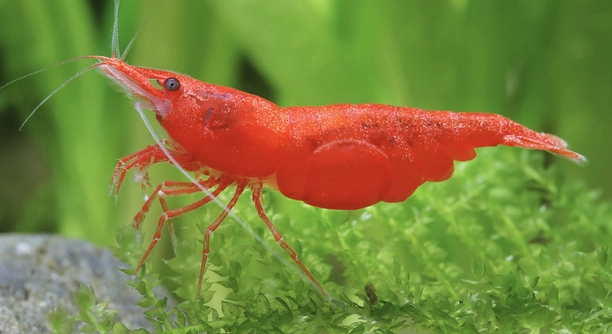
Cherry shrimp are small, colorful freshwater creatures that many aquarium enthusiasts enjoy keeping. Their delicate nature makes them sensitive to changes in their environment, especially in water temperature and overall tank conditions.
Cherry shrimp do react to drops in tank temperature. Sudden decreases can slow their metabolism, reduce activity levels, and impact feeding behavior. Maintaining stable, appropriate temperatures is essential for their health and overall well-being in captivity.
Understanding how temperature changes affect these shrimp can help you create a healthier aquarium. Observing their behavior closely provides insights into maintaining optimal conditions for long-term shrimp survival.
How Temperature Affects Cherry Shrimp Behavior
Cherry shrimp are highly sensitive to changes in their tank environment. When water temperature drops suddenly, their metabolism slows, making them less active. They may hide more often, cling to surfaces, or reduce movement across the substrate. Feeding habits are also affected; shrimp may eat less or stop eating temporarily. Even small temperature fluctuations can stress them, leading to weakened immune systems and increased susceptibility to disease. Consistent temperature control helps maintain normal activity, molting cycles, and breeding behavior. Monitoring the tank regularly ensures the shrimp remain healthy and active, preventing sudden shocks. Small adjustments, such as gradual temperature changes or using a reliable heater, can prevent stress responses and maintain a stable, balanced environment. Understanding these reactions allows for better care and reduces the risk of long-term health issues. Stable water conditions are critical for creating a safe and thriving habitat for cherry shrimp in any aquarium setting.
Temperature changes can also influence molting and growth patterns in cherry shrimp, affecting their overall development.
Monitoring water conditions closely ensures shrimp stay healthy. Gradual adjustments in temperature reduce stress and encourage normal behavior, feeding, and reproduction. A steady environment helps shrimp thrive consistently.
Signs of Stress from Cold Water
Shrimp exposed to colder water often display noticeable stress indicators.
When temperatures drop below their ideal range, cherry shrimp may become lethargic and retreat to hiding spots, leaving surfaces and decorations untouched. Their movements slow, and they often cling tightly to plants or tank walls. Reduced feeding is another common sign, with shrimp ignoring pellets or biofilm they normally graze on. Stress can also lead to delayed molting, stunted growth, and, in severe cases, mortality. Observing these behaviors early allows timely corrective actions. Gradual warming or adding a stable heater can return water to optimal levels. Regular checks and proper equipment prevent sudden drops that disrupt shrimp behavior. Maintaining consistent, appropriate temperatures ensures that shrimp remain active, healthy, and more likely to reproduce. Even small, consistent improvements in tank management can have a meaningful impact on shrimp vitality. Understanding these signs helps aquarium caretakers respond effectively to temperature stress.
Preventing Temperature Drops
Maintaining a stable tank temperature is crucial for cherry shrimp health. Using a reliable heater and monitoring water conditions regularly helps prevent sudden drops. Insulating the tank or avoiding placement near drafts also reduces temperature fluctuations.
Consistent temperature control supports normal shrimp behavior, feeding, and molting. Gradual changes are less stressful than sudden shifts, allowing shrimp to adjust naturally. Monitoring the thermometer daily and making small adjustments when needed prevents shock. Even minor fluctuations can affect shrimp activity, growth, and reproduction. Taking these steps ensures a stable environment that supports shrimp vitality. Proper equipment, like quality heaters and thermometers, is an investment in long-term health and reduces preventable stress-related issues in the tank.
Additional measures, such as covering the tank to retain heat and avoiding sudden cold water additions, further protect shrimp. Pairing these practices with routine water testing ensures optimal conditions. Observing shrimp behavior daily also signals if adjustments are needed before issues arise. Maintaining stability requires diligence but results in healthier, more active shrimp, which thrive in predictable, well-managed environments.
Responding to Cold Stress
Immediate action is needed when shrimp show signs of cold stress. Gently raising the water temperature helps restore normal activity and reduces health risks.
Gradual warming is the safest method to recover stressed shrimp. Sudden heat increases can worsen stress or cause injury. Adjust heaters carefully, aiming for small increments over several hours. Observing shrimp during this time ensures they respond positively, becoming more active and resuming feeding. Removing any uneaten food prevents water quality deterioration, which could compound stress. If stress persists, testing for other factors like ammonia or pH fluctuations is important, as temperature may not be the only issue. Combining careful temperature adjustments with water quality management supports recovery.
Long-term strategies include maintaining stable temperatures, proper tank insulation, and monitoring tools. Keeping records of water conditions helps identify patterns that could trigger stress. Ensuring hiding spots and plants provide shelter further supports shrimp during temperature changes. Responding promptly and thoughtfully to cold stress increases survival rates, encourages normal feeding, and reduces the risk of disease. Over time, consistent practices make the tank more resilient, allowing shrimp to recover quickly from minor fluctuations and remain active, healthy, and thriving.
Ideal Temperature Range
Cherry shrimp thrive in temperatures between 72°F and 78°F. Staying within this range keeps their metabolism steady, supporting normal activity and feeding habits. Regularly checking the thermometer helps maintain a safe and comfortable environment for them.
Water outside this range can slow shrimp activity and affect molting. Temperatures below 70°F or above 80°F can increase stress, reduce immunity, and impact survival.
Tools to Monitor Temperature
Using a reliable aquarium thermometer ensures accurate readings. Digital thermometers with alarms can alert you to sudden drops or spikes. Maintaining consistent monitoring prevents stress-related health problems and helps keep the tank stable.
Seasonal Temperature Changes
Seasonal shifts can affect indoor tank temperatures. Cold winters may require extra insulation or heater adjustments to keep the water stable.
Gradual Adjustments
When changing tank temperature, adjust slowly. Sudden changes can shock shrimp, while small, incremental adjustments allow them to adapt safely.
FAQ
Can cherry shrimp survive brief temperature drops?
Cherry shrimp can survive short, mild drops in temperature if the change is not extreme. Minor fluctuations may slow their activity, but they typically recover once the water returns to a stable range. However, repeated or prolonged drops can weaken their immune system, making them more vulnerable to disease. Monitoring water temperature closely and taking preventive measures helps reduce risks and keeps shrimp healthier over time.
How quickly do cherry shrimp react to cold water?
Shrimp can show signs of stress within minutes to a few hours after water temperature drops. Early signs include reduced movement, hiding more often, and ignoring food. Immediate observation allows you to respond before stress affects molting or long-term health. Gradual recovery is safest, avoiding sudden heat changes.
What is the safest way to raise water temperature?
Slow, incremental adjustments are essential. Raise the temperature by about 1–2°F every few hours, giving shrimp time to adapt. Using a reliable heater with a thermostat ensures accuracy. Avoid sudden changes, which can further stress the shrimp or even cause injury.
Are there long-term effects of repeated cold stress?
Repeated exposure to low temperatures can stunt growth, delay molting, and reduce reproductive activity. Chronic stress also increases susceptibility to bacterial infections and other illnesses. Consistent monitoring, proper tank equipment, and maintaining a stable environment help minimize these long-term risks.
Do shrimp need hiding spots during temperature drops?
Yes, providing plants, decorations, or other hiding spots helps shrimp feel secure when water temperature fluctuates. Sheltered areas allow them to rest and reduce stress, supporting recovery until conditions stabilize.
Can other tank factors worsen cold stress?
Yes, factors like poor water quality, low oxygen levels, or high ammonia levels can compound the stress caused by temperature drops. Ensuring clean, stable water with proper filtration and aeration reduces overall stress and supports shrimp resilience.
Is feeding affected by temperature changes?
Cold water slows metabolism, which often reduces feeding activity. Shrimp may ignore pellets or biofilm temporarily. Once water temperature returns to the normal range, feeding behavior usually resumes. Monitoring appetite helps identify temperature-related stress early.
How do I prevent temperature drops in winter?
Insulate the tank, use a reliable heater, and avoid placing it near drafty windows or doors. Checking the thermometer daily helps catch minor drops before they affect shrimp. Small preventive steps create a safer, more stable environment for year-round care.
Can shrimp recover fully from cold stress?
With proper care, most cherry shrimp recover fully from mild cold stress. Gradually restoring water temperature, maintaining clean water, and providing hiding spots support recovery. Severe or prolonged stress may have lasting effects, so prevention is always better than reaction.
How often should I monitor tank temperature?
Daily monitoring is ideal, especially during seasonal changes or if the room temperature fluctuates. Keeping a consistent check allows early intervention and prevents stress-related health issues. Recording readings can help track trends and improve long-term shrimp care.
Do young shrimp react differently to cold water than adults?
Yes, juveniles are often more sensitive. Sudden drops can slow their growth and make them more vulnerable to disease. Extra care with gradual temperature adjustments is important for younger shrimp, ensuring healthy development and survival.
Can tank mates affect how shrimp handle cold?
Some tank mates may be more tolerant of temperature changes, but aggressive or active species can increase stress for shrimp during cold periods. Providing sufficient hiding spots and observing interactions helps protect more sensitive shrimp.
Are certain shrimp colors more sensitive to temperature drops?
Color variations generally do not affect temperature sensitivity. All cherry shrimp react similarly to drops in water temperature, though stress can make colors appear duller temporarily. Maintaining stable conditions keeps their natural coloration vibrant and healthy.
What signs show shrimp are recovering from cold stress?
Increased movement, resumed feeding, normal molting, and exploring the tank are good indicators. Gradual return to normal behavior signals that water temperature is back within a safe range and shrimp are adjusting comfortably.
How can I prepare my tank for unexpected cold snaps?
Keep a reliable heater and thermometer, insulate the tank, and have hiding spots for shrimp. Monitoring weather patterns and maintaining steady indoor temperatures helps prevent sudden drops, keeping shrimp safe and stress-free.
Final Thoughts
Cherry shrimp are delicate creatures that thrive best in stable environments. Maintaining a consistent water temperature is one of the most important aspects of their care. Sudden drops can cause stress, slow metabolism, reduce feeding, and even interfere with molting. While they may survive minor fluctuations, repeated or prolonged exposure to cold water can lead to long-term health issues. Observing shrimp closely and keeping track of their behavior allows for early detection of stress. Simple steps, like checking the thermometer daily, using a reliable heater, and avoiding placement near drafts or cold windows, go a long way in preventing problems. Even small improvements in tank management create a safer and more comfortable environment for the shrimp.
Understanding how cherry shrimp react to temperature changes helps caretakers make informed adjustments. Signs such as hiding, reduced movement, and decreased feeding are all indicators that the shrimp are feeling stressed. Providing hiding spots in the tank, such as plants or decorations, gives them a secure place to retreat while water conditions stabilize. Gradual adjustments to temperature, rather than sudden increases or decreases, are crucial to avoid shocking the shrimp further. Water quality also plays a key role during temperature changes. Clean water with proper filtration and aeration supports shrimp recovery and reduces additional stress. Combining careful observation, consistent temperature control, and attention to water quality ensures the shrimp remain active, healthy, and resilient.
Long-term care involves planning for seasonal changes and being prepared for unexpected drops in temperature. Insulating the tank, monitoring indoor temperatures, and recording daily thermometer readings helps maintain stability. Juvenile shrimp are especially sensitive, so extra attention is needed during colder periods. Even with adult shrimp, sudden stress can affect feeding, reproduction, and overall vitality. By maintaining a steady temperature range, providing hiding spots, and responding promptly to signs of stress, caretakers can create a thriving environment. Healthy, well-maintained tanks support natural behavior, encourage regular feeding, and allow shrimp to grow and reproduce successfully. Consistent care and preventive measures are the best ways to ensure cherry shrimp remain happy and healthy in their home aquarium.

Hello,
If you enjoy the content that we create, please consider saying a "Thank You!" by leaving a tip.
Every little bit helps us continue crafting quality advice that supports the health, happiness, and well-being of pets around the world, for pets of all shapes, sizes, and species.
We really appreciate the kindness and support that you show us!