
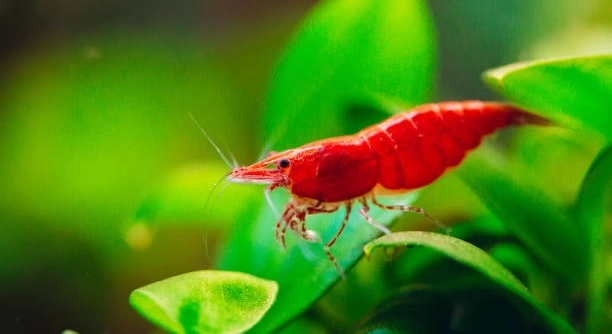
Do you ever find yourself adjusting your aquarium setup hoping your shrimp will thrive in a space that truly supports their needs while keeping them safe, comfortable, and active in their maintained aquatic world day?
A perfect shrimp habitat is defined by stable water parameters, ample hiding structures, balanced plant life, and consistent filtration that prevents harmful fluctuations. These conditions create an environment that promotes healthy behavior, successful molting, and long term vitality for shrimp.
Each sign offers a clearer view of what makes your shrimp feel secure and supported, helping you strengthen their environment.
Stable and Clear Water Conditions
Keeping the water stable is one of the strongest signs that your shrimp habitat is set up correctly. When parameters stay consistent, your shrimp experience far less stress and settle into a comfortable routine. Clear water, steady temperatures, and balanced minerals help them stay active without sudden shifts interrupting their behavior. As a woman who enjoys caring for small aquatic creatures, I always notice how confident shrimp become when the water stays clean and predictable. Their colors appear brighter, their movements look smoother, and they explore more freely. This stability also supports steady molting, which is essential for their growth. When everything remains balanced, you can trust your shrimp are living in a supportive environment that matches their natural needs.
Stable conditions help shrimp feel secure and ready to explore their space comfortably, letting them move around without dealing with stressful changes.
A well maintained tank with predictable water behavior helps shrimp develop natural routines that support their growth. When the water stays clean and clear, they take on stronger colors and show more active movement. You will also notice they spend more time grazing on surfaces, which is a sign they feel at ease. Balanced minerals and healthy filtration work together to create a calm environment that supports healthy molting. Over time, these stable elements encourage shrimp to become more confident, more visible, and more interactive in their tank.
Abundant Natural Hiding Spots
Safe hiding spaces help shrimp feel protected and able to rest without stress. When they can tuck themselves away, they stay healthier and more energetic in the long run.
A tank filled with small caves, plant clusters, and natural textures gives shrimp plenty of places to retreat. These sheltered areas support their comfort during delicate moments like molting, when they need privacy and protection. By offering various hiding options, you help them avoid unnecessary stress and allow them to move confidently between open areas and covered spots. Shrimp naturally prefer environments where they can choose how visible they want to be, so adding driftwood, mosses, and small rock structures creates a balanced layout. Over time, these spaces encourage natural grazing habits and steady activity. The more secure they feel, the more they explore, feed, and interact throughout the tank. This sense of safety is a key sign that your habitat meets their needs and keeps them thriving.
Healthy Plant Growth and Grazing Behavior
Shrimp rely on steady plant growth to feel supported, and their grazing habits become more active when plants stay healthy. Seeing them pick at leaves and surfaces shows the habitat provides natural food sources that help them stay energetic and confident.
Healthy plants create a steady supply of biofilm, which shrimp depend on for daily feeding. As a woman who enjoys watching these small details, I notice how shrimp move calmly when plants stay lush and strong. Their grazing becomes consistent, their colors deepen, and they settle into predictable routines. Plants also act as natural shelters, giving them soft places to rest and hide when needed. When the growth stays steady, the tank maintains biological balance, helping everything remain stable. This mix of food and shelter makes their environment feel dependable and supportive.
Good plant health also improves water quality, which directly affects shrimp behavior. When plants absorb excess nutrients, the water stays clearer and more comfortable for shrimp. This reduces stress and keeps their movements gentle and steady. I often see them choosing different areas based on plant coverage, shifting between feeding and resting without hesitation. This calm activity shows they trust their surroundings. When plants thrive, shrimp have what they need to stay active, visible, and secure inside the tank.
Consistent Molting and Shell Quality
Frequent molting with clean, complete sheds shows shrimp receive the right minerals and nourishment. When they molt without struggling, their bodies grow stronger, and their shells harden properly after each cycle, confirming the habitat supports their overall health.
A stable environment with balanced minerals helps shrimp prepare for each molt comfortably. As a woman who pays close attention to their behavior, I notice how shrimp move more freely when they feel ready to shed. After molting, their new shells firm up steadily when calcium and other nutrients stay consistent. Clean molts scattered around the tank show their bodies are developing normally. When they return to grazing soon after shedding, it signals that their transition was smooth. This pattern continues when the water remains stable, the food supply stays varied, and the habitat gives them space to rest safely. Each successful molt reinforces that the shrimp are growing well and benefiting from a balanced, well maintained setup.
Active and Calm Daily Movement
Shrimp that move steadily without frantic bursts show they feel secure in their environment. Their gentle grazing, slow climbing, and balanced activity levels reveal a habitat that supports their natural rhythms and keeps their stress levels low.
Consistent movement patterns also indicate that the water remains stable and the tank layout fits their needs. When shrimp explore without hesitation, it shows they trust their surroundings and have enough space to move comfortably.
Balanced Feeding Responses
A healthy shrimp habitat encourages predictable feeding behavior. When shrimp gather quickly at food sources and return to grazing afterward, it reflects a tank with proper nutrition, steady biofilm production, and a balanced routine that keeps them well supported throughout the day.
Clear Tank Surfaces
Clean tank surfaces with visible grazing marks show shrimp are active, healthy, and receiving enough natural food. Their steady picking and cleaning help maintain good tank conditions while reflecting their confidence in the habitat you have created.
How often should I check water parameters for my shrimp tank?
Checking water parameters regularly is essential for keeping shrimp healthy. I make it a habit to test temperature, pH, ammonia, nitrite, and nitrate at least once a week. Doing this helps me catch any shifts early, which prevents stress and ensures the shrimp remain active and comfortable. Stable water conditions support molting, feeding, and normal behavior.
What plants are best for shrimp habitats?
Shrimp thrive with mosses, floating plants, and fine-leaved species like Java moss, Anubias, and Marimo balls. These plants provide surfaces for grazing biofilm, natural hiding spots, and oxygenation. I usually pair a variety of these plants to maintain balance, creating both open spaces for movement and dense areas for protection.
How do I know if my shrimp are molting properly?
Successful molting is visible when shrimp shed their old shells completely and return to grazing shortly afterward. Broken or incomplete molts indicate stress or nutrient deficiencies. I observe my shrimp after molting, making sure they hide and recover in a safe spot while their new shells harden over a day or two.
Can shrimp live with other species in the same tank?
Yes, but compatibility is key. Small, non-aggressive fish like neon tetras or snails can coexist safely. I avoid larger or predatory fish that could harm shrimp. Mixed species tanks work best when the shrimp have ample hiding places and enough food to avoid competition.
What is the ideal temperature for most freshwater shrimp?
Most freshwater shrimp do well between 72°F and 78°F (22°C–26°C). I use a heater to maintain a steady temperature and a thermometer to monitor fluctuations. Consistent warmth reduces stress and encourages active grazing and healthy molting.
How much should I feed my shrimp?
Feeding small amounts once daily or every other day works best. Overfeeding can pollute the water, while underfeeding limits growth. I usually add just enough food that shrimp can finish within a few hours, relying on natural biofilm in the tank to supplement their diet.
Why are hiding spots important for shrimp?
Shrimp feel more secure when they have places to retreat. Hiding spots reduce stress during molting and encourage natural grazing behavior. I like using small caves, moss, and plant clusters to provide both shelter and exploration areas, making the shrimp more confident and active throughout the tank.
How do I maintain clear water without stressing shrimp?
Regular partial water changes, proper filtration, and avoiding overfeeding are the best approach. I change about 10–20% of the water weekly while keeping the temperature and parameters consistent. This routine maintains clarity without shocking the shrimp or disrupting their habitat.
What are signs of a healthy shrimp habitat?
Active movement, steady molting, bright colors, clear water, and visible grazing all indicate a thriving environment. I watch for consistent behavior, calm swimming, and regular feeding patterns. When these signs are present, it shows the habitat is stable, balanced, and fully supporting the shrimp’s needs.
How can I encourage shrimp to breed in my tank?
A stable environment with clean water, abundant hiding spots, and consistent feeding encourages natural breeding. I maintain a gentle filtration system and plenty of plants where females can hide during molting. When the shrimp feel safe, they breed naturally without additional intervention.
What should I do if a shrimp dies suddenly?
Sudden death can be caused by poor water quality, stress, or disease. I remove the shrimp promptly to prevent water contamination and test the tank for changes in ammonia, nitrite, nitrate, and pH. Observing the remaining shrimp closely helps prevent further loss and ensures the habitat remains safe.
How long do shrimp typically live in a well-maintained habitat?
Most freshwater shrimp live 1.5 to 2 years, sometimes longer with excellent care. I focus on stable water, balanced nutrition, and proper hiding places to help them reach their full lifespan while staying active and vibrant in the tank.
Can I use tap water for my shrimp tank?
Yes, but it must be treated to remove chlorine and heavy metals. I use a water conditioner and sometimes test for hardness and pH adjustments. Properly treated tap water is safe and supports the overall health of the shrimp without introducing stressors.
How do I prevent algae overgrowth in a shrimp tank?
Moderate lighting, limited nutrients, and consistent plant growth help control algae. I avoid leaving lights on too long and add fast-growing plants that compete for nutrients. Shrimp grazing also helps keep algae in check while maintaining a balanced, clean environment.
What role does biofilm play in a shrimp tank?
Biofilm provides a natural food source and supports healthy behavior. I encourage its growth by maintaining live plants, driftwood, and surfaces where microorganisms can thrive. Shrimp graze on biofilm constantly, which supplements their diet and keeps them active throughout the tank.
How often should I clean decorations and plants?
Light cleaning every few weeks is sufficient. I rinse moss or ornaments gently without using chemicals. Overcleaning can remove biofilm and stress shrimp, so I handle everything carefully to maintain a balanced environment that supports grazing and hiding behaviors.
Is it necessary to use a filter in a shrimp tank?
Yes, a gentle filter keeps water clean and oxygenated without creating strong currents. I choose sponge or low-flow filters to prevent shrimp from being sucked in and to allow safe, continuous water movement that supports a healthy habitat.
Can I introduce new shrimp to an established tank?
Yes, but quarantine is important. I keep new shrimp separate for a few weeks to monitor for illness. Gradual introduction ensures they adapt without spreading disease or stress, keeping the established shrimp safe and the habitat stable.
What minerals are essential for shrimp health?
Calcium, magnesium, and trace minerals support shell growth, molting, and overall vitality. I supplement these through mineral-rich foods or additives, making sure levels remain consistent to prevent weak shells and stress. Regular testing ensures the habitat continues to provide adequate support.
How do I handle aggressive behavior among shrimp?
Aggression is rare but can happen with overcrowding or insufficient hiding spots. I separate overly aggressive individuals and ensure each shrimp has enough space. Adding more plants or caves reduces conflicts, creating a calm environment where all shrimp feel secure and supported.
Why is observing shrimp behavior important?
Watching shrimp daily helps spot stress, illness, or environmental issues early. I notice changes in activity, grazing, and color, allowing timely adjustments to water, feeding, or tank setup. Regular observation ensures shrimp remain healthy and the habitat stays well maintained.
This FAQ section covers common concerns and practical solutions for maintaining a thriving shrimp habitat, offering guidance that reflects both experience and care.
Creating a perfect shrimp habitat takes attention to detail, consistency, and observation. Every element of the tank contributes to the overall well-being of the shrimp. Stable water conditions, healthy plants, safe hiding spots, and a balanced feeding routine all play a role in maintaining a thriving environment. By keeping water parameters consistent, monitoring temperature, pH, and nutrient levels, shrimp can live with minimal stress. Clear, filtered water supports their daily behavior, allowing them to move freely, graze naturally, and molt without complications. Each adjustment, no matter how small, can make a noticeable difference in how the shrimp behave and how healthy they appear. Observing their daily routines provides insight into whether the habitat meets their needs and helps identify areas that may require improvement.
Healthy plants and natural grazing surfaces are also essential for maintaining a successful shrimp habitat. Plants offer both food and shelter, creating spaces where shrimp feel safe during molting or periods of rest. Mosses, fine-leaved plants, and slow-growing species encourage biofilm growth, which serves as a natural food source for shrimp. At the same time, these plants contribute to water quality by absorbing excess nutrients, which helps prevent algae overgrowth and keeps the tank clear. By paying attention to plant health and observing how shrimp interact with these surfaces, you can better understand the balance between feeding and shelter. The presence of healthy plants encourages steady grazing, calm movement, and overall activity, all of which are signs that the environment is supportive and well-maintained.
Finally, providing a habitat where shrimp can thrive requires consistency and patience. Each shrimp has its own pace, and they respond positively to environments that are predictable and balanced. Proper hiding spots, gentle filtration, and sufficient mineral levels help support molting, shell growth, and long-term vitality. Regular observation allows for early detection of issues such as stress, illness, or changes in behavior. By maintaining these key factors, shrimp remain active, colorful, and confident, which is the ultimate indicator of a well-designed habitat. Over time, these practices create an environment that is stable, balanced, and beneficial for all shrimp in the tank, supporting their growth, reproduction, and overall well-being.

Hello,
If you enjoy the content that we create, please consider saying a "Thank You!" by leaving a tip.
Every little bit helps us continue crafting quality advice that supports the health, happiness, and well-being of pets around the world, for pets of all shapes, sizes, and species.
We really appreciate the kindness and support that you show us!