
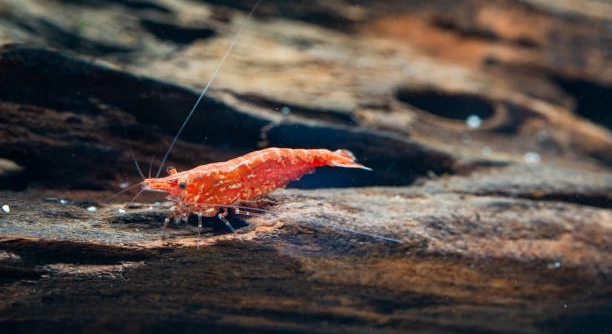
Have you ever found yourself curious about the way cherry shrimp behave during different moon phases, especially when the full moon brings brighter light and subtle changes to their calm underwater world inside an aquarium.
Cherry shrimp do not display significant behavioral changes during full moons, although increased ambient light can cause elevations in visible activity. Their movements primarily reflect stable environmental conditions, such as water quality, temperature, and shelter availability, rather than lunar phases.
As you learn more about their subtle behaviors, you may notice how environmental shifts shape the rhythm of their routines.
Understanding Cherry Shrimp Activity Patterns
Cherry shrimp often move with a gentle rhythm that reflects the conditions around them, and I have noticed how their behavior shifts with small changes in their environment. They rely on stable lighting, calm water, and safe places to hide, which helps them feel secure. When these needs are met, they tend to show steady activity that feels predictable and comforting. I pay attention to how they react during dim evenings, bright mornings, and natural changes in room lighting, since these subtle cues shape how active they become. Their responses are usually mild, yet they still give clues about what they prefer. Watching them explore plants or sift through soft substrate can show whether they feel relaxed or unsettled. By understanding these signs, it becomes easier to support their natural routines and avoid unnecessary stress. Careful observation also helps build confidence in the choices you make for the tank setup.
These behavioral patterns stay mostly consistent, shaped by lighting, water quality, and tank layout. I watch for small shifts that may hint at discomfort, since steady routines usually mean they feel safe. Understanding these details makes caring for them easier and helps keep their environment balanced through each passing day.
Cherry shrimp react to even small changes in light and movement around their tank, and I have seen how gentle adjustments can influence their comfort. Brighter conditions may encourage them to move more openly, while dimmer moments make them settle into shaded spaces. Their reactions are subtle, yet they offer useful clues for anyone trying to understand their patterns. I stay aware of these details so I can support what keeps them calm and active. When their environment stays stable, they appear more confident, exploring the tank with smooth motions that show they feel secure in their peaceful daily routines.
Factors That Influence Their Behavior
Lighting shifts, temperature changes, and tank stability play major roles in how cherry shrimp behave, and I try to keep these elements steady. Even small disruptions can shape their activity, making it important to maintain conditions that help them feel calm and supported in their space during each day cycle.
Cherry shrimp respond strongly to the overall stability of their environment, and I have learned how much their comfort relies on gentle consistency. Good water quality, steady temperature, and reliable filtration create a space where their natural behavior can develop without stress. When these elements remain balanced, they move with confidence, exploring plants, grazing on biofilm, and interacting lightly with each other. I pay attention to how the tank looks at different times of day because natural light from windows or room lamps can influence how visible their activity becomes. They may appear slightly more active when the room is brighter, but this effect usually comes from their increased visibility rather than a true behavioral change. I also notice how important shelter is for them, since they retreat to shaded areas when they feel unsure. Providing dense plants, small caves, or leaf litter helps them regain a sense of safety. When they feel protected, they return to exploring the tank at a calm pace. Careful maintenance supports all of these habits, allowing their routines to stay smooth. By keeping their environment predictable, you create a setting that encourages healthy activity and gentle movement that reflects how comfortable they feel today.
Light Levels and Activity Changes
Cherry shrimp react to lighting shifts in simple ways, and I often notice how their movement changes with brighter or dimmer moments. When the tank stays evenly lit, they behave with a steady rhythm that reflects comfort, helping them explore without sudden shifts that might unsettle them.
Their activity becomes easier to understand when the lighting remains predictable. I have watched them move more freely when the room feels bright, although much of this comes from being easier to see rather than a true increase in motion. Soft lighting helps them feel secure, and they wander through plants with slow, gentle movements that show calm behavior. When shadows appear, they settle into covered spots, adjusting naturally to the environment. These small reactions make it clear that stable lighting supports their confidence each day.
Keeping lights consistent helps reduce unnecessary stress, and I notice how this steadiness makes their routines more reliable. When the tank avoids sudden changes, they graze, explore, and rest without hesitation. By watching how they respond, I have learned how important it is to avoid harsh contrasts or abrupt shifts that can disrupt their peaceful pace.
How Tank Layout Shapes Their Comfort
Cherry shrimp rely on the layout of their tank to feel safe, and I pay close attention to how plants, rocks, and shaded areas influence their behavior. A setup that feels natural supports their calm movements and helps them settle without reacting to every small disturbance.
A thoughtful layout creates spaces where they can wander at a slow pace while still having access to hiding spots. I have seen how dense plants and soft surfaces encourage relaxed behavior, giving them places to graze without feeling exposed. When the tank includes leaf litter, caves, and gentle textures, they use these areas throughout the day. This steady use of shelter shows how much they depend on structure to feel protected. By keeping the design consistent and avoiding frequent rearranging, their behavior stays smooth, and their activity reflects comfort rather than uncertainty.
Why Stability Matters
Cherry shrimp stay calmer when their tank conditions remain steady, and I have seen how even small fluctuations can influence their comfort. Stable water quality, predictable lighting, and a quiet environment help them maintain smooth routines that reflect security in their daily movements.
When everything stays consistent, they explore more confidently. I notice how they graze along surfaces without rushing, showing they trust their surroundings. Sudden changes can make them retreat, so keeping things balanced supports a peaceful rhythm that carries through their entire day.
How Water Quality Influences Activity
Good water quality plays a major role in how active cherry shrimp appear, and I always keep a close eye on these details. Clean, well-filtered water helps them move freely without signs of stress. Ammonia and nitrite should stay at zero, while nitrate should remain low to avoid discomfort. Regular water changes, gentle filtration, and slow adjustments help them stay steady and relaxed. Their behavior becomes clearer to read when the water remains consistent, allowing them to graze on biofilm, interact lightly with each other, and explore plants without hesitation. When water quality drops, their movements become slower and more cautious. By keeping conditions clean, their natural behaviors appear more regularly and feel easier to understand.
Seasonal Changes
Cherry shrimp may show mild shifts when room temperatures vary, and I have noticed how their pace can slow slightly in cooler periods. These small adjustments are normal, and keeping their environment steady helps them stay comfortable throughout different seasonal transitions.
FAQ
Do cherry shrimp become more active during full moons?
Cherry shrimp do not have a clear behavioral change tied directly to full moons. I have observed their movement in well-lit tanks during different moon phases, and their activity stays mostly consistent. Any apparent increase usually comes from changes in visibility or surrounding light rather than the lunar cycle itself. Stable water, good plants, and secure hiding spots have a bigger influence on how often they move and explore.
How can I tell if my shrimp are stressed?
Stress in cherry shrimp shows through subtle signs. I look for shrimp hiding more than usual, swimming erratically, or remaining motionless for long periods. Stress often results from sudden water changes, poor water quality, temperature fluctuations, or insufficient shelter. When their environment is predictable, they exhibit calm grazing, gentle exploration, and steady interaction with other shrimp.
Does lighting affect their behavior?
Lighting has a noticeable effect on how cherry shrimp behave. Brighter conditions can make them more visible, which may give the impression of increased activity. Dim or stable lighting encourages them to move confidently while still using plants or decorations for cover. I usually adjust lights gradually to avoid startling them.
Are tank decorations important for their movement?
Yes, tank decorations play a major role in their comfort and movement. Plants, rocks, and caves provide shelter and grazing surfaces, giving them confidence to explore. I’ve noticed shrimp return repeatedly to these spots, which helps maintain smooth, predictable activity patterns. Rearranging the tank too often can cause stress and sudden retreats.
Do seasonal changes impact shrimp behavior?
Seasonal shifts can affect shrimp subtly, mainly through temperature changes in the room. Cooler temperatures may slow them down slightly, while warmer periods encourage steady movement. Maintaining a stable tank temperature and avoiding rapid fluctuations helps keep them active and relaxed throughout the year.
How often should I check water quality?
Regular water checks are essential. I test ammonia, nitrite, nitrate, and pH levels at least once a week. Keeping ammonia and nitrite at zero and nitrate low helps shrimp remain healthy and active. Small, consistent water changes prevent sudden shocks and support calm daily routines.
Can tankmates affect shrimp activity?
Tankmates have a strong influence on shrimp comfort. Aggressive fish or large species may cause shrimp to hide more and move less. I usually choose small, peaceful tankmates to encourage natural grazing and exploration without fear. Safe companions help shrimp show their true behaviors rather than stress-induced hiding.
Why do some shrimp move at night?
Cherry shrimp can exhibit slight nocturnal activity, especially if lights are dimmed. I’ve noticed them grazing more actively in shaded areas during evening hours. This behavior is normal and does not indicate stress; it simply reflects their tendency to use lower light conditions for safe exploration.
How can I encourage more visible activity?
To observe shrimp clearly, maintaining stable water and providing gentle lighting helps. Adding plants, moss, or leaves gives them surfaces to graze on and encourages exploration. I find that consistent feeding and calm surroundings also make their natural movements more noticeable. Avoid sudden changes, which can reduce activity temporarily.
Is it normal for shrimp to hide most of the time?
Yes, hiding is part of their natural behavior. Shrimp feel safest in plants, caves, or leaf litter, especially when new to a tank. I watch them emerge gradually as they become comfortable. Providing plenty of secure spots reduces stress and allows them to explore in their own time without forcing visibility.
This FAQ covers the main aspects of cherry shrimp activity and how environmental factors influence their behavior, helping ensure they stay comfortable, active, and healthy.
Cherry shrimp are delicate creatures whose behavior often reflects the stability of their environment rather than external cycles like the full moon. I have observed how small, consistent adjustments in lighting, temperature, and tank layout make a bigger difference than natural lunar changes. Their activity patterns are subtle, showing slow grazing, gentle exploration, and occasional resting. Most of the time, they move at a steady pace, adjusting naturally to the space they are given. Providing an environment that is predictable helps them feel secure, which encourages smoother and more visible behaviors. Even minor fluctuations, such as sudden bright lights or shifts in water conditions, can cause them to retreat or slow down temporarily. Understanding this helps anyone caring for them create a stable, comfortable habitat that supports their natural habits rather than attempting to force behavior during specific lunar events.
Tank setup and environmental consistency play major roles in shaping how cherry shrimp behave on a daily basis. Plants, moss, rocks, and hiding spots provide comfort and allow them to move confidently. I have noticed that shrimp will return repeatedly to favorite areas, grazing on biofilm or exploring small nooks without stress. Lighting also affects their movements, not because of the moon itself but because brightness influences visibility and sense of safety. Dim lighting often encourages them to venture out more cautiously, while bright or sudden lights can make them hide. Regular water testing and gentle maintenance are essential to ensure the tank remains free from harmful chemicals or sudden changes that can disturb their routine. Over time, maintaining this steady environment allows their behavior to remain predictable, and it becomes easier to notice small variations that reflect their well-being.
Understanding cherry shrimp behavior requires patience and careful observation. Their responses to environmental conditions are subtle but meaningful, and I have found that supporting their comfort with consistent care encourages more natural activity. Stable water quality, reliable temperature, gentle lighting, and a thoughtfully arranged tank create an atmosphere where shrimp can explore, feed, and rest at their own pace. Stress is reduced when their surroundings are calm and predictable, which in turn supports health and longevity. While it can be tempting to look for dramatic changes during full moons, the most important factors are those that are under direct control, like maintenance routines and tank layout. Paying attention to these details allows anyone keeping cherry shrimp to better understand their habits, recognize signs of stress early, and provide a safe, stable environment that promotes steady, natural behavior throughout the year.

Hello,
If you enjoy the content that we create, please consider saying a "Thank You!" by leaving a tip.
Every little bit helps us continue crafting quality advice that supports the health, happiness, and well-being of pets around the world, for pets of all shapes, sizes, and species.
We really appreciate the kindness and support that you show us!