
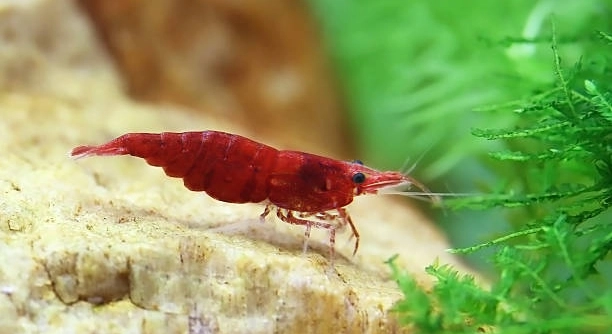
Are your cherry shrimp avoiding their usual feeding spot, creating a shift in the aquarium routine as you try to understand what may be influencing their behavior and subtly changing the balance within their environment.
Cherry shrimp commonly avoid the food area due to stress, inadequate water parameters, territorial pressure, or competition. These conditions interrupt normal feeding patterns by triggering instinctive avoidance behaviors that prioritize safety and stability over access to food within their habitat.
Exploring these factors reveals how subtle environmental shifts can influence their habits and guide you toward improving comfort within aquarium.
Common Reasons Cherry Shrimp Avoid Food Areas
When cherry shrimp stop gathering around their usual feeding spot, the change often points to simple conditions within the tank that influence how comfortable they feel moving across open areas. These small creatures respond strongly to their surroundings, so even minor shifts can shape how they behave from day to day. Stress from active tank mates, fluctuating water parameters, bright lighting, or leftover debris can make them prefer sheltered sections where they feel safer. Their instincts keep them close to surfaces and plants that offer protection. As a woman who has spent plenty of time watching shrimp settle into routines, I have noticed how quickly they react to anything that breaks their sense of stability. Food itself is rarely the problem. The space around the food often matters more. Understanding these patterns helps you notice what is out of place so the tank feels calmer and encourages them to return.
A clear pattern usually appears when you observe their movements closely. They avoid exposed spaces when something disrupts comfort, including sharp noise, sudden lighting changes, or unfamiliar tank mates. Small adjustments often lead them back to the feeding area once they regain a sense of safety in their daily routine.
Once you start paying attention to these small signals, it becomes easier to address what is affecting their behavior. Cleaning hidden debris, lowering bright lights, improving water stability, and giving them quiet spaces can support a calmer atmosphere. Cherry shrimp respond well to consistency and gentle care. When the environment feels steady, they move with more confidence and show healthier feeding habits. I have seen how even cautious shrimp begin returning to open areas once they sense predictability around them. Creating this balance supports their comfort, making daily feeding feel natural rather than stressful for their ongoing wellbeing every day.
How Tank Conditions Influence Feeding Behavior
Tank conditions shape how shrimp behave around food, especially when stability is disrupted. Even small imbalances such as rising nitrates, crowded spaces, or lingering waste can shift their patterns. Understanding these influences helps you see what needs attention so the tank feels safer for regular feeding each and every time.
Water quality is one of the strongest factors influencing whether cherry shrimp approach the feeding area with confidence. When parameters drift from their comfort range, they instinctively retreat to sheltered corners that offer stability. Ammonia traces, rising nitrites, or elevated nitrates can quickly change how they navigate the tank. Regular monitoring helps prevent these fluctuations, especially in planted tanks where decomposition can progress unnoticed. Flow strength also matters, because strong currents near the feeding zone can discourage them from settling long enough to eat. A moderate, gentle flow keeps them comfortable and encourages natural movement. Overcrowding is another influence, since too many tank mates lead to stress that limits exploration. Shrimp thrive when they have space to graze, hide, and move without pressure. Maintaining balanced biofilm, clean substrate, and steady lighting gives them a predictable rhythm throughout the day. As someone who spends time observing these subtle behaviors, I have seen how a calm environment encourages healthier feeding patterns. When the tank stays consistent, they leave hiding places more often and gather around food with ease. Small choices such as regular cleaning, quiet surroundings, and mindful stocking support a peaceful aquarium that keeps them active and comfortable during feeding.
Adjusting the Environment for Better Feeding Response
Lighting has a strong influence on how freely cherry shrimp move around the tank. Bright or direct lighting makes them hide for longer periods, especially if they already feel uneasy. Soft, steady lighting helps them feel secure enough to approach the food area more consistently.
Improving their surroundings often leads to noticeable changes in feeding behavior. When I dim lights gradually, clear debris, or adjust hiding spots, shrimp begin settling into calmer routines. Stable water parameters support this comfort, making them more willing to travel across open sections without hesitation. Consistency matters, because abrupt changes can disrupt their confidence. Creating shaded zones and keeping flow gentle also helps them shift back into regular grazing around feeding areas. These small adjustments encourage them to stay active and visible throughout the day, forming habits that feel natural and steady within their environment.
Shrimp respond positively when the tank layout supports their need for safety. Adding plants, smooth rocks, or small shelters gives them places to pause while moving toward food. When the tank feels balanced, they explore more freely and gather in familiar spots with ease. I often see them return to predictable patterns once clutter is removed and spaces are arranged to feel open but still secure. Even timid shrimp become more comfortable as the environment becomes calmer, allowing them to feed without retreating. These simple layout changes can make a noticeable difference in how often they visit the feeding area.
Social Dynamics and Competition
Cherry shrimp can change their behavior when tank mates create pressure that limits their movement. Even peaceful species may cause stress when they occupy the same feeding zone too aggressively. Giving shrimp their own calmer space often reduces hesitation and supports more consistent feeding patterns.
When the tank becomes crowded or active fish dominate the open areas, shrimp retreat to quieter corners. I have watched how quickly they shift their routes when larger tank mates claim the food space. Adjusting feeding spots or offering sinking foods in multiple locations helps reduce this competition. Shrimp benefit from having peaceful sections where they can graze without interruption. Keeping the tank lightly stocked also lowers stress and encourages healthier routines. When they feel less pressure, they return to their usual feeding area with far more confidence, allowing their natural behaviors to develop without disruption.
xxxxxxxxxxxxxxxxxxx
Feeding frequency can shape how confidently cherry shrimp approach the food area. When feeding is inconsistent or too infrequent, they may wander less and stay hidden longer. Offering predictable portions at regular times helps them feel secure enough to return to familiar spots without hesitation and settle into calmer habits.
Overfeeding can also lead to leftover debris that pushes shrimp away from the feeding spot. When excess food settles, it alters water stability and attracts unwanted activity. Keeping portions small and easy to finish supports cleaner conditions, allowing shrimp to approach the area comfortably and maintain steady feeding behavior patterns.
xxxxxxxxxxxxxxxxxxx
Water movement plays a meaningful role in how cherry shrimp behave around feeding spots. Strong currents near the food area make them avoid open ground because they struggle to stay in place long enough to eat. When the flow is too forceful, they prefer plants and sheltered sections where they feel stable. Adjusting the filter output or redirecting the flow with decorations creates gentler movement that allows them to settle comfortably. I have seen shrimp return to their usual feeding paths once the current becomes softer, showing how even small changes can restore their confidence and improve their feeding consistency.
xxxxxxxxxxxxxxxxxxx
Food types can influence how often shrimp visit the feeding zone. Some pellets break down too quickly or lack strong scent, making shrimp lose interest. Choosing stable, slow-sinking foods encourages steady grazing and helps them recognize the feeding area as a reliable spot where they feel comfortable returning regularly again.
FAQ
Why are my cherry shrimp avoiding the food area even when the food is fresh?
Cherry shrimp often avoid the feeding zone when the environment feels unstable. Even fresh food will not draw them out if the lighting is harsh, the current is too strong, or they sense changes in water quality. I have noticed this in my own tanks when parameters drift slightly or when the room becomes noisier than usual. They withdraw to calmer corners until conditions feel steady again. When the surroundings become predictable, they return to their usual habits and gather around the feeding spot without hesitation. Stability often matters more to them than the food itself.
Can leftover food make cherry shrimp avoid the feeding spot?
Leftover food can cause them to move away because it breaks down and affects water quality. Decomposing food leads to cloudy areas, small bacteria blooms, or slight ammonia traces that shrimp react to strongly. They sense these changes quickly and choose safer areas with cleaner surfaces. Small, controlled portions help keep the area stable, and I have seen how much more confidently they move when the feeding zone stays clear and fresh. Regular cleaning supports this comfort and encourages better feeding patterns.
Do tank mates influence how shrimp behave during feeding?
Tank mates have a noticeable effect on shrimp confidence. Even peaceful fish can claim the feeding area in ways that push shrimp aside. When shrimp feel pressured, they move quietly into sheltered spaces and stay there until the environment becomes calmer. Larger or fast-moving fish make this effect stronger. Giving shrimp their own feeding section or spreading food across different spots reduces this tension. I often see a quick improvement once the pressure from tank mates is reduced or redirected.
Can lighting changes make shrimp stop approaching their food?
Sharp lighting changes can easily disrupt shrimp behavior. Bright or direct light makes them feel exposed, so they hide among plants or behind decorations. If the feeding zone sits under harsh light, they hesitate to visit even during their usual feeding times. Softer light encourages steady movement, and a gradual adjustment period helps them settle. Whenever I soften the lighting in my tanks, shrimp become visibly more relaxed and approach the feeding area more often.
Could poor water parameters cause them to avoid the feeding area?
Water parameters are one of the strongest influences on their behavior. Shrimp are extremely sensitive to ammonia, nitrite, nitrate, and sudden pH shifts. Even small changes make them cautious. When the water becomes uncomfortable, they retreat to hidden sections where the conditions feel slightly more stable. Regular testing and small, consistent water changes keep them active and willing to approach the feeding spot. I have seen how quickly their habits improve once the water becomes steady again.
Do strong currents make shrimp avoid food?
Strong currents can force shrimp away because they cannot stay in place long enough to eat. They prefer still or gently moving areas where they can graze without being pushed around. Redirecting the filter flow or adding decorations to soften the current makes a big difference. Once the flow becomes calmer, shrimp return to their usual feeding tracks with more confidence.
Could the type of food cause them to stay away?
Some food breaks down too quickly or fails to hold its shape, making shrimp lose interest. Food that dissolves fast can create a cloudy patch around the feeding area, which makes them feel unsafe. Slow-sinking or stable pellets encourage controlled grazing and help shrimp return to the spot regularly. I have seen better consistency when offering foods that stay firm for longer periods.
Is overcrowding a reason shrimp avoid the feeding zone?
Overcrowding creates stress that pushes shrimp toward quieter places. Too many tank mates or too many shrimp in a small tank can shift their natural movement patterns. They feel more secure in tanks with open grazing routes, gentle flow, and plenty of hiding places. Reducing stocking levels or improving the layout helps them regain confidence and feed more comfortably.
Can sudden changes in the tank routine affect feeding habits?
Cherry shrimp depend on predictability. Sudden changes, such as moving decorations, altering flow direction, cleaning too aggressively, or adjusting lighting, can interrupt their patterns. When routines shift abruptly, they grow cautious and stay away from exposed areas. Gentle, gradual adjustments keep them more relaxed and maintain steady feeding behavior.
Final Thoughts
Cherry shrimp rely on stability to feel comfortable enough to explore open spaces, and their feeding habits reflect the overall balance of the tank. When something shifts, even slightly, they often respond by hiding rather than approaching the food area. This behavior can seem confusing at first, but it is their natural way of protecting themselves. They react quickly to light, sound, movement, and any change in water quality, which is why small adjustments in the environment can create noticeable changes in how they behave. Observing them closely over time makes it easier to understand these patterns. I have seen how a calm, predictable tank encourages steady grazing, while unexpected changes make even confident shrimp retreat. Their reactions are gentle reminders that the environment matters just as much as the food itself, and supporting their comfort leads to more natural feeding routines.
Maintaining a peaceful atmosphere gives them space to move without hesitation. They depend on clean water, quiet surroundings, manageable flow, and safe hiding spots. When any of these elements shift out of balance, they often choose to stay near sheltered areas where they feel protected. Even something as simple as leftover debris or a new decoration can influence their path through the tank. This sensitivity is part of what makes shrimp rewarding to keep, because you can see how they respond to the care you give them. Their behavior becomes a clear reflection of the tank’s condition. When small improvements are made, they respond with more activity and a willingness to gather around food. Over time, feeding becomes a natural part of their routine instead of something they approach cautiously. Creating this steady environment supports their wellbeing and allows their behavior to feel calm and predictable each day.
Understanding their signals builds a stronger sense of awareness about the tank as a whole. When they avoid the food area, it is often an early sign that something needs attention. It may be the lighting, the flow, the water parameters, the presence of active tank mates, or simply the layout feeling too open. Adjusting these factors helps them regain confidence and encourages healthier feeding habits. With consistent care, they settle into steady patterns that make the aquarium feel lively and harmonious. Paying attention to their movements can guide you toward the right changes, and those changes often lead to a more balanced environment for every creature in the tank. Cherry shrimp thrive when their surroundings feel safe, and creating that safety allows them to approach each feeding with ease and regularity.

Hello,
If you enjoy the content that we create, please consider saying a "Thank You!" by leaving a tip.
Every little bit helps us continue crafting quality advice that supports the health, happiness, and well-being of pets around the world, for pets of all shapes, sizes, and species.
We really appreciate the kindness and support that you show us!