
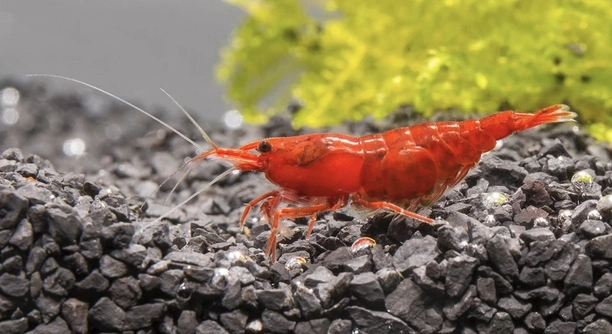
Have you ever noticed tiny shells floating in your shrimp tank and wondered what they are? Cherry shrimp molts are a natural part of their growth, signaling changes in size and health. Watching for them can be rewarding.
Cherry shrimp molts occur when the shrimp shed their old exoskeleton to grow. They typically happen after feeding, during periods of water change, before breeding, when juveniles mature, after stress events, during seasonal changes, and occasionally at night.
Recognizing these molts can help maintain a healthy tank and ensure your shrimp thrive in their environment. Paying attention to these moments benefits both you and your aquatic pets.
After Feeding
After feeding, cherry shrimp often molt as part of their growth process. I noticed that in my tank, the molts appear more frequently after adding new food, especially protein-rich flakes or frozen treats. This is because nutrients help them build a new, stronger exoskeleton. Young shrimp tend to molt more often than adults, and their shells can be very small and easy to miss. If you watch closely, you may even see them hiding near plants or decorations during this time. The water quality also plays a role. Clean, well-oxygenated water encourages healthy molts, while poor conditions may delay them. Regular observation helps track patterns in your shrimp’s behavior. By noticing when molts occur after feeding, you can better adjust the feeding schedule and portion sizes. Sometimes, a few leftover shells in the tank can indicate a successful molt, meaning your shrimp are growing properly and staying healthy in their environment.
Molts after feeding show active growth and proper nutrition, which is essential for healthy shrimp development.
Paying attention to feeding-related molts also helps identify any sudden changes in shrimp behavior or health.
During Water Changes
Water changes can trigger cherry shrimp to molt, especially when the environment feels refreshed. Even small adjustments in water chemistry or temperature may prompt them to shed their exoskeleton. In my tank, I noticed that molts tend to appear shortly after a partial water change, often hidden under leaves or tank decorations. Shrimp may seem more cautious during this time, seeking secure spots to molt safely. Stress-free water changes are important to ensure they are comfortable, so I usually perform slow, gradual changes. Using a siphon carefully and keeping water parameters stable helps reduce stress. Tracking these molts allows you to see patterns and ensure your shrimp are adapting well. The presence of multiple molts after water changes can indicate thriving shrimp, showing that the new water conditions support their growth. Observing these moments provides insight into their natural rhythms and helps maintain a stable, healthy tank.
Keeping water conditions consistent ensures safer molts and reduces the risk of incomplete exoskeleton shedding, which can harm the shrimp.
A careful approach to water changes promotes regular molting, encourages healthy growth, and supports overall tank stability. Observing where and when shrimp molt also helps in arranging plants and hiding spots to provide safer spaces. Proper timing, temperature balance, and gradual adjustments make the shrimp feel secure, lowering stress levels. Over time, noting these patterns improves understanding of their needs. In addition, molts after water changes can indicate that your shrimp are adjusting well and that their environment meets their developmental requirements. Avoiding sudden chemical changes, strong currents, or aggressive tankmates during this period reduces molting complications. By paying attention to these moments, you create a healthier, more predictable environment for your shrimp, which in turn leads to a more visually active and vibrant tank.
Before Breeding
Molting often increases before breeding as shrimp prepare for reproduction. Females need a fresh exoskeleton to carry eggs safely, while males become more active during this time. Observing these molts can help track readiness for breeding and overall tank health.
I noticed that in my tank, females often hide more before molting. They choose secure spots among plants or behind decorations, making it easier to shed without disturbance. After a successful molt, the new exoskeleton is soft, allowing them to flex and prepare for carrying eggs. Males may swim more actively, exploring the tank and signaling their presence. This period requires careful monitoring, as stress or poor water quality can delay or complicate molting. Maintaining stable water parameters, providing hiding spaces, and avoiding sudden disturbances ensures smoother molts and healthier shrimp ready for reproduction. These molts are a reliable indicator that your shrimp are maturing and reproducing naturally.
Molting before breeding is a key part of reproductive health and signals growth and readiness for egg development.
Juvenile Growth Stages
Young cherry shrimp molt more frequently than adults as they grow quickly. These molts are often small and easy to miss, but they indicate proper development and nutrient intake. Observing juvenile molts helps ensure they are healthy.
In my experience, juveniles shed almost every few days during the first few weeks. Their tiny shells can be hard to see, often blending with substrate or plants. Providing high-quality food and stable water conditions supports rapid, healthy growth. Each molt allows them to increase in size and strengthen their exoskeleton. Missing molts may indicate stress, insufficient nutrition, or poor water quality. Keeping a close eye on juveniles and noting their molting schedule helps anticipate their growth stages and adjust tank care accordingly. Tracking these early molts also makes it easier to separate adults from juveniles if necessary for tank management.
Juvenile molts reflect ongoing development, and proper care during this stage ensures shrimp reach adulthood healthy and resilient.
After Stress Events
Stress from sudden noise, tank movement, or aggressive tankmates can trigger molting. Shrimp often hide and molt in safer spots during these periods. Observing this behavior helps identify stressors and improve tank conditions.
Molts after stress indicate shrimp are trying to recover. Providing stable water conditions and hiding places reduces repeated stress, allowing healthier growth and safer exoskeleton shedding.
Seasonal Changes
Seasonal shifts in temperature, light, and water parameters can influence molting patterns. I noticed that my shrimp tend to molt more during warmer months when metabolism increases. Seasonal adjustments can subtly encourage or delay molts depending on environmental stability.
Maintaining consistent water conditions during seasonal transitions is essential. Sudden temperature fluctuations or changes in light cycles can stress shrimp, causing delayed or uneven molts. Adjusting heater settings gradually, monitoring pH and hardness, and ensuring sufficient hiding spots help shrimp molt safely. Seasonal changes also impact food availability in nature, so providing a varied diet in the tank supports healthy exoskeleton growth. Paying attention to these factors ensures that shrimp continue regular molts and thrive regardless of seasonal shifts, maintaining a healthy and active tank.
Nighttime Molts
Cherry shrimp often molt at night when fewer disturbances occur. Quiet, dark conditions provide a safer environment for shedding and recovering their new exoskeleton.
FAQ
Why do cherry shrimp molt so often?
Cherry shrimp molt frequently because it is essential for growth. Juveniles molt more often than adults as they rapidly increase in size. Even adults molt periodically to replace old exoskeletons and maintain strength. Molting is a natural biological process that allows shrimp to grow, reproduce, and stay healthy in their environment.
How can I tell if a molt is healthy?
A healthy molt leaves behind a complete, intact exoskeleton. The new shell should appear soft initially but harden over time. If a shrimp struggles or leaves fragments behind, it may indicate stress, poor water quality, or nutritional deficiencies. Observing successful molts regularly helps track shrimp health.
Should I remove molts from the tank?
It is usually best to leave molts in the tank. Shrimp often eat their old shells for calcium and other nutrients, which supports stronger future exoskeletons. Removing them can reduce these benefits, though occasional cleaning is fine if too many accumulate.
Can stress affect molting?
Yes, stress can delay or complicate molting. Sudden noise, rough handling, aggressive tankmates, or unstable water conditions may cause incomplete or skipped molts. Providing hiding spots and keeping the tank stable reduces stress, helping shrimp molt safely.
Do water changes impact molting?
Water changes can trigger molts, especially if they improve water quality. Fresh water encourages healthy growth and strengthens exoskeletons. However, abrupt changes in temperature or chemistry may cause stress, so gradual adjustments are important to avoid harming shrimp during molting periods.
How often should I expect molts from juveniles versus adults?
Juvenile cherry shrimp can molt every few days during early growth stages. Adults molt less frequently, usually every few weeks, depending on diet, water quality, and tank conditions. Tracking molting patterns can help anticipate care needs for different age groups.
Why do some molts appear at night?
Shrimp feel safer molting at night when there are fewer disturbances. Darkness and quiet allow them to shed their old shell and harden the new one without stress. Observing nighttime molts can give insight into their natural behavior.
What role does diet play in molting?
A balanced diet supports regular molting and strong exoskeletons. Foods rich in calcium and protein are especially important. In my tank, shrimp fed high-quality flakes, algae wafers, and occasional frozen treats show faster recovery and healthier molts compared to those with poor nutrition.
Can incomplete molts harm shrimp?
Incomplete molts are risky. They can leave shrimp vulnerable to infections or injury. If a shrimp struggles to shed, isolated observation and careful environmental adjustments are necessary to reduce stress and encourage safe molting. Maintaining clean water and a consistent diet helps prevent this issue.
Is it normal to see multiple molts at once?
Yes, especially in tanks with juveniles or multiple adult shrimp. Seeing several molts indicates that shrimp are growing and adapting to tank conditions. It is usually a positive sign of active, healthy shrimp, reflecting good water quality and sufficient nutrition.
How do seasonal changes affect molting?
Seasonal variations in temperature and light can influence molting patterns. Warmer months may increase metabolism, leading to more frequent molts, while cooler periods can slow growth. Maintaining stable tank conditions throughout seasonal shifts ensures shrimp continue to molt safely and consistently.
Can molting be predicted?
While exact timing is hard to predict, observing patterns helps. Noticing behaviors like hiding, reduced activity, or increased feeding can indicate an upcoming molt. Tracking these signs over time allows better preparation and care for shrimp during vulnerable periods.
What should I do if a shrimp gets stuck during a molt?
If a shrimp struggles to shed completely, first ensure water parameters are optimal and stress is minimized. Providing hiding spots and maintaining stable conditions can help. Manual intervention is rarely needed but may be considered only if the shrimp is at risk and clearly unable to complete the molt.
Do all shrimp in a tank molt at the same time?
Not necessarily. Molting depends on age, health, diet, and stress levels. Juveniles, adults, and females preparing for breeding may molt at different times. Observing individual patterns helps manage the tank and ensure all shrimp have safe spaces to molt.
How can I support healthy molting in my tank?
Maintaining stable water parameters, providing calcium-rich food, offering hiding spaces, and reducing stressors all support healthy molting. Regular observation allows you to track shrimp growth, identify issues early, and ensure consistent molts, which keeps the tank population thriving and balanced.
What signs indicate a shrimp is about to molt?
Shrimp often hide, reduce activity, or cling to surfaces before molting. Females preparing for breeding may show swelling in the abdomen. Recognizing these signs allows you to avoid disturbing them and create a safe environment for the molt.
Are molts important for breeding?
Yes, successful molts are essential for reproduction. Females need a soft, fresh exoskeleton to carry eggs safely. Regular molts also ensure males are active and capable of fertilizing eggs. Monitoring molts helps anticipate breeding activity and maintain a healthy tank population.
Molting is a normal and important part of a cherry shrimp’s life. It allows them to grow, repair old exoskeletons, and stay healthy. In my experience, paying attention to when and where shrimp molt makes caring for them easier. Healthy molts indicate that the shrimp are receiving proper nutrition, living in stable water conditions, and experiencing minimal stress. Over time, I noticed that keeping track of molts also helps anticipate changes in their behavior, like breeding activity or growth spurts in juveniles. While molts may seem small and easy to overlook, they provide valuable information about the overall well-being of your tank.
Observing molts is not just about noticing empty shells. It is also about understanding patterns and creating a safe environment. For instance, shrimp often hide during molting, so providing plenty of plants, decorations, or hiding spots makes the process safer. Water quality plays a major role as well. Stable temperature, proper pH, and regular water changes help ensure smooth molts. Even small changes in water chemistry can affect how often shrimp molt or how easily they shed their old exoskeleton. I found that keeping a balanced diet with calcium and protein supports healthy growth and reduces molting problems. Over time, observing these small details makes it easier to identify stress or health issues early, which benefits both the shrimp and the tank environment.
Finally, molting is a reminder that shrimp are delicate but resilient creatures. By observing their molts, adjusting their environment, and offering proper nutrition, you can support their natural processes. It is rewarding to see healthy molts, as it shows the shrimp are growing, thriving, and adapting well to their surroundings. Paying attention to these small moments can also make tank management simpler and more predictable. When you notice a consistent molting pattern, it signals that your shrimp are comfortable and healthy, which makes maintaining the tank more straightforward. Molting may seem like a small part of shrimp care, but it reflects the larger picture of their health, safety, and growth. Focusing on these patterns allows you to support a balanced, thriving tank where cherry shrimp can grow naturally and remain active.

Hello,
If you enjoy the content that we create, please consider saying a "Thank You!" by leaving a tip.
Every little bit helps us continue crafting quality advice that supports the health, happiness, and well-being of pets around the world, for pets of all shapes, sizes, and species.
We really appreciate the kindness and support that you show us!