
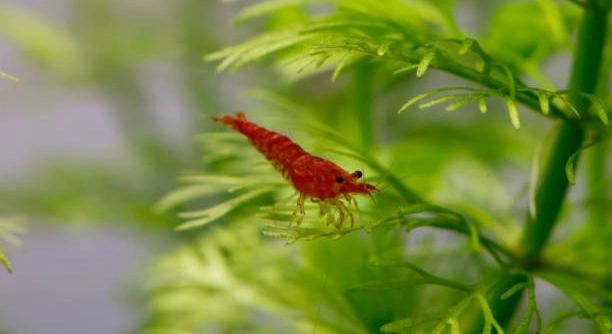
Many shrimp owners notice their cherry shrimp moving in unusual ways, sometimes swimming in tight circles or spinning in place. This behavior can be worrying, especially for those new to keeping shrimp in home aquariums.
Cherry shrimp swimming in circles is often a sign of stress, poor water quality, or illness. Imbalances in pH, ammonia, or nitrite levels can affect their nervous system, while parasites or injuries can also cause abnormal swimming patterns.
Observing these changes early can help prevent serious health issues and keep your shrimp active and thriving in a safe environment.
Common Causes of Circular Swimming
Cherry shrimp often swim in circles due to changes in their tank environment. Water quality is the most common factor. High ammonia or nitrite levels can irritate their gills and nervous system, making them lose balance. Temperature fluctuations also affect their movement, as shrimp are sensitive to sudden changes. Overcrowding may stress them, especially if hiding places are limited. Injuries from sharp decorations or aggressive tank mates can lead to unusual swimming as the shrimp tries to cope with discomfort. Diet plays a role too. Poor nutrition or sudden changes in food can weaken their health, making them less coordinated. Parasites or bacterial infections sometimes cause spinning, tremors, or lethargy. Observing their behavior carefully can help identify the underlying issue. Checking water parameters regularly and maintaining a stable, clean environment reduces stress and promotes normal swimming patterns. Simple adjustments can prevent long-term health problems and keep your shrimp active.
Stress and poor water quality are the main reasons cherry shrimp swim in circles. Monitoring water conditions closely is essential.
Keeping your tank stable is crucial. Using a reliable test kit, feeding balanced foods, and providing plenty of hiding spaces can reduce stress. Even small changes in temperature or water chemistry can trigger spinning. Consistency is key, and noticing patterns in behavior helps prevent illness.
How to Help Your Shrimp
Maintaining proper water conditions is the first step. Shrimp need clean, stable water with low toxins and correct pH. Filtration and regular water changes keep ammonia and nitrite levels safe.
To help shrimp recover, observe them for signs of injury or infection. Removing aggressive tank mates or sharp decorations prevents further stress. Adjusting diet to include high-quality shrimp food and occasional vegetable treats improves health. Avoid sudden water changes, as rapid shifts can worsen spinning. Providing plants or moss gives hiding spots and reduces anxiety. Keeping the environment calm and consistent encourages normal movement. If issues persist, consulting a specialist or experienced hobbyist can provide targeted solutions. Regular maintenance and careful observation ensure shrimp remain healthy and active, reducing the likelihood of abnormal swimming behaviors over time.
Monitoring Water Quality
Regular testing of tank water is essential for shrimp health. Ammonia, nitrite, and nitrate levels should be checked weekly. Stable pH and temperature keep shrimp active and reduce stress, preventing unusual swimming patterns.
Keeping water clean involves consistent partial water changes. Using a test kit, you can track chemical levels and adjust as needed. Sudden spikes in ammonia or nitrites can quickly affect shrimp, causing them to swim in circles or appear lethargic. Filtration, aeration, and avoiding overfeeding all help maintain balanced water. Observing shrimp behavior alongside water tests can reveal early signs of stress or illness, allowing corrective action before serious problems develop.
Temperature fluctuations can disturb shrimp. Keeping the tank within a consistent range is crucial. Avoid placing tanks near windows or heating vents. Proper water conditions reduce spinning behaviors.
Diet and Nutrition
A balanced diet supports overall shrimp health and prevents abnormal swimming. Include high-quality shrimp pellets, blanched vegetables, and occasional protein sources to meet nutritional needs.
Feeding too much or too little can lead to weakness or stress. Overfeeding pollutes water, while underfeeding reduces energy levels, both of which contribute to spinning. Fresh vegetables like zucchini or spinach provide essential vitamins, while occasional protein sources like bloodworms support growth and molting. Observing shrimp during feeding helps identify weak or ill individuals. Providing varied food keeps shrimp active and supports natural behaviors, including normal swimming patterns. Maintaining a consistent feeding schedule ensures shrimp remain healthy, active, and less prone to stress-related movement issues.
Tank Setup and Space
Providing enough space and hiding spots is important for cherry shrimp. Overcrowded tanks increase stress, which can lead to spinning and erratic swimming.
Decorations, plants, and moss give shrimp places to explore and feel secure. Proper layout reduces conflicts and supports natural behaviors.
Observing Behavior Patterns
Watching shrimp daily helps spot early signs of stress or illness. Note changes in swimming, feeding, or interaction with other shrimp. Early detection allows timely adjustments to water conditions, diet, or tank setup, preventing more serious problems. Keeping a simple log can track patterns and improve shrimp care.
When to Seek Help
Persistent spinning may indicate illness or parasites. Consulting a specialist ensures proper diagnosis and treatment before conditions worsen.
FAQ
Why is my cherry shrimp spinning in circles suddenly?
Sudden spinning is usually a sign of stress or water issues. Check ammonia, nitrite, and nitrate levels immediately. Temperature fluctuations or chemical changes in the tank can affect balance. Removing sudden stressors and stabilizing water conditions often helps shrimp regain normal swimming behavior within hours or days.
Can spinning indicate a serious illness?
Yes, spinning can sometimes signal bacterial or parasitic infections. Look for other symptoms like faded color, lethargy, or molting problems. Promptly isolating affected shrimp and consulting a specialist or experienced keeper can prevent spread and reduce the risk of death. Early intervention improves recovery chances.
Does diet affect circular swimming?
A poor or inconsistent diet can weaken shrimp, leading to erratic swimming. High-quality shrimp pellets, blanched vegetables, and occasional protein like bloodworms strengthen their health. Feeding small amounts consistently rather than large portions prevents water pollution and reduces stress. Balanced nutrition supports stable movement.
Can tank mates cause spinning behavior?
Yes, aggressive or overly active tank mates may stress shrimp. Even non-aggressive fish can frighten or crowd them. Adding plenty of plants, moss, or hiding spots helps reduce stress. Observing interactions during feeding and daily activity ensures shrimp feel safe and swim normally.
How often should I check water parameters?
Weekly testing is recommended for ammonia, nitrite, nitrate, and pH levels. Temperature should be monitored daily, especially in tanks near windows or heating sources. Keeping a log of water changes and readings helps spot trends and prevents conditions that trigger spinning behavior.
Is spinning normal during molting?
Some circular or erratic swimming may occur during molting. Shrimp are vulnerable at this time, and spinning can be a result of soft exoskeletons. Providing calcium-rich foods and stable water conditions supports healthy molting and reduces abnormal movement.
Can lighting affect swimming patterns?
Intense or sudden lighting changes may stress shrimp, causing spinning or hiding. Using gentle, consistent lighting and providing shaded areas helps them adjust naturally. Avoid frequent on/off cycles or placing the tank in direct sunlight, which can affect water temperature and behavior.
Should I isolate a spinning shrimp?
Isolation is helpful if a shrimp appears injured, sick, or is disturbing others. A quarantine tank allows targeted treatment without affecting the main tank. Ensure water conditions match the main tank to prevent additional stress during isolation.
How long does it take for shrimp to recover from spinning behavior?
Recovery depends on the cause. Fixing water quality or reducing stress often shows improvement within a few hours to a couple of days. Illness-related spinning may take longer and require treatment. Continuous observation is essential to confirm they return to normal swimming.
Are some cherry shrimp more prone to spinning than others?
Yes, younger or weaker shrimp may show spinning more often. Shrimp that recently molted or are undernourished are more sensitive to environmental changes. Providing stable conditions, varied diet, and safe hiding spots helps reduce spinning in these vulnerable individuals.
Can overfeeding cause circular swimming?
Yes, overfeeding pollutes the water with excess food and waste. This creates spikes in ammonia and nitrites, irritating shrimp and affecting their nervous system. Feeding small portions and removing uneaten food promptly keeps water clean and movement normal.
Does tank size matter for spinning behavior?
Small or overcrowded tanks can increase stress, which may lead to spinning. Providing sufficient space per shrimp and avoiding overstocking ensures each shrimp has room to move, feed, and hide, reducing erratic swimming and promoting natural behavior.
Can sudden temperature changes trigger spinning?
Shrimp are very sensitive to temperature. Sudden drops or rises can disorient them, causing circular swimming. Using a stable heater, monitoring temperature daily, and avoiding placement near heat or cold sources minimizes stress and keeps movement steady.
How can I prevent spinning in the future?
Maintaining stable water conditions, providing a balanced diet, offering hiding spots, and observing shrimp daily are the best preventative measures. Consistency in care and environment reduces stress, improves health, and keeps your shrimp swimming normally over time.
Are there any signs that spinning is not a serious issue?
Occasional, brief spinning with no other symptoms is usually harmless, especially during exploration or minor disturbances. If shrimp resume normal swimming quickly and maintain appetite and color, the behavior may not indicate a serious problem. Monitoring remains important to ensure it does not persist.
Can medications help with spinning shrimp?
Medications should only be used if a clear illness or parasite is diagnosed. Incorrect use can harm shrimp or destabilize tank conditions. Consulting a specialist or experienced keeper ensures the right treatment is chosen and applied safely.
Does tank cleanliness really affect spinning?
Yes, dirty tanks with uneaten food, waste, and debris increase stress and toxin levels. Regular cleaning, vacuuming the substrate, and performing partial water changes prevent conditions that lead to circular swimming and keep shrimp healthy.
Is spinning more common in certain shrimp species?
While cherry shrimp are generally hardy, they can be sensitive to water changes, diet, and tank conditions. Other small shrimp species may show similar spinning behaviors under stress, but responses vary based on species resilience and care practices.
How important is hiding space in preventing spinning?
Very important. Shrimp need moss, plants, or decorations to feel secure. Lack of hiding spots increases anxiety and stress, which can trigger spinning or erratic movement. Providing multiple safe areas ensures shrimp feel comfortable and move naturally throughout the tank.
Can water flow affect circular swimming?
Strong currents may push shrimp off balance, leading to spinning or struggling. Gentle filtration and low flow areas allow shrimp to swim comfortably. Adjusting water flow to match shrimp size and behavior helps maintain stability and reduces abnormal swimming patterns.
How do I know if spinning is caused by stress versus illness?
Stress-related spinning is often short-term, triggered by environmental changes, poor water quality, or overcrowding. Illness-related spinning is usually persistent and accompanied by other symptoms such as color fading, lethargy, or visible spots. Observing context and additional signs helps determine the cause.
Can spinning affect shrimp lifespan?
If caused by prolonged stress or untreated illness, spinning can impact health and shorten lifespan. Addressing water quality, nutrition, tank setup, and disease early minimizes risk, keeping shrimp active, healthy, and longer-lived in your aquarium.
Is it normal for old shrimp to spin?
Older shrimp may show spinning occasionally due to reduced energy or minor health issues. While occasional spinning is natural, frequent or severe circular swimming should still be checked to rule out water quality issues or illness.
What is the first step if I notice spinning?
Check water parameters immediately. Test ammonia, nitrites, nitrates, and pH. Stabilize temperature and observe for injuries or stressors. Correcting environmental issues is often enough to stop spinning before more serious interventions are needed.
How long should I observe before taking action?
Short-term spinning lasting minutes may resolve on its own. Persistent spinning over hours or repeated daily incidents requires intervention. Logging observations helps determine patterns and the urgency of treatment.
Are spinning shrimp able to eat normally?
Mild spinning usually does not affect appetite. Severe or prolonged spinning may reduce feeding as shrimp struggle to reach food. Monitoring eating behavior helps gauge severity and whether medical attention or isolation is needed.
Can water hardness cause spinning?
Yes, improper water hardness can stress shrimp. Soft or extremely hard water outside recommended ranges affects exoskeleton health and nervous system function. Adjusting minerals and maintaining recommended hardness levels supports normal movement and reduces spinning.
How do I differentiate spinning from normal exploration?
Exploratory spinning is brief, sporadic, and often linked to new surroundings or obstacles. Persistent, repetitive spinning, especially near the tank surface or bottom, is a sign of stress, illness, or water issues, requiring closer observation and action.
Can spinning shrimp recover fully?
Yes, if the cause is identified and corrected early. Stabilizing water, improving diet, removing stressors, and treating illness can return shrimp to normal swimming. Prompt attention ensures long-term health and prevents recurrence.
Is it safe to keep spinning shrimp with others?
Mildly stressed shrimp can usually stay with the group. If spinning is caused by illness or injury, temporary isolation protects others. Observing interactions ensures that affected shrimp do not disturb or get harassed by tank mates, maintaining a calm environment.
Can adding salt help with spinning?
Adding a small amount of aquarium-safe shrimp salt may help during minor stress or molting issues, but it is not a solution for spinning caused by poor water quality or illness. Salt use should be cautious and measured.
How do I prevent spinning during molting?
Ensure stable water conditions, proper nutrition, and hiding spots. Stress-free environments help shrimp molt safely. Providing calcium and trace minerals supports strong exoskeletons, reducing spinning and vulnerability during the molting process.
Are there any long-term effects of spinning?
Chronic spinning due to untreated stress, poor water quality, or illness can weaken shrimp, affect molting, and reduce lifespan. Early intervention prevents long-term harm and supports overall vitality and normal behavior.
Can I treat spinning at home without a specialist?
Yes, if it is caused by water quality, diet, or minor stress. Correcting parameters, improving nutrition, and adjusting the tank setup often resolves spinning. Persistent symptoms or suspected illness should still be evaluated by an experienced keeper or specialist.
Does tank substrate affect spinning?
Sharp or rough substrate can injure shrimp, leading to erratic swimming. Smooth gravel, sand, or fine substrate reduces risk of injury and helps shrimp move comfortably, minimizing spinning caused by physical stress.
Is spinning common after introducing new shrimp?
Yes, new shrimp may spin briefly as they acclimate to unfamiliar water, temperature, and surroundings. Gradual acclimation using drip methods and stable tank conditions helps them settle quickly and reduces stress-related spinning.
Can oxygen levels cause spinning?
Low oxygen can stress shrimp, causing unusual swimming. Ensure proper aeration and avoid overcrowding. Healthy oxygen levels support normal metabolism, energy, and balanced movement in the tank.
Does tank decoration influence spinning?
Sharp edges or cluttered areas can injure or stress shrimp. Smooth decorations, open swimming areas, and safe hiding spots promote natural movement and reduce circular swimming caused by physical or environmental stress.
Are spinning patterns predictable?
Spinning often occurs during stress, illness, molting, or environmental changes. Observing shrimp daily helps recognize patterns and triggers, making it easier to prevent or address spinning before it becomes persistent or harmful.
What is the best overall prevention for spinning?
Stable water, balanced diet, hiding spots, gentle lighting, proper tank mates, and careful observation prevent spinning. Early detection and consistent care support shrimp health, normal movement, and long-term activity in the aquarium.
Cherry shrimp are delicate creatures that rely heavily on stable environments to stay healthy. Observing them swim in circles can be alarming, but it often points to manageable issues like water quality, diet, or stress. Maintaining the right water parameters is the most important step in preventing unusual swimming behavior. Regularly testing for ammonia, nitrites, nitrates, pH, and temperature ensures a stable and safe home for your shrimp. Even small fluctuations can affect their nervous system and balance, leading to spinning. By keeping a consistent schedule for water testing and changes, you reduce stress and give your shrimp the best chance to thrive. Clean water not only prevents circular swimming but also supports molting, feeding, and natural behaviors, making your tank a healthy and lively environment.
Providing a balanced diet is another key factor in keeping cherry shrimp active and swimming normally. Shrimp need a mix of high-quality pellets, blanched vegetables, and occasional protein sources like bloodworms. Feeding small portions consistently rather than large amounts at once prevents water pollution and reduces stress. Shrimp that are well-fed and nourished are stronger, more active, and less likely to show erratic swimming behaviors. Offering variety in their diet also supports growth, color, and overall vitality. Observing shrimp during feeding can help identify individuals that may be weak or unwell, allowing you to address issues before they escalate. A stable feeding routine combined with clean water creates a supportive environment where spinning becomes rare.
Tank setup and environment play a significant role in cherry shrimp behavior. Overcrowded tanks, lack of hiding spaces, strong currents, or sharp decorations can all contribute to stress, which may manifest as spinning or circular swimming. Including plants, moss, or other decorations gives shrimp areas to explore and hide, making them feel secure. It is also important to monitor interactions with other tank mates, as aggressive or overly active species can frighten or crowd shrimp. Even lighting can affect behavior; gentle, consistent lighting prevents stress and supports normal activity patterns. By maintaining a stable, comfortable, and well-planned tank environment, most spinning behaviors can be minimized. Paying attention to these details ensures shrimp remain healthy, active, and display natural, graceful swimming, which is the ultimate goal for any aquarium caretaker.

Hello,
If you enjoy the content that we create, please consider saying a "Thank You!" by leaving a tip.
Every little bit helps us continue crafting quality advice that supports the health, happiness, and well-being of pets around the world, for pets of all shapes, sizes, and species.
We really appreciate the kindness and support that you show us!