
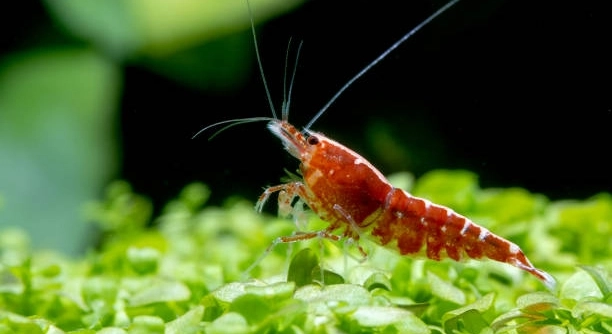
Have you ever noticed your cherry shrimp moving freely around the tank without hesitation or hiding? Observing their behavior can reveal how comfortable they are in their environment and how well they trust their surroundings.
Cherry shrimp display trust in their tank through consistent exploration, calm behavior, and interaction with their environment. Their movements, feeding habits, and willingness to remain visible indicate confidence and adaptation to their aquatic habitat.
Understanding these behaviors helps you create a healthier, more engaging environment for your shrimp and strengthens the bond between you and your tiny aquatic friends.
Calm and Steady Swimming
When your cherry shrimp swim calmly across the tank, it’s a strong sign of trust. They move with purpose, pausing occasionally to graze on biofilm or algae. This steady swimming shows they feel secure and aren’t stressed by sudden changes in light or movement. Shrimp that dart around or cling to surfaces constantly are likely nervous or uncomfortable. Providing plenty of hiding spots and plants helps them feel safe, encouraging relaxed exploration. Over time, observing their patterns can help you gauge overall tank health. Shrimp that remain visible while feeding and swimming demonstrate comfort with both their environment and you as a caretaker. Temperature, water quality, and tank mates all influence their behavior, so maintaining stable conditions is key. Calm swimming is not just a random habit—it reflects adaptation, security, and confidence in their surroundings. By watching these movements, you can fine-tune your care to match their needs, ensuring they thrive naturally in their aquatic home.
Steady swimming is a clear indicator that your shrimp feel secure and confident in their environment, showing comfort with their habitat.
Observing this behavior regularly can also reveal subtle shifts in tank conditions. If a normally calm shrimp begins to move erratically, it might indicate changes in water quality, temperature, or the introduction of new tank mates. By responding to these cues, you can prevent stress and potential health issues. A relaxed shrimp tends to explore open areas, graze peacefully, and interact minimally with other shrimp, showing natural confidence. Over time, tracking these movements will allow you to notice patterns, such as favorite resting spots, grazing areas, and social interactions. Providing a balanced diet, consistent maintenance, and gentle handling reinforces this sense of security. Calm swimming is not just a behavior; it’s a reflection of a stable and trustworthy tank environment. Supporting these conditions consistently ensures your cherry shrimp continue to thrive and display natural, confident behaviors.
Approaching During Feeding
Cherry shrimp that approach you or come out during feeding show high levels of trust. They recognize the routine and associate your presence with food, demonstrating comfort with both the environment and you.
Feeding time interactions reveal shrimp confidence and their adaptation to the tank’s rhythm.
Over time, shrimp may begin to come closer to the glass or nibble food near your hand, which reflects a sense of safety and routine. This behavior is not immediate but develops as they grow accustomed to regular feeding schedules. Approaching during feeding also indicates that stress levels are low and hiding is no longer necessary. This pattern is reinforced by consistent water quality, stable temperature, and minimal sudden disturbances in the tank. Observing how shrimp react during feeding provides insights into their overall well-being and trust. When shrimp actively seek out food rather than retreat, it’s a sign they feel secure in their environment and are confident in their daily routine. This level of comfort allows them to maintain healthy growth, social behaviors, and active exploration. Over time, the bond with your care is strengthened simply through routine, predictable feeding interactions.
Resting in Open Spaces
Shrimp that rest in open areas instead of hiding show comfort and trust. They feel safe enough to pause without immediate shelter nearby, which indicates a secure tank environment.
Resting openly demonstrates a shrimp’s confidence in its surroundings. Shrimp are naturally cautious, often retreating to hiding spots at any hint of danger. When they feel secure, they will choose to rest on plants, rocks, or even the substrate in visible areas. This behavior reflects trust not only in the tank conditions but also in the stability of their environment. Observing this over time helps gauge how well your shrimp have adapted. Factors like consistent water quality, low stress levels, and absence of aggressive tank mates encourage this open resting. The more relaxed they appear while stationary, the more it shows they feel protected, signaling a healthy and trustworthy habitat.
Shrimp that rest openly also tend to interact more with their surroundings. They graze, explore slowly, and exhibit natural behaviors without constant flight. This calmness is a reliable indicator of trust and well-being.
Social Interaction Among Shrimp
Shrimp that interact gently with each other indicate a level of trust in their environment. Calm, coordinated movements and proximity show they are comfortable.
Social behaviors reflect both environmental security and species confidence. Shrimp that feel threatened or stressed tend to hide or avoid others entirely. When they engage in peaceful grazing, following, or clustering without aggression, it shows trust in the tank conditions and that they do not feel threatened. Social interaction also strengthens natural behaviors, helping maintain proper feeding patterns and reducing territorial stress. Observing how shrimp communicate and coexist reveals subtle signs of their comfort level. By maintaining clean water, stable temperature, and sufficient hiding spaces, you encourage these interactions. Active and calm social behavior is one of the clearest signs that shrimp feel safe and secure in their habitat, demonstrating adaptation and confidence.
Monitoring social behavior helps predict potential problems early. Shrimp that suddenly isolate or display aggression may be stressed or uncomfortable. Understanding their patterns allows you to address issues quickly, keeping the tank stable and ensuring continued trust among the group.
Exploring New Areas
Shrimp that venture into new areas of the tank show they feel secure. They are willing to move around without hesitation, which signals confidence in their environment and safety from perceived threats.
Exploration indicates curiosity paired with trust. When shrimp confidently investigate decorations, plants, or substrate, it demonstrates comfort and low stress levels.
Grazing Calmly
Calm grazing is a sign of a relaxed shrimp. When they feed slowly and methodically, it shows they feel safe and unthreatened. They are confident that no immediate danger will disturb them while eating.
Responding to Your Presence
Shrimp that react calmly to your movements near the tank show trust. They do not dart away, instead continuing their activities or approaching out of curiosity.
FAQ
How can I tell if my cherry shrimp really trust their tank?
Trust is shown through consistent, calm behavior. Shrimp that swim steadily, graze openly, and explore without hiding are confident in their environment. They remain visible during feeding and interact peacefully with other shrimp. Sudden changes in behavior may indicate stress or discomfort.
Why do some shrimp hide more than others?
Shrimp are naturally cautious. Hiding is often a protective response to stress, new tank conditions, or aggressive tank mates. Providing ample plants, decorations, and hiding spaces helps them feel secure and encourages gradual trust-building over time. Individual temperament also plays a role in their willingness to venture out.
Is it normal for shrimp to ignore me sometimes?
Yes, shrimp are small, cautious creatures. Even if they trust the tank, they may focus on grazing or exploring rather than observing your presence. Their attention often shifts to food, other shrimp, or tank decorations. Patience and regular feeding routines strengthen their comfort over time.
What behaviors indicate stress rather than trust?
Erratic swimming, constant hiding, clinging to surfaces, or refusing to feed are signs of stress. Sudden color changes or lethargy may also indicate poor water quality or illness. Monitoring these behaviors helps identify environmental issues before they become serious problems.
Can tank setup affect shrimp trust?
Absolutely. Stable water parameters, consistent temperature, proper filtration, and enough plants or hiding spaces directly influence shrimp comfort. A poorly maintained tank or sudden changes can cause fear, hiding, and reduced activity, whereas a stable, enriched environment promotes confidence and natural behaviors.
How long does it take for shrimp to show trust?
Time varies depending on individual shrimp and tank conditions. Generally, it can take a few weeks to months for shrimp to feel fully comfortable. Regular feeding, minimal disturbances, and stable conditions accelerate this process, helping shrimp gradually reveal calm, confident behaviors.
Should I interact with shrimp to build trust?
Interaction mainly involves gentle presence and feeding routines rather than direct handling. Cherry shrimp do not respond to touch like larger pets but recognize consistent care. Maintaining a calm approach near the tank helps them associate your presence with safety and food, increasing confidence.
Do all shrimp in a tank show trust at the same rate?
Not always. Each shrimp has a unique temperament. Some may explore and graze openly quickly, while others remain cautious for longer periods. Observing individual behaviors helps you understand their comfort levels and adjust the tank environment accordingly.
How does feeding affect trust?
Consistent feeding routines encourage shrimp to associate humans with safety. Calm grazing during feeding and approaching food without hesitation are clear signs they feel secure. Irregular feeding or sudden introduction of unfamiliar foods may cause temporary caution, but patience restores confidence.
Can water quality changes affect shrimp trust?
Yes. Sudden shifts in pH, temperature, or ammonia levels can trigger stress, causing hiding or erratic swimming. Maintaining stable, optimal water parameters ensures shrimp remain comfortable and display natural, confident behaviors, reinforcing long-term trust in their habitat.
Do tank mates influence shrimp behavior?
Yes, tank mates play a significant role. Aggressive or larger fish can stress shrimp, reducing their willingness to explore or feed openly. Peaceful, compatible species encourage calm behavior, allowing shrimp to exhibit trust and interact naturally within the tank.
Is it possible for shrimp to lose trust once established?
Yes, negative changes like aggressive tank mates, poor water quality, or sudden environmental shifts can make shrimp retreat or hide again. Rebuilding trust requires restoring stable conditions, providing hiding spaces, and maintaining gentle, predictable routines to reassure them.
How do I encourage shy shrimp to become more confident?
Provide hiding spots, stable water parameters, and a calm environment. Gradually introducing feeding near their location, while avoiding sudden movements, encourages exploration. Observing and responding to their behaviors helps them slowly expand comfort zones and feel secure throughout the tank.
Are there visual cues that show a shrimp is relaxed?
Relaxed shrimp swim smoothly, rest in open areas, graze without constant retreat, and display bright, consistent coloring. They interact with tankmates without aggression or fear and approach feeding calmly. These visual signals indicate both environmental comfort and confidence.
How important is tank maintenance in building trust?
Very important. Regular water testing, cleaning, and monitoring prevent stress from poor water conditions. A consistently maintained tank promotes predictable routines, allowing shrimp to feel secure, explore openly, and display natural behaviors that indicate trust in their environment.
Can trust vary between day and night?
Yes. Shrimp may be more active during certain periods, depending on light, feeding schedules, and tank conditions. Nighttime activity does not always indicate fear. Observing their patterns over time helps distinguish natural rhythms from stress-related behavior.
Is it normal for shrimp to ignore certain areas of the tank?
Yes, shrimp may avoid areas lacking cover or where they feel exposed. Gradually adding plants or decorations in these spaces encourages exploration, showing they feel safe expanding their territory. Avoid forcing movement, as trust develops naturally with environmental security.
Do baby shrimp show trust differently than adults?
Juvenile shrimp are more cautious due to size and vulnerability. They may hide more and explore slowly. Adults, once acclimated, display confidence through open grazing, swimming, and interactions. Over time, even young shrimp gain trust as they adapt to stable, safe conditions.
How can I measure overall shrimp comfort?
Observe activity patterns, feeding behavior, resting locations, and social interactions. Consistent calm swimming, open grazing, and gentle interaction indicate high trust. Sudden avoidance or erratic behavior suggests stress or discomfort. Regular observation allows you to adjust care to maintain a secure, confident tank environment.
Can trust be influenced by tank decorations?
Yes. Plants, rocks, and hiding spots provide security, encouraging natural behavior. Shrimp are more likely to explore and rest openly when they feel protected. Sparse or unsuitable decorations can increase stress, while thoughtful tank design promotes comfort and trust over time.
Does the number of shrimp in a tank affect trust?
Stocking density impacts confidence. Overcrowded tanks can cause competition, stress, and hiding behavior. A balanced population allows shrimp to explore, graze, and interact calmly. Monitoring numbers ensures social comfort and reinforces trust in both the environment and tankmates.
Are there signs that a shrimp is completely confident?
Yes. Confident shrimp swim openly, rest in visible areas, graze calmly, approach food without fear, and interact peacefully with others. They show minimal stress responses to nearby movement, indicating they feel secure in the tank and have fully adapted to their environment.
Final Thoughts
Observing your cherry shrimp closely provides valuable insight into how much they trust their tank. Their behavior, movements, and interactions reveal a lot about their comfort level and overall well-being. Calm swimming, grazing openly, and exploring new areas are all strong indicators that your shrimp feel secure. Even small behaviors, like resting in visible spots or approaching food during feeding, can show a sense of confidence and trust. Shrimp are naturally cautious creatures, so when they display these relaxed and confident behaviors, it is a sign that your tank conditions are meeting their needs. Maintaining stable water parameters, providing hiding spots, and keeping a consistent feeding routine all contribute to creating a safe and supportive environment. Over time, these consistent conditions encourage shrimp to feel comfortable in their surroundings and reduce stress. The more relaxed and natural their behavior, the better they are likely to thrive. Observing their daily habits allows you to monitor not only trust but also health, as stressed or uncomfortable shrimp often exhibit erratic movements, hiding, or refusal to feed. By paying attention to these signs, you can adjust your care to ensure your shrimp remain confident and healthy in their tank.
Trust in shrimp is not developed overnight. It takes patience and careful observation to understand how each shrimp interacts with its environment. Some shrimp may take longer to explore or show open behaviors, especially if they are new to the tank or naturally shy. Individual temperament plays a role, so it is important to recognize that each shrimp may demonstrate trust differently. Offering a variety of plants, decorations, and safe areas allows them to gradually gain confidence at their own pace. Similarly, keeping consistent water quality and stable temperature helps reinforce a secure environment. Small adjustments, like feeding in the same location or minimizing sudden movements around the tank, can make a noticeable difference over time. Observing these gradual changes helps you understand how your shrimp perceive safety in the tank and allows you to respond to their needs effectively. By focusing on creating a predictable and supportive environment, you promote natural behaviors and encourage trust. Over weeks and months, these small steps lead to shrimp that explore freely, interact calmly, and rest without fear, reflecting a strong sense of security.
Ultimately, a shrimp’s trust is a combination of environmental stability and gentle care. When shrimp feel secure, their behavior is calmer, more predictable, and healthier overall. Providing hiding spots, maintaining proper water conditions, feeding consistently, and minimizing disturbances all contribute to building this trust. Observing their swimming patterns, grazing habits, resting locations, and social interactions gives a clear picture of how comfortable they are in the tank. Recognizing and responding to their behavior ensures they remain confident and stress-free. Trust also fosters better feeding and social behaviors, which helps maintain a balanced and thriving tank ecosystem. By understanding these signs and creating an environment that supports comfort and security, you not only help your shrimp feel at ease but also enjoy watching their natural behaviors develop. Gradually, they become more confident, visible, and interactive, reflecting the effectiveness of your care and the stability of their habitat. Paying attention to these details enhances both shrimp well-being and the overall harmony of the tank.

Hello,
If you enjoy the content that we create, please consider saying a "Thank You!" by leaving a tip.
Every little bit helps us continue crafting quality advice that supports the health, happiness, and well-being of pets around the world, for pets of all shapes, sizes, and species.
We really appreciate the kindness and support that you show us!