
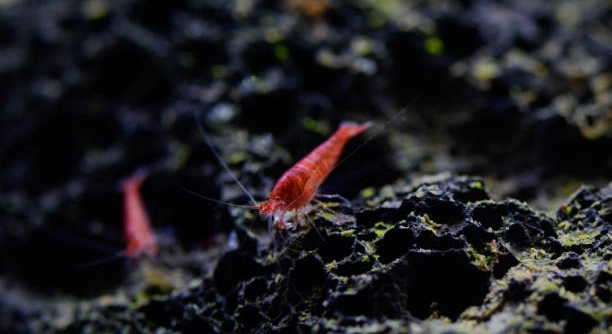
Cherry shrimp are small, colorful freshwater creatures that many keep in home aquariums. Their delicate movements and interactions with the environment make them fascinating to observe, especially when they respond to changes around them.
Research indicates that cherry shrimp can exhibit simple forms of learning and memory. They are capable of adjusting their behavior based on previous experiences, such as recognizing safe hiding spots or avoiding repeated threats, demonstrating adaptive responses in controlled aquatic environments.
Understanding how these shrimp learn from experience helps improve care practices and ensures their well-being in home aquariums. Observing their behavior offers insight into their natural instincts and daily routines.
How Cherry Shrimp Respond to Their Environment
Cherry shrimp are sensitive to their surroundings, and small changes can alter their behavior. They explore new plants, rocks, and decorations cautiously, often retreating at the first sign of disturbance. Over time, they can become familiar with consistent patterns, such as regular feeding times, and adjust their movements accordingly. Observing them, I noticed that some shrimp would quickly recognize safe spots while others were slower to adapt. Even minor environmental shifts, like changes in water flow or light, could trigger hesitation or hiding. These responses are not random but show an ability to learn from repeated experiences. Their behavior demonstrates that they are not simply reacting instinctively but are capable of subtle adjustments. By providing a stable environment, with predictable feeding and safe hiding places, we can encourage more confident and natural behaviors. It is remarkable to watch how they adapt to small, everyday stimuli.
Regular observation helps identify patterns and behavioral changes that indicate learning.
Watching shrimp interact with their environment reveals subtle learning cues. They remember safe areas, avoid repeated disturbances, and gradually explore more confidently. Each individual displays slightly different learning speeds, reflecting personality-like differences.
Training Cherry Shrimp With Repeated Experiences
Cherry shrimp can learn to associate certain signals with food.
By offering food at the same location and time daily, shrimp start recognizing these patterns. Over several days, they swim directly to feeding spots, demonstrating memory of past events. Introducing gentle environmental cues, like tapping a surface lightly, can also teach shrimp to react predictably. This form of conditioning is simple but effective, showing that even small invertebrates can develop routine-based learning. In my aquarium, I noticed shrimp becoming more proactive during feeding times, often arriving at the chosen spot before food is dropped. This indicates they recall prior experiences and adjust behavior accordingly. Learning can extend to hiding spots as well. Shrimp repeatedly exposed to gentle disturbances in certain areas learn to retreat to safer zones more quickly. Maintaining consistency in the tank environment encourages these learned responses. Their adaptability highlights that even small creatures benefit from routine, which reduces stress and promotes overall well-being in captivity.
Recognizing Patterns in Daily Behavior
Cherry shrimp quickly learn daily routines, such as feeding times and light changes. Observing them, I noticed they move confidently toward familiar spots, showing memory and awareness of repeated events.
Repeated exposure to consistent patterns allows shrimp to anticipate what comes next. In my tank, they would swim toward the feeding area before food was dropped, adjusting speed and path based on prior experiences. Some shrimp would pause near hiding spots when lights changed, indicating they remembered previous disturbances. Over time, these small creatures show predictable behaviors, which highlight their ability to recognize and respond to recurring events in their environment. This learning is subtle but noticeable, especially when compared to newly introduced shrimp that need time to explore and adjust.
These behavioral patterns also extend to interaction with other tank inhabitants. Shrimp learn which areas are safe from more aggressive species and adapt movement accordingly. Some would quickly retreat while others would cautiously explore, demonstrating individual differences in learning and memory. This helps maintain balance in a shared environment and reduces stress for all shrimp in the tank.
Adapting to Changes in the Aquarium
Shrimp adjust gradually when the tank environment changes, such as new decorations or water flow shifts. Their movement patterns reflect cautious learning.
In my experience, sudden changes caused initial hiding, but repeated exposure helped shrimp become comfortable again. Over days, they learned which areas were safe, which decorations offered shelter, and how to navigate altered currents. The process is slow but shows their capacity for adaptation. Consistent monitoring and gentle adjustments minimize stress and encourage quicker learning. Observing their responses can reveal which environmental elements are most important for comfort and security.
Adapting also affects feeding behavior. Shrimp learn new food locations and timing, adjusting paths and timing based on prior experiences. Even minor changes, like moving a plant or adjusting light schedules, influence their behavior for a few days. This demonstrates memory retention and gradual learning. Individual shrimp react differently, some adjusting quickly, while others require more repetition to feel secure. Their ability to adapt highlights resilience and shows that careful, consistent care improves both their confidence and overall health in a home aquarium.
Learning Through Observation
Cherry shrimp watch their surroundings closely and respond to movement or changes. I noticed they often follow others to food or shelter, showing they learn by observing peers.
Young shrimp benefit from watching older shrimp navigate obstacles. They gradually mimic paths, hiding spots, and safe routes, which helps them adapt faster to the tank environment.
Habituation to Repeated Stimuli
Shrimp gradually stop reacting to harmless, repeated events. Over time, I saw them ignore mild taps or shadow movements, focusing instead on feeding or exploring. This shows they can distinguish between real threats and non-threatening patterns, conserving energy for essential activities like eating and hiding.
Memory and Recall
Cherry shrimp retain simple memories of their environment. They remember which areas are safe and which are risky, using this knowledge daily. In my tank, shrimp consistently returned to preferred hiding spots after disturbances, even days later. This memory helps them navigate efficiently, reducing stress and promoting healthier behavior overall.
Individual Differences
Each shrimp learns and adapts differently. Some are bold and explore quickly, while others are cautious and slower to adjust.
Do cherry shrimp really remember things?
Yes, cherry shrimp can retain simple memories of their environment. They remember safe hiding spots, areas where they found food, and locations of potential threats. In my aquarium, I noticed shrimp returning to the same hiding places after disturbances, even when days had passed. This shows memory helps them navigate efficiently.
How do cherry shrimp learn from their environment?
They learn mainly through repeated exposure and observation. Shrimp adjust their behavior based on experiences, such as avoiding areas where previous disturbances occurred or moving confidently to familiar feeding spots. Watching older or more experienced shrimp also helps younger shrimp pick up safe routes and hiding strategies.
Can cherry shrimp recognize patterns?
Yes, they quickly adapt to daily routines like feeding schedules or light changes. In my tank, shrimp would swim to the feeding area before food was dropped, showing they anticipate events based on repeated experiences. This ability reduces stress and helps them act more efficiently.
Do cherry shrimp respond to other shrimp’s behavior?
They do. Observing peers allows them to learn which areas are safe and which may be risky. Young shrimp often follow older ones to hiding spots or feeding areas. This observational learning speeds up adaptation and helps maintain harmony in the tank.
How long does it take for shrimp to learn something new?
It depends on the individual and the type of stimulus. Some shrimp adapt within a few days, especially for repeated food or light cues, while others require more time to become comfortable with changes or new tank elements. Consistency accelerates learning.
Can shrimp forget what they learned?
Yes, if stimuli are not repeated, shrimp can lose memory of safe spots or feeding patterns. In my observation, shrimp that were moved to a different tank environment needed a few days to re-learn safe routes and hiding places. Regular routines help maintain their memory.
Do environmental changes affect shrimp learning?
Definitely. Changes like new plants, decorations, or altered water flow initially cause caution or hiding. Over time, repeated exposure allows shrimp to adapt and navigate safely again. Gradual adjustments are better than sudden changes, which can increase stress.
Is it possible to train cherry shrimp?
To some extent, yes. Regular feeding at the same place and time encourages shrimp to recognize patterns. Gentle cues, like lightly tapping near food, can teach shrimp to respond predictably. While this is not advanced training, it demonstrates their capacity for routine-based learning.
Do all shrimp learn at the same rate?
No, individual differences are evident. Some are bold and explore quickly, while others are cautious and need more repetition to adjust. In my tank, I noticed variations even among shrimp of the same age and size, reflecting differences in personality-like traits and learning speed.
How does learning benefit cherry shrimp in an aquarium?
Learning helps them reduce stress, find food efficiently, and avoid potential threats. By remembering safe hiding spots and anticipating feeding times, shrimp act more confidently and naturally. Observing their behavior also helps caretakers provide a more stable, comfortable environment that supports healthy growth and social interactions.
Can shrimp learn to avoid threats?
Yes, repeated exposure to mild disturbances teaches shrimp to retreat to safe zones quickly. They distinguish between real threats and harmless stimuli, which conserves energy for essential activities. In my experience, this behavior develops over days of consistent observation and gentle handling.
Do shrimp communicate learning with each other?
Indirectly, yes. They don’t use complex signals, but their movements inform others. Following experienced shrimp to food or hiding areas allows younger or less confident individuals to benefit from observed behavior, which speeds up their adaptation to the environment.
What factors improve shrimp learning?
Stable environmental conditions, consistent feeding routines, and safe hiding spaces all support learning. Gradual introductions of new elements help them adapt without stress. In my aquarium, these practices ensured shrimp remained confident, explored naturally, and showed clear memory-based behaviors.
How can observation help caretakers?
Watching shrimp behavior reveals learning progress, preferences, and stress signals. Noticing which areas they return to, how they react to changes, and their interactions with peers helps adjust tank conditions for optimal health and comfort. This improves both care quality and overall shrimp well-being.
Are some behaviors instinctive rather than learned?
Yes, basic survival behaviors like hiding, feeding, and reacting to sudden threats are instinctive. However, shrimp refine these behaviors through experience, adjusting timing, paths, and choices based on what they have encountered before, showing a mix of instinct and learned response.
Do shrimp get better at navigating their tank over time?
Yes, repeated exposure allows them to remember paths, obstacles, and safe spots. In my tank, shrimp initially hesitant around decorations became confident and explored freely after a few days. Learning reduces stress and encourages more natural behavior throughout their daily activities.
How do shrimp handle new tank mates?
Shrimp observe newcomers carefully and adjust movement based on interactions. Bold individuals may explore quickly, while cautious shrimp stick to familiar zones. Repeated exposure allows them to understand which tank mates are safe to be around and which areas to avoid, promoting harmony.
Can shrimp learn feeding tricks?
Not in the advanced sense, but they recognize patterns. They anticipate food placement and may adjust swimming speed or timing to reach food quickly. In my experience, shrimp quickly learned to respond to regular feeding cues without needing direct intervention.
Do shrimp exhibit problem-solving behavior?
They show basic problem-solving when navigating obstacles, like moving around plants or decorations to reach food or shelter. While not complex, these adjustments indicate memory, learning, and environmental awareness, allowing shrimp to act more efficiently over time.
Does age affect shrimp learning?
Younger shrimp are generally quicker to explore and imitate older shrimp but may take longer to remember patterns consistently. Older shrimp often rely on established routines but show stable memory for safe zones and feeding locations, reflecting a balance between curiosity and experience.
How important is repetition for shrimp learning?
Repetition is crucial. Consistent experiences reinforce memory and allow shrimp to anticipate outcomes. In my tank, repeated exposure to feeding cues, light changes, and mild disturbances helped shrimp adjust behavior confidently, reducing stress and encouraging natural activity throughout the day.
Can shrimp recognize individual tank mates?
Not in a complex sense, but they learn behavior patterns of other shrimp. Bold or aggressive individuals are avoided, while calm shrimp are approached more confidently. Observing these interactions shows shrimp can adjust their behavior based on prior encounters, enhancing survival and harmony.
Do shrimp ever forget learned behaviors?
Yes, especially if environmental stimuli are removed or changed. Shrimp may need to re-learn safe zones, feeding spots, or hiding routines when introduced to new tanks or altered conditions. Consistent repetition helps maintain memory and confidence.
How can caretakers support shrimp learning?
Provide stable conditions, regular feeding, safe hiding spots, and gradual introductions of new elements. Observing shrimp behavior helps identify preferences and stress points, allowing adjustments to support learning and overall well-being. Encouraging predictable routines improves confidence and natural activity in the tank.
Do shrimp learning patterns differ by species?
Yes, some species are more exploratory or reactive than others. Cherry shrimp show moderate learning ability, adapting well to repeated cues, while other species may be bolder or more cautious. Understanding species tendencies helps optimize care and predict behavior in shared tanks.
Can stress interfere with shrimp learning?
Definitely. High stress from sudden changes, aggressive tank mates, or poor water quality slows learning. In my experience, stressed shrimp hide more, explore less, and take longer to remember patterns. Reducing stress promotes clearer learning and healthier, confident behavior.
Are shrimp capable of long-term memory?
To a limited extent, yes. They remember feeding areas, safe zones, and mild disturbances over days or weeks. In my tank, shrimp consistently returned to familiar hiding spots even after minor environmental adjustments, demonstrating memory retention that guides daily behavior.
How can I tell if my shrimp are learning?
Look for repeated, predictable behavior. They reach feeding spots efficiently, use safe zones consistently, adjust to minor changes, and follow peers to food or shelter. Noticing these behaviors indicates memory and learning, reflecting adaptation to the aquarium environment.
Can shrimp teach each other?
Indirectly. By observing experienced shrimp, less confident individuals learn safe paths, hiding spots, and feeding behavior. This observational learning helps them adapt faster and reduces trial-and-error mistakes, showing the subtle influence of peers in shaping shrimp behavior.
Do shrimp learn faster with social interaction?
Yes, interaction with peers accelerates learning. Young or new shrimp observe experienced tank mates, mimicking their actions for safe navigation and feeding. Social observation reduces stress and improves adaptation to new environments, supporting both learning and confidence in daily routines.
Are there limits to shrimp learning?
Yes, learning is limited to simple memory, pattern recognition, and observational adaptation. They do not show complex problem-solving or abstract reasoning but are capable of meaningful adjustments that improve survival, comfort, and efficiency in their environment.
How does feeding affect shrimp learning?
Consistent feeding times and locations help shrimp recognize patterns and anticipate food. They learn to move efficiently toward food sources, demonstrating memory and adaptation. Irregular feeding slows learning and increases stress, highlighting the importance of routine in supporting behavior.
Do cherry shrimp react differently to new experiences?
Yes, individual shrimp vary. Some explore quickly and adapt, while others hide and take longer to adjust. Observing these differences helps understand personality-like traits and tailor care practices to support learning and comfort.
Can learning improve shrimp health?
Indirectly, yes. Learning helps them navigate safely, find food efficiently, and reduce stress. Confident, adapted shrimp show better activity, feeding, and overall well-being. Supporting their learning through stable environments and routines contributes to healthier, more active shrimp.
Do shrimp remember harmful experiences?
Yes, mild disturbances teach them to avoid certain areas or retreat quickly. This memory helps them respond efficiently, conserving energy for essential activities and reducing repeated stress exposure.
Can shrimp learn from mistakes?
In a basic sense, yes. If a shrimp explores an unsafe area or encounters minor stress, it adjusts behavior in the future, avoiding similar risks. This trial-and-error learning shows adaptability and reinforces memory of safe patterns.
Are there signs that shrimp are not learning properly?
Persistent hiding, confusion during routine changes, or ignoring repeated cues may indicate stress, illness, or environmental instability. Observing these behaviors can guide adjustments to support proper learning and comfort.
How do light and water conditions affect shrimp learning?
Consistent lighting and stable water conditions make learning easier. Sudden changes cause hesitation and stress, slowing adaptation. In my aquarium, shrimp adjusted faster when cues were predictable, highlighting the importance of stability for effective learning.
Can learning behavior be influenced by tank size?
Yes, smaller tanks may limit exploration and reduce learning opportunities, while larger tanks encourage navigation, observation, and pattern recognition. Providing adequate space supports natural behavior and memory-based adjustments, improving overall shrimp well-being.
Do shrimp prefer routine over novelty?
Generally, yes. They adapt quickly to consistent feeding, hiding spots, and environmental patterns. Novelty causes caution at first, but repeated exposure gradually encourages confidence. Balancing routine with gentle changes supports both learning and exploration.
How does age impact observational learning?
Younger shrimp observe and imitate older shrimp more readily, while older shrimp rely on established memory. Age influences speed of adaptation, curiosity, and retention of learned patterns, shaping how shrimp interact with their environment.
Can shrimp recognize human activity?
Indirectly, yes. They may learn that human presence correlates with feeding or mild disturbances. Over time, shrimp adjust behavior, swimming to feeding areas when humans approach, demonstrating simple associative learning.
Do shrimp respond differently to positive versus negative stimuli?
Yes. They learn to approach feeding areas quickly (positive stimulus) and retreat from mild disturbances (negative stimulus). Associative learning helps them balance exploration and caution, improving survival and reducing stress.
Can shrimp retain learned behaviors after relocation?
To a degree. Some memory carries over, such as feeding patterns, but environmental changes require re-learning safe zones and paths. Gradual acclimation helps preserve learned behaviors and reduces stress in new tanks.
Do cherry shrimp use learned behavior for social interactions?
Yes, they observe tank mates’ movements and adjust responses. Following confident individuals or avoiding aggressive peers reflects learned social adaptation, helping maintain harmony and reducing conflicts in shared environments.
Can repeated stress erase learning?
Chronic stress may impair memory and learning. Shrimp under constant disturbance become cautious, hide more, and fail to retain patterns. Reducing stress restores the ability to learn and adapt efficiently.
Do shrimp have a sense of timing?
Yes, they anticipate daily events like feeding based on repetition. In my tank, shrimp approached feeding areas predictably, demonstrating memory and recognition of repeated temporal patterns.
Are there ways to enhance shrimp learning?
Stable conditions, consistent feeding, safe hiding spots, and gradual introductions of new elements all enhance learning. Observing behavior allows for adjustments that promote confidence, memory retention, and natural activity.
Can shrimp learn to avoid specific areas?
Yes, repeated mild disturbances in certain zones teach shrimp to avoid them. Over time, they select safer areas for exploration, demonstrating memory and adaptive behavior.
Do all shrimp species show the same learning ability?
No. Cherry shrimp demonstrate moderate learning and memory. Other species may vary, with some being more exploratory or cautious. Understanding species tendencies helps provide better care and predict behavior.
Can shrimp learn to navigate obstacles?
Yes, repeated exposure to plants, decorations, or rocks allows shrimp to remember safe paths and avoid collisions. This simple problem-solving improves efficiency and reduces stress in their environment.
Do shrimp show preferences in learned behaviors?
Individual shrimp develop preferences for certain hiding spots, paths, or feeding zones. Observing these choices reveals personality-like traits and learning differences, allowing caretakers to tailor care to each shrimp’s needs.
How long can cherry shrimp retain learned information?
Memory retention varies, but shrimp remember feeding patterns, safe zones, and mild disturbances for days or weeks. Repetition strengthens memory, while environmental stability ensures consistent behavior.
Are shrimp capable of associative learning?
Yes. They link stimuli with outcomes, such as approaching feeding areas when humans appear or retreating from mild disturbances. Associative learning helps them adapt efficiently to their environment and daily routines.
Can learning reduce shrimp stress?
Absolutely. Predictable routines and memory of safe areas allow shrimp to act confidently. Reduced stress promotes feeding, exploration, and overall health, highlighting the importance of stable conditions and consistent care practices.
Do shrimp demonstrate trial-and-error learning?
Yes, when encountering obstacles or mild disturbances, shrimp adjust behavior on subsequent attempts. This simple trial-and-error process shows adaptability and reinforces memory of safe patterns.
Can shrimp learn from repeated gentle handling?
Yes, gradual exposure helps shrimp become accustomed to movement, tapping, or mild disturbances. Over time, they respond predictably, showing memory and reduced stress.
Are learned behaviors permanent?
Not entirely. Shrimp may forget if stimuli are removed or conditions change. Repetition and stable routines help maintain learned responses.
Do shrimp learn faster in groups?
Observation of peers accelerates learning. Young or inexperienced shrimp mimic confident tank mates, reducing errors and adapting more quickly to feeding or hiding routines.
Can shrimp anticipate feeding based on visual cues?
Yes, they associate human activity, shadows, or routine movements with food. Anticipation shows memory and pattern recognition, reflecting their capacity for simple learning.
Do shrimp learn differently depending on tank complexity?
Complex tanks with plants, hiding spots, and decorations encourage exploration and memory-based navigation. Simple tanks limit learning opportunities, as fewer challenges exist to engage their observational and adaptive behavior.
Can shrimp learn to ignore harmless disturbances?
Yes, repeated exposure leads to habituation. Over time, shrimp stop reacting to non-threatening taps or shadows, conserving energy for essential activities like feeding and exploring.
Do shrimp use learned behavior to improve survival?
Absolutely. Remembering safe zones, feeding areas, and mild threats allows shrimp to navigate efficiently, conserve energy, and reduce stress, contributing to healthier, more confident daily behavior.
Can shrimp distinguish between different stimuli?
Yes, they react differently to food, light changes, shadows, and mild disturbances. Learning allows them to prioritize responses, focusing on essential actions while ignoring harmless events.
Do shrimp show long-term behavioral changes from learning?
Yes, repeated experiences shape consistent patterns in exploration, feeding, and hiding. These changes improve confidence, reduce stress, and demonstrate the impact of memory on daily activity.
Can shrimp adapt to new food sources?
Yes, repeated exposure helps them recognize and consume new food efficiently. Learning ensures they adjust to dietary changes without unnecessary stress or hesitation.
Do shrimp exhibit behavioral flexibility?
Yes, they adjust movement, feeding, and hiding strategies based on prior experiences. Flexibility helps them cope with environmental changes and maintain safety and comfort.
Are learned behaviors observable in small groups?
Yes, even in small groups, shrimp display memory, pattern recognition, and social observation. Each individual may show different learning speeds and preferences, highlighting subtle personality-like traits.
How important is environmental stability for shrimp learning?
Stable conditions are essential. Predictable feeding, safe hiding spots, and gradual changes support memory, confidence, and adaptive behavior, ensuring shrimp thrive in captivity.
Do shrimp retain learned behaviors after tank cleaning?
Partially. Shrimp remember feeding and safe zones but may need time to re-learn paths or hiding spots if decorations are moved. Gradual cleaning minimizes stress and preserves learned routines.
Can shrimp learn to avoid aggression?
Yes, they quickly recognize aggressive tank mates and adjust movement, hiding, or foraging strategies. Observational learning and memory help maintain harmony in mixed-species or crowded tanks.
Do shrimp learn differently based on light cycles?
Yes, predictable light cycles support anticipation of feeding and activity patterns. Irregular light schedules can disrupt learning, causing hesitation and stress. Consistency enhances memory-based behavior.
Can shrimp learning be enhanced with routine?
Absolutely. Consistent feeding, gentle handling, and predictable environmental changes reinforce memory, reduce stress, and encourage confident, natural behavior in daily activities.
Do shrimp learn from mistakes during exploration?
Yes, unsuccessful attempts to navigate obstacles or unsafe zones lead to adjustments in future behavior. This trial-and-error learning is subtle but essential for adaptation.
Are social cues important for shrimp learning?
Yes, observing peers provides guidance for safe navigation, feeding, and hiding. Social observation accelerates learning, especially for younger or less experienced shrimp.
Can shrimp distinguish between feeding and non-feeding times?
Yes, they learn timing cues from repeated feeding schedules. Anticipation of food is evident in movement patterns, showing memory and routine-based learning.
Do shrimp adapt faster to new tanks with companions?
Yes, observing experienced shrimp accelerates adaptation. New shrimp mimic confident peers, learning safe areas, hiding spots, and feeding strategies more quickly than isolated individuals.
Can shrimp learning influence reproduction behavior?
Indirectly, yes. Confident shrimp that navigate safely, find food efficiently, and experience reduced stress are more likely
Final Thoughts
Cherry shrimp are small but surprisingly observant creatures. Their ability to respond to changes in their environment, remember safe zones, and anticipate feeding times shows that even tiny invertebrates are capable of simple learning. In my experience caring for these shrimp, it became clear that repetition and consistency are key to supporting their memory. Feeding at regular times, maintaining stable water conditions, and providing secure hiding places allowed them to adjust quickly and act confidently. Observing them over weeks revealed patterns in movement, interaction, and reaction to changes, highlighting the subtle ways they learn from experience. Even minor adjustments in tank setup prompted noticeable shifts in behavior, and watching shrimp adapt reinforced the idea that their environment directly affects their ability to learn and retain information.
Learning in cherry shrimp is gradual and often subtle, but it is present in almost every aspect of their behavior. They follow familiar paths, adjust swimming speed based on prior experiences, and avoid repeated disturbances. Some shrimp are bolder and explore quickly, while others are cautious and take time to learn. This variability makes observing them particularly interesting, as it shows that each individual adapts differently to the same conditions. Young shrimp benefit from watching older, more experienced shrimp, gradually adopting similar strategies for finding food or safe hiding spots. Even in small aquariums, these observational and memory-based behaviors are noticeable. Habituation, pattern recognition, and associative learning are all evident, demonstrating that shrimp do not simply react instinctively but also incorporate experience into their daily activities. Over time, their confidence grows as they become familiar with routines and environmental cues, reflecting a form of practical intelligence within their limitations.
Supporting shrimp learning is mostly about creating a stable and predictable environment. Consistent feeding, adequate space, gentle handling, and gradual changes allow them to retain learned behaviors and reduce stress. Providing opportunities for exploration alongside safe zones encourages natural behavior while allowing shrimp to apply past experiences effectively. Observing shrimp over time can be rewarding, as their subtle adaptations and memory-driven behaviors become apparent. This process also informs better care practices, as noticing which patterns they remember or which changes cause stress helps adjust tank conditions appropriately. Cherry shrimp may be tiny, but their capacity to learn, adapt, and retain information illustrates a quiet resilience and intelligence. Recognizing these abilities allows caretakers to create conditions that promote both physical health and confident, natural behavior, making the aquarium a more enriching and balanced environment for them.

Hello,
If you enjoy the content that we create, please consider saying a "Thank You!" by leaving a tip.
Every little bit helps us continue crafting quality advice that supports the health, happiness, and well-being of pets around the world, for pets of all shapes, sizes, and species.
We really appreciate the kindness and support that you show us!