
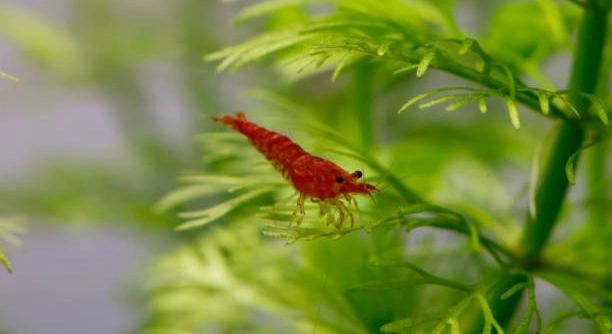
Are your cherry shrimp suddenly hanging upside down in your tank? This unusual behavior can be worrying, especially for those new to shrimp keeping. Observing these small creatures closely helps identify whether it is normal or a sign of distress.
Cherry shrimp hanging upside down is most often caused by poor water quality, stress, or molting issues. Ensuring stable parameters, proper nutrition, and a clean environment is essential to prevent this behavior and maintain shrimp health.
Understanding the causes behind this behavior can help you take immediate steps to correct the situation. We will explore practical solutions to keep your shrimp thriving and safe.
Common Reasons Cherry Shrimp Hang Upside Down
One of the main reasons cherry shrimp hang upside down is poor water quality. High levels of ammonia, nitrites, or nitrates can stress shrimp, causing them to behave abnormally. Shrimp are sensitive to pH changes and temperature fluctuations, so keeping these parameters stable is crucial. Lack of oxygen can also lead to unusual positioning, as shrimp struggle to breathe. Another common factor is molting problems. When shrimp prepare to shed their exoskeleton, they may hang in awkward positions to make the process easier. If they have difficulty molting, they can remain upside down longer than normal, which can be dangerous. Stress from overcrowding, aggressive tank mates, or sudden environmental changes can also lead to this behavior. Providing hiding spaces and maintaining a calm environment helps reduce stress. Finally, poor nutrition can affect shrimp strength and balance, making it harder for them to swim correctly or stay upright.
Monitoring water parameters regularly helps prevent upside-down behavior.
Keeping shrimp healthy requires a combination of clean water, proper diet, and careful observation. Feeding a balanced diet with adequate calcium and minerals supports molting. Using live plants and hiding spots reduces stress and improves overall well-being. Shrimp respond quickly to consistent conditions, so small improvements in water quality or diet often result in visible changes in behavior. Regular partial water changes remove toxins, while maintaining a steady temperature and pH keeps shrimp comfortable. Observing their behavior daily allows early detection of issues. Molting can appear alarming but is often a natural process; however, prolonged upside-down positions indicate potential problems. Avoid overfeeding, as decaying food can worsen water quality. By combining proper care, nutrition, and attention, upside-down hanging can be minimized. Consistency is key, as cherry shrimp thrive in predictable, low-stress environments where they can molt safely and move freely.
Preventing Upside-Down Behavior
A clean tank is the foundation of healthy shrimp.
Regular water changes, monitoring ammonia, nitrites, and nitrates, and providing a balanced diet are essential to prevent upside-down hanging. Consistent conditions reduce stress, support proper molting, and keep shrimp active and upright. Maintaining stability ensures long-term health and vitality in your tank.
Signs of Stress in Cherry Shrimp
Cherry shrimp under stress may become lethargic, hide more often, or swim erratically. Hanging upside down is a clear sign, along with loss of color and appetite. These behaviors indicate that immediate action is needed to improve their environment and reduce stress.
Stress in shrimp often comes from poor water conditions, sudden temperature changes, or aggressive tank mates. Overcrowding increases competition for food and space, causing weaker shrimp to behave unusually. Limited hiding spots can make them feel exposed and unsafe, which may result in upside-down hanging. Maintaining consistent water parameters and providing plants or shelters helps them feel secure. Avoid introducing new tank mates abruptly, as this can trigger further stress. Monitoring their behavior daily allows early detection, preventing long-term health issues and ensuring they molt properly.
Proper diet also plays a role in stress reduction. Feeding a mix of high-quality shrimp pellets, blanched vegetables, and occasional protein treats keeps them strong. Nutrient deficiencies can weaken their exoskeleton and make molting harder, which may worsen upside-down behavior. Regular observation, coupled with a clean, stable environment, ensures that stressed shrimp recover quickly. Even small changes in care routines, like gradual temperature adjustments and careful handling during maintenance, significantly improve shrimp well-being and prevent recurring upside-down positions.
Water Quality and Its Impact
Water quality directly affects shrimp health and behavior. High ammonia, nitrites, or fluctuating pH levels can make shrimp hang upside down or hide excessively, as they struggle to cope with the environment.
Maintaining consistent water parameters is crucial. Regular testing of ammonia, nitrite, nitrate, and pH levels ensures that conditions remain stable. Partial water changes help remove toxins and prevent harmful buildups. Shrimp are sensitive to temperature swings, so keeping the tank within a consistent range prevents stress. Providing a filter and adequate aeration improves oxygen levels, which supports normal behavior. Plants not only offer hiding spots but also assist in maintaining water stability by absorbing excess nutrients. Overfeeding should be avoided, as leftover food can decay, worsening water quality. Observing shrimp behavior after changes helps determine if water conditions are suitable.
Even small fluctuations in water quality can have noticeable effects. Consistent care, including cleaning substrate and monitoring chemical levels, helps maintain a healthy tank. Choosing the right substrate and adding gentle filtration supports natural shrimp activity. Additionally, avoiding overcrowding and removing aggressive species prevents stress-related behavior. By prioritizing water quality and stability, upside-down hanging becomes less frequent, and shrimp display normal, active swimming patterns. A stable tank fosters proper molting, color vibrancy, and overall vitality, ensuring long-term shrimp health.
Molting Issues
Molting is a natural process for cherry shrimp, but complications can cause them to hang upside down. Difficulty shedding their exoskeleton or delayed molts often results from insufficient minerals or stress. Proper care and nutrition are essential to support healthy molting.
Incomplete or irregular molts can weaken shrimp, leaving them vulnerable to injury or death. Providing calcium-rich foods, maintaining stable water parameters, and minimizing stress can prevent molting problems. Observing shrimp during molting helps identify potential issues early and allows timely intervention.
Nutrition and Diet
A balanced diet is critical for shrimp health. Lack of essential nutrients, particularly calcium and minerals, affects their exoskeleton strength and mobility. Nutrient-rich foods support proper molting and prevent upside-down hanging.
Tank Environment
The tank setup influences shrimp behavior. Overcrowding, lack of hiding spots, and incompatible tank mates increase stress, leading to abnormal positions. A well-structured tank with plants, caves, and sufficient space promotes normal activity and reduces stress.
Why are my cherry shrimp hanging upside down suddenly?
Cherry shrimp often hang upside down due to stress, poor water quality, or molting issues. Sudden changes in temperature, pH, or ammonia levels can shock them. Additionally, overcrowding or aggressive tank mates may cause shrimp to behave abnormally. Observing water parameters and tank conditions helps identify the cause.
Is it normal for shrimp to hang upside down during molting?
Yes, shrimp may hang upside down temporarily while molting. This position helps them shed their old exoskeleton safely. However, if they remain in this position for extended periods, it could indicate difficulty molting or nutrient deficiencies, requiring attention to diet and water conditions.
How long can a shrimp safely hang upside down?
A shrimp hanging upside down for a short period, usually a few hours during molting, is generally normal. Prolonged upside-down behavior beyond 24 hours can indicate stress, disease, or poor water quality and should be addressed immediately to prevent health issues.
Can water quality alone cause upside-down behavior?
Yes, water quality is a primary factor in shrimp behavior. High ammonia, nitrite, nitrate levels, or sudden pH fluctuations can lead to abnormal swimming patterns. Maintaining consistent water conditions through regular testing, partial water changes, and proper filtration is crucial for healthy shrimp.
What dietary changes can prevent upside-down hanging?
Providing a balanced diet rich in calcium, minerals, and protein supports exoskeleton strength and proper molting. Supplements or specialized shrimp foods can help. Avoid overfeeding, as decaying food can deteriorate water quality and stress shrimp, indirectly contributing to upside-down behavior.
Do tank mates affect this behavior?
Yes, aggressive or fast-moving tank mates can stress shrimp, causing them to hang upside down or hide frequently. Ensuring compatible species and providing hiding spots like plants or caves reduces stress and encourages natural, upright swimming behavior.
Is upside-down hanging a sign of disease?
It can be. Bacterial infections, parasites, or fungal growth can weaken shrimp, affecting mobility and balance. Observing other signs like lethargy, discoloration, or loss of appetite alongside upside-down behavior helps determine whether disease is involved. Prompt action, including improving water quality or isolating affected shrimp, is recommended.
How can I help a shrimp that is stuck upside down?
If a shrimp remains upside down for an extended period, check water parameters immediately and correct any imbalances. Adding calcium or mineral supplements may assist with molting issues. Providing a safe, calm environment with minimal disturbance helps reduce stress and supports recovery.
Can stress alone cause this behavior?
Yes, stress from sudden environmental changes, handling, overcrowding, or lack of hiding spots can result in upside-down hanging. Shrimp are sensitive to their surroundings, and consistent care, stable water conditions, and adequate shelter are essential for reducing stress-related behavior.
Will all shrimp in the tank be affected?
Not necessarily. Individual shrimp may respond differently to stress, diet, or water conditions. Some may hang upside down while others remain normal. Monitoring each shrimp and adjusting care routines ensures that all inhabitants maintain health and display natural behavior.
Can temperature changes trigger upside-down hanging?
Sudden or extreme temperature fluctuations can stress shrimp, affecting their buoyancy and balance. Maintaining a stable, appropriate temperature range for cherry shrimp helps prevent abnormal behavior and supports overall health, molting, and activity levels.
Is hiding behavior related to upside-down hanging?
Hiding and upside-down hanging are often connected. Stressed or weakened shrimp may seek shelter while adopting unusual positions. Providing sufficient plants, moss, or caves allows them to feel secure while maintaining upright swimming when active.
How often should I check water parameters?
Frequent monitoring is important. Testing ammonia, nitrites, nitrates, pH, and temperature at least weekly ensures a stable environment. Adjustments should be made gradually to avoid shocking the shrimp and causing abnormal behavior, including upside-down hanging.
Can I prevent this behavior entirely?
While some upside-down hanging is natural during molting, most cases caused by stress or poor conditions can be minimized. Maintaining stable water parameters, providing proper nutrition, avoiding overcrowding, and offering hiding spots significantly reduces the likelihood of abnormal positioning.
Are there signs that indicate permanent damage?
Prolonged upside-down hanging accompanied by loss of color, inability to molt, or lethargy may suggest serious health issues. Immediate intervention is needed, including water changes, supplementation, and isolation if disease is suspected, to prevent mortality and ensure recovery.
Does tank size influence upside-down behavior?
Yes, small or overcrowded tanks can increase stress and competition for resources, leading to upside-down hanging. Ensuring adequate space and proper population density allows shrimp to move freely and reduces stress-induced abnormal behavior.
Can I use additives to fix this problem?
Certain additives like mineral supplements, calcium powders, or pH stabilizers can help, especially for molting and water quality support. They should be used carefully and in recommended amounts, as overuse can disrupt tank stability and further stress shrimp.
Is upside-down behavior reversible?
In most cases, yes. Correcting water quality, improving diet, reducing stress, and providing proper molting support can restore normal behavior. Early detection and consistent care are critical to ensure shrimp return to healthy, upright swimming patterns.
How do I monitor shrimp recovery?
Observe swimming behavior, feeding activity, coloration, and molting frequency. Gradual improvements indicate recovery. Shrimp should resume upright swimming, normal feeding, and regular molting cycles. Keeping a record of changes helps track the effectiveness of interventions.
Can lighting affect shrimp behavior?
Indirectly, yes. Bright or fluctuating lighting can stress shrimp, making them hide or move awkwardly. Consistent, moderate lighting that mimics natural day-night cycles helps maintain calm behavior and supports normal activity levels.
Should I separate a shrimp that is upside down?
If prolonged upside-down behavior persists, isolating the shrimp in a small, calm environment with proper water conditions can reduce stress and prevent potential harm from tank mates. This allows focused care, including observation and dietary support, to aid recovery.
What is the long-term outlook for shrimp that hang upside down?
With proper intervention, shrimp usually recover fully. Correcting water quality, ensuring proper diet, and minimizing stress prevent recurrence. Long-term care focuses on stable tank conditions, compatible tank mates, and adequate nutrition to maintain healthy behavior and reduce future incidents.
Are some shrimp more prone to this behavior than others?
Yes, younger shrimp, weak individuals, or those with molting difficulties are more susceptible. Ensuring optimal care from an early stage, including nutrition and water stability, reduces the likelihood of upside-down hanging and supports healthy growth and development.
Can filtration or aeration impact this behavior?
Adequate filtration and gentle aeration maintain oxygen levels and water stability. Poor circulation or stagnant water can stress shrimp, causing abnormal swimming patterns. Ensuring the tank has appropriate flow and filtration reduces upside-down behavior and promotes overall health.
Is it necessary to change the tank setup?
Not always, but adding plants, moss, or hiding spaces can reduce stress and encourage upright swimming. For persistent issues, reviewing tank size, stocking density, and compatibility may be necessary to improve shrimp comfort and reduce upside-down behavior.
How do I prevent future occurrences?
Regular water testing, consistent diet, stable temperature, adequate space, and proper molting support minimize upside-down hanging. Monitoring shrimp behavior daily and addressing minor issues promptly ensures long-term health, normal activity, and proper molting cycles.
What should I do if multiple shrimp are affected?
Check water quality immediately, as this usually indicates a systemic issue. Perform partial water changes, stabilize parameters, provide hiding spots, and ensure proper nutrition. Observing all shrimp helps identify severity and ensures timely interventions to prevent widespread health problems.
Can stress from maintenance cause this?
Yes, sudden handling, water changes, or equipment adjustments can stress shrimp temporarily. Performing maintenance gradually, using gentle water changes, and avoiding abrupt disruptions helps reduce upside-down behavior and maintains shrimp well-being.
Are there preventive supplements I can use?
Mineral and calcium supplements aid molting and exoskeleton health. Using them according to instructions supports shrimp strength and reduces the risk of upside-down hanging, especially in soft water or nutrient-deficient tanks.
Do older shrimp behave differently than younger ones?
Older shrimp may be more resilient to minor stress but can still experience upside-down hanging if water quality, diet, or molting conditions are poor. Younger shrimp are more sensitive and require closer monitoring to prevent abnormal behavior.
How quickly should behavior improve after intervention?
Improvement can be seen within hours to a few days, depending on the cause. Water quality corrections, dietary adjustments, and reduced stress usually result in shrimp returning to upright swimming and normal activity patterns.
Are there long-term effects from repeated upside-down hanging?
Repeated stress or molting difficulties can weaken shrimp, affect growth, and increase susceptibility to disease. Maintaining consistent care, proper nutrition, and stable conditions prevents repeated occurrences and supports overall long-term health and vitality.
Can I use live plants to help?
Live plants provide hiding spots, improve water quality, and stabilize parameters. They reduce stress, encourage normal swimming, and support molting, making them effective in preventing upside-down behavior and promoting shrimp health.
What monitoring tools are most useful?
Test kits for ammonia, nitrites, nitrates, pH, and temperature are essential. Observation of shrimp behavior and molting cycles complements chemical testing. Together, they allow early intervention and maintain stable, healthy conditions that prevent upside-down hanging.
Are certain species more tolerant than cherry shrimp?
Yes, other shrimp species may be more resilient to minor stressors, but cherry shrimp are sensitive and require careful attention to water quality, diet, and environment to prevent upside-down behavior. Even hardy species benefit from stable conditions.
How do I address recurring upside-down behavior?
Identify and correct the root causes, such as poor water quality, diet deficiencies, or stressors. Consistently maintain stable conditions, provide hiding spots, and monitor shrimp closely. Persistent cases may require isolation or additional supplements to support molting and recovery.
Can lighting schedules impact stress levels?
Yes, consistent day-night cycles reduce stress. Sudden changes or overly bright lighting can cause shrimp to hide or hang upside down. Maintaining moderate, stable lighting supports normal activity and reduces stress-related behavior.
What role does tank cleaning play?
Regular cleaning removes debris, decaying food, and excess waste, maintaining water quality. Clean substrate and surfaces prevent ammonia spikes, reduce stress, and decrease the likelihood of upside-down hanging, supporting healthy shrimp behavior.
How important is observation?
Daily observation allows early detection of upside-down hanging, molting issues, or stress signs. Timely intervention ensures water quality, diet, and environmental adjustments can be made, preventing long-term health problems and promoting stable, upright behavior.
Can I prevent issues with quarantine?
Quarantining new shrimp or tank mates prevents disease and stress from entering the main tank. This reduces the risk of abnormal behavior, including upside-down hanging, and protects established shrimp populations.
Does water hardness matter?
Yes, soft water can lead to molting difficulties, increasing upside-down behavior. Maintaining proper water hardness and providing mineral supplements helps strengthen exoskeletons and supports normal molting cycles.
Are there behavioral signs before upside-down hanging occurs?
Shrimp may show reduced activity, frequent hiding, or slower feeding before hanging upside down. Monitoring early signs allows proactive adjustments in water quality, diet, or environment, preventing prolonged abnormal behavior.
Can seasonal changes affect shrimp behavior?
Temperature and light fluctuations with seasonal shifts can stress shrimp. Gradual adjustments to water conditions and stable lighting minimize the impact, reducing abnormal behavior, including upside-down hanging.
How do I support molting naturally?
Providing calcium-rich foods, stable water parameters, and hiding spots supports natural molting. Avoid disturbing shrimp during this time and maintain clean, calm conditions to prevent stress and facilitate successful exoskeleton shedding.
Should I remove uneaten food immediately?
Yes, leftover food can decay, increasing ammonia and nitrates, stressing shrimp. Removing uneaten food promptly maintains water quality, reduces upside-down behavior, and promotes overall shrimp health.
How do I know if a shrimp is dying?
Signs include prolonged upside-down hanging, lack of movement, loss of color, and refusal to eat. Immediate action, such as checking water quality or isolating the shrimp, may help, but severe cases may be irreversible.
Is tank size critical for prevention?
Adequate tank size reduces stress and competition. Overcrowding can lead to hiding, upside-down hanging, and molting difficulties. Ensuring enough space for all shrimp supports normal swimming and reduces stress-related behavior.
What role does filtration play in prevention?
Proper filtration maintains clean water, oxygenates the tank, and stabilizes conditions. Poor filtration leads to toxin buildup, stress, and abnormal behavior. Gentle flow is ideal to avoid disturbing delicate shrimp.
Can I use automatic feeders safely?
Yes, but overfeeding must be avoided. Automatic feeders should provide small, measured portions to prevent water quality decline. Controlled feeding supports health, molting, and upright swimming behavior.
How do I know when conditions are optimal?
Shrimp swimming normally, bright coloration, regular molting, and active feeding indicate optimal conditions. Monitoring water parameters and observing behavior confirms that the environment supports healthy shrimp activity.
Are there signs of recovery after stress?
Shrimp begin swimming upright, feeding actively, and displaying normal molting cycles. Brightening coloration and reduced hiding indicate reduced stress and recovery. Consistent care ensures full restoration of normal behavior.
Can I prevent upside-down hanging entirely?
While some upside-down hanging is normal during molting, most stress-related occurrences can be minimized with stable water, proper diet, hiding spots, and careful observation. Consistent care and attention to tank conditions prevent most abnormal behavior.
How does crowding affect molting?
Overcrowding increases stress, competition, and limited hiding spaces. This can lead to incomplete or delayed molts, causing upside-down hanging. Maintaining proper population density ensures successful molting and normal behavior.
Is temperature stability more important than pH stability?
Both are equally important. Fluctuations in either can stress shrimp. Maintaining a consistent temperature range and stable pH ensures molting, feeding, and swimming behavior remain normal.
Can substrate type influence shrimp behavior?
Yes, certain substrates retain toxins or alter water parameters. Choosing a neutral or shrimp-friendly substrate helps maintain stable water conditions and reduces stress-induced upside-down hanging.
What are the first steps if upside-down hanging starts?
Test water parameters, adjust temperature if needed, and remove uneaten food. Check for molting issues or aggression from tank mates. Providing hiding spots and observing shrimp closely helps address problems early.
Can molting supplements reverse prolonged upside-down hanging?
They can help, especially if the issue is mineral deficiency. Supplements with calcium or other essential minerals support exoskeleton strength and aid recovery from molting-related upside-down positions.
How often should I feed my shrimp?
Small, consistent feedings once or twice daily prevent overfeeding and maintain water quality. Balanced nutrition supports molting, strength, and normal upright swimming behavior.
Are some water treatments harmful to shrimp?
Yes, chemicals like medications for fish or chlorine-treated water can stress or harm shrimp. Always use shrimp-safe products and dechlorinate water to prevent abnormal behavior.
How long does it take for shrimp to fully recover?
Recovery time depends on cause. Water quality correction and dietary support often yield improvements within hours to days. Persistent stress or disease may require longer interventions for full recovery.
Can I combine multiple preventive measures?
Yes, using stable water, proper diet, hiding spaces, gentle filtration, and careful monitoring together provides the best results. Combining measures addresses multiple factors that lead to upside-down hanging.
Are there seasonal supplements I should use?
Not specifically seasonal, but maintaining consistent mineral and calcium levels year-round supports molting and prevents upside-down hanging. Seasonal temperature adjustments should be gradual to avoid stress.
How do I track improvements effectively?
Keep a log of water parameters, feeding routines, and shrimp behavior. Noting changes in swimming, color, and molting frequency helps determine the effectiveness of interventions and ensures ongoing shrimp health.
Is it normal for shrimp to occasionally hang upside down while resting?
Short periods during rest or molting are normal. Persistent or prolonged upside-down positions indicate stress, water issues, or molting complications that need attention.
Can lighting intensity prevent upside-down behavior?
Moderate, stable lighting supports normal activity. Sudden bright lights can stress shrimp, leading to hiding or upside-down hanging. Maintaining a calm lighting environment reduces abnormal behavior.
Should I test water more frequently if upside-down behavior occurs?
Yes, frequent testing helps detect imbalances early. Monitoring ammonia, nitrites, nitrates, pH, and temperature daily during issues allows quick intervention to restore stable, safe conditions for shrimp.
Can I prevent stress from tank maintenance?
Yes, gradual water changes, minimal handling, and calm adjustments during cleaning reduce stress. Proper maintenance routines support shrimp health and prevent upside-down hanging.
How does shrimp density impact behavior?
High density increases stress, competition, and hiding. Low density reduces interactions and stress, promoting normal swimming, molting, and feeding behavior while preventing upside-down hanging.
Are there environmental signs I should watch for?
Cloudy water, algae overgrowth, or decaying plants indicate poor conditions. Addressing these promptly prevents stress and upside-down behavior in shrimp.
Is observation more important than chemical tests?
Both are essential. Chemical tests ensure water stability, while observation detects behavioral changes. Together they allow timely interventions to maintain healthy, upright shrimp.
Can I combine live plants and supplements safely?
Yes, plants improve water quality while supplements support molting. This combination reduces stress, strengthens shrimp, and prevents upside-down hanging without disrupting tank balance.
Do shrimp react to vibrations or noise?
Yes, excessive vibrations or sudden noise can stress shrimp, causing abnormal swimming or hiding. Minimizing disturbances helps maintain calm behavior and normal upright swimming.
How often should I check for molting problems?
Daily observation during molting cycles is best. Early detection of difficulty allows interventions like mineral supplementation or hiding spot adjustments, preventing prolonged upside-down hanging and health issues.
Are shrimp more sensitive than other tank species?
Yes, cherry shrimp are delicate and react quickly to water quality changes, diet deficiencies, or stress. Careful attention to all aspects of their environment is necessary to maintain normal behavior.
Can temperature drops trigger upside-down hanging?
Yes, sudden drops can stress shrimp and affect buoyancy. Maintaining consistent, appropriate temperatures prevents abnormal behavior and supports normal molting and swimming.
How do I adjust care for vulnerable shrimp?
Provide gentle water flow, hiding spots, mineral-rich foods, and consistent conditions. Monitor closely for stress or molting difficulties, and address issues promptly to prevent upside-down behavior.
**Are there signs that indicate immediate intervention is
Caring for cherry shrimp requires careful attention to their environment, diet, and general well-being. Observing upside-down behavior is an important indicator of potential issues in the tank. Shrimp hanging upside down are often signaling stress, water quality problems, or molting difficulties. By maintaining clean water, stable parameters, and adequate nutrition, most of these behaviors can be prevented or corrected. Regular observation helps detect early signs of stress or imbalance before they become serious problems. Providing a calm environment with hiding spots and gentle water flow reduces stress and encourages normal, upright swimming.
Water quality is one of the most critical factors in shrimp health. Parameters like ammonia, nitrites, nitrates, pH, and temperature must remain stable to ensure proper behavior and successful molting. Even minor fluctuations can cause shrimp to hang upside down or behave unusually. Partial water changes, filtration, and substrate maintenance all contribute to a healthy environment. Overfeeding should be avoided, as decaying food leads to poor water conditions, which can stress shrimp and trigger abnormal behavior. Consistency in care and monitoring helps create an environment where shrimp feel secure and can thrive.
Nutrition and proper tank setup are also essential for preventing upside-down hanging. A balanced diet with minerals and calcium supports strong exoskeletons and proper molting. Live plants and hiding spots reduce stress and provide areas for shrimp to feel safe during vulnerable periods. Avoiding overcrowding and aggressive tank mates ensures shrimp are not subjected to unnecessary stress. With attention to these factors, upside-down behavior can be minimized, and shrimp can grow and thrive in a stable, well-maintained tank. Careful observation, routine maintenance, and consistent care create a sustainable environment for cherry shrimp, allowing them to display natural, healthy behavior over the long term.

Hello,
If you enjoy the content that we create, please consider saying a "Thank You!" by leaving a tip.
Every little bit helps us continue crafting quality advice that supports the health, happiness, and well-being of pets around the world, for pets of all shapes, sizes, and species.
We really appreciate the kindness and support that you show us!