
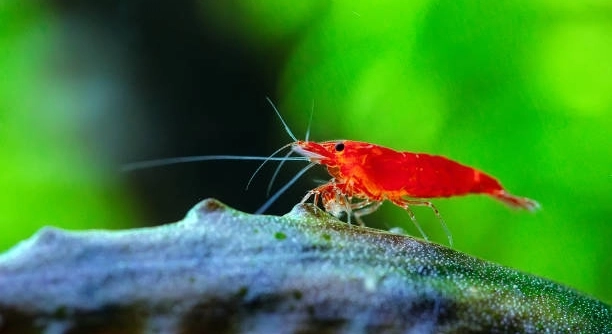
Do you enjoy keeping cherry shrimp in your aquarium but notice they react differently to water changes? Many shrimp owners observe subtle movements and behavior shifts when the water flow increases suddenly. These tiny creatures are sensitive to their environment.
Cherry shrimp do react to sudden water movement. Rapid changes in flow can startle them, causing temporary hiding or reduced activity. Their small size and delicate bodies make them highly responsive to water disturbances, which can affect feeding and swimming patterns.
Observing these reactions can help you create a calmer, more stable environment for your shrimp to thrive. Small adjustments in water movement often lead to healthier, more active shrimp.
How Cherry Shrimp Respond to Water Flow
Cherry shrimp are naturally sensitive to changes in water movement. Even small shifts in flow can make them pause or hide. When water moves suddenly, their instincts tell them to seek safety. You might notice them clinging to plants or decorations, or darting quickly across the tank. Strong currents can stress them, slowing down their usual activities like feeding or exploring. Many hobbyists find that gentle, consistent flow helps shrimp feel secure and more active. They prefer calm areas where they can graze on biofilm or algae without constant disruption. Observing their behavior can help you adjust your filter or aeration settings to suit their needs. Using sponge filters or deflectors can soften the impact of moving water. Over time, shrimp can acclimate slightly, but sudden surges are always more stressful than gradual changes. Providing hiding spots and stable water conditions supports their health and encourages natural behaviors.
Maintaining steady water flow keeps shrimp comfortable and reduces unnecessary stress in the tank environment.
Monitoring how shrimp react to different flow patterns can guide better aquarium setup decisions. With thoughtful adjustments, you can minimize stress while keeping the tank healthy.
Tips for Minimizing Stress from Water Movement
Use gentle filtration that circulates water slowly, avoiding strong currents that may overwhelm shrimp.
Start by positioning filters away from open swimming areas and adding decorations or plants to break the flow. Sponge filters are ideal because they create movement without strong surges. Observing shrimp over several days shows how they adjust to these changes. You can also introduce new flow gradually, giving them time to acclimate. Sudden water changes, like splashing from water top-offs or power outages that restart pumps, can startle them, so being careful during maintenance helps. In planted tanks, dense vegetation or moss provides natural shelter, giving shrimp safe spaces to retreat when the water moves. Combining stable water flow with adequate hiding spots improves their confidence and activity. Monitoring water parameters alongside flow ensures shrimp remain healthy, as stress from strong currents can worsen sensitivity to temperature or chemical shifts. Making small, consistent adjustments keeps shrimp active and thriving while reducing unnecessary stress, leading to a more balanced and peaceful aquarium environment.
Common Signs of Stress from Sudden Water Movement
Shrimp may hide more than usual, cling to decorations, or move sluggishly when water flow changes abruptly. Observing these subtle signs helps identify stress before it affects health or activity levels.
Behavior changes are often the first indicators of stress in cherry shrimp. They may stop grazing, retreat into hiding spots, or cluster in calm areas of the tank. Some shrimp might even lose color slightly or appear less active. These responses are normal reactions to sudden disturbances but can become problematic if the flow remains strong or unpredictable. Monitoring their behavior carefully allows you to make small adjustments to water movement, improving comfort and encouraging natural activity patterns. Even minor changes in filter output or aeration direction can make a noticeable difference in how they behave. Providing consistent conditions supports overall well-being and reduces the likelihood of long-term stress effects.
Shrimp also respond to the direction and intensity of flow. Currents hitting their bodies directly cause immediate evasive movement. Using obstacles like plants or rocks can diffuse flow and create calmer micro-environments. Gradually adjusting water movement during maintenance, instead of making sudden changes, allows shrimp to acclimate without panic. This method reduces hiding behavior and encourages normal feeding. Observing the tank over days or weeks shows which areas are preferred and safest. By designing the aquarium with slow-moving zones, shrimp can explore freely while avoiding stress, resulting in a more balanced and active community.
How to Adjust Aquarium Setup for Calm Water
Adding plants, moss, or decorations helps redirect flow and gives shrimp places to rest. Careful placement reduces sudden water surges.
Positioning filters to avoid direct currents is key for minimizing stress. Sponge filters or adjustable output nozzles soften water movement, creating gentle flow throughout the tank. Dense plants or moss walls absorb energy from strong currents, providing calm zones for grazing and resting. Rocks and driftwood can act as barriers, redirecting water and breaking up flow patterns. Observing where shrimp congregate indicates preferred calmer spots, which can inform future tank adjustments. Changing maintenance habits, like filling water slowly, also reduces stress. Combining thoughtful decoration placement with controlled filtration ensures shrimp remain active and healthy. Calmer water conditions support normal behavior and improve overall tank stability.
Gradual Acclimation to Water Flow
Introducing small, incremental changes in water movement helps shrimp adjust without panic. Consistent monitoring ensures they remain comfortable during transitions.
Using slower adjustments over time allows shrimp to explore new flow areas safely. Sudden increases can trigger hiding, while gradual shifts encourage normal activity.
Choosing the Right Filter
Filters with adjustable output or sponge designs provide gentle circulation that suits shrimp tanks. Controlling flow intensity directly impacts their comfort and behavior.
Selecting a filter that allows fine-tuning of water movement prevents strong currents from overwhelming shrimp. Adjustable nozzles, sponge filters, or flow diffusers soften the impact of circulating water. Monitoring shrimp reactions after changes ensures they remain active and stress-free. This setup also supports plant growth and overall tank health, creating an environment where shrimp can feed, molt, and move naturally without interruption. Consistency and careful observation are key to maintaining a calm habitat.
Placement of Decorations
Strategically arranging plants and rocks creates calm zones and breaks water flow, helping shrimp feel safe.
FAQ
Do cherry shrimp get stressed by strong water currents?
Yes, cherry shrimp are very sensitive to sudden or strong water currents. Rapid water movement can startle them, causing hiding, reduced activity, or slower feeding. Stress from strong currents can also make them more vulnerable to illness and affect molting, which is essential for their growth.
How can I tell if my shrimp are stressed?
Signs include hiding more than usual, clinging to decorations, slow movement, or clustering in calmer areas of the tank. Some shrimp may also lose a bit of color or stop grazing. Observing these behaviors over time helps identify ongoing stress from water conditions or other environmental factors.
What type of filters are best for shrimp tanks?
Sponge filters or filters with adjustable output are ideal. They produce gentle water flow, preventing shrimp from being pushed around. Adjustable nozzles and diffusers can direct flow away from key areas, creating calm zones where shrimp can feed and explore safely.
How can I reduce sudden water movement?
Position filters to avoid direct flow, add plants, moss, or rocks to break up currents, and adjust pump output gradually. During water changes, pour water slowly to prevent shock. Observing shrimp after any changes ensures they are comfortable and active.
Do hiding spots help with water flow stress?
Absolutely. Dense plants, moss walls, rocks, and driftwood provide safe spaces where shrimp can rest or escape strong currents. These calm zones encourage normal behavior, allowing shrimp to feed, molt, and explore without panic. Proper placement of these decorations reduces overall stress.
Will shrimp adapt to stronger currents over time?
Some shrimp may adjust slightly if changes are gradual, but strong or sudden currents are always stressful. Long-term exposure to excessive flow can stunt activity, reduce feeding efficiency, and increase susceptibility to disease. Creating gentle, stable conditions is always better than forcing adaptation.
Can water flow affect shrimp feeding?
Yes, strong currents can make it difficult for shrimp to reach food. They may hide or be pushed around, reducing feeding efficiency. Calm zones and gentle flow allow them to graze naturally on algae, biofilm, and supplemental foods without stress.
How do decorations influence water flow in a tank?
Plants, rocks, and driftwood break up currents and redirect flow, creating calmer areas. Observing where shrimp prefer to gather shows which zones are most comfortable. Well-placed decorations balance circulation, maintain oxygenation, and provide safe spaces for normal shrimp activity.
Is gradual acclimation important for new shrimp?
Yes, introducing shrimp to a tank with sudden water movement can stress them immediately. Gradually increasing flow and providing calm zones helps them explore safely. Slow changes allow shrimp to establish routines, feed properly, and interact naturally within their environment.
Can sudden water changes harm shrimp physically?
Rapid shifts in water level or movement can startle shrimp, leading to panic or injuries if they collide with tank decorations. Slow adjustments during maintenance, combined with stable flow, prevent accidents and keep shrimp healthy and active.
How often should I check shrimp behavior regarding water flow?
Daily observation is recommended, especially after filter adjustments or water changes. Look for hiding, sluggish movement, or clustering in calm areas. Tracking behavior over time helps you fine-tune flow and environment, ensuring long-term health and comfort.
Are all shrimp equally sensitive to water movement?
Most dwarf shrimp, including cherry shrimp, are sensitive, but some may tolerate slightly stronger currents better than others. Individual behavior varies, so monitoring each tank and adjusting flow accordingly is important to prevent stress across the population.
Can stress from water flow affect molting?
Yes, stress can interfere with molting, which is critical for growth. Shrimp under constant strong currents may delay or skip molts, weakening them over time. Calm water zones and gentle flow support normal molting cycles, improving overall health and longevity.
What is the best approach to maintain calm water overall?
Use gentle filters, diffuse water movement with plants or decorations, and avoid sudden changes during maintenance. Gradual adjustments in flow allow shrimp to explore naturally while keeping them safe and stress-free. Consistent observation ensures their environment remains suitable for daily activities.
This FAQ provides guidance for creating a stable, low-stress environment for cherry shrimp, addressing common concerns about water movement, behavior, and overall health.
Cherry shrimp are small, delicate creatures that respond quickly to changes in their environment. Water movement is one of the factors that can significantly affect their behavior. Sudden or strong currents often make them hide, move less, or cling to decorations to stay safe. Even though they are resilient, repeated stress from fast water flow can reduce their activity, feeding, and overall health. Observing their reactions carefully is important because it allows you to make small changes that create a calmer and more comfortable environment. Gentle and consistent water movement is preferable, helping shrimp feel secure while allowing them to feed, explore, and interact naturally with their surroundings.
Creating a shrimp-friendly tank involves paying attention to both water flow and the placement of decorations. Plants, moss, rocks, and driftwood serve a dual purpose: they make the tank visually appealing and provide calm zones for shrimp to retreat to when the current becomes too strong. Positioning filters to avoid direct currents and using adjustable outputs or sponge filters can further reduce stress. Gradually introducing changes, such as increasing flow slowly or rearranging decorations, helps shrimp acclimate without panic. Observing where they prefer to gather indicates which areas of the tank feel safest. Over time, shrimp become more confident and active, feeding normally and exploring without unnecessary hiding. This careful setup contributes to a balanced ecosystem where shrimp can thrive while maintaining healthy water circulation.
Maintaining a calm and stable environment also supports long-term health and successful tank management. Stress from strong or sudden water movement can affect molting, coloration, and disease resistance. By ensuring gentle water flow, providing hiding spots, and monitoring shrimp behavior, you create conditions that encourage natural activity and proper feeding. Small adjustments in filter placement, decoration arrangement, and water change practices can make a noticeable difference in how shrimp behave. Consistency is key, as sudden changes are more disruptive than gradual ones. With careful observation and attention to their needs, cherry shrimp can live in a stress-free environment that promotes growth, activity, and overall well-being. This approach not only benefits the shrimp but also makes caring for the tank simpler and more rewarding, resulting in a healthier, more vibrant aquatic community.

Hello,
If you enjoy the content that we create, please consider saying a "Thank You!" by leaving a tip.
Every little bit helps us continue crafting quality advice that supports the health, happiness, and well-being of pets around the world, for pets of all shapes, sizes, and species.
We really appreciate the kindness and support that you show us!