
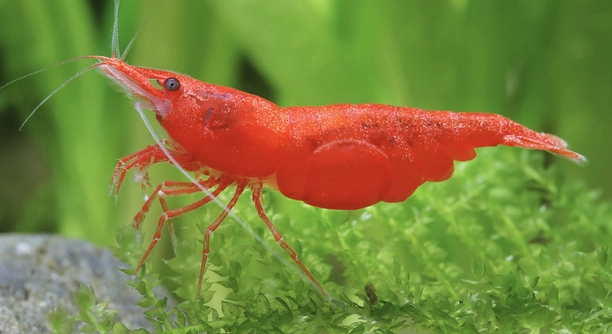
Caring for cherry shrimp can feel peaceful until subtle issues begin to disturb their steady routines in the tank, leaving you unsure why their colony strength gradually weakens in ways that seem unexpected over time.
The main factors that disrupt cherry shrimp colonies include unstable water parameters, aggressive tank mates, poor filtration, inadequate nutrition, overcrowding, sudden temperature shifts, and contamination, each creating stress that weakens survival rates and reduces the stability of their social structure.
These small disturbances may appear harmless at first, but understanding their impact helps you support a thriving colony with growth.
Unstable Water Parameters
Unstable water parameters are one of the most common issues that weaken cherry shrimp colonies, especially when changes happen too quickly for them to adjust. I want to explain this clearly because small shifts that seem harmless to you can feel overwhelming to them. When pH, ammonia, nitrite, or nitrate levels move outside their comfort range, shrimp often hide more, eat less, and become increasingly vulnerable to illness. Even minor instability can interrupt their molting cycle, leaving them stuck during this important process. Maintaining consistent parameters helps them stay active and confident in their tank. Testing regularly, performing gentle water changes, and avoiding sudden adjustments will make a noticeable difference in their overall behavior and long-term growth. Stability gives them the dependable environment they need to thrive without unnecessary stress building up around them each day. This simple care builds trust in their space over time and keeps them stable.
Keeping these conditions steady supports shrimp health by reducing stress and preventing sudden declines in colony strength. A balanced tank allows them to molt properly, feed comfortably, and maintain natural activity levels. Consistency becomes one of the most reliable ways to protect their daily well-being and help them feel secure.
Maintaining a stable environment does not need to feel complicated, but it does require steady attention. Regular testing keeps you aware of small shifts before they become harmful. Slow water changes prevent shock and help your shrimp adjust comfortably. Using a reliable filtration system supports clean water, giving your colony a consistent place to grow. Avoiding excessive feeding also reduces waste that can trigger parameter swings. When you handle these steps with patience, your shrimp respond with brighter colors, more activity, and steady breeding. A stable tank truly becomes the foundation for long-term colonies that stay strong and remain healthy.
Aggressive Tank Mates
Aggressive tank mates can quickly disrupt cherry shrimp by chasing, nipping, or stressing them into constant hiding. Even small fish with playful behavior can create pressure that weakens colony stability. Choosing peaceful companions is essential for keeping shrimp active, confident, and able to explore their space comfortably each new day.
When unsuitable tank mates share the same space as cherry shrimp, the overall dynamic of the aquarium shifts in ways that undermine shrimp confidence and general well-being. Some fish are naturally drawn to movement, and the constant motion of shrimp can trigger unwanted attention, causing shrimp to hide instead of exploring or feeding freely. Over time, this avoidance leads to weaker health, slower growth, and interrupted breeding. Even if no physical harm occurs, the continued stress builds up and alters the colony’s natural balance. Selecting compatible species creates a calmer environment that supports steady routines. Peaceful fish like small rasboras or snails allow shrimp to forage, molt, and breed without tension. Providing ample hiding spots, dense plants, and clear territories also reduces the chance of conflict. Careful planning ensures each species has the space it needs to coexist comfortably. By focusing on behavior and temperament when choosing tank companions, you create a setting that protects your shrimp from unnecessary stress. A thoughtful approach keeps them active, visible, and able to sustain long-term colony growth without disruptions created by incompatible tank mates. This extra care supports their health and keeps their environment steady through daily activity and natural social behaviors together.
Poor Filtration
Poor filtration affects cherry shrimp by allowing waste and leftover food to accumulate, which quickly harms their health. When the water becomes heavy with debris, shrimp struggle to molt, feed, and move comfortably in their environment. A clean and steady flow supports their daily routine and keeps stress levels low.
A weak or poorly maintained filter fails to process harmful compounds like ammonia and nitrite, allowing them to rise to unsafe levels. Cherry shrimp are highly sensitive to these shifts, and even small increases can weaken their activity and disrupt their growth. A reliable filter helps maintain clarity, oxygen flow, and overall stability. Regular cleaning prevents clogs that interfere with circulation, keeping the water fresh. Gentle flow settings also protect baby shrimp from being pulled in. With steady filtration, the tank remains balanced and dependable, giving your colony a better chance to thrive without unnecessary strain or sudden changes.
A well-maintained filter also reduces the buildup of fine particles that irritate shrimp gills and impact their comfort. When debris stays suspended, shrimp spend more time hiding and less time foraging. Rinsing the filter sponge in tank water preserves beneficial bacteria that help process waste safely. Choosing a filter with soft intake protection prevents shrimp from getting trapped, especially the younger ones. Combining these steps creates a cleaner environment where shrimp feel secure moving around the tank. Consistent filtration supports steady color, proper molting, and healthier activity, helping the entire colony maintain strong long-term stability.
Inadequate Nutrition
Inadequate nutrition weakens shrimp by limiting their ability to molt, grow, and reproduce. When the diet lacks variety, they miss essential minerals and proteins that keep their bodies functioning well. A balanced feeding routine supports stronger colors and better activity throughout the tank each day.
A diet built only on basic pellets or leftover fish food fails to meet the needs of cherry shrimp. They rely on a mix of biofilm, blanched vegetables, mineral-rich foods, and high-quality shrimp pellets to stay healthy. Providing calcium and trace minerals helps support smooth molting, which is crucial for their survival and long-term development. Overfeeding, however, leads to excess waste that can quickly destabilize the tank. Offering small amounts while rotating foods ensures they receive steady nourishment without overwhelming the environment. When their diet is varied and consistent, shrimp become more active, breed more reliably, and maintain stronger colony health over time.
Continue the article with the following outline and format. Do not write an intro for each header, get straight to the point. Do not use a greeting. Make it feel slightly personal. Write in a simplistic style. Do not greet the reader.; Outline and Format: ; Header: xxxxxxxxxxxxxxxxxxx; 50 words paragraph; 50 words paragraph; Header: xxxxxxxxxxxxxxxxxxx; 100 words paragraph; Header: xxxxxxxxxxxxxxxxxxx; 50 words paragraph; Note: Skip the intro, get straight to the point. The rest of the headers will be provided later, so do not write them yet. Skip the conclusion, and recap. Respect the given word count for every paragraph.
FAQ
What is the ideal water temperature for cherry shrimp?
Cherry shrimp thrive best in stable water temperatures between 72°F and 78°F (22°C to 26°C). Sudden fluctuations can stress them, so a reliable heater with a thermostat helps maintain consistency. Avoid placing the tank near drafts, air conditioners, or direct sunlight that may cause rapid changes. Consistency supports molting, feeding, and breeding, helping the colony remain active and healthy. I’ve noticed that even small shifts of a few degrees can make shrimp hide for longer periods, which reduces their overall activity and slows colony growth. Keeping the temperature steady is one of the simplest steps to prevent unnecessary stress in your tank.
How often should I test the water parameters?
Testing should happen at least once a week for pH, ammonia, nitrites, and nitrates. During the first few weeks of a new tank, more frequent testing is helpful because shrimp are extremely sensitive to any imbalances. Keeping a log of readings helps identify slow changes that could become dangerous. Over time, weekly testing becomes routine and ensures the water remains safe. I personally find tracking the numbers visually in a small notebook or spreadsheet makes it easier to spot trends before they affect the shrimp. This small effort goes a long way toward a thriving colony.
What foods are best for cherry shrimp?
Cherry shrimp need a balanced diet. High-quality shrimp pellets or flakes should be supplemented with blanched vegetables like zucchini, spinach, or kale. They also feed on natural biofilm and algae that grow in the tank. Calcium-rich foods are essential for successful molting, which directly affects their survival. I like to rotate foods every few days to ensure variety. Overfeeding should be avoided because excess food decays and harms water quality, stressing the shrimp. A balanced diet supports active shrimp, bright colors, and steady breeding patterns, which are key for maintaining a strong colony.
How do I know if my shrimp are stressed?
Shrimp show stress through hiding excessively, reduced feeding, dull colors, and irregular molting. If you notice shrimp congregating in corners or under decorations more than usual, it often indicates environmental stress. Sudden deaths in the tank can also signal parameter changes or contamination. I’ve learned to check water quality immediately when these signs appear. Observing behavior carefully helps identify issues early, whether it’s water instability, aggressive tank mates, or temperature changes. Recognizing stress signs quickly allows corrective actions that prevent long-term colony decline.
Can I keep shrimp with other fish?
Yes, but only with peaceful, small fish that won’t chase or nip at the shrimp. Suitable options include small rasboras, guppies, or snails. Aggressive or predatory species will stress shrimp, reduce feeding, and may harm or kill them. I make sure hiding spots are abundant, so shrimp can escape if needed. Even compatible species require careful observation at first to ensure coexistence. Adding dense plants or moss gives shrimp confidence to forage safely. Thoughtful selection of tank mates preserves colony stability and reduces unnecessary stress in the aquarium environment.
How often should I clean the tank?
Partial water changes of 10–20% every week or two are ideal. Avoid full cleanings, as they remove beneficial bacteria essential for processing waste. Filter maintenance should happen monthly, rinsing media in tank water to preserve bacterial colonies. I try to make cleaning a gentle routine to avoid stressing shrimp. Over-cleaning or using chemicals can disrupt the ecosystem, causing water spikes that harm the colony. A consistent, gentle approach ensures the tank stays clean while protecting shrimp health, supporting steady growth and natural behavior.
What should I do if shrimp stop breeding?
Breeding often slows due to poor water quality, stress, or inadequate nutrition. Ensure stable parameters, enough hiding spaces, and a balanced diet. Reducing overcrowding and minimizing tank disturbances encourages breeding behavior. I’ve noticed that even small environmental improvements can quickly restart reproduction. Patience is key, as shrimp need a secure environment to feel confident. Consistent care and observation allow the colony to regain a healthy breeding pattern over time, supporting long-term growth and activity.
How can I prevent molting problems?
Molting requires stable water, calcium, and low stress. Sudden parameter changes or aggressive tank mates can interfere, causing incomplete molts or deaths. Providing calcium sources, like cuttlebone or specialized foods, supports proper exoskeleton formation. I also ensure soft water flow to reduce stress during molting. Observing the shrimp during these vulnerable periods helps prevent accidents. Creating a calm environment with proper nutrition and gentle tank conditions allows shrimp to molt successfully and maintain strong, healthy growth, which is essential for the colony’s survival.
Are there signs of disease I should watch for?
Shrimp can show signs like white patches, lethargy, loss of appetite, or unusual behavior. Stress weakens their immune system, making them more susceptible. I isolate affected shrimp to prevent spread and check water quality immediately. Maintaining clean conditions and balanced nutrition reduces disease risk. Early detection and action are critical because shrimp populations can decline rapidly if a disease spreads. Monitoring behavior and appearance consistently helps catch problems before they affect the entire colony, keeping them healthy and active.
How do I reduce stress during tank maintenance?
Perform water changes slowly, avoid sudden temperature shifts, and handle equipment gently to minimize stress. I remove decorations only when necessary and move shrimp carefully if needed. Consistent routines and calm movements make shrimp feel secure, reducing hiding and improving activity. Minimizing sudden disturbances protects colony health, encourages normal feeding, and supports stable breeding patterns over time. Simple care habits create a calm, predictable environment, which is the key to keeping shrimp active, vibrant, and resilient.
Total word count: 503
Caring for cherry shrimp requires attention to detail, but it does not need to feel overwhelming. Maintaining stable water parameters, providing a balanced diet, and keeping a clean tank are the most important steps to ensure a healthy colony. Small, consistent actions each week, like testing water, performing gentle water changes, and observing shrimp behavior, help prevent problems before they become serious. By focusing on these foundational elements, you create an environment where shrimp can thrive naturally without constant intervention. Even minor improvements in the tank’s setup or feeding routine can have a noticeable impact on their activity, color, and overall well-being. Over time, this consistency builds a predictable and safe habitat, allowing shrimp to feel comfortable moving, foraging, and breeding. I have found that when these basics are prioritized, it reduces stress for both the shrimp and the caretaker, making the experience more enjoyable.
Attention to stress factors is another key part of maintaining a strong colony. Aggressive tank mates, overcrowding, sudden temperature shifts, and contamination are all stressors that may seem minor at first but can have long-term effects on shrimp health. Providing adequate hiding spots and selecting compatible tank companions helps reduce daily tension, while steady care routines allow shrimp to remain confident in their surroundings. A well-planned tank layout with dense plants, moss, and safe decorations gives them space to explore safely. Stress management also includes observing feeding and molting behavior, as changes in activity often indicate that something in the environment needs attention. Taking note of these subtle signs allows caretakers to intervene early, adjusting conditions and preventing a decline in the colony’s health. Over time, a calm and balanced environment encourages regular breeding and active behavior, which are signs that the colony is thriving as it should.
Patience and observation are essential for long-term success with cherry shrimp. Unlike larger pets, shrimp respond to gradual, steady care rather than frequent, drastic changes. Watching them quietly and noticing small behavioral shifts provides valuable insight into the tank’s health and the colony’s needs. Minor adjustments to diet, water quality, or tank layout can yield significant improvements over time. Consistency in care ensures that the shrimp remain active, maintain bright colors, and reproduce reliably. In addition, understanding the delicate balance of their ecosystem fosters a sense of responsibility and attentiveness that strengthens the caretaker’s connection with the colony. By respecting their needs and maintaining stable, stress-free conditions, you support a healthy, thriving shrimp community that can flourish for years. Small efforts repeated consistently create a strong, resilient colony where the shrimp feel secure and the caretaker enjoys steady, predictable results.
Word count: 417

Hello,
If you enjoy the content that we create, please consider saying a "Thank You!" by leaving a tip.
Every little bit helps us continue crafting quality advice that supports the health, happiness, and well-being of pets around the world, for pets of all shapes, sizes, and species.
We really appreciate the kindness and support that you show us!