
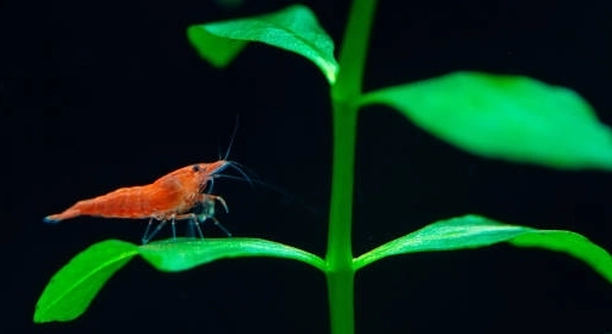
Cherry shrimp are small, colorful freshwater creatures that often bring life to aquariums. Observing their behavior can be both relaxing and fascinating for hobbyists who care for these tiny aquatic pets every day.
Cherry shrimp avoid bright light primarily due to stress and vulnerability. Excessive light exposure triggers a natural response to hide, reducing the risk of predation and creating a calmer environment for foraging and molting. Managing light levels helps maintain shrimp health.
Learning how light affects their behavior can improve your tank setup. Adjusting brightness and providing shaded areas ensures your shrimp feel safe and thrive in their environment.
Understanding Cherry Shrimp Behavior
Cherry shrimp are naturally timid creatures that prefer calm, shaded environments. In my own tank, I noticed they often hide under plants or decorations when the lights are on. This behavior is instinctive, helping them feel secure while avoiding potential threats. Bright or direct light can cause stress, which affects their feeding, molting, and overall activity. Providing hiding spots like moss, rocks, or dense plants gives them a sense of safety. It’s also helpful to gradually adjust light levels rather than turning them on at full brightness suddenly. Some shrimp become more active during dimmer periods, showing their preference for low-light conditions. Even small changes, like adding floating plants or repositioning the light, can make a big difference. Observing them over a few weeks allows you to notice patterns and adjust accordingly. Their behavior often reflects the balance between safety, feeding needs, and environmental comfort.
Maintaining shaded areas in the tank helps them feel secure and reduces stress-related behaviors, like hiding excessively.
Light intensity, tank layout, and plant density all play a role in shrimp activity. Too much direct lighting can make them retreat constantly, limiting their visibility and reducing their engagement with the environment. In my tank, introducing floating plants and rearranging decorations created pockets of shade. These adjustments encouraged more natural foraging and movement. Over time, the shrimp seemed less stressed and more visible, demonstrating how light management improves their well-being.
Adjusting Light Levels for Better Health
Reducing light intensity allows shrimp to explore without feeling threatened.
When managing light, it’s important to consider the type of bulbs and the duration they remain on. LED lights are popular because they can be dimmed easily, giving control over brightness levels. Gradual transitions from dark to light simulate natural conditions, preventing sudden stress. Observing shrimp behavior can guide adjustments; if they continue hiding, additional shading or shorter light periods may be necessary. Proper light management promotes healthier molting, regular feeding, and active behavior. Even small changes, like creating shaded corners or adjusting plant placement, can significantly impact their comfort. Keeping the light balanced with the tank’s natural day-night rhythm ensures shrimp feel safe and secure. Regular observation helps refine the setup, ensuring the shrimp are thriving while remaining visible for observation. Over time, they adapt and become more comfortable, enhancing both their health and your enjoyment.
Tank Decorations and Hiding Spots
Providing hiding spots is essential for cherry shrimp comfort. Rocks, caves, and dense plants give them places to retreat. In my tank, adding moss clusters made a noticeable difference in their activity. They seemed calmer and explored more often when shaded areas were available.
Hiding spots not only reduce stress but also support natural behaviors. Shrimp use these areas for molting, resting, and avoiding perceived threats. In a bare tank, they may constantly hide at the bottom, limiting feeding and movement. I found that arranging plants at different heights created layers of cover. Shrimp would move between these layers, appearing more confident and active. Adding small ornaments or driftwood can further enhance their sense of security, giving them safe zones near the substrate or mid-level water areas.
Shrimp also benefit from fine-leaved plants like Java moss or floating plants. These provide soft surfaces for grazing and additional cover, making them feel secure. In my experience, once the tank had multiple hiding options, they stopped staying in the darkest corners and started interacting more with their surroundings. Proper decoration supports both health and natural shrimp behavior.
Light Duration and Timing
Regulating light periods helps maintain shrimp routines. Shorter, consistent lighting reduces stress and encourages normal activity throughout the day.
Light duration affects feeding, growth, and molting. Too long or irregular lighting can make shrimp retreat excessively or become inactive. In my tank, setting the light on a timer for eight hours created a steady rhythm. Shrimp became more active during the light phase but retreated to shaded areas when necessary. Consistent timing also promotes plant growth, which indirectly benefits shrimp by providing additional cover and grazing surfaces. I noticed shrimp molted more regularly and appeared healthier once the light schedule was stabilized, highlighting the importance of predictable day-night cycles.
Timing the light to mimic natural patterns encourages natural behavior and reduces stress. Gradual increases in light in the morning and slow dimming at night replicate sunrise and sunset. This method helps shrimp transition between active and resting phases smoothly. Using dimmable lights or layering floating plants can soften direct light, giving shrimp comfortable zones. Over weeks, I observed more consistent feeding and movement patterns. Proper timing, combined with tank layout adjustments, creates a balanced environment where cherry shrimp can thrive and display natural, visible behaviors.
Water Quality and Its Impact
Poor water quality can make shrimp avoid light and hide. High ammonia, nitrite, or nitrate levels stress them, causing unusual behavior. In my tank, regular testing helped me notice changes early and make adjustments before stress became severe.
Stable water conditions keep shrimp active and visible. Sudden fluctuations in pH or temperature make them retreat to shaded areas, reducing feeding and movement. I observed that even small improvements, like consistent water changes and monitoring parameters, encouraged shrimp to explore more openly. Maintaining clean, balanced water creates a safer environment, supporting both health and natural behavior.
Plant Coverage
Dense plants provide natural shade and reduce stress. Floating plants or moss give shrimp safe areas to hide while still allowing light to filter through.
Adding plants encourages exploration and grazing. Shrimp use leaves for shelter and as surfaces to find algae. In my tank, increasing plant coverage reduced constant hiding. They became more active during light periods, moving between shaded and open areas. Plants also improve water quality and provide subtle lighting effects, creating a balanced habitat. Watching shrimp interact with greenery shows how critical plant coverage is for their comfort and natural behavior.
Feeding and Activity Patterns
Shrimp are more likely to stay in shaded areas when they feel vulnerable or when food is scarce. Regular feeding schedules help them feel secure.
Shrimp respond to predictable routines. In my experience, providing small amounts of food at the same time each day encourages them to leave hiding spots. They move confidently and forage in safer areas once they know feeding is consistent. This pattern reduces stress and promotes visible activity while keeping them healthy.
FAQ
Why do cherry shrimp hide when the lights are on?
Cherry shrimp naturally avoid bright light because it makes them feel exposed and vulnerable. In my tank, I noticed that when lights were too strong, they immediately moved under plants or decorations. Providing shaded areas and controlling light intensity encourages them to feel safe while still allowing natural activity.
Can too much light harm cherry shrimp?
Yes, prolonged exposure to strong light can stress shrimp. Stress affects molting, feeding, and overall health. I found that using dimmable LEDs and adding floating plants reduced stress. Maintaining a balance between light and shade keeps shrimp active and healthy without overexposing them to brightness.
How can I make shrimp feel more comfortable in bright tanks?
Adding hiding spots like moss, rocks, and dense plants is essential. In my setup, placing decorations at different heights created pockets of shade. Shrimp moved confidently between these areas, showing more natural behavior. Layered plants and shaded corners help them feel secure while still being visible.
Does light duration affect shrimp behavior?
Absolutely. Shrimp respond better to shorter, consistent light cycles. I use a timer to provide eight hours of light daily. Gradual transitions in the morning and evening mimic natural sunrise and sunset, reducing stress and encouraging natural activity patterns. They become more predictable in feeding and movement.
Are certain types of lights better for cherry shrimp?
LED lights are ideal because they are easy to dim and control. In my tank, LEDs allowed me to adjust brightness gradually and avoid sudden exposure. Soft, indirect lighting works best. Combining this with floating or dense plants ensures shrimp have both light and shaded areas.
Do hiding spots affect feeding habits?
Yes. Shrimp feed more confidently when they know shaded areas are nearby. I noticed that when hiding spots were sparse, they stayed at the bottom, leaving food untouched. Once moss and plants were added, shrimp grazed openly, moving between cover and feeding areas without stress.
Can water quality influence light avoidance?
Definitely. Poor water quality, such as high ammonia, nitrites, or fluctuating pH, increases stress, causing shrimp to retreat to shaded areas. I check my water parameters regularly and perform partial changes to maintain stability. Healthy water allows shrimp to feel safe enough to explore under light.
Do shrimp prefer certain plant types for hiding?
Yes, fine-leaved plants like Java moss or floating plants work best. They offer soft surfaces for grazing while providing cover. I found that shrimp favored these over large-leaved plants, moving in and out of the moss frequently. Multiple plant types create diverse hiding zones that improve shrimp comfort.
How often should I adjust tank lighting?
Adjust lighting only if shrimp show signs of stress. In my experience, frequent changes cause more harm than good. Gradual tweaks, like lowering brightness or adding shaded areas, work better. Observing behavior over weeks helps determine the right balance between light and comfort.
Will shrimp eventually get used to brighter light?
Some may adapt slowly if given shaded areas and gradual exposure. In my tank, a few timid shrimp became more confident over several weeks. However, most still preferred lower light zones. Respecting their natural preference for dimmer environments keeps stress low and encourages healthy activity.
Does tank layout influence light avoidance?
Yes, the arrangement of plants, rocks, and decorations directly impacts how shrimp respond to light. Creating layers of shade and open areas gives them control over exposure. In my setup, rearranging decor allowed shrimp to move freely without feeling threatened, promoting natural behavior while under illumination.
Can adding floating plants improve light tolerance?
Yes. Floating plants diffuse light and create softer conditions below. I added a few small clusters, and shrimp gradually explored areas they previously avoided. These plants also contribute to water quality and grazing surfaces, making them a practical choice for maintaining both comfort and health.
Is hiding a sign of sickness or stress?
Hiding can indicate stress, but not always illness. I found that monitoring water parameters, feeding patterns, and light exposure helped distinguish between normal hiding and stress-related behavior. Consistent observation ensures timely adjustments, keeping shrimp healthy and active without unnecessary concern.
How does light affect molting?
Bright light can cause shrimp to hide during molting, reducing their ability to shed safely. In my tank, shaded areas allowed them to molt without disturbance. Proper light management ensures they complete molting cycles safely while still engaging in regular activity when not shedding.
Are shrimp more active during certain times of the day?
Yes, they often move during dimmer light periods. I observed my shrimp exploring more during early morning and late afternoon when light intensity was lower. Maintaining a consistent day-night cycle and providing shaded zones encourages these natural activity peaks while keeping them comfortable and stress-free.
Can I use decorations to simulate natural hiding spots?
Absolutely. Rocks, driftwood, and layered plants replicate natural environments. In my experience, shrimp responded well to a combination of soft plants and hardscape features, moving confidently between hiding spots and open areas. Thoughtful decoration design supports health, feeding, and natural behaviors.
Does tank size influence light avoidance?
Smaller tanks can make shrimp feel exposed if there aren’t enough shaded areas. I found that adding vertical plants and layered decor helped even in compact setups. Shrimp can choose where to stay based on comfort, reducing constant hiding and encouraging visible, healthy activity throughout the tank.
Are there any signs that light is too strong?
Shrimp retreating constantly, clustering under plants, or remaining at the bottom are indicators. In my tank, I noticed immediate hiding when new bright lights were installed. Adjusting intensity, adding floating plants, and creating shade zones quickly reduced stress and restored normal activity patterns.
Do shrimp ever stop hiding completely?
Some shrimp become more confident over time, but most retain a preference for shaded areas. I observed that providing balanced lighting, proper hiding spots, and stable water conditions encouraged shrimp to explore, though they still used cover when stressed or molting. Respecting their instincts ensures long-term well-being.
How can I monitor if my adjustments are working?
Observe shrimp behavior daily. I keep track of how often they leave hiding spots, their feeding patterns, and movement around the tank. Gradual changes in lighting or decorations show results over weeks. Positive signs include more active shrimp, consistent feeding, and visible interaction with the environment.
What is the best overall approach to reduce hiding?
Combine controlled lighting, stable water conditions, and ample hiding spaces. In my tank, this combination created a safe, stress-free environment. Gradual adjustments, regular observation, and patience allow shrimp to feel secure while engaging in natural behaviors, ensuring both health and activity.
Final Thoughts
Cherry shrimp are delicate creatures that respond strongly to their environment. Light, water quality, tank layout, and feeding routines all influence their behavior. In my experience, observing how shrimp react to changes in the tank provides insight into what they need to feel comfortable. They naturally avoid bright light because it makes them feel exposed, and this instinct is part of their survival strategy. Providing shaded areas, hiding spots, and gradual light transitions helps them feel safe while allowing them to explore. Even small adjustments, like adding moss or floating plants, can encourage shrimp to leave hiding spots more often, making them more active and easier to observe.
Maintaining stable water conditions is equally important. Cherry shrimp are sensitive to fluctuations in ammonia, nitrite, nitrate, pH, and temperature. I learned that keeping water parameters consistent reduces stress and prevents excessive hiding. Frequent testing and partial water changes help maintain a healthy environment. When water quality is good, shrimp feel secure and are more likely to engage in normal behaviors like grazing, molting, and interacting with their surroundings. Pairing stable water conditions with proper light management creates a balanced habitat. The combination of safe hiding places and predictable environmental conditions allows shrimp to thrive naturally.
Finally, patience and observation are key to understanding your shrimp. They have individual personalities and may adapt to light and activity differently. In my tank, some shrimp gradually became more confident while others still preferred shaded areas. Adjustments should be gradual, respecting their instincts rather than forcing them into open areas. By providing a calm, predictable environment with appropriate lighting, hiding spots, plants, and feeding routines, you create a space where shrimp feel secure. Over time, they display natural behaviors, move more freely, and remain healthy. Observing these changes can be rewarding and helps ensure your shrimp enjoy a comfortable, safe life in their tank.

Hello,
If you enjoy the content that we create, please consider saying a "Thank You!" by leaving a tip.
Every little bit helps us continue crafting quality advice that supports the health, happiness, and well-being of pets around the world, for pets of all shapes, sizes, and species.
We really appreciate the kindness and support that you show us!